Health and Medicine

FSI’s researchers assess health and medicine through the lenses of economics, nutrition and politics. They’re studying and influencing public health policies of local and national governments and the roles that corporations and nongovernmental organizations play in providing health care around the world. Scholars look at how governance affects citizens’ health, how children’s health care access affects the aging process and how to improve children’s health in Guatemala and rural China. They want to know what it will take for people to cook more safely and breathe more easily in developing countries.

FSI professors investigate how lifestyles affect health. What good does gardening do for older Americans? What are the benefits of eating organic food or growing genetically modified rice in China? They study cost-effectiveness by examining programs like those aimed at preventing the spread of tuberculosis in Russian prisons. Policies that impact obesity and undernutrition are examined; as are the public health implications of limiting salt in processed foods and the role of smoking among men who work in Chinese factories. FSI health research looks at sweeping domestic policies like the Affordable Care Act and the role of foreign aid in affecting the price of HIV drugs in Africa.

Authors
Beth Duff-Brown
News Type
News
Date
Paragraphs

Breast cancer is the second-most common cancer in the United States in women after nonmelanoma skin cancer — and the second leading cause of cancer deaths, after lung. 

Of the estimated 252,710 women who were diagnosed in 2017 with breast cancer, 40,610 died of the disease, or about 16%.

The odds of death from breast and ovarian cancer grow even greater when women have genetic mutations known as BRCA1and BRCA2. The mutations — which can make it harder for tumor-suppressing proteins to attack cancer cells — occur in 1-in-300 women and account for 5% to 10% of breast cancer cases and 15% of ovarian cancer cases.

The risks of ovarian and breast cancer are as high as 45% and 70%, respectively, in women carrying the genetic mutations. So the U.S. Preventive Services Task Force in 2005 and 2013 recommended genetic counseling for women with a high-risk family history of breast or ovarian cancer.

The Task Force is updating its recommendation for primary-care clinicians: They should now consider women with previous breast cancer or ovarian cancer who are considered cancer-free for genetic counseling — and more explicitly include ancestry as a risk factor.

The recommendations were published on Aug. 20 in the Journal of the American Medical Association.

“Some women can benefit from risk assessment, genetic counseling, and genetic testing, but not all women need these services. We suggest women talk to their clinicians and decide on best next steps together,” said Stanford Health Policy’s Douglas K. Owens, chair of the independent, voluntary panel of national experts in prevention and evidence-based medicine.

The Task Force notes that some ancestries are associated with increased risk of BRCA1/2mutations. An accompanying editorial in JAMA by Susan Domchek, MD, and Mark Robson, MD, notes that 1-in-40 random individuals of Ashkenazi Jewish descent have 1 of 3 specific BRCA1or BRCA2founder mutations, compared with 1-in-300 in the general population.

Genetic risk assessment and BRCA1/2mutation testing is a multi-step process that begins with identifying patients with a family or personal histories of breast, ovarian, tubal, or peritoneal cancer; family members with known harmful BRCA1/2mutations; or ancestry associated with harmful BRCA1/2 mutations. 

Clinicians should begin with a family and personal history for all women, Owens said.

“If this raises concerns about increased risk, the Task Force recommends that primary care clinicians use one of the available validated risk-assessment instruments to further assess the risk for BRCA1/2mutations.”

If the instrument indicates increased risk for BRCA1/2mutations, clinicians should refer patients for genetic counseling. Women found to be at increased risk from genetic counseling should then be referred for mutation testing, Owens said.

Listen to this podcast about the new USPSTF recommendations.

[[{"fid":"238783","view_mode":"crop_870xauto","fields":{"format":"crop_870xauto","field_file_image_description[und][0][value]":"","field_file_image_alt_text[und][0][value]":false,"field_file_image_title_text[und][0][value]":false,"field_credit[und][0][value]":"","field_caption[und][0][value]":"","thumbnails":"crop_870xauto"},"link_text":null,"type":"media","field_deltas":{"1":{"format":"crop_870xauto","field_file_image_description[und][0][value]":"","field_file_image_alt_text[und][0][value]":false,"field_file_image_title_text[und][0][value]":false,"field_credit[und][0][value]":"","field_caption[und][0][value]":"","thumbnails":"crop_870xauto"}},"attributes":{"class":"media-element file-crop-870xauto","data-delta":"1"}}]]

In another accompanying editorial published by JAMA Network Open, researchers note that since the new recommendations add ethnicities and ancestries associated with BRCA1or BRCA2gene variants, the number of testable patients has now been expanded.

“With the increase in women eligible for counseling and testing under these recommendations and the explicit directive for primary care practitioners to consider clinical genetics training … the oncology community should welcome the opportunity to better integrate comprehensive cancer risk assessment and genetic testing for BRCA1and BRCA2into routine preventive medicine,” they write.

Population-based risk assessment may increase insurance coverage and clinician-directed access to cancer genetic testing for up to 50% more women in the primary care setting than family history-based risk assessment alone, writes Olufunmilayo I. Olopade, MD, an expert in cancer risk assessment at the Center for Clinical Cancer Genetics and Global Health at the University of Chicago.

She and her co-authors note that researchers are also finding higher BRCA1and BRCA2 mutation frequencies across more diverse populations than previously realized. The genetic mutations have been identified in 12% to 18% of African-American patients with breast cancer; Hispanic high-risk patients living in the southwest of the United States, with a personal family history of breast or ovarian cancer, were found to have mutations rates as high as 25%.

Yet not as many African-American and Hispanic women get tested for the BRCA gene compared with white women, due to less awareness about genetic testing, distrust in the medical system, lower education levels and lack of physician referrals. 

And then there’s the cost.

“The cost of testing, now at $250 out of pocket if not covered by third-party payers, continues to remain an understandable point of concern for patients and the health-care system, but can be consciously addressed to reduce disparities in testing,” they write.

Olopade and her colleagues note there are fewer than 700 cancer-specific genetic counselors in the United States, relative to the more than 300,000 primary care physicians.

“Expanding access to genetic counseling and testing across the medical spectrum of care to primary care is not only appropriate, but also critical,” they said.

Hero Image
gettyimages breast cancer Getty Images
All News button
1
Authors
Beth Duff-Brown
News Type
News
Date
Paragraphs

Americans have witnessed repeated mass shootings. The carnage in Texas and Ohio last weekend claimed another 31 lives and has left the nation stunned and angry.

Many are demanding that members of Congress pass tougher gun-control laws; others blame mental health and violent video games for the rampant shootings.

Stanford Health Policy’s David Studdert — an expert on the public health epidemic of firearms violence — acknowledges that mass shootings are on the rise in the United States.

“It’s been a horrific weekend,” said Studdert, a professor of law at Stanford Law School and professor of medicine at Stanford School of Medicine. “Experts now generally agree that mass shootings are becoming more common — and that a common thread is disaffected young men who have access to high-caliber, high-capacity weapons.”

Both suspects in the Dayton and El Paso shootings fit this profile.

Studdert notes, however, that while mass shootings have become the public face of gun violence, they account for less than 1% of the 40,000 firearm deaths each year.

“So as a public health researcher, I do care about mass shootings and I am interested in understanding and their causes — but the focus of my ongoing research is the other 99 percent.”

Largest investment in firearms research in two decades

It’s that focus the Studdert will be pursuing in a recently-awarded $668,000 grant from the National Collaboration on Gun Violence Research. The private collaborative’s mission is to fund nonpartisan, scientific research that offers the public and policymakers a factual basis for developing fair and effective gun policies.

Studdert, Yifan Zhang, a statistician with Stanford Health Policy, and Stanford political scientist Jonathan Rodden are working with colleagues at UC Davis, Northeastern University and Erasmus University Rotterdam on the Study of Handgun Ownership and Transfer, or LongSHOT.

The team is following several million Californians over a 12-year period to better understand the causal relationship between firearm ownership and mortality. They launched in 2016 with the initial goal of assessing the risks and benefits of ownership for firearm owners.

“The implications of firearm ownership for owners is important because they usually are the ones making the decision to purchase and own,” Studdert said. “But we knew from the beginning that this was only part of the picture. The presence of a firearm in the home may also have health implications for the owners’ family members.”

In the new study, the researchers will identify the cohort of adults in California who live with firearm owners but are not themselves gun owners, and then compare their risks of mortality to a group who neither own weapons, nor live with others who do.

Surprisingly little is known about the “secondhand” effects of having guns in the home.

“Existing studies don’t differentiate between owners and non-owners within households, and that is something we have the ability to look at,” Studdert said. “And a very large proportion of non-gun-owners who are living in homes with guns are women — so this is a group that has really been understudied.”

There is already substantial evidence that a gun in the home is associated with increased risks of suicide. But it is not clear how particular subgroups, such as women who don’t own guns, are affected.

“Because our cohort is so large,” Studdert said, “we will also be able to explore whether gun ownership confers certain benefits, as gun-rights advocates often claim, such as enhanced safety in dangerous neighborhoods.”

Studdert said a better accounting of the risks and benefits that firearm ownership poses for non-owners could help inform decisions regarding gun ownership and storage, as well as policies aimed at improving gun safety.

The politics of federal funding for firearms research

The National Collaboration on Gun Violence Research is funded through private philanthropic donations. It was seeded with a $20 million gift from Arnold Ventures and intends to raise another $30 million in private funding for firearms research.

“It’s the biggest investment in firearms research since the late 1990s,” Studdert said.

Research on the impact and causes of firearm violence was dealt a huge blow in 1996 when the so-called Dickey Amendment was passed by Congress. The law has been interpreted as prohibiting the National Institutes of Health and the Centers for Disease Control and Prevention from conducting firearms research.

Studdert said that the growth of research funding from philanthropies like the Arnold Foundation and Joyce Foundation is a welcome development, but that it will take a large and sustained investment to move the science of firearm violence forward.  

“The core funder of large-scale research essentially vacated the space for 20 years,” he said.  “It’s going to take some time to recover. Developing a generation of researchers with expertise will take give to 10 years. But it has to be done — the size of the social problem demands it.”

Hero Image
gettyimages gun illustration Getty Images
All News button
1
Authors
News Type
News
Date
Paragraphs

Every summer, the Draper Hills Summer Fellows Program brings together international leaders who are pioneering new approaches to advance social and political change in some of the most challenging global contexts. The fellows spend three weeks living and taking classes on the Stanford campus, visiting Silicon Valley tech companies and building a network.

Representing business, government and the nonprofit sector, fellows are working on the frontlines of democratic change to combat the global rise of authoritarianism and populism. The Freeman Spogli Institute for International Studies spoke to five of the fellows about the impact of the Draper Hills program on their work and activism. These are their stories.

Shaili Chopra, India

shaili3 Shaili Chopra, founder of SheThePeopleTv. Photo: Alice Wenner
“I run a platform called SheThePeopleTv. It's a platform for women, and it aims to share news, opinions, data and statistics through a gendered lens. Women are a critical part of democracy — from where I come, in India, we have 600 million women. That's half of the country's population. I think they must also have half of the country’s voice, which they don't.

“I think a big plus of a program like Draper Hills is that when we are all working in the general construct of democracy, we have shared problems, and we also look for shared solutions. It's very empowering to be around people who understand these situations, or have found solutions or overcame them in their countries, or are going through similar problems. You can discuss them and get a sense of solidarity and a sense of empathy.”

Wiem Zarrouk, Tunisia

wiem1 Wiem Zarrouk, senior advisor to the Minister of Development, Investment and International Cooperation in Tunisia. Photo: Alice Wenner

“I’ve been working for the Tunisian government for three years as an advisor to the Minister of Development, Investment and International Cooperation. I am leading the government reforms to improve Tunisia's ranking in the World Bank Competitiveness Report - Doing Business.

“In Tunisia, we’ve set up most of our democratic institutions, and now we want to improve the business environment to attract more investment in local businesses. Eight years ago, the people went into the streets demanding more jobs. The challenge in Tunisia right now is economic, that’s why economic reforms are important to our government.

“I think the impact of the Draper Hills program will be immediate. I’ve learned a lot here about the link between development and democracies, so it really covers the scope of my work. And it's been great to learn about the theoretical side — the professors are really speaking about things that impact our daily work.” 


Ujwal Thapa, Nepal

ujwal1 Ujwal Thapa, president of the BibekSheel Nepali youth movement. Photo: Alice Wenner

“Bibeksheel Nepali is basically a political startup. It’s a youth-led movement, and we’re focused on changing the norms and mindsets of the culture in Nepal. We work a lot with citizens to instill the values of transparency, empathy and humility because we think democracy needs to be more emotional instead of just logical. I think liberal democracy needs to be understood more in the context of humanity. So it’s an experiment that we're doing in Nepal.

“When we started with the experiment, we decided not to focus only on the state, but thought about a few more components: one is our citizens, another is the society and the third is the government. Nepal recently came out of a violent civil war, and we just built a new constitution that is much more tolerant. Transparency is another value that we want to instill, because of the long isolationist and autocratic dictatorship that has existed in the past.

“Draper Hills is bringing all of these practitioners together who are experimental and innovative. And the world needs better collaboration from people who really believe in the ideals of the 21st century, which are liberal, democratic and more humanistic. That’s one of the strongest aspects of the Draper Hills program.”


N.S. Nappinai, India

nappinai1 N.S. Nappinai, senior practitioner in the Supreme Court of India and Bombay High Court. Photo: Alice Wenner

“I'm a lawyer — I specialize in cyber laws. My work throughout my career has been focused on ensuring responsible technology and the use of technology to fight crime. Two years ago I was appointed by the Supreme Court of India as Amicus Curiae on a matter related to protecting against the uploading of videos and images of gang rape and child pornography online.

“Some of the social media platforms had very good reporting mechanisms, whereas it was more hidden on other platforms. So we ensured that this issue was brought to the forefront so that people know that these are things that can be reported and some action can be taken. The whole idea was that as long as you identify such content at the earliest possible time, then you help the victim that much more.

“For me, balancing victims' rights with free speech is very important. This was a big dilemma that I faced, in terms of ‘How much of what I am doing is likely to stifle free speech?’ A lot of discussions at Draper Hills have helped formulate and structure my thoughts, and it's very nice to get the perspective from people from 26 other countries.”


Hinda Bouddane, Morocco

hinda1 Hinda Bouddane, the first vice president of the elected provincial council of the city of Fez. Photo: Alice Wenner

“I'm involved in women's empowerment and education for girls in Morocco. And especially for women in rural areas — they are less privileged, and many of them don't know their rights. So my fight through JA Worldwide and my activism is to empower these women and to raise awareness about their rights and the importance of education for girls.

“Education for girls is really important in fighting discrimination against women. Education empowers women to become financially independent, say no to violence, and to get engaged in the public sphere. Through that, women can be a part of the democratic process not only by voting, but also by taking part from within and running for office.

At Draper Hills, we're deepening our knowledge about topics like the rule of law, democracy and human rights, and hearing many different perspectives. And importantly, we are building a great network to connect many intelligent people from around the world, and we will work together to foster democratic values.”


Hero Image
draper hills for web
The 2019 Draper Hills Class of 2019 at the Freeman Spogli Institute for International Studies. Photo: Stanford Center on Democracy, Development and the Rule of Law
All News button
1
0
Global Affiliate Visiting Scholar, 2019-20
Reliance Life Sciences
vikas_sett.jpeg

Vikas Sett is a global affiliate visiting scholar at the Walter H. Shorenstein Asia-Pacific Research Center (Shorenstein APARC) for 2019-20.  Sett has over 12 years of experience in various fields of finance controls & accounts function - including contracts validation, compliance, tax planning, international trade, foreign trade policy, etc.  While at Shorenstein APARC, he will study the U.S. taxation system, tax breaks available to the pharmaceutical industry and how the pharmaceutical companies in the U.S. have leveraged the tax breaks to their advantage.  Sett graduated with a degree in commerce and is a Chartered Account by profession (member of ICAI, India).

0
Global Affiliate Visiting Scholar, 2019-20
Reliance Life Sciences
fullsizeoutput_c9fd.jpeg MBA

Sowmitra Chatterjee is a global affiliate visiting scholar at the Walter H. Shorenstein Asia-Pacific Research Center (Shorenstein APARC) for 2019-20.  Chatterjee has nearly 18 years of experience in distribution and supply chain management, including more than 13 years of handling distribution of cold chain and life saving medicines.  In his current position at Reliance Life Sciences, he serves as the Deputy General Manager of Distribution and Logistics and is responsible for the outbound supply chain to domestic and export markets.  His primary objective is to complete the Order to Cash (OTC) cycle which involves order execution, route mapping, transporter planning, shipment tracking, important documentations, payment collection, etc.  Prior to joining Reliance Life Sciences, Chatterjee was associated with Nicholas Piramal Ltd.  Chatterjee received his masters degree in commerce from Mumbai University and his MBA, specializing in supply chain management, from Sikkim Manipal University. 


News Type
News
Date
Paragraphs

Primary care physicians in the United States are increasingly joining multispecialty group practices, such as the Palo Alto Medical Foundation and Stanford Health Care.

Stanford Health Policy’s Loren Baker and Kate Bundorf analyzed how a physician’s single practice vs. a multispecialty practice (MSP) affects health-care spending and use.

Focusing on Medicare beneficiaries who changed their primary care physician due to a geographic move, they compared changes in practice patterns before and after the move between patients who switch practice types and those who do not.  

With their co-author Anne B. Royalty of Indiana University-Purdue University Indianapolis, they found that changing from a single to a multispecialty primary care group practice decreases annual Medicare-financed, per-capita expenditures by about $1,600, or a 28% reduction.

“The effect is driven primarily by changes in hospital expenditures and is concentrated among patient with two or more chronic conditions, suggesting that MSP improves care delivery by reducing hospitalizations among relatively sick patients,” they wrote in their working paper published by the National Bureau of Economic Research.

“The results imply that, while research has shown the potential for physician consolidation to increase prices in some settings, large multispecialty groups also have the potential to lower costs.” 

Read More

Hero Image
getty images stethoscope Getty Images
All News button
1
Authors
News Type
News
Date
Paragraphs

The 3rd Forum on Regulatory Science and Biomedical Innovations was successfully held on June 7-8th, 2019, at the Stanford Center at Peking University.

Initiated and organized by the Stanford Center for Innovative Study Design. The focus of this year’s forum is on the Real-World Evidence in Biomedical Product Development and Regulatory Science. About 150 international and Chinese scholars and researchers, US and Chinese regulators, and pharma/biotech leaders attended the event.

Over the last decade, significant strides have been made in medical research, which leads to great improvement in human health. With increasing availability of real-world data (RWD), such as electronic health and medical records and mobile health data, and rapidly evolving analytic techniques to generate real-world evidence (RWE) from the RWD, there are vast research interests in academia, industry, and regulatory agencies on how to use the RWE to inform regulatory decision and to assess the potential benefits and/or risks of medical products. On May 8, 2019, the US FDA published the draft guidance for industry on “Submitting Documents Using Real-World Data and Real-World Evidence to FDA for Drugs and Biologics.” On May 29, 2019, the Chinese National Medical Product Administration (NMPA) published their call for comments on the draft guidance on “Basic Considerations for Using Real-World Evidence to Support Drug Development.” Our forum was timely organized to discuss the challenges and research opportunities on the topic.

Three keynote speakers were invited, representing academia, government, and industry. Our first keynote speaker was Professor Ping-yan Chen, Chair of the Department of Biostatistics, Southern Medical University, Guangzhou, China. Professor Chen chaired development committee of tri-parties (Chinese academia, industry, and NMPA) for the Chinese draft of the guidance on RWE published on May 29, 2019. Professor Chen provided unique perspectives of their committee work and explained the considerations recommended in the guidance document. The second keynote speaker, Dr. Jing Chen, was from the Chinese NMPA on the evaluation of generic medications in China. The 3rd keynote speaker was Dr. Donald Yin, Vice President and Head of Economic and Data Science at Merck. He shared with us the examples and insights on the use of real-world data and evidence in the pharmaceutical industry.

Two invited panel discussions on “The Challenges and Opportunities for Using RWE in Medical Produce Development and Regulatory Oversights” and “Statistical Evidence on Regulatory Decisions” were also well received.

In addition, there were six invited scientific sessions on topics from the use of historical control data in confirmative trials, challenges in regulatory evaluation of generic drugs, diagnosis test and prediction models, Use of RWE for regulatory decisions, big data and artificial intelligence in precision health, and from the real work data to real world evidence.

Several feedbacks commented that this was the highest quality academic event in recent years.

The event was co-sponsored by the Stanford Center at Peking University and Peking University Health Science Center. The event was funded in part by mProbe and Merck.


Image

Hero Image
wechatimg43
All News button
1
News Type
News
Date
Paragraphs

Image
wechatimg22

PKUHSC (Peking University Health Science Center) delegation, headed by Prof. Zhan Qimin, Executive Vice President of Peking University and President of Peking University Health Science Center, visited Stanford on May 9, 2019.

Prof. Oi, director of SCPKU (Stanford Center at Peking University) hosted the event for the delegation joined by interested Stanford faculty and researchers.

SCPKU was founded in 2012 with a landmark building on PKU campus.  Over 1000 programs and events have been convened at SCPKU, Stanford has had 78 projects in 40 different departments with some components involving research or training in China, and 3,187 different Chinese co-authors have collaborated on publications with Stanford authors.

Image
screen shot 2019 06 30 at 10 29 24 am

SCPKU has fellows across campus, with the greatest number of faculty from the School of Medicine.  SCPKU will expand Stanford’s role in global education and research and enable all faculty to do research in China.

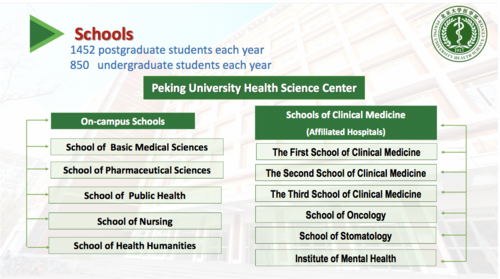
The PKUHSC delegation presented an overview of PKU Health Science Center, which gave exposure to the Stanford participants for matching their own work with the resources that PKU offered.

Image
screen shot 2019 06 30 at 10 29 35 am

A roundtable introduction/discussion followed Prof Oi’s talk between the members of the delegation and Stanford participants.  Both sides were interested in exploring further partnership in global health, life science, public health and emergency medicine.

Image
wechatimg23

The delegation had a meeting with Dean of the School of Medicine, Lloyd Minor (5th from right); Mijiza Sanchez (4th from right), associate Dean, office of Medical Student Affairs.

The delegation also met with Prof. Mark Cullen (4th from right), Director, Center for Population Health Sciences, Senior Associate Vice Provost for Research, Professor of Medicine, and discussed medical research and population health sciences.

Both sides agreed that a lot more could be done via the SCPKU platform in further exchange and exploration to formulate meaningful collaboration projects.

Stanford participants:   Jean Oi, director of SCPKU; Ann Hsing, research professor of medicine and a co-leader of the Population Sciences Program; Bruce Ling, professor of surgery; Hua Shan, professor of pathology; Jianghong Rao, professor of radiology; Karen Eggleston, senior fellow at FSI; Mathew Strehlow, professor of emergency medicine; Yang Hu, professor of Ophthalmology and Ying Lu, professor of biomedical data science.   PKU delegation members:  Qimin Zhan, executive vice president and president of Peking University Health Science Center; Weimin Wang, vice president of education; Ning Zhang, vice president of research; Jie Qiao, president, Peking University Third Hospital and director of National Clinical Research Center; Xiaojun Huang, director, institute of hematology; Qiudan Sun, director, office of International Cooperation of Peking University Health Science Center.

Hero Image
wechatimg22
All News button
1
-

Abstracts
Healthy Aging in Asia book.  Comparative Diabetics project, China and India
Karen Eggleston, Stanford University
How are health systems in Asia promoting evidence-based policies for healthy aging? What strategies have been tried to prevent non-communicable chronic diseases (NCDs), screen for early detection, raise quality of care, improve medication adherence, reduce unnecessary hospitalizations and increase “value for money” in health spending?
The chapters of this book contribute to the literature on how diverse economies of Asia are preparing for older population age structures and transforming health systems to support patients who will live with chronic disease for decades. Fifteen concise chapters cover multiple aspects of policy initiatives for healthy aging and economic research on diabetes and hypertension control in health systems as diverse as cities such as Singapore and Hong Kong to large economies such as Japan, India, and China. Topics include precision health and personalized medicine in Japan; China’s evolving family doctor system and its national demonstration areas for chronic disease control; cancer disparities and public- private roles in Taiwan; and policies for healthy aging in Korea and India. Several chapters draw on research led by the Stanford Asia Health Policy Program on the net value of chronic disease management programs throughout Asia, starting with analysis of detailed longitudinal, patient-level data on diabetes management as a lens for understanding the net value of medical spending for patients with complicated chronic diseases across diverse health systems.


Research on Avoidable Admission of Diabetes Based on the Qualitative and Quantitative Transformation Model
Qin Jiang, China National Health Development Research Center


How does the Rural-Oriented Tuition-Waived Medical Education Programme Work? Evidence from Shaanxi, China
Jinlin Liu, Xi’an Jiatong University
Background: Attracting and recruiting health workers to work in rural areas is still a great challenge in China. The rural-oriented tuition-waived medical education (RTME) programme has been initiated and implemented in China since 2010, which aims to enroll the medical students mainly from rural areas to work in township hospitals for 6 years after they graduate. Taking Shaanxi as an example, this study aims to examine the effect of the RTME programme on rural-oriented tuition-waived medical students’ (RTMSs) attitudes towards working in rural areas.
Methods: Two cross-sectional surveys were conducted in 2015 and 2019. The first questionnaire survey in 2015 was conducted among RTMSs from the first group of students enrolled in the RTME programme in Shaanxi. The second survey was key informant interviews which include government personnel, township hospital directors, and two RTMSs working in township hospitals. Quantitative and qualitative analysis methods were used.
Results: All the RTMSs of the first group have broken the initial contracts they signed when they were enrolled in 2010, which is basically consistent with the results of the first questionnaire survey in 2015. Of the 230 valid responses in the 2015 survey, 92.6% expressed their intentions of breaking the contract for working in rural township hospitals for 6 years after their graduation. Meanwhile, after the contract expired, only 1.3% intended to remain in the rural areas, 66.5% had no intention of remaining, and 32.2% were unsure. The factors related to a positive attitude among the RTMSs towards working in rural areas (no intention of breaking the contract) included being female, having a mother educated at the level of primary school or below, having a good understanding of the policy, having a good cognition of the value of rural medical work, and being satisfied with the policy. The factors related to a positive attitude of the RTMSs towards remaining in rural areas included being female, having a rural origin, having no regular family monthly income, having a father whose occupation was farmer, having a mother educated at the level of postsecondary or above, having the RTMSs be the final arbiter of the policy choice, having a good understanding of the policy, having a good cognition of the value of rural medical work, and being satisfied with the educational scheme.
Conclusions: Related policy makers and health workforce managers may benefit from the findings of this study. Appropriate strategies should be implemented to stimulate the RTMSs’ intrinsic motivation and improve their willingness to work in rural areas and to better achieve the objectives of RTME policy. Meanwhile, measures to increase the retention of RTMSs should also be advanced.

Changes in Sleep Duration Associated with Retirement Transitions: the Role of Nap
Rize Jing and Hai Fang, Peking University
In this study, we analyzed the impact of retirement on sleep duration for old people and this is a very interesting study for the aging population in China.

Study on the Influence Factors of the Disability Evolution and Status Duration of the Rural Elderly in China
Weihong Zeng, Xi’an Jiatong University
With the development of aging and urbanization in China, social security problem for elderly people in rural areas is becoming more and more prominent. The rural elderly disabled population increase along with the deepening of the degree of disability. It is necessary to research on the characteristics of the disability trajectory and the duration of the specific level of disability status for rural elderly, in order to establish the effective long term care policy system. Using a 6-wave longitudinal survey data from 2001-2015 “Survey on the Welfare of Elderly in Anhui Province, China”, this paper analyzed the disability trajectory and the duration of the different levels of disability status for rural elderly, meanwhile, explored influence factors for the trajectory and duration time. Finally, the policy suggestions were provided based on the study findings.

Utilization of Mixed Method to Evaluate the Impact of National NCD Demonstration Site in China
Juan Zhang, School of Public Health, Peking Union Medical College (PUMC) & China Academy of Medical Science
Background By the end of 2014, 265 districts/counties out of 2853 districts/counties across China has been nominated as National Demonstration Site or Shifanqu. We aimed to evaluate the implementation and impact of National NCD Demonstration Site.
Methods We utilized both sociological and epidemiological methods to collect both qualitative and quantitative data in November and December of 2016 for process evaluation and outcome evaluation. In the meantime, case study was conducted. Semi-structured interview and focus group was organized to collect the process of intervention activities, involvement of non-health sectors, and leadership of local government. A cross-sectional survey was conducted among 4,000 adults aged 18 and above residing in 10 Shifanqu out of 265 across China. Demographic information, participation and attitudes toward intervention activities, awareness and lifestyle-related NCD, early detection of Cancer, management of blood pressure and glucose were collected.
Results The 265 Shifanqu were well implemented to meet the requirement of accreditation, in particular, health education and health promotion, China Health Lifestyle for All initiative, surveillance and safeguard measures. A government-led and inter-section coordination and communication mechanism has been established, with more than 16 non-health departments actively involved in the implementation. About 28.7% of residents living in the National Demonstration Area for comprehensive prevention and control of non-communicable disease were aware of the key messages related to chronic disease, 72.1% consumed vegetables every day, 53.6% consumed fruits every day, and 86.9% walked at least 10 minutes per day. Over 70% of patients with hypertension or diabetes reported that they were managed by the Community Health Centers, and above 50% of them were managed by the Community Health Centers as the national policy required.
Conclusion The implementation of National Demonstration Site has become a platform for the control and prevention of non-communicable diseases locally, and can be an important carrier of chronic disease prevention and control in China.


Initiatives on Hypertension Control in Shandong Province
Wang Yan, Shandong Provincial Health Department, P.R.China
As a province with a population of 100 million in North China, Shandong province has a relatively high prevalence of hypertension and its complications. The prevalence rate of hypertension among people aged between 18 and 69 is 23%. There are 16.5 million patients with diagnosed hypertension. There are 560,000 new cases of STEMI and stroke every year. Over the past decade, in order to control hypertension, Shandong province has implemented a series of intervention measures, including promoting salt reduction and blood pressure self-tests, providing free or low-price essential drugs such as anti-hypertensives, and implementing programs for early screening of cardiovascular and cerebrovascular diseases, among other initiatives. Most of these efforts appear to have achieved their intended effects, but there is still room for improvement in hypertension prevention and control. Building on the basis of this previous work, Shandong province will launch new targeted policies and measures aiming to promote blood pressure control among the population through lifestyle management and standardized drug treatment.

Conferences
Authors
Thomas Holme
News Type
News
Date
Paragraphs

The world is “graying” at an unprecedented rate. According to the UN’s World Population Prospects 2019, the number of persons over the age of 65 is growing the fastest and expected to more than double by 2050, then triple in another 50 years’ time.

Some Asian countries in particular, plagued by population aging, declining fertility, and gender imbalance, are facing a grim outlook for a demographic crisis. In Japan, one in five people is now 70 or older, birthrate has dropped to a historic level, and the population declined by more than a quarter of a million last year. Meanwhile, South Korea is aging more quickly than any other developed country: with seniors on the verge of making up 14% of the population, the country is on the cusp of becoming an “aged society.” The potential impact of population aging on the labor market and the fiscal pressures on the public systems of healthcare, pensions, and social protection schemes for older adults are some of the many problems that these and other countries must tackle.

Against this background, Shorenstein APARC recently held the third annual gathering of the Stanford Asia-Pacific Innovation project, a Center-led initiative that produces academic and policy-relevant research to promote innovation and entrepreneurship in East Asia. Held in Chuncheon, South Korea and organized jointly with Hallym University’s Institute for Communication Arts and Technology, this year’s conference focused on the intersection of aging, technological development, and innovation in the region.

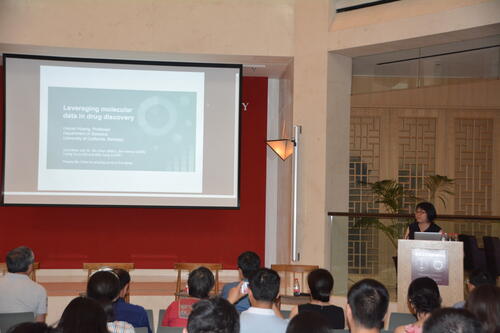
Gi-Wook Shin stans at a podium

(Gi-Wook Shin)

APARC Director Gi-Wook Shin opened the two-day session, introducing the conference’s themes. “What policies can promote innovation and entrepreneurship in aging populations?” Shin asked. “What opportunities do new technologies offer for addressing challenges posed by East Asia’s demographic shifts, and what are the threats involved in the adoption of these new technologies?”

Joon-Shik Park, vice president of the Office of Vision and Cooperation at Hallym University,  the conference host, noted that “East Asian countries are the most important testbeds on issues related to aging and innovation,” and that sharing meaningful research and implications from the region “will provide invaluable insights for all the societies around us.”

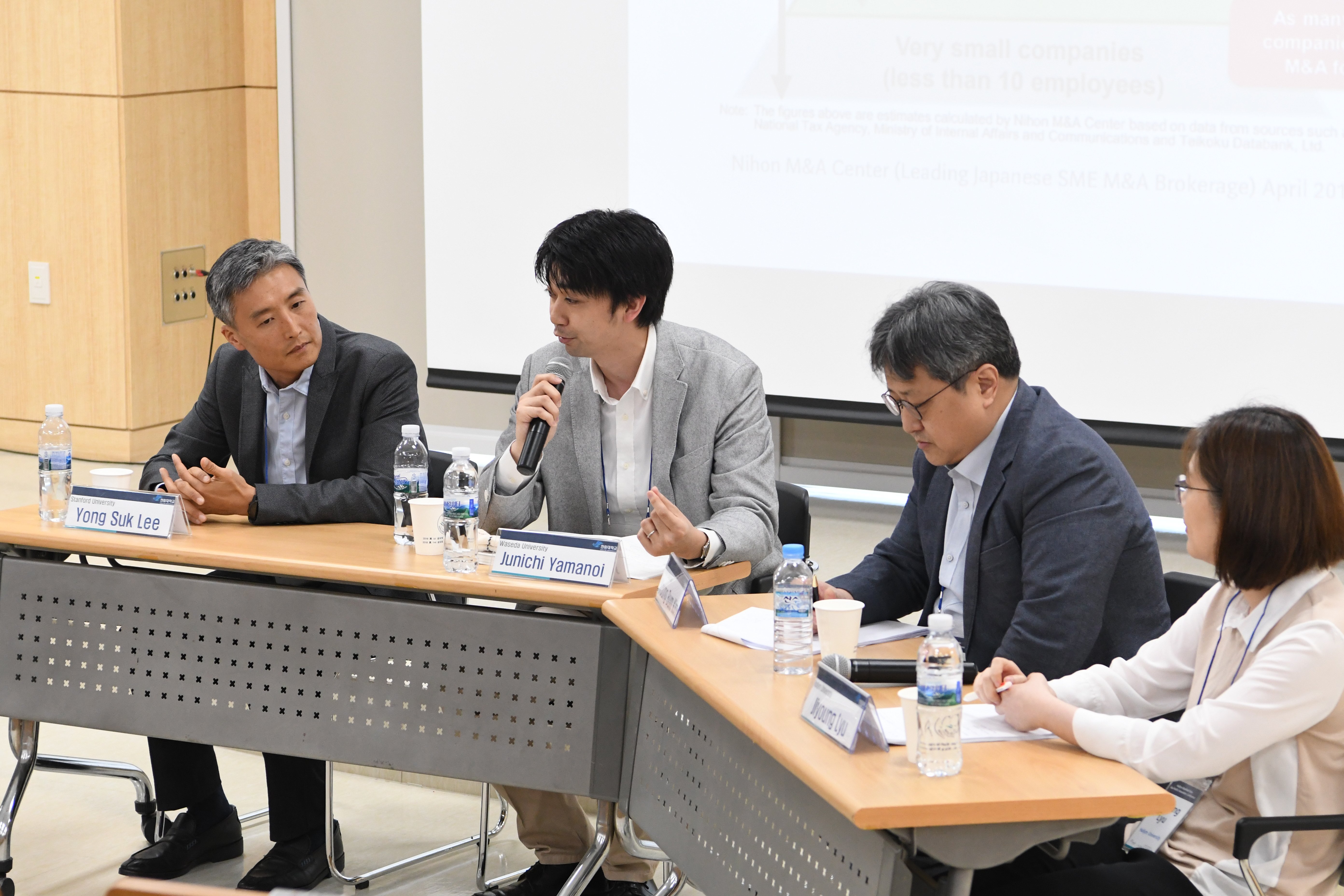
 Yong Suk Lee , Junichi Yamanoi , Young-Bum Kim, and Jiyoung Liu seated at a table

(From left to right, Yong Suk Lee , Junichi Yamanoi , Young-Bum Kim, and Jiyoung Liu)

Family Business Succession

Demographic forces and population aging at the macro level are altering family structures and assumptions at the micro level. For example, Junichi Yamanoi of Waseda University presented a study that examined how expectations around managerial succession at family firms had a significant impact on a firm’s long-term investments.

The study surveyed over 15,000 small and medium enterprises (SMEs) in the Tokyo metropolitan area. The participants were initially asked about their firm’s attributes, CEO demographics, and succession expectations. More than a year later (a time lag that eliminated reverse causality), a sampling of respondents was then asked about their current long-term investments (e.g., R&D, new product development, and internationalization activities).

Yamanoi and his coauthors found that, when a family business’ CEO was confident that a successor would follow, their firm was more likely to engage in long-term investment. Additionally, a CEO’s expectations that the successor would be someone other than their child resulted in an even greater likelihood of long-term investment.

As part of its policy propositions, the study recommends that government agencies and SME officers eager to increase investments by SMEs introduce external candidates to such firms. Moreover, family CEOs should be cautioned against investment decisions that are too short-term in orientation, as, due to inherent aversion to losses of socioemotional wealth for the family, they may unconsciously avoid long-term investments.

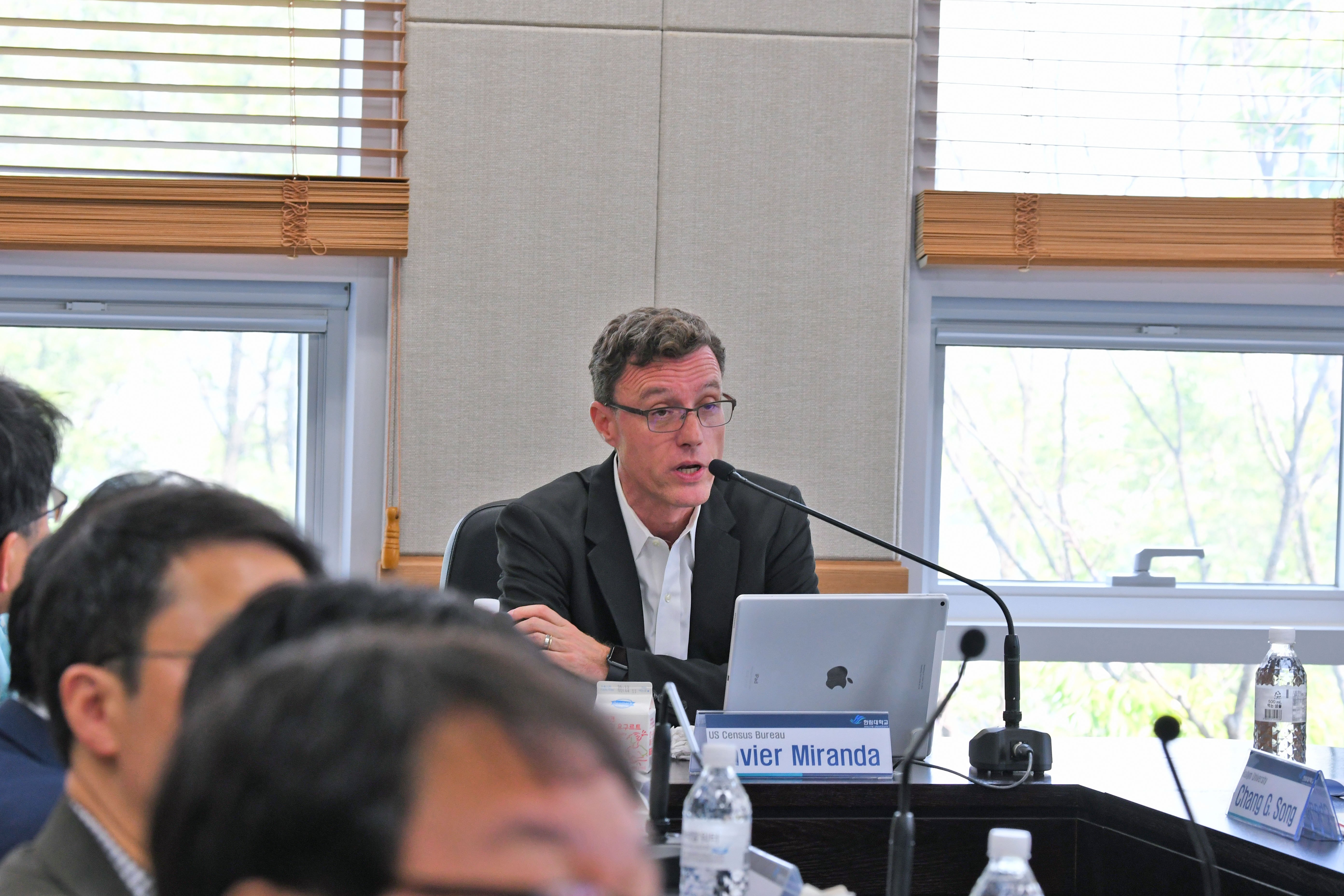
Javier Miranda presents at table

(Javier Miranda)

Rethinking Age and Entrepreneurship

At a luncheon keynote address, Javier Miranda, principal economist at the U.S. Census Bureau,  shared insights into the correlations between age and high-growth entrepreneurship, considering when in life people start firms and when they start the most successful firms.

Miranda acknowledged that youth is often perceived as being crucial to entrepreneurial success, referring to Mark Zuckerberg’s dictum, “Young people are just smarter.” Venture capitalist (VC) activity seems to support this notion, said Miranda, citing a sample of 35 VC-backed “unicorns” that resulted in a mean founder age of 31. He explained that VCs' high regard of young entrepreneurs may be attributed to a belief in young people's greater deductive reasoning, transformative thinking, and higher energy, optimism, and confidence.

But does the statistical evidence support such a view? It would seem not. Miranda’s data showed that the mean age for founders of any type of firm is 41.9. Furthermore, the mean age for founders of the most successful firms (those ready for Initial Public Offering market) was 45, and a founder at age 50 was approximately twice as likely to experience successful exit or high growth compared to a founder 20 years their junior.

In fact, dependent on the starting of a firm, the probability of a founder’s success peaked in the age range of 45-59. Pointing directly to entrepreneurs like Jobs and Bezos, Miranda conceded that even extremely talented people, who may be talented enough to succeed when young, peaked in middle age.

The results of Miranda’s study seem at odds with VC attraction to younger entrepreneurs. Experience, Miranda concluded, appeared to overwhelm any potential age advantage, but more research was needed to unpack the underlying predictors of entrepreneurial success over one’s life cycle.

Role of Technology in an Aging Populace

Day two of the conference focused on the promising role technology may play as populations age. APARC Research Scholar Kenji Kushida detailed both the current and impending problems Japan faces as its population both ages and shrinks in size, and the solutions possible through technological advancement like robotics, AI, and wearable devices.

For example, Japan’s demographic shift has had a double knock-on effect on agriculture, with the percentage of farm workers age 65 or older steadily rising over the last five years and the total cultivated agricultural land decreasing each passing year. Kushida described how ICT-enabled bulldozers allow farm owners to more precisely flatten the ground in rice paddies, resulting in both greater yields and cost savings as much as 40%.

Healthcare is another significant area of concern in Japan, as healthcare costs for people over 65 are four times that of younger people and medical costs as a proportion of GDP have been increasing sharply, especially in rural areas. Shortage of physicians and diagnostic technicians is another challenge. Kushida gave an example of a technology healthcare resource that enables clinics and hospitals to upload patient medical images which are then diagnosed by medical doctors affiliated with the tool's startup developer. This low-cost solution allows smaller, rural hospitals to tap into a larger network of physicians and specialists online.

While Japan’s technological trajectory has been driven primarily by the private sector, Kushida pointed out the important role played by government actors. Specifically, within the “Abenomics” reforms of Prime Minister Shinzo Abe, several key performance indicators include support for digitizing medical records, adoption of robotics in nursing care, and extending “healthy” life expectancy.

Edited volumes collecting the papers from the annual Stanford Asia-Pacific Innovation conferences are forthcoming. These will serve as valuable references for scholars and policymakers. The first conference was held at Stanford in 2017, and examined the industrial organization of businesses and innovation clusters and how such environments affect entrepreneurship. The second conference, held in September of 2018 in Beijing, analyzed the impact of public education and financial policies pursued by East Asian countries to promote entrepreneurship.

Presenters gathered on stage


Hero Image
Gi-Wook Shin standing at Podium at Innovation Conference
All News button
1
Subscribe to Health and Medicine