FSI’s researchers assess health and medicine through the lenses of economics, nutrition and politics. They’re studying and influencing public health policies of local and national governments and the roles that corporations and nongovernmental organizations play in providing health care around the world. Scholars look at how governance affects citizens’ health, how children’s health care access affects the aging process and how to improve children’s health in Guatemala and rural China. They want to know what it will take for people to cook more safely and breathe more easily in developing countries.
FSI professors investigate how lifestyles affect health. What good does gardening do for older Americans? What are the benefits of eating organic food or growing genetically modified rice in China? They study cost-effectiveness by examining programs like those aimed at preventing the spread of tuberculosis in Russian prisons. Policies that impact obesity and undernutrition are examined; as are the public health implications of limiting salt in processed foods and the role of smoking among men who work in Chinese factories. FSI health research looks at sweeping domestic policies like the Affordable Care Act and the role of foreign aid in affecting the price of HIV drugs in Africa.
Center members are cordially invited to the Shorenstein APARC 2019 - 2020 Orientation Luncheon on Tuesday, October 1, 2019. Please come join us to meet new colleagues and learn about research and projects taking place this year, while enjoying lunch together.
Please also join us on the morning of October 1 for a professional photoshoot. Photos will be used for the Shorenstein APARC directory board and website
Your previous research with this team helped identify the types of radioactive particles that can become airborne and were transported away from Fukushima during the 2011 nuclear disaster.
This most recent paper goes further to show how these Cesium (Cs)-rich silica particles behave in several types of fluids, including simulated human lung fluid, concluding that the particles are fully dissolved in the latter after more than 35 years. What might that mean for human health in the Fukushima area and beyond?
The first breakthrough was the recognition that such particles, a few microns in diameter, existed, a discovery by Japanese scientists at the Meteorological Research Institute, Tsukuba, in 2013. The particles are important because they were dispersed over distances of tens of kilometers and were “carriers” of highly radioactive Cs. Our team’s previous work, led by Professor Satoshi Utsunomiya, mainly focused on the characterization of the particles and their constituents at the atomic-scale and surveyed their distribution in the area away from the Fukushima Daiichi nuclear power plants. Our earliest work from 2016 can be found online. A good summary of the history of the work on these cesium-rich microparticles was recently published in Scientific American.
This latest paper published in Chemosphere is the 6th in a series of papers on the Cs-rich microparticles. We describe the behavior of these particles when exposed to different types of fluids: ultra-pure water, artificial sea water and simulated lung fluid. The microparticles dissolve in all three fluids, reaching a long-term but a continuing, slow rate of release after just three days. Essentially, the calculated release rate of cesium depends on the rate of dissolution of the silica glass matrix and the initial size of the particles. In the simulated lung fluid, the particles are modelled to fully dissolve after more than 35 years.
What is the simulated lung fluid made of, and how does it work in simulation? How do you estimate 35 years?
The constituents of typical lung fluid were simply mixed to simulate its composition based on a recipe reported by previous studies. The lung fluid is different from the other solutions because it contains organic compounds and has a different chemistry, i.e., higher sodium and chlorine content. The estimates of residence time in the body assumes that the particles are inhaled and find their way to the pulmonary system. The calculation of residence time is based on assumptions about the size and composition of the microparticles, and we used the long-term release rate from the experiments. We assumed a spherical shape and a constant decrease in size as the leaching process continued. The rate can vary depending on the actual shape, internal texture, composition (such as occurrence of intrinsic Cs-phase inclusions), and precipitation of secondary phases that may form a “protective” coating on the cesium-rich microparticles (CsMPs). The rate of release was fastest in the simulated lung fluid.
The important result is to realize that the Cs-rich silica particles dissolve slowly in the environment and in the body. Essentially, the release extends for several decades.
How can nuclear energy experts and policy makers use this research to avoid future risk?
Understanding the form and composition of materials that host and disperse radionuclides is the first step in completing a careful dose calculation. Based on these results, the fraction of Cs contained in the silica particles will not be rapidly “flushed” through the environment or the body, but rather will be released over several decades.
Mariam Noorulhuda has seen health disparities up close in the developing world, particularly in Afghanistan, where she interned at a hospital in Kabul last summer.
“There was a shortage of trained health-care professionals, especially women, poor facility conditions, and insecurity,” she said. “Our hospital was minutes away from multiple bombings.”
Noorulhuda is a rising senior and one of six Stanford undergraduates chosen for the inaugural class of Stanford Health Policy Undergraduate Research Fellows. From a variety of disciplines, they will spend this summer partnered with SHP faculty to work on research projects. The students were chosen for their desire to blend health policy with their own undergraduate studies.
Noorulhuda’s Story
Mariam Noorulhuda
Noorulhuda’s family first fled Afghanistan during the Soviet invasion in 1979. They made it to a refugee camp in neighboring Pakistan, where an infant brother died for lack of health care. They returned to Kabul after the Soviets left in 1991, but the country fell back into civil war.
That is when she lost another brother, as health-care infrastructure was demolished after much of the capital was destroyed in bombings. When the Taliban targeted her father for his resistance efforts, they fled again and were granted asylum in the United States in 1997. Though raised in the Bay Area, many family members remain in Afghanistan.
“Much of my family has been affected by the brutal impact that war has on health — not entirely through bombs and bullets per say — but through indirect effects like displacement and virtually nonexistent health systems,” said Noorulhuda, a history major with a minor in human rights.
She will work with SHP’s Eran Bendavid, an infectious diseases physician and associate professor of medicine who focuses on the impact of health policies and outcomes in developing countries. He is the fellowship coordinator for this inaugural summer program.
Impact of Health Policy
"There is a growing recognition that health policy impacts just about every facet of human experience and well-being, and we see students picking up on that earlier and earlier,” said Bendavid. “The scholarship at SHP — from the effects of gun ownership or armed conflict to quality of care and guideline development — is an exceptional environment for gaining experience and a deep-dive into health policy research."
The fellowships were made possible with generous support from Stanford political scientist Scott Sagan, and his wife Sujitpan Bao Lamsam, vice chairman of Kasikornbank in Thailand. Sagan is a senior fellow at the Center for International Security and Cooperation who focuses on nuclear strategy, the ethics of war and the safety of hazardous technology.
“One of the great strengths of Stanford is the opportunity for undergraduates to get deeply involved in faculty research projects,” said Sagan, whose daughter Charlotte Sagan (BA, `15) was a research assistant in health policy while at Stanford. “We wanted to help create such opportunities for future students.”
Tiffany Liu
Tiffany Liu just finished her freshman year and has yet to declare her major, though she’s thinking symbolic systems, the study of human-computer interaction.
“Both fields incorporate so many diverging perspectives and methods in order to solve salient issues,” said Liu, who will work with Jason Wang, an associate professor of pediatrics who looks at the use of innovative technology to improve quality of care and health outcomes.
“I’m eager to engage in health policy research through a mix of technical and non-technical methods — we can process and analyze data in so many more interesting ways using computers, and yet we can’t ever lose the humanistic aspect of health initiatives,” Liu said.
Nikhil Shankar, also a rising senior, is an economics major. He jumped at the health policy fellowships because he believes applied economics can have “real-world impact.”
He will be working with SHP’s Grant Miller, a senior fellow at the Freeman Spogli Institute for International Studies and director of the Stanford King Center on Global Development. They will examine the impact of population policy on child health outcomes by gender in China.
Nikhil Shankar
“Effective health policy, informed by sound research, plays a vital role in ensuring that every child has the capabilities needed to achieve their potential,” Shankar said. “I hope to be a small part of the global community of researchers, policymakers and advocates working to ensure equitable and affordable health care for all.”
Health-care inequality driven by factors beyond the control of individuals is something that troubles Andrea Banuet, a human biology major and another a rising senior.
“Factors such as socioeconomic status, age, ethnic and racial backgrounds should not determine the type of care an individual can attain — but the really sad reality is that in many parts of our country, it does.”
She believes that policy informed by research has the power to combat institutional biases and promote change in health-care accessibility. She will be working Kathryn M. McDonald, executive director of CHP/PCOR, an expert on health-care quality and patient safety.
Conrad Milhaupt is another rising senior with a double major in economics and public policy.
“I have a passion for the intersection of economics, politics and policy, with a particular focus on health and environmental policy,” said Milhaupt, who will work with SHP’s Jay Bhattacharya, a professor of medicine and economics.
Milhaupt took Bhattacharya’s health economics class in his sophomore year and became intrigued by the discrepancies in costs for health services with only marginal differences in outcomes. He is particularly interested in health care in rural America and ways that changes to our public-private insurance mix may improve access to care and help manage costs.
“Ultimately, I am driven to study this topic by my belief that health care is a human right and that health is an integral aspect of every individual’s life,” he said.
Conrad Milhaupt
Calvin Tolbert, with funding from the Office of the Vice Provost for Teaching and Learning, will work with Eric Sun, an economist and assistant professor of anesthesiology who researches consolidation in physician markets and the economics of pain treatments.
Tolbert is a rising junior majoring in economics and classics, with a minor in mathematics.
“The thing that initially drew me to economics was the fact that it was both math-intensive and pertinent to public policy, which is a keen interest of mine,” he said.
He will be working on a project that looks at physician compensation across countries and the wide gap in costs and access to medical care and drugs.
“This is an area that first caught my eye, when I read accounts of medical tourism in the news, including both people from developing countries who come to America for serious procedures and Americans who visit other countries to receive treatment due to the expense of medical care in this country.”
A new study by Stanford economists shows that giving fathers flexibility to take time off work in the months after their children are born improves the postpartum health and mental well-being of mothers.
In the study, slated for release by the National Bureau of Economic Research on June 3, Petra Persson and Maya Rossin-Slater examined the effects of a reform in Sweden that introduced more flexibility into the parental leave system. The 2012 law removed a prior restriction preventing a child’s mother and father from taking paid leave at the same time. And it allowed fathers to use up to 30 days of paid leave on an intermittent basis within a year of their child’s birth while the mothers were still on leave.
The policy change resulted in some clear benefits toward the mother’s health, including reductions in childbirth-related complications and postpartum anxiety, according to their empirical analysis.
“A lot of the discussion around how to support mothers is about mothers being able to take leave, but we often don’t think about the other part of the equation — fathers,” says Rossin-Slater, an assistant professor of health research and policy.
“Our study underscores that the father’s presence in the household shortly after childbirth can have important consequences for the new mother's physical and mental health,” says Persson, an assistant professor of economics.
Rossin-Slater and Persson are both faculty fellows at the Stanford Institute for Economic Policy Research.
Among their main findings of effects following the reform: Mothers are 14 percent less likely to need a specialist or be admitted to a hospital for childbirth-related complications — such as mastitis or other infections — within the first six months of childbirth. And they are 11 percent less likely to get an antibiotic prescription within that first half-year of their baby’s life.
There is also an overall 26 percent drop in the likelihood of any anti-anxiety prescriptions during that six-month postpartum period — with reductions in prescriptions being most pronounced during the first three months after childbirth.
What’s more, the study found that the average new father used paid leave for only a few days following the reform — far less than the maximum 30 days allowed — indicating how strong of a difference a couple of days of extra support for the mother could make.
“The key here is that families are granted the flexibility to decide, on a day-to-day basis, exactly when to have the dad stay home,” said Persson. “If, for example, the mom gets early symptoms of mastitis while breastfeeding, the dad can take one or two days off from work so that the mom can rest, which may avoid complications from the infection or the need for antibiotics.”
These indirect benefits from giving fathers workplace flexibility are not trivial matters when you consider the health issues mothers often face after childbirth and after they get home from the hospital, says Rossin-Slater, who is also a faculty member of Stanford Health Policy.
Infections and childbirth complications lead to one out of 100 women getting readmitted to the hospital within 30 days in the United States, according to the study.
Meanwhile, postpartum depression occurs for about one out of nine women, and maternal mortality has also been a rising trend over the past 25 years in the U.S.
The study comes as a growing number of lawmakers in the United States vocalize support for paid family leave but have failed to pass federal legislation.
Washington, D.C., and six states have adopted various paid family leave laws, but the U.S. remains the only industrialized nation in the world that does not have a national mandate guaranteeing a certain amount of paid parental leave.
Some federal lawmakers are working on family leave measures and have proposed such legislation over the past few years — including The Family Act, The New Parents Act — but none of them have ever gained enough traction to proceed in Congress.
This new study can help broaden the policy discussions, the researchers say.
The larger context around paid family leave policies is often framed today as a way to help narrow the gender wage gap by giving women more workplace flexibility and fewer career setbacks.
This study, however, shines a light on maternal health costs and how a policy on paid family leave — that includes workplace flexibility for the father — offers more benefits than previously thought, Rossin-Slater says.
“It's important to think not only about giving families access to some leave, but also about letting them have agency over how they use it,” she says.
And when it comes to concerns that fathers might use paid parental leave to goof off instead of spending the time as intended, the researchers say their study should assuage those worries.
“It's not like fathers are going to end up using a whole month to just stay home and watch TV. We don't find any evidence of that,” Rossin-Slater says. “Instead they only use a limited number of days precisely when the timing for that seems most beneficial for the family.”
“For all these reasons,” Persson says, “giving households flexibility in how to use paternity leave makes a lot of sense.”
Type 2 diabetes has become a major public health problem in South Asia in recent decades. The region is now home to an estimated 84 million people suffering from diabetes—approximately one-fifth of the world’s 451 million adults with diabetes—a number that is expected to rise by 78% by 2045. Even more concerning, across South Asia the disease burden increasingly occurs in the most productive midlife period. Among Indians, for example, diabetes is estimated to occur on average 10 years earlier than their western counterparts, and almost half of Indian patients with type 2 diabetes are diagnosed before age 40.
How do South Asian health system influence diabetes care? What is the magnitude of the economic impact of diabetes in South Asia? And what can be done to mitigate that economic burden? These are some of the questions that a team of researchers, including Karen Eggleston, APARC’s deputy director and director of the Asia Health Policy Program, set out to answer in a new study published in the journal Current Diabetes Reports.
Eggleston co-authored the study with Kavita Singh of the Public Health Foundation of India and the Centre for Chronic Disease Control in New Delhi, and with M. Venkat Narayan, Professor of Medicine and Epidemiology and Director of the Global Diabetes Research Center at Emory University. They find that diabetes-related complications lead to enormous treatment costs, causing catastrophic medical spending and illness-induced poverty for many households.
The new study is related to a broader research project led by Eggleston, entitled Net Value in Diabetes Management, that compares health care use, medical spending, and clinical outcomes for patients with diabetes as a lens for understanding the economics of caring for patients with complicated chronic diseases across diverse health systems. This international collaborative research convenes teams of clinicians and health economists in ten countries (and growing) across Asia, as well as the United States and The Netherlands. Together, they analyze big data—detailed, longitudinal patient-level information for large samples from each country, including millions of records of clinical encounters, health-check-up, and medical spending—to compare the health care use and patient outcomes for adults with type 2 diabetes in their health systems.
In the new publication, Eggleston and her co-authors first introduce several unique features that characterize the type 2 diabetes epidemic in South Asia. These include a high risk of developing diabetes even at lower levels of body mass index than observed among western populations; a high prevalence of glucose intolerance, low levels of HDL cholesterol, and high levels of triglycerides; a relationship between impaired fetal nutrition, diabetes, and cardiovascular risk; and the likelihood of rapid urbanization impacting the diabetes burden of the wealthy and the underprivileged differently.
Furthermore, South Asian countries face difficult challenges in delivering diabetes care. The health sector in the region has little organized financing, leading to heavy out-of-pocket spending by patients. Limited availability and affordability of anti-diabetic drugs is a major driver of lower use of such medicines. These factors, combined with a general lack of health care professionals and infrastructural resources and low quality of healthcare governance, all contribute to poor health outcomes.
Eggleston and her co-authors assess the current literature on the economic impact of diabetes in South Asia. They show that, compared with the high prevalence of diabetes in South Asian countries, the total health spending as a percentage of GDP in the region has remained low and fairly constant (3-4% in most countries) over the last two decades, with less than 1% of GDP spent on healthcare by the government, and a miniscule 0.2% by pre-paid private insurance, resulting in a large proportion of out-of-pocket healthcare spending. The financial burden of diabetes and its complications can therefore have catastrophic implications for households that are often driven to sacrifice disastrous proportions of their income to cover treatment costs.
Diabetes causes premature mortality, high morbidity, and disability. To mitigate the economic and social welfare burden of the disease, the researchers conclude, policymakers in South Asia must take urgent action “to increase investment in evaluating cost-effective strategies to manage diabetes and preventative approaches.” The team offers a set of policy recommendations, including monitoring the economic burden of diabetes and the quality of care; focusing on the screening and prevention of diabetes and its risk factors; strengthening government health facilities and primary care services; expanding access to affordable, essential medicines, and more.
People today can generally expect to live longer and, in some parts of the world, healthier lives. The substantial increases in life expectancy underlying these global demographic shifts represent a human triumph over disease, hunger, and deprivation, but also pose difficult challenges across multiple sectors. Population aging will have dramatic effects on labor supply, patterns of work and retirement, family and social structures, healthcare services, savings, and, of course, pension systems and other social support programs used by older adults. Individuals, communities, and nations around the world must adapt quickly to the demographic reality facing us and design new approaches to financing the many needs that come with longer lives.
This imperative is the focus of a newly published special issue of The Journal of the Economics of Ageing, entitled Financing Longevity: The Economics of Pensions, Health and Long-term Care. The special issue collects articles originally written for and discussed at a conference that was dedicated to the same topic and held at Stanford in April 2017 to mark the tenth anniversary of APARC’s Asia Health Policy Program (AHPP). The conference convened top experts in health economics and policy to examine empirical and theoretical research on a range of problems pertinent to the economics of aging from the perspective of sustainable financing for long lives. The economics of the demographic transition is one of the research areas that Karen Eggleston, APARC’s deputy director and AHPP director, studies. She co-edited the special issue with Anita Mukherjee, a Stanford graduate now assistant professor in the Department of Risk and Insurance at the Wisconsin School of Business, University of Wisconsin-Madison.
The contributions that originated from the conference and are collected in the Journal’s special issue cover comparative research on more than 30 European countries and 17 Latin American countries, as well as studies on Australia, the United States, India, China, and Japan. They analyze a variety of questions pertinent to financing longevity, including how pension structures may exacerbate existing social inequalities; how formal and informal insurance interact in securing long-term care needs; the ways in which the elderly cope with caregiving and cognitive decline; and what new approaches might help extend old-age financial security to those working outside the formal sector, which is a major concern in low-income countries.
Another challenge of utmost importance is the global pension crisis, caused due to committed payments that far exceed the saved resources. It is a problem that Eggleston and Mukherjee highlight in their introduction to the special issue. By 2050, they note, the pension gap facing the world’s eight largest pension systems is expected to reach nearly US $400 trillion. The problem cannot be ignored, as “the financial security of people leading longer lives is in serious jeopardy.” Indeed four of the eight research papers in the special issue shed light on pensions and inequality in income support for older adults. The other four research papers focus on health and its interaction with labor force participation, savings, and long-term care.
The issue also features two special contributions. The first is an interview with Olivia S. Mitchell, a professor at the University of Pennsylvania’s Wharton School and worldwide expert on pensions and ageing. Mitchell explains the areas offering the most promise and excitement in her field; discusses ways to encourage delayed retirement and spur more saving; and suggests several priority areas for future research. The latter include applying behavioral insights to questions about retirement planning, improving financial literacy, and advancing innovations to help people imagine themselves at older ages and save more for their future selves.
The second unique contribution is a perspective on the challenges of financing longevity in Japan, based on the keynote address delivered at the 2017 Stanford conference by Mr. Hirotaka Unami, then senior Director for policy planning and research of the Minister’s secretariat of the Japan Ministry of Finance and currently deputy director general with the Ministry’s Budget Bureau.
In Japan, decades of improving life expectancy and falling birth rates have produced a rapidly aging and now shrinking population. Data released by Japan’s Statistics Bureau ahead of Children's Day on May 5, 2019 reveal that Japan’s child population (those younger than 15) ranks lowest among countries with a total population exceeding 40 million. In his piece, Unami focuses on the difficult tradeoffs Japan faces in responding to the increase in oldest-old population (people aged 75 and over) and the overall population decline. Japan aspires to do so through policies that are designed to restore financial sustainability for the country’s social security system, including the medical care and long-term care insurance systems.
Unami argues that Japan must simultaneously pursue a combination of increased tax revenues, reduced benefit growth, and accelerated economic growth. He notes that these three-pronged efforts require action in five areas: review Japan’s pension policies; reduce the scope of insurance coverage in low-risk areas; increase the effectiveness of health service providers; increase a beneficiary’s burden according to their means; and enhance policies for preventive health care for the elderly.
The aging of our world’s population is a defining issue of our time and there is pressing need for research to inform policies intended to improve the financial well-being of present and future generations. The articles collected in the Financing Longevity special issue and the ongoing work by APARC’s Asia Health Policy Program point to multiple areas ripe for such future research.
SCHWEDT, GERMANY: Medical doctor Amin Ballouz chats with local residents while making housecalls on April 30, 2013 in the village of Gartz an der Oder near Schwedt, Germany. Ballouz was born in Lebanon and moved to Germany as a child, and has had a general practitioner's practice in the small, east German town of Schwedt since 2010. Many of his patients are elderly and live in small villages in the region around Schwedt and Ballouz travels daily in one of his five Trabant cars to pay housecalls. Eastern Germany faces a chronic shortage of country doctors to serve rural communities. | Getty Images — Theo Heimann / Stringer
Professor Ertharin Cousin has been fighting to end global hunger for decades. As executive director of the World Food Programme from 2012 until 2017, she led the world’s largest humanitarian organization with 14,000 staff serving 80 million vulnerable people across 75 countries. As the US ambassador to the UN Agencies for Food and Agriculture, she served as the US representative for all food, agriculture, and nutrition related issues.
Prior to her global work, Cousin lead the domestic fight to end hunger. As chief operating officer at America’s Second Harvest (now Feeding America), she oversaw operations for a confederation of 200 food banks across America that served more than 50,000,000 meals per year.
Stanford School of Medicine Senior Communications Strategist Paul Costello will interview Professor Cousin about her experiences, unique pathway, and the way forward for ending the global hunger crisis.
U.S. government aid for treating children and adults with HIV and malaria in developing countries has done more than expand access to lifesaving interventions: It has changed how people around the world view the United States, according to a new study by researchers at the School of Medicine.
Compared with other types of foreign aid, investing in health is uniquely associated with a better opinion of the United States, improving its “soft power” and standing in the world, the study said.
Favorability ratings of the United States increased in proportion to health aid from 2002 to 2016 and rose sharply after the implementation of the President’s Emergency Plan for AIDS Relief in 2003 and the launch of the President’s Malaria Initiative in 2005, the researchers report.
“Using data on aid and opinions of the United States, we found that investments in health offer a unique opportunity to promote the perceptions of the United States abroad, in addition to disease burden relief,” the authors wrote. “Our study provides new evidence to support the notion that health diplomacy is a net win for the United States and recipient countries alike.”
The Trump administration, however, has proposed a 23% cut in foreign aid in its 2020 budget, including large reductions to programs that fight AIDS and malaria overseas.
The Stanford researchers believe their study is the first to add heft to the argument that U.S. health aid boosts the “soft power” that wins the hearts and minds of foreign friends and foes.
“Our study shows that investing in health aid improves our nation’s standing abroad, which could have important downstream diplomatic benefits to the United States,” Jakubowskisaid. “Investments in health aid help the United States accumulate soft power. Allowing the U.S. reputation to falter would be contrary to our own interests.”
A Policy Debate
Many politicians and economists consider spending U.S. tax dollars on foreign aid as an ineffective, and possibly harmful, enterprise that goes unappreciated and leads to accusations of American meddling in other countries’ national affairs.
The U.S. government, for the past 15 years, has contributed more foreign health aid than any other country, significantly reducing disease burden, increasing life expectancy and improving employment in recipient countries, the authors wrote. Still, this generosity has historically constituted less than 1% of the U.S. gross domestic product.
“Our results suggest that the dollars invested in health aid offer good value for money,” the researchers wrote. “That is, the relatively low investment in health aid (in terms of GDP) has provided the United States with large returns in the form of improved public perceptions, which may advance the U.S. government’s ability to negotiate international policies that are aligned with American priorities and preferences.”
The researchers used 258 Global Attitudes Surveys, based on interviews with more than 260,000 respondents, conducted by the Pew Research Center in 45 low- to middle-income countries between 2002 and 2016.
Their analysis focused on the health sector, which includes several large programs for infectious disease control, but also support for nutrition, child health and reproductive health programs. They compared health aid to other major areas of U.S. investment: governance, infrastructure, humanitarian aid and military aid. They also constructed a database of news stories that mentioned the President’s Emergency Plan for AIDS Relief or the President’s Malaria Initiative by crawling through the online archives of the top three newspapers by circulation in each of the 45 countries.
They found that the probability of populations holding a very favorable opinion of the United States was 19 percentage points higher in the countries where and years when U.S. donations for health care were highest, compared with countries where and years when health aid donations were lowest. Using another metric, the researchers found that every additional $100 million in health aid was associated with a nearly 6 percentage-point increase in the probability of respondents indicating they had a “very favorable” opinion of the United States.
In contrast, the researchers found, aid for governance, infrastructure, humanitarian and military purposes was not associated with a better opinion of the United States.
Bendavid, an infectious diseases physician and core faculty member of Stanford Health Policy, said that when he set out to conduct this research, he believed it would result “in a resounding thud” — that the “soft power” of health aid would have no impact on public opinion.
“For me, the notion that this program — hatched and headquartered in D.C. — would have impacts among millions in Nairobi and Dakar, seemed farfetched,” Bendavid said. “I was incredulous until all the pieces were in place.”
The ‘America First’ Agenda
The Trump administration’s “America First” agenda is calling for significant cuts to global health aid, particularly to the highly successful AIDS relief program, which was established by President George W. Bush. The administration’s budget, released in March, proposed a $860 million cut to the program; the President’s Malaria Initiative is facing a $331 million reduction in federal funding. That’s a decline of 18% and 44%, respectively.
The U.S. contribution to the Global Fund to Fight AIDS, Tuberculosis and Malaria would also decline by 17%, or $225 million, according to the Kaiser Family Foundation.
Yet beyond the reputational damage to the United States, such cuts could be a major setback to improving health outcomes in developing countries, the researchers said. After all, HIV knows no borders, and having more resilient health care systems is instrumental when facing public health crises, such as the Ebola outbreak in the Democratic Republic of Congo, Jakubowski said.
“The most direct impact of cutting the United States’ health aid allocations is the potential to undermine or reverse the progress that has been enabled by U.S. aid in curbing mortality and the spread of disease,” Bendavid said. “However, this study suggests there are also repercussions to the United States: the relationships the U.S. has built with recipient nations could also be undermined.”
Other Stanford co-authors are Steven Asch, MD, MPH, professor of medicine, and former graduate student Don Mai.
Stanford’s Department of Medicine supported the work.
Hero Image
HARBEL, LIBERIA—Workers unload medical supplies to fight the Ebola epidemic from a USAID cargo flight on August 24, 2014 in Harbel, Liberia. | Photo by John Moore/Getty Images
斯坦福大学创新设计研究中心将于 2019 年 6 月 6 日至 8 日在北京大学斯坦福中心 (Stanford Center at Peking University)举办“监管科学与生物医学创新论坛”。 该论坛是一个 高端的国际讨论会议,今年的主题是 — 如何更好的使用真实世界证据对监管决策形成帮助,找 出医学创新产品的安全性和有效性评价中的挑战以及达成需要优先研究的一些共识,同时探索 政府监管部门、大学研究机构、工业界共同合作以应对这些挑战的机制。
Over the last decade, significant strides have been made in medical research, which leads to great improvement in human health. During this period, Chinese government has made important progress in promoting and managing medical innovations. Chinese FDA is now a formal agency member of the international council for harmonisation of technical requirements for pharmaceuticals for human use (ICH). With further integration of China into the global pharmaceutical research and development, how government regulatory agencies, the related law and regulations can promote industry innovation, while enhance their accountability and responsibility remains an important question. This forum is organized to address this need.
This forum provides a platform for high-level discussions on this topic by Chinese and US scholars from academia, experts from the Chinese Food and Drug Administrations, and R&D experts from biomedical industries. On June 7-8, 2019, the forum will host keynote speech sessions, invited talks, and panel discussion sessions. With collaborations from Chinese evidence based medicine association, we will discuss methods and policy related to monitoring drug safety, novel clinical trial design, and applications of modern statistical, AI and machine learning methods in drug development. On June 6, 2019, a one-day short course will be offered on "Statistical Methods for Medical Product Safety Evaluation."
Through this brainstorming and exchange, we want to identify research priorities and collaborative mechanisms for international scholars from academia, regulatory agencies and industry working together to promote biomedical innovations in an efficient and orderly manner.
China possesses a large amount of historical demographic data showing that it has been a population giant in the world for at least two thousand years. Partly for this reason, a number of conclusions or suggestions about China’s past fertility regime have been widely accepted. Recent historical demographic investigations, however, have shown that many of these conclusions or suggestions are incorrect and need further consideration. This presentation reports these research findings and briefly examines China’s recent fertility changes. On the basis of that it makes some comments on major characteristics of China’s current fertility patterns and factors affecting fertility changes in the near future.
Image
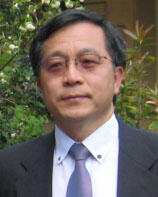
Zhongwei Zhao graduated from University of Cambridge with a PhD in 1993. Since then he has worked at the East-West Center, Hawaii, University of New South Wales, Australian National University, and University of Cambridge. Since 2008, he has been a professor at the School of Demography at the ANU. Zhao has been doing research in the following research areas: Historical demography, Computer microsimulation, Fertility, Mortality, Changes in kinship structure and household composition, Famine demography, Inequality in population health, Environmental impacts on mortality changes, and Population changes in Asia. He has co-edited three books (including recent Routledge Handbook of Asian Demography) and published many articles and book chapters by leading demography journals and academic publishers.
Zhao, Zhongwei
Professor, The School of Demography at the Australian National University



 Mariam Noorulhuda
 Tiffany Liu
 Nikhil Shankar

 Conrad Milhaupt
 “The thing that initially drew me to economics was the fact that it was both math-intensive and pertinent to public policy, which is a keen interest of mine,” he said.