International Development

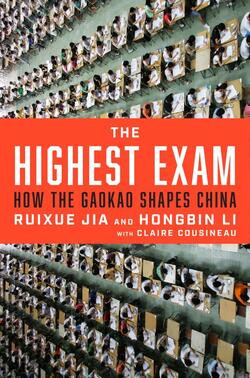
FSI researchers consider international development from a variety of angles. They analyze ideas such as how public action and good governance are cornerstones of economic prosperity in Mexico and how investments in high school education will improve China’s economy.

They are looking at novel technological interventions to improve rural livelihoods, like the development implications of solar power-generated crop growing in Northern Benin.

FSI academics also assess which political processes yield better access to public services, particularly in developing countries. With a focus on health care, researchers have studied the political incentives to embrace UNICEF’s child survival efforts and how a well-run anti-alcohol policy in Russia affected mortality rates.

FSI’s work on international development also includes training the next generation of leaders through pre- and post-doctoral fellowships as well as the Draper Hills Summer Fellows Program.

-

Virtual participation available via Zoom using the link above. Zoom Meeting ID: 997 4878 4037, Passcode: 998456

We invite our virtual participants to join in celebrating Marcel Fafchamps' distinguished career. Following the keynote address, at 10:00 AM PST, there will be an opportunity for online attendees to offer brief remarks or words of appreciation to honor Professor Fafchamps and his many contributions to scholarship, mentorship, and our academic community. Your reflections are a valued part of this special occasion.

Unfinished Business: A Tribute to Marcel Fafchamps

Join us for a full-day academic symposium celebrating the career and contributions of economist Marcel Fafchamps, Satre Family Senior Fellow at the Freeman Spogli Institute for International Studies, on the occasion of his retirement. Featuring a keynote by Marcel himself, this tribute brings together colleagues, collaborators, and students to engage with the themes and ideas that have shaped his influential work in development economics, labor markets, and social networks.

The day will feature in-depth paper presentations, rapid-fire research talks, and engaging discussions with scholars, including Stefano Caria (University of Warwick), Pascaline Dupas (Princeton University), and Simon Quinn (Imperial College London), with more speakers to be announced soon. Topics span management practices, persuasion and diffusion, strategic reasoning, and mutual aid—from field experiments to economic theory.

Come celebrate the distinguished research career of Marcel Fafchamps with us.

Lunch and refreshments will be provided.

The symposium will be held in person, by invitation only. Professor Fafchamps' keynote will be livestreamed via Zoom.

This event is co-sponsored by the Center on Democracy, Development and the Rule of Law and the King Center on Global Development.

8:30 AM  —  Continental Breakfast available in 2nd Floor Lobby, Encina Hall Central

8:45 AM — General Welcome, Kathryn Stoner

9:00 AM — Keynote Address, Marcel Fafchamps: Behavioral Markets

10:00 AM — Virtual Attendees may join to share brief remarks and words of appreciation

10:15 AM — Morning Break

10:45 AM — Session Speaker: Stefano Caria, Competition and Management

11:45 AM — Rapid Fire Speaker: Tom Schwantje, Management Style Under the Spotlight: Evidence from Studio Recordings

12:15 PM — Lunch Break

1:15 PM — Session Speaker Pascaline Dupas: Keeping Up Appearances: Socioeconomic Status Signaling to Avoid Discrimination

2:15 PM — Rapid Fire Speaker: Deivy Houeix, Eliciting Poverty Rankings from Urban or Rural Neighbors

2:45 PM Afternoon Break

3:00 PM Session Speaker: Simon Quinn, Matching, Management and Employment Outcomes: A Field Experiment with Firm Internships

4:00 PM Special Presentation

4:15 PM — Concluding Remarks: Kathryn Stoner, Marcel Fafchamps

4:30 PM — Event Concludes


Kathryn Stoner
Kathryn Stoner
Melanie Morten
Katherine Casey
Katherine Casey

In-person session open to invited guests; registration is required. 

William J. Perry Conference Room, Encina Hall, Second floor, Central, S231
616 Jane Stanford Way, Stanford, CA 94305

Encina Hall
616 Jane Stanford Way
Stanford, CA 94305-6055

0
Senior Fellow Emeritus at the Freeman Spogli Institute for International Studies
Professor, by courtesy, of Economics
marcel_fafchamps_2025.jpg

Marcel Fafchamps is a Senior Fellow Emeritus at the Freeman Spogli Institute for International Studies (FSI) and a member of the Center on Democracy, Development and the Rule of Law. Previously, he was the Satre Family Senior Fellow at FSI. Fafchamps is a professor (by courtesy) for the Department of Economics at Stanford University. His research interests include economic development, market institutions, social networks, and behavioral economics — with a special focus on Africa and South Asia.

Prior to joining FSI, from 1999-2013, Fafchamps served as professor of development economics in the Department of Economics at Oxford University. He also served as deputy director and then co-director of the Center for the Study of African Economies. From 1989 to 1996, Fafchamps was an assistant professor with the Food Research Institute at Stanford University. Following the closure of the Institute, he taught for two years at the Department of Economics. For the 1998-1999 academic year, Fafchamps was on sabbatical leave at the research department of the World Bank. Before pursuing his PhD in 1986, Fafchamps was based in Addis Ababa, Ethiopia, for 5 years during his employment with the International Labour Organization, a United Nations agency that oversees employment, income distribution, and vocational training in Africa.

He has authored two books: Market Institutions in Sub-Saharan Africa: Theory and Evidence (MIT Press, 2004) and Rural Poverty, Risk, and Development (Elgar Press, 2003), and has published numerous articles in academic journals.

Fafchamps served as the editor-in-chief of Economic Development and Cultural Change until 2020. Previously, he had served as chief editor of the Journal of African Economies from 2000 to 2013, and as associate editor of the Economic Journal, the Journal of Development Economics, Economic Development and Cultural Change, the American Journal of Agricultural Economics, and the Revue d'Economie du Développement.

He is a research associate of the National Bureau of Economic Research, an affiliated professor with J-PAL, a senior fellow with the Bureau for Research and Economic Analysis of Development, a research fellow with IZA, Germany, and with the Center for Economic and Policy Research, UK, and an affiliate with the University of California’s Center for Effective Global Action.

Fafchamps has degrees in Law and in Economics from the Université Catholique de Louvain. He holds a PhD in Agricultural and Resource Economics from the University of California, Berkeley. 

Curriculum Vitae

Publications 

Working Papers

Date Label
Marcel Fafchamps Satre Family Senior Fellow; Professor, by courtesy, of Economics Keynote Speaker Freeman Spogli Institute for International Studies
Stefano Caria Professor of Economics Speaker University of Warwick
Pascaline Dupas Professor of Economics and Public Affairs Princeton University
Deivy Houeix Prize Fellow, Center for History and Economics Panelist Harvard University
Simon Quinn Associate Professor, Department of Economics & Public Policy Speaker Imperial College Business School
Tom Schwantje Postdoctoral Research Fellow Panelist Bocconi University
Symposiums
Date Label
Authors
George Krompacky
Noa Ronkin
News Type
News
Date
Paragraphs

When Stanford sociologist Gi-Wook Shin left his home country of South Korea in 1983 to pursue graduate studies at the University of Washington, he was certain he would return to Korea upon graduation. More than 40 years later, Shin, the William J. Perry Professor of Contemporary Korea and a senior fellow at the Freeman Spogli Institute for International Studies, is still in the United States. 

Yet he does not consider himself a case of brain drain for Korea. Shin, who is also the founding director of the Korea Program at the Shorenstein Asia-Pacific Research Center (APARC) and APARC director, has continuously contributed to Korea by leading transnational collaborations, researching and publishing on pressing issues in Korean affairs, and otherwise engaging in diverse intellectual exchanges with the country.

Shin’s experiences sparked his interest in the sociological patterns of mobile talent and a central question: How do countries attract, develop, and retain talent in a globalized world? His new book, The Four Talent Giants (Stanford University Press, 2025), explores that question regarding transnational talent flows from a comparative lens by examining how four strikingly different Asia-Pacific nations – Japan, Australia, China, and India – have become economic powerhouses.

We interviewed Shin about his book – watch:

Sign up for APARC newsletters to receive our scholars’ research updates >


The book’s main idea, Shin explains, is that how countries manage talent is key to their strength and future success. He calls the four Asia-Pacific nations the book examines “talent giants” because each has used a distinct talent strategy that has proven critical to national development. Three of these nations – China, Japan, and India – are among the top five economies in the world in terms of GDP, and Australia, despite its relatively small population size, is third in terms of wealth per adult.

In The Four Talent Giants, Shin investigates how these four nations have become global powers and sustained momentum by responding to risks and challenges, such as demographic crises, brain drain, and geopolitical tensions, and what lessons their developmental paths hold for other countries.

There is no ‘one-size-fits-all’ path to development [...] Rather, the ‘talent giants’ have developed distinctive talent portfolios with different emphases on human versus social capital, domestic versus foreign talents, and homegrown versus foreign-educated talents.
Gi-Wook Shin

A New Framework for Studying Human Resource Development 


Asia’s robust economic growth over the past forty years is nothing short of a remarkable feat. The Asia-Pacific today continues to be the world's fastest-growing region, despite global economic uncertainty. How did this phenomenal ascendance come about?

The existing literature has emphasized common “recipes” of success among Asia-Pacific powers. Endeavoring to find one-size-fits-all formulas that could be replicated in other countries seeking rapid development, it has overlooked the distinct developmental journeys of Asian nations. “We need a new lens, or framework, to explain their successes, while also accounting for cross-national variation in development and sustainability,” writes Shin. 

In his book, Shin examines talent – the skilled occupations essential to a nation’s economy – as a key driver of economic development. While all countries rely on human resources for development, their talent strategies vary based on historical, cultural, and institutional factors. Shin introduces a new framework, talent portfolio theory (TPT), inspired by financial portfolio theory, to analyze and compare these national approaches.

“TPT views a nation’s talent development, like financial investment, as constructing a ‘talent portfolio’ that mixes multiple forms of talent – domestic, foreign, and diasporic – adjusting its portfolio over time to meet new risks and challenges,” he explains. Just as an investor may select different financial products in a mix of assets, countries can create talent portfolios by picking from various strategies.

Shin identifies four main strategies by which a country can harness talent – what he calls the four B's: 

  • Brain train” signifies efforts to develop and expand a country’s domestic talent or human capital.
  • Brain gain” refers to attracting foreign talent to strengthen the domestic workforce.
  • Brain circulation” involves bringing back nationals who have gone abroad for work or study.
  • Brain linkage” means leveraging the global networks and expertise of citizens living overseas through transnational collaboration.


Shin uses TPT as an analytical framework to examine how each of the four talent giants has constructed its distinct national talent portfolio and how this portfolio has evolved. As in an investment portfolio rebalancing, a nation can maintain diversification across the four B's and within each B. TPT therefore offers a holistic framework for understanding the overall picture of a country’s talent strategy, and how and why it may “rebalance” its talent portfolio.

Throughout the book, Shin shows that, while Japan has relied on the brain train strategy, Australia, whose population was too small for such an approach, emphasized brain gain. China used brain circulation: it first sent students and professionals abroad to learn, then implemented policies to encourage them to return. India, by contrast, established linkages among its diaspora and used them to develop its economy.

Immigrants have not just filled jobs. They have created new industries and helped the United States and their home countries alike. If the US makes it harder for talent to come in and stay, it risks hurting its long-term success.
Gi-Wook Shin

New Geopolitics of Global Talent: Lessons and Policy Implications


The case studies of the four talent giants reveal that there is no single path to talent-driven development. Each of the four Asia-Pacific countries has built its unique talent portfolio, balancing human and social capital, homegrown and foreign-educated individuals, and domestic and diasporic talents. While the talent giants use all four B's to some extent, each emphasizes them differently, reflecting diverse strategies and development paths. The core findings of these studies offer valuable insights for countries aiming to design effective talent policies. 

The four B's were instrumental in the economic rise of the four Asian nations, and they will be equally critical in addressing new challenges facing all economies, from demographic crises to emergent geopolitical tensions. For the United States, one such challenge is its sprawling competition with China, where the battle for talent is heating up in the race for technological supremacy.

Shin warns that the advantage the United States has long held in technological innovation, driven by its ability to attract skilled foreign talent, is now at risk from the Trump administration’s anti-immigration policies, pressures on universities, and cuts to research funding. “Immigrants have not just filled jobs,” he emphasizes. “They have created new industries and helped the US and their home countries. If the US makes it harder for talent to come in and stay, it risks hurting its long-term success.”

The Four Talent Giants is an outcome of Shin’s longstanding project investigating Talent Flows and Development, now one of the research tracks he leads at the Stanford Next Asia Policy Lab (SNAPL), which he launched in 2022. Housed at APARC, the lab is an interdisciplinary research initiative addressing Asia’s social, cultural, economic, and political challenges through comparative, policy-relevant studies. SNAPL’s education mission is to cultivate the next generation of researchers and policy leaders by offering mentorships and fellowship opportunities for students and emerging scholars.

Shin notes that the SNAPL team illustrates all four B’s in his talent portfolio theory, as some members are U.S.-born and trained, some come from Asia and, after working at the lab, return to their home countries, whereas some stay here, promoting linkages with their home countries. “In many ways, this project shows what is possible when we invest in talent and encourage international collaboration.”


In the Media


Stanford Scholar Reveals How Talent Development Strategies Shape National Futures
The Korean Daily, July 13, 2025 (interview)
- English version
- Korean version

Read More

College students wait in line to attend an information session at the Mynavi Shushoku MEGA EXPO in Tokyo, Japan.
News

A New Approach to Talent Development: Lessons from Japan and Singapore

Stanford researchers Gi-Wook Shin and Haley Gordon propose a novel framework for cross-national understanding of human resource development and a roadmap for countries to improve their talent development strategies.
A New Approach to Talent Development: Lessons from Japan and Singapore
Gi-Wook Shin, Evan Medeiros, and Xinru Ma in conversation at the Center for Strategic and International Studies.
News

Stanford Next Asia Policy Lab Engages Washington Stakeholders with Policy-Relevant Research on US-China Relations and Regional Issues in Asia

Lab members recently shared data-driven insights into U.S.-China tensions, public attitudes toward China, and racial dynamics in Asia, urging policy and academic communities in Washington, D.C. to rethink the Cold War analogy applied to China and views of race and racism in Asian nations.
Stanford Next Asia Policy Lab Engages Washington Stakeholders with Policy-Relevant Research on US-China Relations and Regional Issues in Asia
Lee Jae-myung, the presidential candidate of the Democratic Party, and his wife Kim Hea-Kyung celebrate in front of the National Assembly on June 4, 2025 in Seoul, South Korea.
Commentary

Is South Korea’s New President Good for Democracy?

South Koreans have elected Lee Jae-myung president. Will he be a pragmatic democratic reformer? Or will he continue the polarizing political warfare of recent South Korean leaders?
Is South Korea’s New President Good for Democracy?
Hero Image
Gi-Wook Shin seated in his office, speaking to the camera during an interview.
All News button
1
Subtitle

In his new book, The Four Talent Giants, Shin offers a new framework for understanding the rise of economic powerhouses by examining the distinct human capital development strategies used by Japan, Australia, China, and India.

Date Label
Display Hero Image Wide (1320px)
No
Paragraphs

Low-income individuals in developing countries are often inadequately prepared for employment because they lack key labor market skills. We explore how employability and wage outcomes are related to English language skills in a novel, large-scale randomized field experiment conducted in Delhi, India, involving 1,260 low-income individuals. Experimental estimates indicate that a job training program that emphasizes English language skills training substantially increases English language skills as well as employability and estimated wages (as assessed by hiring managers through interviews) for regular jobs and employability for jobs that specifically require English language skills. Program effects hold regardless of gender, social class, or prior employment. We furthermore find that participants enjoy improved employability and estimated wage outcomes because the program improves their English language skills. Taken together, our results suggest that English language skills training, which is surprisingly underutilized in developing countries, may provide considerable economic opportunities for individuals from low-income backgrounds.

All Publications button
1
Publication Type
Journal Articles
Publication Date
Journal Publisher
Economic Development and Cultural Change
Authors
Paragraphs

We experimentally test two seminal hypotheses on the impact of competition on firms' management upgrading. In a first experiment, we protect firms from labor market competition by reducing the risk that a freshly trained manager would be poached by a rival firm. We find that this protection does not increase firms' investment in management training. In a second suite of experiments, we boost perceived product market competition by informing firms either that rival firms have received management training or that foreign firms are gaining easier access to the domestic market. Again, we find no evidence that this increases firms' average willingness to invest in management training. To explain why firms do not feel threatened by competition, we present evidence suggesting that, in contrast to commonly held assumptions, firm managers in our setting hold a mental model of competition that posits positive — instead of negative — spillovers, arising primarily from differentiation.

All Publications button
1
Publication Type
Working Papers
Publication Date
Journal Publisher
CEPR Press, Paris & London
Authors
Marcel Fafchamps
Number
CEPR Discussion Paper No. 20306
Authors
Nora Sulots
News Type
News
Date
Paragraphs

This year marks the 20th anniversary of the Fisher Family Summer Fellows on Democracy and Development Program, hosted by the Center on Democracy, Development and the Rule of Law (CDDRL) at Stanford University. Since its launch in 2005, the program has brought together an annual cohort of approximately 30 mid-career practitioners from countries in political transition who are working to advance democratic practices and enact economic and legal reform to promote human development.

Originally known as the Draper Hills Summer Fellows Program, it was renamed in 2023 in recognition of a transformative gift from the Fisher family — Sakurako (Sako), ‘82, and William (Bill), MBA ‘84 — which endowed the program and secured its future. Over the past two decades, the program has built a robust, global alumni network of more than 500 leaders who are effecting change in some of the world’s most challenging political environments.

CDDRL looks forward to celebrating this milestone by convening another powerful network of leaders committed to building democratic institutions and promoting accountable governance in their communities.


The Fisher Family Summer Fellows Class of 2025 is a diverse cohort of 27 experienced practitioners from 18 countries who are working to advance democratic practices and economic and legal reform in contexts where freedom, human development, and good governance are fragile or at risk.

Included in this year’s class are four Ukrainian fellows who are jointly participating in CDDRL’s Strengthening Ukrainian Democracy and Development Program (SU-DD). These fellows began meeting regularly online with CDDRL faculty in early June to define the scope of their individual projects, each focused on developing actionable strategies to support Ukraine’s recovery from Russia’s invasion. By integrating the SU-DD scholars into the broader Summer Fellows Program, CDDRL fosters connections and cross-country learning that can lead to shared insights and scalable solutions. Participation in the program also expands the professional network our Ukrainian fellows can draw upon as they advance their work back home.

The 2025 Fellows will arrive on campus on July 21 to begin the three-week training program. Delivered by an interdisciplinary team of Stanford faculty, the curriculum provides participants with the tools to explore innovative institutional models and frameworks that enhance their capacity to strengthen democratic accountability and promote sustainable development in their home countries. As the program enters its twentieth year, it continues to serve as a catalyst for leadership, equipping emerging and established changemakers with the knowledge, networks, and inspiration to drive meaningful reform.

Meet the Fellows

Albania | Colombia | Democratic Republic of Congo | Egypt | Ethiopia | Ghana | India | Kazakhstan | Kenya | Kyrgyzstan | Mongolia | Pakistan | Russia | Senegal | Tibet | Turkey | Ukraine | Venezuela


ALBANIA
 

Lisjana Hila

Lisjana Hila is an expert in financial sector development and economic growth, with a strong track record leading EU- and OECD-backed initiatives to improve SME access to finance across Libya, Montenegro, Uganda, and Palestine. She specializes in strengthening financial ecosystems, supporting regulatory reforms, and fostering private sector competitiveness in emerging markets. Lisjana holds an International MBA from Paris School of Business and a Master’s in Finance and Insurance from the University of Turin. She is fluent in Albanian, Italian, English, and French, with basic knowledge of Arabic.


COLOMBIA
 

Paloma Valencia

Paloma Valencia has served as a Colombian senator since 2014. One of the strongest voices opposing President Petro’s leftist government, she is frequently cited as one of Colombia’s top senators. She currently sits on the First Commission, serves as co-president of the Senate’s Peace Commission, and is vice-president of the Human Rights Commission. Valencia has authored legislation that reduces bureaucracy for small businesses, supports artisanal liquor production, and redirects mining royalties toward environmental protection. A strong advocate for state austerity, she also champions the rights of single mothers, coffee growers, and farmers. Her reform efforts span public administration, the justice system, and political institutions. She holds degrees in law, philosophy, and economics from Universidad de Los Andes and earned a Master’s in Creative Writing from NYU.


DEMOCRATIC REPUBLIC OF CONGO
 

Jean Pierre Okenda

Jean Pierre Okenda is a distinguished lawyer, activist, and senior analyst in extractive industries governance. He holds a master’s degree in law and currently serves as Executive Director of Sentinel Natural Resources. A strong advocate for participatory governance and human rights in the extractive sector, Okenda has made a lasting impact through legal and policy reforms. In 2018, he played a key role in the commission responsible for reforming the Democratic Republic of Congo’s mining laws, helping to introduce provisions for equitable wealth sharing with affected communities. In recognition of his leadership in combating corruption, he was named one of the 100 most influential Africans in 2022. 


EGYPT
 

Tamer Elnahas

Tamer Elnahas is a political strategist and writer. With leadership roles in multiple parties, including the Egyptian Social Democratic Party and Masr El-Gedida (New Egypt), he has shaped grassroots mobilization efforts and electoral strategies. As a fierce advocate for democracy, he challenges authoritarian narratives through his widely read political analysis. Alongside his activism, Elnahas is an assistant professor and an expert in reproductive health.
 

Waleed Shawky

Waleed Shawky is a political activist and researcher with over a decade of experience in democratic movements. He co-founded the April 6 Youth Movement, which played a key role in the 2011 Egyptian revolution, contributing to its strategic planning and digital communications. He holds a Master of Public Administration from Harvard Kennedy School and writes for MadaMasr, AlManasa, and the Journal of Democracy.


ETHIOPIA
 

Tigist Hailu Asfawossen

Tigist Hailu Asfawossen is a peace, security, and strategic communications expert with 20+ years of experience in peace work in Africa. She currently leads strategic communications at the Intergovernmental Authority on Development (IGAD), focusing on high-stakes diplomatic processes and translating conflict analysis into actionable insights. She led communications for IGAD’s South Sudan mediation process and numerous preventive diplomacy missions. A member of the African Union’s FEMWISE-Africa network and an international election observer, she is also a certified trainer in Conflict Prevention, Management, and Resolution (CPMR). She holds an MA in International Politics from the University of Bradford.


GHANA
 

Bright Sowu

Bright Sowu has over 10 years’ experience in anti-corruption and good governance. He currently serves as a Principal Staff Officer at Ghana’s Office of the Special Prosecutor, focusing on research and programs. Bright has previously worked with the Ghana Anti-Corruption Coalition, the European Union, the Japanese Embassy, and the University of Ghana. He has also worked as an anti-corruption consultant with Project Expedite Justice - Sudan, the UNCAC Coalition in Vienna, and ERGO, a New York consultancy firm. Bright is a course facilitator on “Democracy and Good Governance” for the Daakye Youth Fellowship. He holds an MPhil in Development Studies from the University of Cambridge, U.K.


INDIA
 

Hemakshi Meghani

Hemakshi Meghani is the co-founder of the Indian School of Democracy (ISD), an organization dedicated to nurturing principled political leaders. She led ISD from its inception in 2018 until 2024. A World Bank Graduate Scholar, she earned her Master’s in Public Policy from the Harvard Kennedy School. Hemakshi began her career as a Teach For India fellow and later worked on education policy with Indus Action and the Boston Consulting Group. She has facilitated global leadership forums and is an Echoing Green Fellow, Acumen Foundry member, and a Dalai Lama Fellow. She is currently reimagining her work to advance inclusive democracy and increase women’s representation in politics.
 

Kastaurika Saikia

Kastaurika Saikia is a development consultant from India, with over a decade of experience driving public sector initiatives across diverse domains — urban governance, public health, livelihoods, youth skilling, and gender equity. She holds a Master’s degree in Policy and Governance studies, and specialises in public policy analysis and implementation. Based in Assam, she has engaged with government departments to strengthen service delivery and social programs. She currently leads a regional skilling and self-learning initiative for youth in Northeast India, in partnership with the Skill India Mission. Kastaurika is committed to reducing structural inequalities and advancing human development.
 

Mukesh Kumar

Mukesh Kumar is an IAS officer and currently serves as Secretary of State Planning and Development for the Government of Jharkhand. He holds degrees from Patna University, Jawaharlal Nehru University, Delhi University, and IMT Ghaziabad. He played a crucial role in ensuring peaceful elections in Maoist-affected regions, demonstrating strong skills in negotiation, persuasion, and stakeholder collaboration. His “Paint My City” campaign—praised by the Prime Minister of India in Mann Ki Baat—exemplifies his dedication to community engagement and cultural preservation. Mukesh has also mobilized 25,000 tribal women into sustainable enterprises, contributing significantly to their economic empowerment. His efforts have earned him several honors, including the Skoch Award and the Bharat Gaurav Award.


KAZAKHSTAN
 

Dimash Alzhanov

Dimash Alzhanov is a prominent political analyst and consultant. He holds an MSc in Comparative Politics (Democracy) from the London School of Economics and Political Science and possesses broad expertise in elections and democratization. Since 2014, he has served as a Political and Campaign Finance Analyst with the OSCE/ODIHR on numerous elections, including those in Moldova, Montenegro, Bulgaria, Ukraine, Georgia, Italy, and Malta. Since 2019, he has initiated and managed various projects aimed at promoting political reforms and increasing political participation in Kazakhstan. He recently published a chapter in a book about party politics in authoritarian Kazakhstan.


KENYA
 

Caren Wakoli

Caren Wakoli is the Founder and Executive Director of the Emerging Leaders Foundation (ELF-Africa), a nonprofit organization dedicated to supporting and accompanying young women and men in achieving meaningful, dignified, and impactful participation in governance, the economy, and public affairs at all levels of society. She is a consummate storyteller and believes in the power of stories to advance authentic leadership for sustainable development. With over 22 years of experience in governance, democracy, and youth development, Caren has established herself as a visionary leader in Africa and beyond. She is also a champion for well-being because she believes that well-being facilitates well-doing.
 

Winnie Masai

Winnie Masai is a dedicated human rights activist from Kenya with over 15 years of experience in media, human rights, and governance. As Executive Director of InformAction, she spearheads initiatives using film, community dialogue, and civic action to promote meaningful change. A founding board member of the Civic Freedoms Forum, she is committed to protecting civic space. Winnie empowers grassroots organizations through the Haki Ni Yetu Coalition and is on the board of the Midriff Hurinet. With a Master of Philosophy and a BSc. in Information Sciences from Moi University, she is passionate about fostering innovation and collaboration to inspire collective action within diverse communities.


KYRGYZSTAN
 

Ernis Isamatov

Ernis Isamatov has a strong background in democracy, development, human rights, and the rule of law, with extensive experience in addressing governance challenges. He leads the Trial Monitoring Project, which focuses on high-level corruption and organized crime, advancing transparency and accountability. Isamatov has successfully managed initiatives across the Western Balkans and Central Asia, including roles with OSCE field missions in Skopje and Dushanbe. As a results-driven professional with excellent analytical, reporting, and communication skills, he combines global perspectives with deep local knowledge, advocating for democratic reforms.


MONGOLIA
 

Nagi Otgonshar

Nagi Otgonshar currently serves as a Member of Parliament in Mongolia. He was elected from the Mongolian People’s Party, the country’s ruling social democratic party, where he previously served as International Secretary. Before entering Parliament, he served as Vice Minister of Mining and prior to that, Senior Advisor to the Chief Cabinet Secretary, Government of Mongolia. He also worked as an investment banker at Bank of America Merrill Lynch in New York and Sydney, covering the natural resources sector in the Asia-Pacific region. Nagi holds an MBA from Harvard Business School, a BA in Economics from Macalester College, and is a Young Global Leader selected by the World Economic Forum.


PAKISTAN
 

Sara Sarwar

Dr. Sara Sarwar is a Deputy Collector of Customs and a qualified medical doctor (MBBS) who transitioned into Pakistan’s civil service to drive institutional reform and advance trade policy. With a career spanning key leadership roles in customs, she has led transformative initiatives focused on regulatory transparency, digitalization, and revenue integrity. Her work emphasizes process optimization, anti-corruption measures, and sustainable trade facilitation, earning her recognition from both the World Customs Organization and the Federal Board of Revenue. She brings a results-driven, policy-focused approach to public sector leadership and economic governance.


RUSSIA
 

Grigory Vaypan

Grigory Vaypan is a Russian human rights lawyer and scholar. He is a Senior Lawyer at Memorial, Russia's oldest human rights group and co-recipient of the 2022 Nobel Peace Prize. At Memorial, Grigory carries out litigation, legal research, and legal advocacy on human rights, the rule of law, and transitional justice in Russia. He has over a decade of experience in strategic litigation before the Constitutional Court of Russia and the European Court of Human Rights. Grigory holds his first law degree from Moscow State University, an LL.M. from Harvard Law School, and a Ph.D. in International Law from Saint Petersburg State University.
 

Mark Ten

Mark Ten is the CEO of TV Rain (Dozhd), Russia’s largest independent television channel, now based in Amsterdam. He led the company’s relocation and relaunch after its closure by Russian authorities in 2022. Previously, he led, scaled, and sold Sports.ru, Russia’s leading sports media platform. He was named to Forbes Russia’s 30 Under 30. At Dozhd, he oversees editorial, business, and product strategy, focusing on digital transformation and international growth. He holds a degree in sociology and works on projects supporting independent media and innovation.


SENEGAL
 

Malick Fall

Malick Mbengue Fall is a Program Manager for the Democratic Futures in Africa Program at the Open Society Foundations, based in Dakar, Senegal. He joined OSF over a decade ago and has previously served in key roles at Open Society Africa and OSIWA, supporting initiatives that promote electoral integrity, economic justice, and human rights across the continent. Malick is a development professional with fourteen years of experience in the philanthropy sector, particularly in Africa. He holds a master’s in political science from Gaston Berger University.


TIBET
 

Tenzin Jigdal

Tenzin Jigdal is a Member of the Tibetan Parliament-in-Exile, serving on both the Standing and Political Affairs Committees. With over a decade of experience in nonprofit management, he specializes in advocating for Tibet and global human rights. He has successfully led international campaigns, built strategic partnerships, and engaged with diverse stakeholders, including Tibetan civil society organizations and the Central Tibetan Administration (CTA). Driven by a passion for social change, Tenzin is dedicated to advancing the Tibetan movement through innovative outreach, capacity-building, and policy advocacy.


TURKEY
 

Bilal Bilici

Bilal Bilici is a Member of the Turkish Parliament representing Adana. He began his political career with the IYI Party, where he served as the U.S. representative. As of August 2024, he continues his political work with the main opposition party in Turkey, the Republican People’s Party (CHP). A Boston University Economics graduate, he also holds a Master’s in Global Affairs from Bahcesehir University. He has worked at Accenture and Ernst & Young, and served as Vice President of the Turkish-Central American/Caribbean Business Council at DEIK, also sitting on its Turkish-Uzbek Council. He was elected to Parliament in 2023.


UKRAINE*
 

Polina Aldoshyna

Polina Aldoshyna is a Ukrainian lawyer and civic leader with over nine years of experience in law, public administration, and nonprofit management. She currently leads the BGV Charity Fund, where she oversees social projects that support vulnerable communities. In addition, she serves as a Deputy of the Zhytomyr Regional Council, focusing on local governance and social policy. Throughout her career, Polina has managed over 60 humanitarian projects, including the establishment of psychosocial support centers and aid programs for displaced individuals and veterans.
 

Oleksii Movchan

Oleksii Movchan is a Member of the Ukrainian Parliament and Deputy Chairman of the Verkhovna Rada Committee on Economic Development, representing the “Servant of the People” faction. He chairs the subcommittee on public procurements and state property management, and is active in inter-parliamentary groups with the USA, UK, Japan, and others. Before parliament, he led projects at Prozorro.Sale. Oleksii holds degrees from Kyiv-Mohyla Academy, Ukrainian Catholic University, and Kyiv School of Economics. He has advanced key reforms in procurements, state-owned companies, and privatization to support Ukraine’s European Union integration.
 

Maria Golub

Maria Golub is a recognized expert on Ukraine’s European and Euro-Atlantic integration, with deep expertise in EU-Ukraine bilateral relations. Based in Brussels, she currently serves as a Senior Political and Policy Advisor to Ukrainian leadership, where she advocates for a just and lasting peace in Ukraine and supports the country’s advancement along the EU integration path through a decisive reform agenda. She is also actively involved in shaping Ukraine’s reconstruction strategy and is a strong proponent of the “build back better” principle, championing an ambitious revival plan for the country.
 

Alyona Nevmerzhytska

Alyona Nevmerzhytska is CEO of hromadske.ua, Ukraine’s leading independent online media platform. She began her career in 2012 at the Kyiv Post and has since focused on business development and organizational strategy. At hromadske, she has enhanced audience engagement and strengthened data-driven decision-making. Committed to building sustainable models for independent media, she ensures ethical newsroom operations and promotes democratic values. She is a graduate of the Stockholm School of Economics, an Atlantic Council Millennium Fellow, and a 2024 McCain Institute Global Leader.
 

*These fellows are jointly participating in CDDRL’s Strengthening Ukrainian Democracy and Development Program.


VENEZUELA
 

Isabel Pincon

Isabella Picón Ball is a Venezuelan social activist, researcher, and consultant. She holds an undergraduate degree in Political Science from Northwestern University, an MSc in Political Communications from the London School of Economics (LSE), and is a Chevening Scholar. She actively participated in the 2017 and 2019 civil resistance campaigns against the dictatorship of Nicolas Maduro, co-founding @LaboCiudadano and helping it become an organization and activist collective that promotes nonviolent action. She is now part of Labo's board of advisors. In 2024, she and other political and social activists led the initiative Toma El Control, a campaign and platform aimed at promoting civic organizing and youth participation in the 2024 Presidential Elections.
 

Lilian Tintori

Lilian Tintori is a certified coach, human rights advocate, and founder of “Free Them,” the Political Prisoner Program of the World Liberty Congress. A Venezuelan living in exile in Spain, she supports families of political prisoners and leads international advocacy for their release. She holds degrees from Universidad Católica Andrés Bello and completed leadership training at IE Madrid. The “Free Them” program is grounded in Pathway to Freedom, a handbook she helped develop with interdisciplinary experts to equip families with tools to secure the release of their loved ones. She also coaches leaders through IESE Business School and the Human Rights Foundation, providing emotional support and enhancing mental health.

Hero Image
FFSF Class of 2025 with 20th Anniversary logo
All News button
1
Subtitle

In July 2025, the Center on Democracy, Development and the Rule of Law will welcome a diverse cohort of 27 experienced practitioners from 18 countries who are working to advance democratic practices and economic and legal reform in contexts where freedom, human development, and good governance are fragile or at risk.

Date Label
-
Persisting in Hard Times

We are living through challenging times — but not for the first time. History reminds us that in our struggle, we are not alone. Across generations, people have risen to meet hardship with courage, community, and conviction — organizing for justice, teaching with purpose, advocating for change, and imagining a better future.

Join us for a powerful, moderated conversation with today’s changemakers — leaders, educators, and activists who are carrying forward this legacy of resilience and hope. Together, we’ll explore how they stay grounded, what inspires their work, and how each of us can play a part in building a more just and compassionate world. 

Event organized by Hakeem Jefferson and Gillian Slee.

MODERATORS: Hakeem Jefferson, Karina Kloos

SPEAKERS:

  • Alison Kamhi
  • Antonio López
  • DeCarol Davis
  • Pam Karlan

About the Speakers

Hakeem Jefferson

Hakeem Jefferson

Assistant Professor of Political Science & Director, Program on Identity, Democracy, and Justice, Stanford University
Link to bio

Hakeem Jefferson is an assistant professor of political science at Stanford University and faculty director of the Program on Identity, Democracy, and Justice at the Center on Democracy, Development, and the Rule of Law. His research centers on questions of race, identity, and political behavior in the United States. He is currently completing a book based on his award-winning dissertation that explores why members of stigmatized groups sometimes engage in policing and punishing their own. His academic work has been published in The American Political Science ReviewPublic Opinion QuarterlyPerspectives on Politics, and Electoral Studies. In addition to his scholarly work, Jefferson is a frequent contributor to public conversations about race and American politics, with writing appearing in outlets such asThe New York TimesFiveThirtyEightThe Washington Post, and The San Francisco Chronicle. He is a proud graduate of the University of Michigan and South Carolina public schools.

Karina Kloos

Executive Director, Stanford Democracy Hub
Link to bio

Karina Kloos is the Executive Director for the Democracy Hub and the newly launched ePluribus Stanford initiative.

Karina has also co-led the design and implementation of other emergent programs at Stanford, including the signature faculty fellowship, postdoctoral fellowship, PhD fellowship and Scholars in Service programs with Stanford Impact Labs, and the RAISE (Research, Action and Impact through Strategic Engagement) Doctoral Fellowship with the Vice Provost of Graduate Education.

She has professional experience in the domestic nonprofit, international development, and philanthropy sectors, and has published in both academic and media outlets on land rights; women’s rights; indigenous rights; sustainability; nonprofit evaluation; social movements; and democracy, including co-authorship with Doug McAdam of the 2014 book Deeply Divided: Racial Politics and Social Movements in Postwar America.

Having spent more than a decade at Stanford – the place where she met her husband and has brought two wee ones into the world – Karina is invested in the vibrancy and health of our community, as well as leveraging the immense talent and resources we have to engage and contribute positively beyond the university. She received her PhD in Sociology from Stanford in 2014.

Alison Kamhi

Alison Kamhi

Legal Program Director, Immigrant Legal Resource Center

Alison Kamhi is the Legal Program Director based in San Francisco. Alison leads the ILRC's Immigrant Survivors Team and conducts frequent in-person and webinar trainings on naturalization and citizenship, family-based immigration, U visas, and FOIA requests. She also provides technical assistance through the ILRC's Attorney of the Day program on a wide range of immigration issues, including immigration options for youth, consequences of criminal convictions for immigration purposes, removal defense strategy, and eligibility for immigration relief, including family-based immigration, U visas, VAWA, DACA, cancellation of removal, asylum, and naturalization and has co-authored a number of publications on the same topics. Alison facilitates the nine member Collaborative Resources for Immigrant Services on the Peninsula (CRISP) collaborative in San Mateo County to provide immigration services to low-income immigrants in Silicon Valley. Prior to the ILRC, Alison worked as a Clinical Teaching Fellow at the Stanford Law School Immigrants' Rights Clinic. Before Stanford, she represented abandoned and abused immigrant youth as a Skadden Fellow at Bay Area Legal Aid and at Catholic Charities Community Services in New York. She clerked for the Honorable Julia Gibbons in the U.S. Court of Appeals for the Sixth Circuit. Alison received her J.D. from Harvard Law School and her B.A. from Stanford University.

Antonio López

Antonio López

Poet Laureate, San Mateo County & Stanford Doctoral Candidate Modern Thought & Literature Program
Link to bio
Antonio López is a poetician working at the intersections of art, politics, and social change. Raised in East Palo Alto by Mexican immigrants from Michoacán, he is a first-generation college graduate with degrees from Duke University, Rutgers-Newark, and the University of Oxford, where he was a 2018 Marshall Scholar. His poetry and essays have appeared in Poetry Foundation, The Slowdown, Poetry Daily, and Latino Poetry: The Library of America Anthology. His debut poetry collection, Gentefication, won the 2019 Levis Prize from Four Way Books. In 2024, he received a Pushcart Prize. From 2020 to 2024, López served on the East Palo Alto City Council and also as its mayor, grounding his scholarship in community leadership and public service. He is completing his PhD in Modern Thought and Literature at Stanford University. His dissertation, Hood Playin’ Tricks on Me: Gentrification, Grief, and the Ghosts of East Palo Alto, won the Stanford Humanities Center Dissertation Book Prize. Structured as a Netflix-style miniseries, the project blends memoir, theory, oral history, and archival work to explore how gentrification haunts communities of color. López is the 5th Poet Laureate of San Mateo County (2025–2027). In fall 2025, he will be a Residential Fellow at the Stanford Humanities Center. He also serves as Associate Director of Research and Advocacy at ALAS, a nationally recognized Latinx cultural arts and justice organization working along the coastside of San Mateo County.
DeCarol Davis

DeCarol Davis

Director, Community Legal Services Program, Legal Aid at Work
Link to bio

DeCarol Davis is the Director of the Community Legal Services program, which provides free legal services to low-wage workers at Workers’ Rights Clinics throughout California. Prior to joining Legal Aid at Work in 2020, Davis, in addition to bartending and managing house at Shotgun Players, Ashby Stage, conducted international legal research with the University of Sydney, Australia on the exploitation of migrant workers. Prior to her research, Davis litigated as a plaintiff-side employment attorney at Bryan Schwartz Law.

As a Truman Scholar, Davis received her J.D. from Berkeley Law in 2017, where she served as a student director of the Workers’ Rights Clinic, was a two-time mock trial national champion, including regional and national titles in the ABA Labor and Employment Law Competition, and earned the Francine Marie Diaz Memorial Award for distinguished public service.

Before becoming an attorney, Davis was an officer in the U.S. Coast Guard.  Davis, who graduated top of her class at the Coast Guard Academy in 2008 with a degree in Electrical Engineering, served as a marine inspector, the author of Coast Guard field regulations, and a law enforcement officer. During her service, she was awarded the Judge Advocate General Field Regulations Award, Meritorious Team Commendation, and the Department of Defense STEM Role Model Award.
In 2022, she received the Berkeley Law Kathi Pugh Award for Exceptional Mentorship.

Pam Karlan

Pamela Karlan

Kenneth and Harle Montgomery Professor of Public Interest Law, Stanford Law School
Link to bio

Pamela Karlan is the Kenneth and Harle Montgomery Professor of Public Interest Law and co-director of the Supreme Court Litigation Clinic at Stanford Law School. She has argued ten cases before the Court and worked on over one hundred.

Pam’s primary scholarship involves constitutional litigation. She has published dozens of articles and is the co-author of three leading casebooks as well as a monograph on constitutional interpretation—Keeping Faith with the Constitution. She has received numerous teaching awards.

Pam’s public service including clerking for Justice Harry Blackmun, a term on California’s Fair Political Practices Commission, and two appointments as a Deputy Assistant Attorney General in the Civil Rights Division of the United States Department of Justice. She was also an assistant counsel at the NAACP Legal Defense and Educational Fund.

Pam is a member of the American Academy of Arts and Sciences and the American Law Institute, where she serves on the ALI Council. In 2016, she was named one of the Politico 50 — a group of “thinkers, doers, and visionaries transforming American politics”; earlier in her career, the American Lawyer named her to its Public Sector 45 — a group of lawyers “actively using their law degrees to change lives.”

Hakeem Jefferson
Hakeem Jefferson
Karina Kloos
Gillian Slee
(and co-organized by Gillian Slee.)

Psychology Building 420 — Main Quad, Classroom 041 (Lower Level)
450 Jane Stanford Way, Bldg. 420-041, Stanford

This event is in-person and open to the public. Registration is required.

Alison Kamhi Supervising Attorney & Trustee Panelist Immigrant Legal Resource Center; Palo Alto Unified School District
Antonio López Poet Laureate & Doctoral Candidate Panelist San Mateo County; Modern Thought & Literature Program, Stanford
DeCarol Davis Director, Community Legal Services Program Panelist Legal Aid at Work
Pamela Karlan Professor of Law & Former Principal Deputy Assistant Attorney General Panelist Stanford Law School; U.S. Department of Justice
Panel Discussions
News Feed Image
16x9 - IDJ - Persisting in Hard Times (1).jpg
Date Label
Paragraphs

We examine how social stigma affects the willingness of low-income individuals to apply for financial support. After completing tasks to earn income in the lab, participants are given the opportunity to apply for a transfer from a social fund earmarked for the lowest earners. We experimentally vary whether the application is public or private and whether the funds come from the experimenters or other participants. We find that making the application public reduces take-up by 31 percentage points. Adding peer funding leads to a further 10 percentage point drop. These effects are strongest when income is earned through effort instead of a lottery, and when both public visibility and peer funding are present. The findings are not driven by altruistic or redistributive preferences, but perspective taking makes participants more sensitive to the public application treatment. Our findings suggest that ensuring privacy in the application process helps increase access to income support programs.

All Publications button
1
Publication Type
Working Papers
Publication Date
Journal Publisher
Stanford King Center on Global Development
Authors
Marcel Fafchamps
-
Governance in the Arab World: New Research Agendas

The governance challenges confronting states and societies of the Arab world have continued to limit human development in the countries of the region. In the best functioning Arab states, populations confront problems of economic stagnation, poor or weak governance, and growing income inequality. These problems are compounded in many societies by the additional burdens of political conflict, humanitarian catastrophe, and destruction of critical infrastructure.

This roundtable brings together a group of scholars to reflect on these pressing problems and the imperative for new research agendas and lines of inquiry to address them.

CHAIR: Lisa Blaydes

SPEAKERS:

  • Alexandra Blackman
  • Diana Greenwald
  • Salma Mousa
  • Christiana Parreira
  • David Patel

About the Speakers

Lisa Blaydes

Lisa Blaydes

Professor of Political Science at Stanford University

Lisa Blaydes is a Professor of Political Science at Stanford University. She is the author of State of Repression: Iraq under Saddam Hussein (Princeton University Press, 2018) and Elections and Distributive Politics in Mubarak’s Egypt (Cambridge University Press, 2011). Professor Blaydes received the 2009 Gabriel Almond Award for best dissertation in the field of comparative politics from the American Political Science Association for this project.  Her articles have appeared in the American Political Science Review, International Studies Quarterly, International Organization, Journal of Theoretical Politics, Middle East Journal, and World Politics. During the 2008-2009 and 2009-2010 academic years, Professor Blaydes was an Academy Scholar at the Harvard Academy for International and Area Studies. She holds degrees in Political Science (PhD) from the University of California, Los Angeles, and International Relations (BA, MA) from Johns Hopkins University.

Alexandra Blackman

Alexandra Domike Blackman

Assistant Professor in Cornell University’s Department of Government

Alexandra Domike Blackman is an Assistant Professor in Cornell University’s Department of Government. In 2019-2020, she was a Post-Doctoral Associate at New York University - Abu Dhabi. Blackman’s work focuses on the development of religious identities in the political sphere, the challenges facing female politicians, and political party development in the Middle East. Her work has appeared in the Journal of PoliticsPolitical BehaviorPolitics & Religion, and Journal of Peace Research. Blackman was a Center for Arabic Study Abroad Fellow in Cairo, Egypt (2010-2011) and a Junior Fellow at the Carnegie Endowment for International Peace in Washington, DC (2011-2012).

Diana Greenwald

Diana B. Greenwald

Associate Professor (effective August 2025) in the Department of Political Science at the City College of New York
Diana B. Greenwald is an Associate Professor (effective August 2025) in the Department of Political Science at the City College of New York. Her research focuses on the politics of the Middle East, nationalism, conflict, and state-building. She obtained her Ph.D. in political science from the University of Michigan in 2017. From 2017 to 2018, she was a Postdoctoral Research Fellow at the Middle East Initiative at the Harvard Kennedy School. Her book, Mayors in the Middle: Indirect Rule and Local Government in Occupied Palestine (Columbia University Press, 2024), examines Palestinian local politics under Israeli occupation. This project draws on interviews with municipal leaders and local data on policing, taxing, and spending collected in the West Bank between 2014 and 2019. Greenwald's research has been published in PS: Political Science & Politics, Middle East Law and Governance, and Civil Wars. Her writing has also appeared in The National Interest, The Washington Post's Monkey Cage, +972 Magazine, and Foreign Policy. Her work has been supported by RFCUNY, the United States Institute of Peace, the Rackham Graduate School at the University of Michigan, and the Project on Middle East Political Science.
Salma Mousa

Salma Mousa

Assistant Professor in the Department of Political Science at UCLA

Salma Mousa is a scholar of social cohesion — typically using field experiments and partnerships with local governments and NGOs to explore the question of how to build it in the Middle East and beyond. Currently an Assistant Professor at UCLA's political science department, her research has been published in Science and covered by The Economist, BBC, Der Spiegel, the Times of London, and PBS NOVA. Mousa received her PhD from Stanford University's political science department in 2020 and was previously an Assistant Professor of political science at Yale University.

Christiana Parreira

Christiana Parreira

Assistant Professor in the Department of International Relations and Political Science at the Graduate Institute

Christiana Parreira is an Assistant Professor in the Department of International Relations and Political Science at the Graduate Institute. Her research focuses on the role of local political institutions and actors in governance, looking primarily at post-conflict contexts in the Middle East and North Africa. Her forthcoming book project examines how local governments and elections facilitated predatory state-building practices in Lebanon. In other research, she examines determinants of governance quality and distributive outcomes in Lebanon, Iraq, and elsewhere in the Global South. She received her PhD from Stanford University in 2020. Before joining the Graduate Institute, she served as a postdoctoral associate in the Department of Near Eastern Studies at Princeton University and a pre-doctoral associate at the Harvard Kennedy School's Middle East Initiative.

David Patel

David Siddhartha Patel

Residential Visiting Scholar at the Middle East Initiative at Harvard Kennedy School

David Siddhartha Patel is a residential visiting scholar at the Middle East Initiative at Harvard Kennedy School. His research focuses on religious authority, social order, identity, and state-building in the contemporary Middle East. His book Order Out of Chaos: Islam, Information, and the Rise and Fall of Social Orders in Iraq (Cornell University Press, 2022) examines the role of mosques and clerical networks in generating order after state collapse and is based upon independent field research he conducted in Basra. It won the Best Book Award from the APSA MENA Politics section and honorable mention for the Political Networks section’s Best Book Award. Patel is currently working on two book-length projects. The first, “Defunct States of the Middle East,” chronicles the more than two dozen territorial polities that disappeared from the map of the region after 1918: how they came to be, how they died, and how they are remembered today. The second, “The Market for Ayatollahs,” examines competition and collusion between Shi‘a religious authorities in Najaf in Iraq and Qom in Iran and how that relationship constrains varieties of Shi‘ism in the world today. Before joining MEI, he was a senior fellow and associate director for research at the Crown Center for Middle East Studies at Brandeis University and, previously, an assistant professor of government at Cornell University. He holds a BA in economics and political science from Duke University and a PhD in political science from Stanford University.

Encina Hall E008, Garden-level East (616 Jane Stanford Way, Stanford)

This event is open to Stanford-affiliates only.

Alexandra Domike Blackman
Diana B. Greenwald
0
CDDRL Postdoctoral Scholar, 2020-21
mousa.jpg

An Egyptian-Canadian raised in Saudi Arabia, the UAE, Qatar, and Canada, Salma Mousa received her PhD in Political Science from Stanford University in 2020. A scholar of comparative politics, her research focuses on migration, conflict, and social cohesion.  Salma's dissertation investigates strategies for building trust and tolerance after war. Leveraging field experiments among Iraqis displaced by ISIS,  American schoolchildren, and British soccer fans, she shows how intergroup contact can change real-world behaviors — even if underlying prejudice remains unchanged.   A secondary research agenda tackles the challenge of integrating refugees in the United States. Combining a meta-analytic review, ethnographic fieldwork, and field experiments with resettlement agencies, this project identifies risk factors and promising policies for new arrivals.  Salma has held fellowships at the U.S. Institute of Peace, Stanford’s Immigration Policy Lab, the Freeman Spogli Institute, the Stanford Center for International Conflict and Negotiation, the McCoy Center for Ethics in Society, and the Stanford Center on Philanthropy and Civil Society. Her work has been supported by the Abdul Latif Jameel Poverty Action Lab (JPAL), the Innovations for Poverty Action Lab (IPA), the King Center on Global Development, the Institute for Research in the Social Sciences (IRiSS), the Program on Governance and Local Development (GLD), and the Abbasi Program in Islamic Studies. Her research has been featured by The Economist, BBC, and Der Spiegel,  on the front page of the Times of London and on PBS NOVA.

CV
Salma Mousa
Christiana Parreira
David Siddhartha Patel

Encina Hall West, Room 408
Stanford, CA 94305-6044

(650) 723-0649
0
Senior Fellow at the Freeman Spogli Institute for International Studies
Professor of Political Science
lisa_blaydes_108_vert_final.jpg

Lisa Blaydes is a Professor of Political Science at Stanford University. She is the author of State of Repression: Iraq under Saddam Hussein (Princeton University Press, 2018) and Elections and Distributive Politics in Mubarak’s Egypt (Cambridge University Press, 2011). Professor Blaydes received the 2009 Gabriel Almond Award for best dissertation in the field of comparative politics from the American Political Science Association for this project.  Her articles have appeared in the American Political Science Review, International Studies Quarterly, International Organization, Journal of Theoretical Politics, Middle East Journal, and World Politics. During the 2008-2009 and 2009-2010 academic years, Professor Blaydes was an Academy Scholar at the Harvard Academy for International and Area Studies. She holds degrees in Political Science (PhD) from the University of California, Los Angeles, and International Relations (BA, MA) from Johns Hopkins University.


Affiliated faculty at the Center on Democracy, Development and the Rule of Law
Affiliated faculty at the Center for International Security and Cooperation
Date Label
Lisa Blaydes
Panel Discussions
Date Label
-

This talk will be in Chinese (Mandarin).

In this talk, Professor Ge Zhaoguang (葛兆光) will take on fundamental questions on the evolution of “China” as a historical entity (“何谓中国”). His talk will problematize the concept of “China”, discuss issues related to Chinese identity and the “inner” and “outer” historical changes over time. These issues are examined in the context of China’s distinct transformation from a traditional dynasty into a modern state. Professor Ge will provide his reflections of understanding China from a comparative perspective.

This event is free and open to the public. Please RSVP here.


About the Speaker
 

Ge Zhaoguang headshot.

Professor Ge Zhaoguang is a University Distinguished Professor of Fudan University in Shanghai, China. An eminent historian and public intellectual, he has published influential works in the areas of social thoughts, intellectual history, global history, and histography of China and Asia Studies. Many of His works are translated into English, including What Is China?: Territory, Ethnicity, Culture, and History (Harvard University Press, 2018); An Intellectual History of China (two volumes) (Brill, 2014, 2018). He is the recipient of many honors, including first “Princeton Global Scholar (2009), “Asia and Pacific Award” (2014) in Japan, “Paju Book Award” (2014) in South Korea, and HongKong Book Award (2015).


This talk is co-sponsored by Center for East Asian Studies (CEAS), the Department of East Asian Language and Civilization (EALC) and Stanford Center on China’s Economy and Institutions (SCCEI).


Gunn Building (SIEPR), Koret-Taube Conference Center
366 Galvez Street, Stanford, CA 94305

Ge Zhaoguang, Fudan University
Seminars
Date Label
Subscribe to International Development