Global Health
Authors
Beth Duff-Brown
News Type
News
Date
Paragraphs

U.S. government aid for treating children and adults with HIV and malaria in developing countries has done more than expand access to lifesaving interventions: It has changed how people around the world view the United States, according to a new study by researchers at the School of Medicine.

Compared with other types of foreign aid, investing in health is uniquely associated with a better opinion of the United States, improving its “soft power” and standing in the world, the study said.  

Favorability ratings of the United States increased in proportion to health aid from 2002 to 2016 and rose sharply after the implementation of the President’s Emergency Plan for AIDS Relief in 2003 and the launch of the President’s Malaria Initiative in 2005, the researchers report.

Their findings were published this week in the American Journal of Public Health. The lead author is postdoctoral scholar Aleksandra Jakubowski, PhD, MPH. The senior author is Eran Bendavid, MD, associate professor of medicine and a core faculty member at Stanford Health Policy.

“Using data on aid and opinions of the United States, we found that investments in health offer a unique opportunity to promote the perceptions of the United States abroad, in addition to disease burden relief,” the authors wrote. “Our study provides new evidence to support the notion that health diplomacy is a net win for the United States and recipient countries alike.”

The Trump administration, however, has proposed a 23% cut in foreign aid in its 2020 budget, including large reductions to programs that fight AIDS and malaria overseas.

The Stanford researchers believe their study is the first to add heft to the argument that U.S. health aid boosts the “soft power” that wins the hearts and minds of foreign friends and foes.

“Our study shows that investing in health aid improves our nation’s standing abroad, which could have important downstream diplomatic benefits to the United States,” Jakubowskisaid. “Investments in health aid help the United States accumulate soft power. Allowing the U.S. reputation to falter would be contrary to our own interests.” 

A Policy Debate

Many politicians and economists consider spending U.S. tax dollars on foreign aid as an ineffective, and possibly harmful, enterprise that goes unappreciated and leads to accusations of American meddling in other countries’ national affairs.

The U.S. government, for the past 15 years, has contributed more foreign health aid than any other country, significantly reducing disease burden, increasing life expectancy and improving employment in recipient countries, the authors wrote. Still, this generosity has historically constituted less than 1% of the U.S. gross domestic product.

“Our results suggest that the dollars invested in health aid offer good value for money,” the researchers wrote. “That is, the relatively low investment in health aid (in terms of GDP) has provided the United States with large returns in the form of improved public perceptions, which may advance the U.S. government’s ability to negotiate international policies that are aligned with American priorities and preferences.”

The researchers used 258 Global Attitudes Surveys, based on interviews with more than 260,000 respondents, conducted by the Pew Research Center in 45 low- to middle-income countries between 2002 and 2016.

Their analysis focused on the health sector, which includes several large programs for infectious disease control, but also support for nutrition, child health and reproductive health programs. They compared health aid to other major areas of U.S. investment: governance, infrastructure, humanitarian aid and military aid. They also constructed a database of news stories that mentioned the President’s Emergency Plan for AIDS Relief or the President’s Malaria Initiative by crawling through the online archives of the top three newspapers by circulation in each of the 45 countries.

They found that the probability of populations holding a very favorable opinion of the United States was 19 percentage points higher in the countries where and years when U.S. donations for health care were highest, compared with countries where and years when health aid donations were lowest. Using another metric, the researchers found that every additional $100 million in health aid was associated with a nearly 6 percentage-point increase in the probability of respondents indicating they had a “very favorable” opinion of the United States. 

In contrast, the researchers found, aid for governance, infrastructure, humanitarian and military purposes was not associated with a better opinion of the United States.

Bendavid, an infectious diseases physician and core faculty member of Stanford Health Policy, said that when he set out to conduct this research, he believed it would result “in a resounding thud” — that the “soft power” of health aid would have no impact on public opinion.

“For me, the notion that this program — hatched and headquartered in D.C. — would have impacts among millions in Nairobi and Dakar, seemed farfetched,” Bendavid said. “I was incredulous until all the pieces were in place.”

The ‘America First’ Agenda

The Trump administration’s “America First” agenda is calling for significant cuts to global health aid, particularly to the highly successful AIDS relief program, which was established by President George W. Bush. The administration’s budget, released in March, proposed a $860 million cut to the program; the President’s Malaria Initiative is facing a $331 million reduction in federal funding. That’s a decline of 18% and 44%, respectively.

The U.S. contribution to the Global Fund to Fight AIDS, Tuberculosis and Malaria would also decline by 17%, or $225 million, according to the Kaiser Family Foundation.

Yet beyond the reputational damage to the United States, such cuts could be a major setback to improving health outcomes in developing countries, the researchers said. After all, HIV knows no borders, and having more resilient health care systems is instrumental when facing public health crises, such as the Ebola outbreak in the Democratic Republic of Congo, Jakubowski said.

“The most direct impact of cutting the United States’ health aid allocations is the potential to undermine or reverse the progress that has been enabled by U.S. aid in curbing mortality and the spread of disease,” Bendavid said. “However, this study suggests there are also repercussions to the United States: the relationships the U.S. has built with recipient nations could also be undermined.”            

Other Stanford co-authors are Steven Asch, MD, MPH, professor of medicine, and former graduate student Don Mai.

Stanford’s Department of Medicine supported the work.

Hero Image
gettyimages usaid
HARBEL, LIBERIA—Workers unload medical supplies to fight the Ebola epidemic from a USAID cargo flight on August 24, 2014 in Harbel, Liberia. | Photo by John Moore/Getty Images
All News button
1
Authors
Noa Ronkin
News Type
Q&As
Date
Paragraphs

Sarita Panday’s personal and professional journey from a childhood in a small village in Nepal to an academic career that has taken her across the globe to Australia, Europe, and now Stanford is a story that speaks to the power of education as a life-transforming and world-changing force. Sarita is our 2018-19 postdoctoral fellow in Asia health policy and her research focuses on improving maternal health service provision in Nepal.

The Asia Health Policy Postdoctoral Fellowship is offered annually by APARC’s Asia Health Policy Program (AHPP). On May 1, Sarita will present her research at a seminar cosponsored by AHPP and the Center for South Asia. We caught up with Sarita to learn about her work, the state of maternal health and education in Nepal, and what’s next for her career.


Q: Your research interests include health service delivery and human resources for global health, and your PhD project explored the role of female community health volunteers in maternal health service provision in Nepal. What is the state of maternal health in Nepal? How does it compare to other areas in South Asia?

While substantial progress in maternal health has been achieved over the last two decades, Nepal still has high rates of maternal deaths compared to its neighbouring countries. According to UN estimates, maternal mortality ratio (number of deaths due to pregnancy-related causes per 100,000 live births) is one of the highest in Nepal (258) compared to India (174), Bangladesh (176), Pakistan (176) or Sri Lanka (30).  Maternal deaths in Nepal’s rural areas are three times likely to be higher than in urban areas. Therefore, my research focuses on improving maternal health status in rural area.

Q: Tell us about your current research: What questions/problems you're exploring? What are some of the findings your work has revealed?

As the 2018-19 Asia Health Policy Postdoctoral Fellow at APARC, I am currently working on publications based on my PhD, which focused on improving healthcare for marginalized women in rural Nepal. My next paper, forthcoming in PLOS One, explores the underuse of healthcare services among Nepal’s marginalized communities. In this paper, I analyze the factors that hinder use of healthcare by certain ethnic groups such as Dalits (the lowest group within the Hindu caste system), Madhesi (people living in the southern plains of Nepal, close to the border with India), Muslim, and Chepang and Tamang (indigenous groups in hill villages). These ethnic groups face barriers to health service use that include lack of knowledge, lack of trust in volunteers, traditional beliefs and healthcare practices, low decision-making power among women, and perceived indignities experienced when using health centers. Therefore, community health programs aimed to improve healthcare use among such populations should consider these specific contextual elements along with health system factors.

My next manuscript (in preparation) focuses on the importance of paying community health workers, which is also one of the key findings of my PhD. I found that women volunteers appeared to be highly dissatisfied by the lack of financial incentives for their services and wanted remuneration. This finding contradicts previous claims that reported community health volunteers were happy with their status. I have just finished a first draft of the manuscript and will soon send it for review.

Apart from my fellowship at Stanford, I am volunteering to form a team of interdisciplinary researchers to improve maternal and child health among marginalized communities in Nepal. I am doing this as part of my role as an honorary research fellow in the Department of Politics at the University of Sheffield, where I also earned a PhD in public health. I recently organized a workshop in the UK to leverage partnerships across universities and the local NGO PHASE Nepal. During the workshop, I shared my experience of using participatory approaches (such as participatory video methods and policy workshops) to connect communities with policymakers, and I plan to use similar participatory approaches in my future research. The workshop successfully generated support from colleagues and the local partner.

Q: Your personal and professional journey has taken you from growing up in rural Nepal to pursuing a doctorate in Britain and now a postdoctoral fellowship at Stanford. How would you describe the situation of Nepal’s higher education system, and the demand for foreign education in the country? What are some of the lessons you have learned throughout your own years of international education?

Although Nepal has a long history of education, the current formal education system was formed only in 1951, after the establishment of democracy. In the short period since then, Nepal has made substantial progress in adult literacy rate (from 20.6 % in 1981 to 64.7 % in 2015), but the quality of the public education system remains questionable, with low opportunities for employment. There has been some improvement since the beginning of technical education as a formal sector in 1980: the Ministry of Education, Science and Technology is responsible for education in Nepal and there are currently a total of nine constituent universities with 90 affiliated universities and 1012 campuses. However, the quality of education in Nepalese universities is often controversial due to their being a playground for major political parties. And despite the government’s promises to increase its spending on public education the education budget appears to be cut each year.

As for my own experience, I graduated with a BSc Nursing degree in Nepal without realizing that I wouldn’t get a placement within the public sector. The government hasn’t yet created a position for graduates like me, which forced me to seek a job in the private sector. While I managed to find a well-paying if strenuous job in remote Nepal, I saw many colleagues who struggled to find jobs that matched their qualifications. Some of them worked voluntarily or in low-paying positions. While the Nepalese government continues to produce graduate nurses there’s no system to retain them, despite a severe scarcity of human resources for health.

Q: What's next for your career? What issues are you going to focus on in your upcoming research project?

I have recently been appointed as a Global Challenge Fellow at the University of Sheffield to work on a two-year research project in Nepal. Starting this July, I will work with rural women in two Nepalese districts (Dhading and Sindhupalchok), conducting participatory co-designed research aimed to raise awareness and understanding of the social, cultural, economic, and political factors that hamper women’s access to healthcare services. I plan to use participatory approaches, such as participatory video methods and policy workshops, to connect communities with policymakers, and to partner with PHASE Nepal to improve utilization of healthcare among the country’s marginalized populations.

I’m excited to share my work with the Stanford community in an upcoming seminar on May 1, and hope to see many friends and colleagues there.

Register to attend Sarita's seminar >>

Hero Image
Portrait of Sarita Panday
Rod Searcey
All News button
1
Authors
Beth Duff-Brown
News Type
News
Date
Paragraphs

​

Fourteen years ago, Stanford Health Policy’s Douglas K. Owens and colleagues published a cost-effectiveness analysis that would change the face of HIV prevention. Their landmark study in The New England Journal of Medicine showed that expanding HIV screening would increase life expectancy and curb transmission of the disease — and was cost effective in virtually all health-care settings.

Not long after their model-based results were published, their findings became key evidence in the decision to expand screening by the Centers for Disease Control and Prevention. Their work has been used in HIV screening guidelines from the U.S. Preventive Services Task Force — which Owens now chairs — the American College of Physicians and the Department of Veterans Affairs, among others.

Owens and his Stanford colleague Margaret Brandeau, professor of management science and engineering, have led this team of decision scientists who have been at the forefront of developing scientific models for the screening and prevention of HIV for two decades now. This modeling team — which also includes colleagues from UCSF and Yale — has published nearly 250 peer-reviewed studies and is one of the most experienced and respected in the world.

But today, the opioid epidemic is threatening the hard-fought gains in the prevention and control of HIV and hepatitis C virus (HCV). In support of their continued work to address the opioid epidemic, Owens received a highly prestigious MERIT award from the National Institute on Drug Abuse (NIDA),which provides up to 10 years of funding for the team.

“We are extremely grateful to NIDA for this support and to our colleague at NIDA, Dr. Peter Hartsock, who has worked with us for over 20 years to mitigate the harms from HIV and HCV,” said Owens.

Image

The team will now turn its sights on the complex interplay of the opioid epidemic, and HIV and hepatitis C virus (HCV) transmission. The transmission of HCV has been fueled by the opioid epidemic, and HCV now kills more Americans than all other infectious diseases combined.  

“The unfolding opioid epidemic is a defining challenge for the public health and medical systems in the United States,” Owens, the principal investigator of the team, and his colleagues wrote in their grant proposal. “The reversal of life expectancy growth in the demographic groups most affected by the opioid epidemic represents the aggregation of a complex web of harmful public health and population trends, including a rise in overdoses, suicides, mental health afflictions, economic disadvantages, and infectious disease outbreaks.”

Indeed, for the first time since the 1960s, the U.S. life expectancy has contracted for the second year in a row; drug overdoses have been the leading cause of death for Americans under age 50, with an estimated two-thirds of those deaths resulting from opioids.

Since the last renewal of their NIDA-funding grant in 2013, the team has watched the dramatic rise of opioid overuse, injection drug use, and overdose become a national public health crisis, with more than 60,000 drug overdose deaths in the United States reported by the CDC.

“The growing use of needle-based opioids increases the likelihood of accelerating HIV and HCV transmission,” said co-investigator Jeremy Goldhaber-Fiebert, an associate professor of medicine and core faculty at Stanford Health Policy. “Identifying the best combination of approaches to reduce HIV and HCV transmissions stemming from the opioid epidemic is of critical public health importance.”

The other co-investigators on the team of the project, “Making Better Decisions: Policy Modeling for AIDS and Drug Abuse,” are:

  1. Eran Bendavid, an infectious diseases physician and associate professor of medicine at Stanford who is another a seasoned HIV modeler and outcomes expert;

  2. Keith Humphreys, professor of psychiatry and behavioral sciences at Stanford and a former senior policy advisor in the White House Office of National Drug Control Policy; 

  3. David Paltiel, a Yale School of Public Health professor who pioneered policy options for mitigating the impact of HIV in the United States and abroad;

  4. Gregg Gonsalves, an assistant professor of epidemiology at Yale and a 2018 MacArthur Foundation Fellow who will focus on developing new algorithms to detect and predict opioid-related outbreaks of HIV and HCV;

  5. James Kahn of the Institute for Health Policy Studies at UCSF, professor of epidemiology and biostatistics and an expert on the individual and population impact of prevention and treatment for HIV, HCV and opioid use.

The End of AIDS? 

Toward 2012, a series of scientific advances led to calls for “the end of AIDS.” The two big factors were the cost of the “triple cocktail” of antiretrovirals plunging in developing countries and then huge donations from wealthy countries began pouring in to fight the disease.

Yet the researchers say successes have been too few and that the incidence of HIV remains far too high. About 40 million people were living with HIV around the world in 2017; an estimated 940,000 people died from AIDS-related illnesses that same year.

The year 2015 marked the first time in two decades that the number of HIV diagnoses tied to opioids increased.

"Although it was started by prescription opioid overprescribing, the epidemic has evolved to include significant injection opioid use which is now threatening to significantly increase the spread of infectious diseases like HIV and Hepatitis C,” said Humphreys.

The most visible example of an opioid-related HIV outbreak took place in Scott County, IN, in 2014-2015. A single infection introduced into the community resulted in nearly 200 new HIV cases within six months, largely related to oxymorphone injections. In 2017 and again in March 2018, two additional substantial outbreaks occurred in Scott County, likely linked to both risky sex and needle sharing. 

In addition, the CDC has identified 220 counties in 26 states that are uniquely vulnerable to HIV and HCV outbreaks related to opioid injections.

Image

“Developing models that forecast high-risk areas for HIV and HCV is essential for aligning surveillance and public health interventions with risk,” said Brandeau, a leader in designing models for the prevention of HIV and hepatitis, especially in drug abuse disorders.

There have also been striking increases in the injection of opioids and heroin that are closely linked to the spread of viral hepatitis. In the demographic areas most affected by opioids, the researchers found, diagnoses of acute hepatitis have more than quadrupled — reversing trends of the previous decade. And in the country as a whole, the number of new HCV cases has nearly tripled since 2010. 

“For any type of contact with an infected source such as a dirty needle, or even cocaine straws, HCV is by far the most rapidly transmissible of the blood-borne infections,” said Bendavid. “One of the challenging issues with hepatitis C is that its major health manifestations do not appear for many years after infection."

What’s the Plan? 

In the next five years, the team intends to evaluate how strategies to prevent and mitigate the harms of opioid use can decrease the spread of HIV and HCV and thereby reduce morbidity and mortality from opioid use. They have four specific goals: 

  1. Model the effect of the opioid epidemic on transmission of HIV and HCV.

  2. Model the epidemiological and population impacts of individual strategies to prevent and mitigate the harms of opioids and drug injection on HIV and HCV outcomes by evaluating prevention strategies;

  3. Model the epidemiologic and population impact of portfoliosof strategies to mitigate the harms of opioid use and drug injection on HIV and HCV outcomes;

  4. And model the impact of barriers to implementation of effective strategies to reduce the harms of opioid use on HIV and HCV.

“We will perform novel analyses assessing intervention impacts singly and in combination assessing outcomes for HIV, HCV and opioid use disorder,” the researchers wrote in their grant proposal.

Then, the researcher will model new methods for building complex multi-intervention and multi-disease models and developing adaptive testing algorithms for identifying outbreaks.

Finally, the team intends to assess the barriers and intervention approaches “that more realistically reflect implementation issues than current models and hence identify resource needs for system planning.”

gettyimages needle


Hero Image
gettyimages hiv plants
Getty Images
All News button
1
Date Label
Authors
Beth Duff-Brown
News Type
News
Date
Paragraphs

Most studies that look at whether democracy improves global health rely on measurements of life expectancy at birth and infant mortality rates. Yet those measures disproportionately reflect progress on infectious diseases — such as malaria, diarrheal illnesses and pneumonia — which relies heavily on foreign aid.

A new study led by Stanford Health Policy's Tara Templin and the Council on Foreign Relations suggests that a better way to measure the role of democracy in public health is to examine the causes of adult mortality, such as noncommunicable diseases, HIV, cardiovascular disease and transportation injuries. Little international assistance targets these noncommunicable diseases. 

When the researchers measured improvements in those particular areas of public health, the results proved dramatic.

“The results of this study suggest that elections and the health of the people are increasingly inseparable,” the authors wrote.

A paper describing the findings was published today in The Lancet. Templin, a graduate student in the Department of Health Research and Policy, shares lead authorship with Thomas Bollyky, JD, director of the Global Health Program at the Council on Foreign Relations.

“Democratic institutions and processes, and particularly free and fair elections, can be an important catalyst for improving population health, with the largest health gains possible for cardiovascular and other noncommunicable diseases,” the authors wrote.

Templin said the study brings new data to the question of how governance and health inform global health policy debates, particularly as global health funding stagnates.

“As more cases of cardiovascular diseases, diabetes and cancers occur in low- and middle-income countries, there will be a need for greater health-care infrastructure and resources to provide chronic care that weren’t as critical in providing childhood vaccines or acute care,” Templin said.

Image

Free and fair elections for better health

In 2016, the four mortality causes most ameliorated by democracy — cardiovascular disease, tuberculosis, transportation injuries and other noncommunicable diseases — were responsible for 25 percent of total death and disability in people younger than 70 in low- and middle-income countries. That same year, cardiovascular diseases accounted for 14 million deaths in those countries, 42 percent of which occurred in individuals younger than 70.

Over the past 20 years, the increase in democratic experience reduced mortality in these countries from cardiovascular disease, other noncommunicable diseases and tuberculosis between 8-10 percent, the authors wrote.

“Free and fair elections appear important for improving adult health and noncommunicable disease outcomes, most likely by increasing government accountability and responsiveness,” the study said.

The researchers used data from the Global Burden of Diseases, Injuries, and Risk Factors Study; V-Dem; and Financing Global Health databases. The data cover 170 countries from 1970 to 2015.

What Templin and her co-authors found was democracy was associated with better noncommunicable disease outcomes. They hypothesize that democracies may give higher priority to health-care investments.

HIV-free life expectancy at age 15, for example, improved significantly — on average by 3 percent every 10 years during the study period — after countries transitioned to democracy. Democratic experience also explains significant improvements in mortality from cardiovascular disease, tuberculosis, transportation injuries, cancers, cirrhosis and other noncommunicable diseases, the study said.

Watch: Some of the authors of the study discuss the significant their findings: 


What Templin and her co-authors found was democracy was associated with better noncommunicable disease outcomes. They hypothesize that democracies may give higher priority to health-care investments.

HIV-free life expectancy at age 15, for example, improved significantly — on average by 3 percent every 10 years during the study period — after countries transitioned to democracy. Democratic experience also explains significant improvements in mortality from cardiovascular disease, tuberculosis, transportation injuries, cancers, cirrhosis and other noncommunicable diseases, the study said.

Foreign aid often misdirected

And yet, this connection between fair elections and global health is little understood.

“Democratic government has not been a driving force in global health,” the researchers wrote.  “Many of the countries that have had the greatest improvements in life expectancy and child mortality over the past 15 years are electoral autocracies that achieved their health successes with the heavy contribution of foreign aid.”

They note that Ethiopia, Myanmar, Rwanda and Uganda all extended their life expectancy by 10 years or more between 1996 and 2016. The governments of these countries were elected, however, in multiparty elections designed so the opposition could only lose, making them among the least democratic nations in the world.

Yet these nations were among the top two-dozen recipients of foreign assistance for health.

Only 2 percent of the total development assistance for health in 2016 was devoted to noncommunicable diseases, which was the cause of 58 percent of the death and disability in low-income and middle-income countries that same year, the researchers found.

“Although many bilateral aid agencies emphasize the importance of democratic governance in their policy statements,” the authors wrote, “most studies of development assistance have found no correlation between foreign aid and democratic governance and, in some instance, a negative correlation.”

Autocracies such as Cuba and China, known for providing good health care at low cost, have not always been as successful when their populations’ health needs shifted to treating and preventing noncommunicable diseases. A 2017 assessment, for example, found that true life expectancy in China was lower than its expected life expectancy at birth from 1980 to 2000 and has only improved over the past decade with increased government health spending. In Cuba, the degree to which its observed life expectancy has exceeded expectations has decreased, from four-to-seven years higher than expected in 1970 to three-to-five years higher than expected in 2016.

“There is good reason to believe that the role that democracy plays in child health and infectious diseases may not be generalizable to the diseases that disproportionately affect adults,” Bollyky said. Cardiovascular diseases, cancers and other noncommunicable diseases, according to Bollyky, are largely chronic, costlier to treat than most infectious diseases, and require more health care infrastructure and skilled medical personnel.  

The researchers hypothesize that democracy improves population health because:

  1. When enforced through regular, free and fair elections, democracies should have a greater incentive than autocracies to provide health-promoting resources and services to a larger proportion of the population;
  2. Democracies are more open to feedback from a broader range of interest groups, more protective of media freedom and might be more willing to use that feedback to improve their public health programs;
  3. Autocracies reduce political competition and access to information, which might deter constituent feedback and responsive governance.

Various studies have concluded that democratic rule is better for population health, but almost all of them have focused on infant and child mortality or life expectancy at birth.

Over the past 20 years, the average country’s increase in democracy reduced mortality from cardiovascular disease by roughly 10 percent, the authors wrote. They estimate that more than 16 million cardiovascular deaths may have been averted due to an increase in democracy globally from 1995 to 2015. They also found improvements in other health burdens in the countries where democracy has taken hold: an 8.9 percent reduction in deaths from tuberculosis, a 9.5 percent drop in deaths from transportation injuries and a 9.1 percent mortality reduction in other noncommunicable disease, such as congenital heart disease and congenital birth defects.

“This study suggests that democratic governance and its promotion, along with other government accountability measures, might further enhance efforts to improve population health,” the study said. “Pretending otherwise is akin to believing that the solution to a nation’s crumbling roads and infrastructure is just a technical schematic and cheaper materials.”

The other researchers who contributed to the study are Matthew Cohen, Diana Schoder, Joseph Dieleman and Simon Wigley, from CFR, the University of Washington-Seattle and Bilkent University in Turkey, respectively.

Funding for the research came from Bloomberg Philanthropies and the Bill & Melinda Gates Foundation. Stanford’s Department of Health Research and Policy also supported the work.

Hero Image
gettyimages senegal elections2
Election officials count the votes at a polling station on February 24, 2019 in Dakar, Senegal. | Xaume Olleros/Getty Images
All News button
1
Authors
Noa Ronkin
News Type
News
Date
Paragraphs

People who are acquainted with the work of Shorenstein APARC’s Asia Health Policy Program (AHPP) may be aware of the Innovation for Healthy Aging collaborative research project led by APARC Deputy Director and AHPP Director Karen Eggleston. This project, which identifies and analyzes productive public-private partnerships advancing healthy aging solutions in East Asia and other regions, encompasses an upcoming volume, co-authored by Eggleston with Harvard University professors Richard Zeckhauser and John Donohue, about public and private roles in governance of multiple sectors in China and the United States, including health care and elderly care. This volume, however, is not the first collaboration between Eggleston and Zeckhauser.

Zeckhauser, the Frank P. Ramsey Professor of Political Economy at Harvard University’s Kennedy School, is known for his many policy investigations that explore ways to promote the health of human beings, to help markets work more effectively, and to foster informed and appropriate choices by individuals and government agencies. In 2006, Eggleston and Zeckhauser co-wrote a paper about antibiotic resistance as a global threat, an issue that has since received much attention as it has become a critical public health and public policy challenge. Zeckhauser was a pioneer in framing antibiotic resistance as a global threat.

On October 20, 2018, Eggleston was among some 150 colleagues, students, and friends who participated in a special symposium at the Kennedy School to celebrate Zeckhauser’s 50th anniversary of teaching and research, and to anticipate what the next 50 years might bring in the multiple fields he has influenced throughout his long career.

Eggleston joined the first of two panels in that symposium, where she spoke about Zeckhauser’s impact on health policy and about what academics and policymakers should be tackling next on the path to addressing the global threat of antibiotic resistance.

The panel was moderated by Harvard Professor Edward Glaeser. In addition to Eggleston, it included Jeffrey Liebman, Daniel Schrag, and Cass Sunstein.

A video recording of the panel is made available by the Kennedy School. Listen to Eggleston’s remarks (beginning at the 8:42 and 36:20 time marks):


Hero Image
Karen Eggleston speaking on a panel celebrating Harvard Professor Richard Zeckhauser.
Harvard Kennedy School
All News button
1
News Type
Q&As
Date
Paragraphs


Stanford Health Policy's Paul Wise held a conversation with Dr. Jim Yong Kim, president of the World Bank Group about improving the health of the poorest communities around the world. The two old friends talked about their work and the keys to accomplishing big goals during the Conversation in Global Health event. Wise is a core faculty member at Stanford Health Policy and the Center for Innovation in Global Health, as well as a senior fellow at the Freeman Spogli Institute for International Studies.

Learn More 


Hero Image
jim kim world bank president 11 1152x578
Holly Hernandez
All News button
1
News Type
News
Date
Paragraphs

Marshall Burke, assitant professor of Earth system science and deptuy director at the Center on Food Security and the Enviroment shares his insights on how climate change is already impacting human behavior and what interventions are cost effective when it comes to combating the global change in climate.

Hero Image
dm6s9l7x4aajfea
All News button
1
Authors
Beth Duff-Brown
News Type
News
Date
Paragraphs

More children die from the indirect impact of armed conflict in Africa than those killed in the crossfire and on the battlefields, according to a new study by Stanford researchers. 

The study is the first comprehensive analysis of the large and lingering effects of armed conflicts — civil wars, rebellions and interstate conflicts — on the health of noncombatants.

The numbers are sobering: 3.1 to 3.5 million infants born within 30 miles of armed conflict died from indirect consequences of battle zones between 1995 and 2005. That number jumps to 5 million deaths of children under 5 in those same conflict zones.

“The indirect effects on children are so much greater than the direct deaths from conflict,” said Stanford Health Policy's Eran Bendavid, senior author of the study published today in The Lancet.

The authors also found evidence of increased mortality risk from armed conflict as far as 60 miles away and for eight years after conflicts. Being born in the same year as a nearby armed conflict is riskiest for young infants, the authors found, with the lingering effects raising the risk of death for infants by over 30 percent.

On the entire continent, the authors wrote, the number of infant deaths related to conflict from 1995 to 2015 were more than three times the number of direct deaths from armed conflict. Further, they demonstrated a strong and stable increase of 7.7 percent in the risk of dying before age 1 among babies born within 30 miles of an armed conflict.

The authors recognize it is not surprising that African children are vulnerable to nearby armed conflict. But they show that this burden is substantially higher than previously indicated. 

“We wanted to understands the effects of war and conflict, and discovered that this was surprisingly poorly understood,” said Bendavid, an associate professor of medicine at Stanford Medicine.  “The most authoritative source, the Global Burden of Disease, only counts the direct deaths from conflict, and those estimates suggest that conflicts are a minuscule cause of death.”

Paul Wise, a professor of pediatrics at Stanford Medicine and a senior fellow at the Freeman Spogli Institute for International Studies, has long argued that lack of health care, vaccines, food, water and shelter kills more civilians than combatants from bombs and bullets. 

This study has now put data behind the theory when it comes to children.

“We hope to redefine what conflict means for civilian populations by showing how enduring and how far-reaching the destructive effects of conflict have on child health,” said Bendavid, an infectious disease physician whose co-authors include Marshall Burke, PhD, an assistant professor of earth systems science and fellow at the Center on Food Security and the Environment.

“Lack of access to key health services or to adequate nutrition are the standard explanations for stubbornly high infant mortality rates in parts of Africa,” said Burke. “But our data suggest that conflict can itself be a key driver of these outcomes, affecting health services and nutritional outcomes hundreds of kilometers away and for nearly a decade after the conflict event”. 

The results suggest efforts to reduce conflict could lead to large health benefits for children.

The Data

The authors matched data on 15,441 armed-conflict events with data on 1.99 million births and subsequent child survival across 35 African countries. Their primary conflict data came from the Uppsala Conflict Data Program Georeferenced Events Dataset, which includes detailed information about the time, location, type and intensity of conflict events from 1946 to 2016. 

The researchers also used all available data from the Demographic and Health Surveys conducted in 35 African countries from 1995 to 2015 as the primary data sources on child mortality in their analysis.

The data, they said, shows that the indirect toll of armed conflict among children is three-to-five times greater than the estimated number of direct casualties in conflict. The indirect toll is likely even higher when considering the effects on women and other vulnerable populations.

Zachary Wagner, a health economist at RAND Corporation and first author of the study, said he knows few are surprised that conflict is bad for child health.

“However, this work shows that the relationship between conflict and child mortality is stronger than previously thought and children in conflict zones remain at risk for many years after the conflict ends.” 

He notes that nearly 7 percent of child deaths in Africa are related to conflict and reiterated the grim fact that child deaths greatly outnumber direct combatant deaths.

“We hope our findings lead to enhanced efforts to reach children in conflict zones with humanitarian interventions,” Wagner said. “But we need more research that studies the reasons for why children in conflict zones have worse outcomes in order to effectively intervene.” 

Another author, Sam Heft-Neal, PhD, is a research fellow at the Center for Food Security and the Environment and in the Department of Earth Systems Science. He, Burke and Bendavid have been working together to identify the impacts of extreme climate events on infant mortality in Africa.

Hero Image
gettyimages sick baby
KYANGWALI, UGANDA - APRIL 06: A baby girl from Uganda suffering with cholera lies in a ward in the Kasonga Cholera Treatment Unit in the Kyangwali Refugee Settlement on April 6, 2018 in Kyangwali, Uganda. According to the UNHCR almost 70,000 people have arrived in Uganda from the Democratic Republic of Congo since the beginning of 2018 as they escape violence in the Ituri province. (Photo by Jack Taylor/Getty Images) | Getty Images
All News button
1
Authors
Beth Duff-Brown
News Type
Commentary
Date
Paragraphs

There are a billion guns in the world today. Those firearms took the lives of about 251,000 people in 195 countries in 2016, according to new research. 

That’s a lot of guns and fatalities, mostly by homicide, suicide and accidents with firearms.

About 35 percent of those gun deaths were by Americans committing suicide.

In the most comprehensive investigation of its kind, the findings, published this week in the Journal of the American Medical Association (JAMA), show 64 percent of firearm-related deaths were homicides, 27 percent were suicides and 9 percent were unintentional deaths.

And in all but one year of the 27-year study period — 1994 due to the Rwandan genocide — firearm deaths were more common along sidewalks than on the battlefields.

“This constitutes a major public health problem for humanity,” said Stanford Health Policy’s David Studdert, a professor of medicine and professor of law.

In an accompanying editorial alongside the research by a consortium of public health experts, the Global Burden of Disease 2016 Injury Collaborators, Studdert and his co-authors write:

“Injuries and deaths from firearms are increasingly part of modern consciousness, particularly in some countries. In the United States, gun-related massacres at schools, places of worship, workplaces, night clubs, and recreational venues have seared images of innocent victims in the minds of the populace. In the United States and elsewhere, acts of terrorism committed with firearms and other lethal means have changed the way people live, work, travel, and play.”

But Studdert and his co-authors — firearms and public health experts Frederick P. Rivara at the University of Washington and Garden J. Wintemute at the University of California, Davis — argue that the deaths from these headline-generating mass shootings and terrorist attacks are only a fraction of the public health burden of firearm-related murders and suicides.

“Mass shootings and terrorism perpetrated with guns are the most visible forms of firearm violence,” Studdert told SHP. “But most firearm deaths are private tragedies. They are homicides and suicides that occur behind closed doors, leaving families and communities devastated.”


The global burden of firearm mortality is highly concentrated, according to the research. In 2016, six countries in the Americas — Brazil, the United States, Mexico, Columbia, Venezuela and Guatemala — accounted for slightlymore than 50 percent of all deaths.

An estimated 32 percent of the deaths occurred in just two countries, Brazil and the United States, with Brazil accounting for one-fourth of all firearm homicides and the United States 35 percent of all firearm suicides.

“For individuals living in the United States, where the national policy debate has focused largely on interpersonal violence, the study provides a reminder of the importance of firearm suicide. In 2016, there were 2 firearm suicides for every firearm homicide, a margin that has widened over the past decade as suicide rates have increased and homicide rates have been relatively flat. Older white non-Hispanic men are at greatest risk of firearm suicide. Research and prevention efforts in the United States should proceed from a more inclusive definition of firearm violence.”

The authors believe more robust methods for estimating the number and distribution of firearms — as well as a better understanding of access — are critically important in determining which policies and prevention strategies are most effective and how best to implement them.

Studdert and his fellow researchers said research on firearm violence and public health has been impeded by the Dickey Amendment, the 1996 bill that mandated “none of the funds made available for injury prevention and control  at the Centers for Disease Control and Prevention may be used to advocate or promote gun control.”

“In the absence of this funding, several private foundations have stepped in to fill the void," they wrote. "However, real progress in addressing the vast public health problem that the Global Burden of Injury Collaborators document will depend on sustained action from governments in both research and policy.”

Hero Image
getty images bullets
Getty Images
All News button
1
Authors
Beth Duff-Brown
News Type
News
Date
Paragraphs

Malaria claims nearly half-a-million lives worldwide each year — and yet we still know so little about the immunology of the disease that has plagued humanity for centuries.

There were 216 million cases in 2016, according to the World Health Organization. Sub-Saharan Africa carries 80 percent of the global burden of the mosquito-borne infectious disease which devastates families, disrupts education, and promotes the vicious cycle of poverty.

It is particularly brutal to pregnant women, who are three times more likely to suffer from a severe form of the disease, leading to lower birthweight among their newborns and higher rates of miscarriage, premature and stillborn deliveries.

“Pregnant women and their unborn children are more susceptible to the adverse consequences of malaria, so we are working to investigate new strategies and even lay the foundation for a vaccine to prevent malaria in pregnancy,” said Prasanna Jagannathan, MD, an assistant professor of medicine who is this year’s recipient of the Rosenkranz Prize.

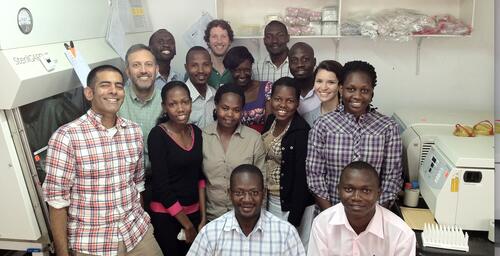
Jagannathan, an infectious disease physician who is also a member of Stanford’s Child Health Research Institute, said the $100,000 stipend that comes with the prize will allow his lab members to ramp up their research in Uganda. A member of the nonprofit Infectious Disease Research Collaboration in Kampala, his team is particularly interested in how strategies that prevent malaria might actually alter the development of natural immunity to malaria.

“With support from the Rosenkranz Prize, we hope to identify maternal immune characteristics and immunologic targets that are associated with protection of malaria in pregnancy and infancy,” Jagannathan said.

The Dr. George Rosenkranz Prize for Health Care Research in Developing Countries is awarded each year by the Freeman Spogli Institute for International Studies and Stanford Health Policy to a young Stanford researcher who is trying to improve health care in underserved countries. It was established in 2009 by the family or Dr. George Rosenkranz, a chemist who first synthesized cortisone in 1951, and later progesterone, the active ingredient in oral birth control pills.

“My father has held a lifelong commitment to scientific research as a way to improve the lives and well-being of communities around the world,” said Ricardo T. Rosenkranz, MD. “In particular, he has always sought to improve the health of at-risk populations. Dr. Jagannathan’s work offers the very sort of innovative ingenuity that characterized my father’s early research, as well as his vision towards the future.”

Jagannathan and his collaborators at UCSF and in Uganda are currently conducting a randomized control trial of 782 Ugandan women who are receiving intermittent preventive treatment with a fixed dose of dihydroartemisinin-piperaquine(or IPTp-DP), a medication that has dramatically reduced the risk of maternal parasitemia, anemia, and placental malaria. Their preliminary data suggests that among 684 infants born to these women, maternal receipt of IPTp-DP may lead to a reduced incidence of malaria in the first year of life.

Image

“Having the discretionary support of the Rosenkranz Prize will allow us to generate some preliminary ideas from this trial that could lead to larger studies, to push this agenda further along,” Jagannathan said.

That agenda is to create a vaccine that targets pregnant women to prevent malaria both during pregnancy — but also potentially preventing malaria in infants, giving them a better start in life.

“We’re not the first ones to think of this, but we have the opportunity to test these hypotheses in incredibly unique settings, with really well-studied cohorts that have real-world implications in terms of what we find,” Jagannathan said. “I’m hopeful that the data that’s generated over the new few years will allow us to keep moving forward.”

Jagannathan has been traveling to Uganda for a decade to study malaria. He’s seen firsthand the relentless, gnawing impact the disease has on daily life.

“Before I went to Uganda I really didn’t understand the burden that malaria causes in communities — and it’s just incredible,” he said. His first study was on children aged 5 and under who had on average six episodes of malaria a year.

“They just get it over and over again, and the toll on society is enormous,” he said. The clinics are overwhelmed and a parent or sibling must miss work or school to stay home with that child.

Yet, in highly endemic settings, children eventually develop an immunity that protects against the adverse outcomes from malaria. If he and his colleagues can understand how pregnant women and children develop this clinical immunity to malaria, it could lead to better treatments and preventative strategies.

“If we understand the mechanisms that underlie naturally acquired immunity, that would offer some clues as to how we can develop a vaccine that actually allows either that immunity to occur more quickly or prevents us from developing immunity that allows for the parasite to persist without symptoms,” he said.

There is currently a malaria vaccine undergoing testing in Africa. The vaccine, known as RTS,S, was developed by GlaxoSmithKline and the PATH Malaria Vaccine Initiative, with support from the Bill and Melinda Gates Foundation. Decades in the making, four doses of the vaccine are required to reduce malaria infection in humans.

“It’s a remarkable vaccine in that it’s effective in the beginning, but the problem is that the efficacy wanes very rapidly,” Jagannathan said, noting that some studies show that beyond three years, the effectiveness drops to 15-20 percent.

“That’s the big issue and why people are really interested in trying to find new strategies and new approaches for a next-generation malarial vaccine,” he said. “That’s the overarching aspect of what motivates my work.”

Hero Image
Prasanna Jagannathan Rosenkranz
Beth Duff-Brown
All News button
1
Subtitle

Prasanna Jagannathan and his lab members intend to ramp up their research in Uganda. A member of the nonprofit Infectious Disease Research Collaboration in Kampala, his team is particularly interested in how strategies that prevent malaria might actually alter the development of natural immunity to malaria.

Subscribe to Global Health