
Governance

FSI's research on the origins, character and consequences of government institutions spans continents and academic disciplines. The institute’s senior fellows and their colleagues across Stanford examine the principles of public administration and implementation. Their work focuses on how maternal health care is delivered in rural China, how public action can create wealth and eliminate poverty, and why U.S. immigration reform keeps stalling. 

FSI’s work includes comparative studies of how institutions help resolve policy and societal issues. Scholars aim to clearly define and make sense of the rule of law, examining how it is invoked and applied around the world. 

FSI researchers also investigate government services – trying to understand and measure how they work, whom they serve and how good they are. They assess energy services aimed at helping the poorest people around the world and explore public opinion on torture policies. The Children in Crisis project addresses how child health interventions interact with political reform. Specific research on governance, organizations and security capitalizes on FSI's longstanding interests and looks at how governance and organizational issues affect a nation’s ability to address security and international cooperation.

Authors
News Type
News
Date
Paragraphs

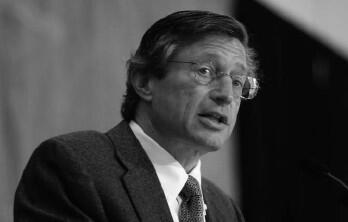
On November 16, 2006, FSI convened its annual international conference, A World at Risk, devoted to systemic and human risk confronting the global community. Remarks by Stanford Provost John Etchemendy, FSI Director Coit D. Blacker, former Secretary of State Warren Christopher, former Secretary of Defense William J. Perry, and former Secretary of State George Shultz set the stage for stimulating discussions. Interactive panel sessions encouraged in-depth exploration of major issues with Stanford faculty, outside experts, and policymakers.
Image
1592 small 1man
“When I was a child, the world was a simpler place,” stated Stanford Provost John Etchemendy. “What has changed is not the risk, but the number and complexity of problems that face the world today.” The complex challenges of the 21st century require that universities change, as well. The International Initiative, led by FSI, was launched “to identify key challenges of global importance and to contribute to their solutions by leveraging the university’s academic strength and international reach.”

Invoking Jane and Leland Stanford’s desire to educate students to become useful, contributing citizens, Etchemendy said, “We can best serve that mission today by producing graduates well-versed in the complex problems of a world at risk and willing to make the difficult choices that might lead to their solution.”

“It has been acutely apparent to us at FSI that we must actively engage a world at risk,” stated FSI director Coit D. “Chip” Blacker, “risk posed by the growing number of nuclear issues on the international agenda; the insurgency in Iraq; global poverty, hunger, and environmental degradation; the tensions of nationalism versus regionalism in Asia; infectious diseases; terrorism; and the geopolitical, financial, and ecological risks of the West’s current energy policies, especially its voracious appetite for oil.”

Introducing three Stanford luminaries, Blacker said, “One of the remarkable things about Stanford is the privilege of working with some of the outstanding intellects and statesmen of our time. Warren Christopher, William Perry, and George Shultz tower among them.”

“As Stanford University’s primary forum for the consideration of the major international issues of our time, we at FSI are dedicated to interdisciplinary research and teaching on some of the most pressing and complex problems facing the global community today.” – Coit D. “Chip” Blacker, Director, Freeman Spogli Institute“The Middle East has descended into hate, violence, and chaos,” said Warren Christopher, the nation’s 63rd secretary of state. “It really is a dangerous mess.” Discussing the Israeli incursion into Lebanon, the war in Iraq, and Iran’s regional and nuclear ambitions, he said the U.S. has aggravated these threats by “action and inaction.” Nonetheless, the U.S. remains the most influential foreign power in the region. “We must not give up on the Middle East,” he said. “We have to return to old-fashioned diplomacy with all its frustrations and delays.”

“We live in dangerous times,” stated William J. Perry, the nation’s 19th secretary of defense and an FSI senior fellow. “Last month about 1,000 of our service personnel in Iraq were killed, maimed, or wounded; the Taliban is resurging in Afghanistan; North Korea just tested a nuclear bomb; and Iran is not far behind. China’s power is rising and Russia’s democracy is falling.” As Elie Wiesel wrote, he said, “Peace is not God’s gift to its children. Peace is our gift to each other.” Comparing major security issues of 1994 to today, Perry assessed the nuclear arms race, North Korea, Iran, and Iraq. He noted that the Clinton administration had eliminated more than 10,000 nuclear weapons and urged that the work continue, because “the danger of terrorists getting a nuclear bomb is very real.”

Citing North Korea’s 2006 missile and nuclear tests, Perry said he was concerned that a robust North Korean nuclear program will stimulate a “dangerous arms race in the Pacific” and increase “the danger of a terrorist group getting a nuclear bomb.” “Iran is moving inexorably toward becoming a nuclear power,” Perry said. “We are facing new dangers,” he concluded, “and we must adjust our thinking accordingly.”

“The world has never been at a more promising moment than it is today,” said George Shultz, the nation’s 60th secretary of state. “All across the world, economic expansion is taking place. The U.S. is giving fantastic leadership to the global economy.” For Shultz, the imperative is to prevent the security challenges “from aborting all these fantastic opportunities.”

“The Middle East has descended into hate, violence, and chaos. The U.S. remains the most influential foreign power in the region. We have to return to old-fashioned diplomacy with all its frustrations and delays.” – Former Secretary of State Warren ChristopherU.S. leadership should inspire the world, Shultz said, advocating four initiatives. We should aspire to have a world with no nuclear weapons. We should take a different approach to global warning, based on the Montreal Protocols. “This is a gigantic problem we need to do something about and can do something about,” he said. We should build greater understanding of the world of Islam. We must combat rising protectionism. The postwar system reduced tariffs and quotas, promoting trade and growth. “The best defense is a good offense,” Shultz stated. “We need a lot of leadership in that arena.”

Plenary I, chaired by Chip Blacker, examined systemic risk. Elisabeth Paté-Cornell, Burton and Deedee McMurtry Professor and Chair of Management Science and Engineering, discussed how scientists measure risk, asking what can happen, what are the chances it will, and what are the consequences? “The good news is that the worst is not always the most certain,” she noted. Citing challenges of intelligence analysis, she said, “Certainty is rare; signals are imperfect; there is a tendency to focus on one possibility (groupthink) and underestimate others; and it is difficult to assess and communicate uncertainties.” “Success is not guessing in the face of uncertainties,” she said. “It is describing accurately what is known, what is unknown, and what has changed.”

Scott D. Sagan, professor of political science and director of CISAC, examined “Iran and the Collapse of the Global Non-proliferation Regime?” The crux of the issue, Sagan noted, is the emergence of two dangerous beliefs, “deterrence optimism” and “proliferation fatalism.” In Sagan’s view, too little attention has been given to why Iran seeks a nuclear weapon. Arguing that U.N. sanctions are unlikely to work and military options are problematic, Sagan said a negotiated settlement is still possible if the U.S. offers security guarantees to Iran, contingent on Tehran’s agreement to constraints on future nuclear development. As Sagan concluded, “Instead of accepting what appears inevitable, we should work to prevent the unacceptable.”

Siegfried S. Hecker, CISAC co-director, tackled the challenge of “Keeping Fissile Materials out of Terrorist Hands.” Although nuclear terrorism is an old problem, today there is easier access to nuclear materials, greater technological sophistication, and a greater proclivity toward violence. The greatest risk, he said, “is an improvised nuclear device built from stolen or diverted fissile materials.” “Given a few tens of kilograms of fissile material, essentially a grapefruit-sized chunk of plutonium,” he stated, “terrorists will be able to build and detonate an inefficient, but devastating Hiroshima- or Nagasaki-like bomb.” The most likely threat is a so-called “dirty bomb,” he said, which would be a “weapon of mass disruption, not destruction,” but still able to cause panic, contamination, and economic disruption, making risk analysis imperative to mitigate its consequences.

“We are facing new dangers and we must adjust our thinking accordingly. As President Lincoln said, ‘The occasion is piled high with difficulty, and we must rise with the occasion. As our case is new, so we must think anew, and act anew.’” – Former Secretary of Defense William J. PerryTurning to human risk, Michael Osterholm, director of the University of Minnesota’s Center for Infectious Disease Research and Policy, addressed “Pandemic Influenza: Harbinger of Things to Come?” “The risk is one that a pandemic is going to happen,” he told a riveted audience. Comparing the great influenza of 1918 with the pandemics of 1957 and 1968, he noted that pandemics have differed in season of onset, mortality rates, and number of cases. Avian influenza has a 65 percent mortality rate and could affect 30–60 percent of the world’s 6.5 billion people, producing 1.6 billion deaths worldwide and 1.9 million deaths in the U.S. Inevitably, mutation will reduce its lethality.

“It is not a matter of if, just when and where” the pandemic will strike, said Osterholm. Noting that vaccines will not be available in numbers needed, he argued for measures to safeguard families, communities, and essential infrastructure, such as police, firefighters, and health-care workers. Just-in-time inventory practices, he said, have increased vulnerability to disruptions in food supply, transportation, equipment, and communications, making it vital to plan in earnest, now.

Plenary II, chaired by FSI deputy director Michael A. McFaul, assessed risks to humans from “Natural, National, and International Disasters.” Stephen E. Flynn, Jeane J. Kirkpatrick Senior Fellow at the Council on Foreign Relations and a trade and transportation security expert, decried the “artificial firewalls between homeland and national security.” The Hart-Rudman Commission of 1998 warned of a catastrophic attack on U.S. soil, yet we did not rethink national security even after 9/11. We must approach security as a transnational issue, with no clear “domestic” and “international” lines, he urged. More than 65 percent of critical infrastructure is privately owned and has been given inadequate attention by federal authorities. Hurricane Katrina exposed the vulnerabilities. “We face more threats from acts of God than acts of man,” Flynn stated. We need to move from a concept of “security” to one of “resiliency,” he said, greatly improving our ability to withstand a man-made or natural disaster.

David G. Victor, FSI senior fellow and professor of law, addressed three faces of energy security: oil, natural gas, and climate change. Oil prices are volatile, future fields are in places difficult to do business, and the global supply infrastructure is vulnerable, posing the risk of a one- to six-month supply disruption. For Victor, who directs FSI’s Program on Energy and Sustainable Development, the big threat is less supply than a potential demand-side shock, driven by the U.S. and China. Europe relies on an unreliable Russia for 25–30 percent of its natural gas needs, making it imperative to switch to cheaper, more reliable LNG from North Africa and the Middle East. Oil and gas price volatility has driven further dependence on coal-fired plants, with dire consequences for carbon emissions. New coal plant lifetime emissions, Victor said, are equal to all historic coal emissions, making it critical to invest in advanced technology to protect the environment.

“The world has never been at a more promising moment than it is today. All across the world economic expansion is taking place. Poverty is being reduced dramatically as China and India expand, along with Brazil.” – Former Secretary of State George ShultzPeter Bergen, CNN terrorism analyst and producer of Osama bin Laden’s first television interview, offered the dinner keynote, “Successes and Failures of the War on Terrorism Since 9/11.” Assessing negatives, Bergen noted that al Qaeda continues to carry on attacks from its base in Pakistan; Afghanistan is beset by instability; more than 20 million Muslims in Europe remain dangerously un-integrated; bin Laden has not been apprehended and continues to inspire followers through terrorist attacks; Iraq is an unstable breeding ground for jihad; and anti-Americanism is on the rise. Enumerating positives, there has been no follow-on attack on the U.S.; the government has made the country safer; many Muslims have rejected jihad; plots have been foiled and suspects apprehended across the globe. Weighing whether fighting the terrorists abroad has made the U.S. safer here, Bergen was equivocal: The U.S. can identify and eliminate only so many people and cannot stay in Bagdad forever. A network of educated, dedicated terrorists remains, he warned, capable of bringing down commercial aircraft or deploying a radiological bomb.

All News button
1
Authors
Rafiq Dossani
News Type
Commentary
Date
Paragraphs

“You should remove ‘agricultural worker’ from the list of options of parents’ occupations in Question 11,” said the senior government bureaucrat. He explained, “It is impossible for the child of a farm laborer to enter an engineering college.” That statement was made on May 8 in Delhi this year, while he – the chief advisor on higher education to the national government – reviewed a questionnaire for final year engineering students. The questionnaire is to be filled by the graduating cohort of engineering students at various Indian universities this coming year. Its purpose is to discover job mobility across generations and relate that to the cost of education, location, public versus private provision, and various other factors. It is part of a broader study supported by FSI that colleagues at Stanford University and I, along with research groups in India, China and Russia, have initiated to compare the quality of the engineering workforce in three countries – China, India and Russia – with each other and with the United States.

A few days later, on May 14, I was with the head of a medium-sized private college in Bangalore, which had administered the pilot version of the questionnaire to graduating students. As he handed me 450 completed forms, I glanced at the first few. There, right on top, I read the first student’s response to Question 11. A female, she had chosen “agricultural worker” as the father’s occupation. Combined with information on her family’s income (which was in the lowest tier), this was clearly someone who contradicted the bureaucrat’s assumption.

As heartwarming as it was to see that response on the questionnaire, it reminded me, not for the first time, about how little government officials can sometimes know about their constituents. In 2004, I had studied, jointly with a division of the Ministry of Information Technology, how rural users might best use information technology. Our expectation (prior to the study) was that e-mail for personal and business purposes and Internet searches and transactions for farm work would be the main uses.

Instead, what people wanted was government services – health care and other welfare services, postal services, accessing titles and other official records, and government jobs. When I presented our findings to the country’s Minister for Information Technology, he insisted that we were wrong and that our initial hypotheses were correct. It was only when his own division head, who had conducted the study jointly with me, stated (firmly) that he stood by the results that the Minister started to change his views.

Perhaps one should not be too harsh on a bureaucrat when a political master, the minister, could be so ignorant! But, there is another reason for leniency: the higher education revolution in India has still not been understood, even within India, perhaps because of the speed of its happening. A revolution it undoubtedly is. For example, in engineering studies, the number of students enrolled in full-time 4-year undergraduate degree programs has risen from 250,000 in 1997 to 1.5 million in 2007, and is currently growing at 25% annually. Most surprisingly, the higher education sector has moved from a primarily state-provided service to private provision within a decade. 95 per cent of the above increase comes from enrollment in privately-run colleges, which now account for 80% of total enrolment. The storied state-owned Indian Institutes of Technology, which made up 10% of national engineering enrolment in 1990, now account for less than 2%, and graduate 5,000 students a year.

How this happened is too long a story to go into here. Briefly, the national government has increasingly yielded control over higher education to the individual states over the past ten years. The states have, in turn, allowed the private sector in, something that the national government resisted when it was in charge.

One of the desirable outcomes is, as demonstrated by the response to Question 11 above, increased access. Ten years ago, the child of an agricultural worker was, if educated through secondary school, likely to have studied only in the vernacular – and would thus have been excluded from the higher education engineering degree, which is taught only in English. Even if there was money in the family till to pay for tuition, the nearest college was probably too far to allow the student to stay at home; even if she had the money for staying away from home, competition for the limited number of available seats would likely exclude her from even the least meritorious college.

Today, even though the private colleges charge, on average, fifty thousand rupees ($1250) a year for tuition, which is three times the tuition fees at the comparable state college, affordability has increased. This is for two reasons. First is the proliferation of colleges. Thanks to the blanket coverage being provided by the private sector, there is a college, most likely two or three, in most small towns. Bangalore, with 290 engineering colleges – almost all private – tells the story of the rest of the country.

So, even small-town students no longer need to live away from home, thus saving on living costs. This can be a significant savings: in Bangalore, rent for a single room more than makes up the difference in private and state tuition fees. Second, the private colleges have built linkages with banks, so bank loans will usually cover half the tuition costs.

The democratization of higher education in India has removed the impending shortage of talent for the IT exporting sector. It has also brought into question the importance of the IITs to the eco-system, which – according to the recruiters I have interviewed over the years – was always overstated. Let’s examine both of these in the current context.

For the top IT exporting firms in India, such as TCS, Infosys and Wipro, the private providers are a boon. Together, the top three firms will, even in today’s difficult global economic environment, add 70,000 persons to their payrolls (net of attrition) in 2008. 70 per cent of these recruits will be fresh graduates. Private college graduates will account for the overwhelming majority of their recruits, followed by state colleges (not IITs).

Of course, these firms would like to recruit the top IIT graduates. However, the best IIT graduates either go abroad to study or work (a third do so, though that ratio is declining), another third join an MBA program in India, and the rest are recruited by the Indian operations of western firms like Google or Yahoo!, or join Indian startups like Tejas Networks or Telsima. Such firms pay starting salaries that are double the $7,500 starting wage offered by the Indian IT majors.

Is this a big loss for the Indian IT industry? No, say the recruiters, pointing out that the IIT graduating cohort was always a small proportion of their recruits because of overseas migration. What is important, they point out, is that other providers are rapidly catching up with the IITs in quality. Given their reliance on fresh graduates and their scale of recruitment (for example, between June and August of this year, TCS will make one thousand job offers a week and recruit 85% of its offerees), the Indian IT firms make precise calibrations of schools and rank them. The top quartile of the graduates of the top local private colleges in Bangalore are now considered equal in quality to those at the 50th percentile in the IITs. The top quartile at national colleges, such as the National Institutes of Technology, are deemed equal to the 75th percentile of the IITs.

The rank is based on various factors: alumni recruited by them in earlier years, internal factors such as laboratory and library infrastructure, and course content, their interaction with faculty in research projects, and student performance in internships. A thousand colleges (of the four thousand that offer engineering degrees in India) are deemed to meet the standards of the top three IT firms and their graduates are thus eligible for recruitment. According to one of the IT firms I spoke to, a decade ago, there were only fifty colleges that met their standards.

In consequence, in states where they are concentrated, eg., Infosys and Wipro in the state of Karnataka (whose capital is Bangalore) and TCS in Tamil Nadu (whose capital is Chennai), the ranking by the top 3 IT firms is critical for the colleges. A corporate recruiter from a smaller firm seeking IT talent from a Chennai college will demand to know its “TCS ranking."

This, in turn, is invaluable information to incoming students, which, in its turn, influences how colleges invest in faculty and infrastructure. As a result, in a way that was unforeseen by government planners and even the World Bank (which, in 2000, argued that market failure was likely in case private provision in India became important), a thriving market for engineering education has been created and quality has improved.

As recently as 2001, a report on IT education (which included a study of the IITs) by the Ministry of Human Resource Development noted that “The barest minimum laboratory facilities are available in many of the institutions and very little research activity is undertaken…Engineering institutions have not succeeded in developing strong linkages with industry…The curriculum offered is outdated and does not meet the needs of the labor market.” Around that time, when I had interviewed the director of one of the IITs, he had supported this finding, noting that almost all the engineering students at that IIT did their final year thesis projects in laboratories within the IIT (rather than, as intended, in companies).

Today, an engineering graduate from any of the thousand colleges that the IT services industry deems eligible for recruitment will always have completed several internships with industry prior to graduation, including the final semester thesis project – in other words, this is a sea change from just a few years ago.

Of course, there are caveats to the story of higher education. One of the concerns stated by regulators is that, as control has shifted from New Delhi to the states, the weak states have not been able to keep up with the strong states, thus increasing the intellectual gap between them. This appears to be true, on first impression. My conversations with recruiters of IT firms in Bangalore in May indicated increasing regional selectivity. Karnataka, Tamil Nadu, Kerala, Andhra Pradesh, Delhi, Maharashtra and West Bengal were the regions of choice, while weak states such as Bihar and Uttar Pradesh were falling behind.

A second genuine concern of policymakers is that the private colleges have no research agenda. Of course, what policymakers do not state is that the IITs have historically had no research agenda either. The good part of the present situation is that, with the burden of providing mass education off its backs, the national government is using its limited resources to support centers of excellence for research.

A final caution is on replicability in other countries. The higher education system that has resulted in India was not foreseen and caught the nation’s education planners by surprise. No one expected that the private sector would respond as it did. Planners designed the system to allow only non-profit private providers. Planners expected that those private providers that would enter the system would be philanthropic. They would exist at the margins of the then larger state-system. Accordingly, planners encouraged them, through incentives, to set up their institutions in smaller towns.

Instead, the private providers stormed into the big cities first, preferring to ignore the incentives, and have only recently spread to smaller towns. They have made profits through the back-door (by charging an upfront fee, the capitation fee).

A key factor was rising federalism: strong states like Karnataka and Tamil Nadu were able to provide the regulatory support that made private sector entry possible. The second key factor was the IT industry’s willingness to be the market maker, as described above. In this, the role of the large Indian IT firms, as noted, was critical. It is unlikely that an industry characterized by a large numbers of small firms would have been able to play the role of market maker.

So, there are some unique factors in India. China offers an alternative, perhaps more replicable, model: an entirely state-run system in which tuition fees, which average $800 per annum, pay for 50 per cent of costs. It, too, has grown rapidly: for example, 5 million students are currently enrolled in undergraduate engineering programs. The share of the burden per student appears to be higher in India. In India, the state and “aided” private colleges (these are privately owned and managed, but accept state-aid to pay for costs such as infrastructure and faculty salaries – in return, they must charge the same tuition fees as state-run institutions) account for 40% of total enrollment and charge fees that cover 30 per cent of costs. The unaided schools, as noted earlier, recover full costs through tuitions (endowments insignificant). Hence, the share of total national costs of education borne by students in the system is over 70%. This may be important for achieving long-term sustainability, although, in the short-term, it may adversely affect enrollment.

For the moment, though, the Indian IT industry, earlier starved of talent, has been saved by one of its own – the for-profit private education sector.

All News button
1
Authors
News Type
News
Date
Paragraphs

On May 1, 2003, President Bush publicly declared an end to combat in Iraq. Four years later, the conflict had only intensified, fueled by a violent insurgency, sectarian strife, and a resurgent al-Qaeda in Iraq. More than 3,000 American servicemen and servicewomen had been killed and 790,000 Iraqi civilians were dead. What had gone so disastrously wrong? Charles Ferguson, an MIT-trained political scientist, determined to find out.

Drawing on shockingly frank interviews with U.S. government officials, military personnel, diplomats, journalists and Iraqi leaders and citizens, his first film, No End in Sight: The American Occupation of Iraq, examines comprehensively how the Bush administration constructed the Iraq war and subsequent occupation. The film won the Special Jury Prize, documentary competition, at the 2007 Sundance Film Festival, as a “timely work that clearly illuminates the misguided policy decisions that have led to the catastrophic quagmire of the U.S. invasion and occupation of Iraq.”

“Overnight rendered unemployed and infuriated are 500,000 armed men,” one of many ill-advised moves that ignited resentment, desperation, and a still-raging insurgency.On May 23, the Freeman Spogli Institute hosted a special screening of the film, followed by a distinguished panel of experts. Among the film’s central themes was the failure to commit sufficient troops to maintain order, secure the borders, or protect government ministries, historic sites, or ammunition depots. The destruction of national treasures, depicted vividly, was heartbreaking.

Soon after one watershed—the toppling of Saddam Hussein and the defeat of the military—there was another watershed, characterized by widespread looting, lawlessness, and a growing feeling among Iraqis that Americans could not protect them. The film chronicles three especially fateful decisions: to halt the formation of an Iraqi interim government (as Iraqi opposition leaders felt they had been promised) and impose an American occupation instead; a wide-ranging campaign of de-Baathification—the purging of higher-level Baath Party officials who ran the civil service and even staffed many schools and hospitals; and the hasty decision to disband the Iraqi military and intelligence services.

Said Col. Paul Hughes (Ret.), “We could have used Iraqi units to clean up, build roads, and rebuild their country.” Instead, the military were told they were going to be out of work, leaving millions of Iraqis suddenly without support. The film recounts, “Overnight rendered unemployed and infuriated are 500,000 armed men,” one of many ill-advised moves that ignited resentment, desperation, and a still-raging insurgency. Ambassador Barbara Bodine recalled, “When we were first starting the reconstruction, we used to joke that there were 500 ways to do it wrong and two to three ways to do it right. What we didn’t understand is that we were going to go through all 500.”

The riveting documentary was followed by a lively panel discussion among Stanford political scientists, historians, and experts on the war in Iraq. Moderating the panel was Larry Diamond, Hoover Institution senior fellow and coordinator of the Democracy Program at FSI’s Center on Democracy, Development, and the Rule of Law, who called the war “one of the greatest policy tragedies in American history.” Diamond served as an advisor to the Coalition Provisional Authority and wrote a book about the experience, titled %publication1%.

Writer and director Charles Ferguson noted that the shooting to inclusion ratio was 100:1 and said he will release more than 100 hours of film and 3,000 pages of transcripts as a public archive for the historical record. Col. Christopher Gibson, a 2006–07 National Security Affairs fellow at the Hoover Institution, who served in both the Gulf and Iraq wars, observed in his opening remarks, “For this to work in a republic, soldiers have to be there to take the tough questions.” Drawing on his experience during two tours of duty supervising national elections, he underscored the Iraqi people’s desire for freedom and “their deep and sincere desire for democracy.”

David Kennedy, Stanford’s Donald J. McLachlan Professor of History and a 2000 Pulitzer-Prize winner, commended the film for making an important contribution to the historical record. Future historians will have to consider a number of major questions, Kennedy said, including these two: “What was the deep strategic rationale for this war and how was that rationale related to the declared reasons for going to war,” namely the now discredited claims that the regime possessed weapons of mass destruction and had verifiable links to al-Qaeda.

In a lively discussion among panelists, it was agreed that the calculus was complex and many factors converged—an Iraq believed both to be a menace and weakened by many years of sanctions under a brutal leader; a son wishing to redress the policy of the father and avenge a near assassination attempt. But the ideological factor was significant—the belief that we had the ability to effect political change in a country that would transform the character of an entire region.

The debate addressed other critical issues—could the outcome have been better had policy been better informed and more skillfully implemented? Could anything change the outcome now? Said Diamond, the only thing that could materially change the outcome now “would be to combine a military surge with a diplomatic surge,” involving the United Nations, the European Union, the United States, and a cooperative Iraqi leadership. The United States should let Iraq know we’ll leave, he stated, if Iraqi leaders fail to undertake the requisite political reconciliation and compromise. As the lively debate and discussion with more than 300 audience members ended, there was little doubt that all these questions would be debated for some time to come.

All News button
1
Authors
Gary Mukai
News Type
News
Date
Paragraphs

“Preparing the next generation of leaders and creating more informed elementary and secondary students means changing and improving curricula, setting higher standards, and ensuring that content is based on current research relevant to the world’s critical problems and urgent issues.” Coit “Chip” Blacker, FSI Director and Co-Chair, International Initiative

SPICE was established more than 30 years ago and serves as a bridge between FSI and elementary and secondary schools in the United States and independent schools abroad. SPICE’s original mission in 1976 was to help students understand that we live in an increasingly interdependent world that faces problems on a global scale. For 30 years, SPICE has continued to address this original mission and currently focuses its efforts primarily in three areas:

  1. curriculum development for elementary and secondary schools;
  2. teacher professional development; and
  3. distance-learning education.

SPICE hopes to continue to educate new generations of leaders by addressing five key initiatives of The Stanford Challenge, announced by President Hennessy last fall.

Initiative on Human Health / 1

SPICE is working with the School of Medicine and the Center for Health Policy on a high school curriculum unit that focuses on HIV/AIDS. SPICE is collaborating with Drs. Seble Kassaye, David Katzenstein, and Lucy Thairu of the School of Medicine’s Division of Infectious Diseases & Geographic Medicine. Using an epidemiological framework, students will be encouraged to consider the many issues involved in the pandemic, including but not limited to poverty, gender inequality, and biomedical research and development. Two Stanford undergraduates, Jessica Zhang and Chenxing Han, are working with the physicians on this unit.

Initiative on the Environment and Sustainability / 2

SPICE recently completed a curriculum unit called 10,000 Shovels: China's Urbanization and Economic Development. 10,000 Shovels examines China’s breakneck growth through a short documentary that integrates statistics, video footage, and satellite images. The documentary, developed by Professor Karen Seto of the Center for Environmental Science and Policy, focuses on China’s Pearl River Delta region while the accompanying teacher’s guide takes a broader perspective, exploring many current environmental issues facing China. Stanford’s School of Earth Sciences is helping to promote this unit and documentary.

The International Initiative / 3

All of SPICE’s curriculum units focus on international topics. Two of SPICE’s most popular units are Inside the Kremlin: Soviet and Russian Leaders from Lenin to Putin and Democracy-Building in Afghanistan. Inside the Kremlin introduces students to key elements of Soviet and Russian history through the philosophies and legacies of six of its leaders—Lenin, Stalin, Khrushchev, Gorbachev, Yeltsin, and Putin. The unit includes (on DVD) six lectures by six FSI faculty members, including FSI director Coit D. Blacker; professors David Holloway and Gail W. Lapidus, CISAC; professor and deputy FSI director Michael A. McFaul; history professor Norman M. Naimark; and history professor Amir Eshel, Forum on Contemporary Europe.

Democracy-Building in Afghanistan is a teacher’s guide for a film called Hell of a Nation. The film’s lead advisor and SPICE’s key advisor was former CDDRL fellow J. Alexander Thier. Hell of a Nation documents the lives of two Afghans participating in the political process to develop a new constitution for Afghanistan—illustrating the “human face” of democracy-building and elucidating the complexities and difficulties of democratic construction in a divided and historically conflict-ridden nation.

Arts and Creativity Initiative / 4

Following 9/11, SPICE decided to develop a unit called Islamic Civilization and the Arts, which introduces students to various elements of Islamic civilization through a humanities approach. Lessons on art, the mosque, Arabic language and calligraphy, poetry, and music provide students with experience analyzing myriad primary source materials, such as images, audio clips, sayings of Muhammad, and excerpts from the Quran. In each lesson, students learn about the history, principles, and culture of Islam as they pertain to particular forms of art.

SPICE recently completed a new unit called Along the Silk Road, which explores the vast ancient network of cultural, economic, and technological exchange that connected East Asia to the Mediterranean. Students learn how goods, belief systems, art, music, and people traveled across such vast distances to create interdependence among disparate cultures. This was a collaboration with the Silk Road Project, the Art Institute of Chicago, Stanford’s Cantor Arts Center and Center for East Asian Studies, and the Shorenstein Asia-Pacific Research Center.

The K-12 Initiative / 5

SPICE develops curriculum based on FSI scholarship, conducts teacher professional development seminars locally, nationally, and internationally, and also offers a distance-learning course called the Reischauer Scholars Program to U.S. high school students. At seminars at Stanford, FSI faculty members offer lectures to the teachers and SPICE curriculum writers give curriculum demonstrations that draw upon the content presented in the lectures. Last summer, Stanford professor Al Dien (Asian Languages) and the SPICE staff gave a workshop for 80 teachers in the Chicago Public Schools. World-renowned cellist Yo-Yo Ma performed at the workshop.

The Reischauer Scholars Program is a distance-learning course sponsored by SPICE. Named in honor of former ambassador to Japan Edwin O. Reischauer, a leading educator and noted scholar on Japanese history and culture, the RSP annually selects 25 exceptional high school juniors and seniors from throughout the United States to engage in an intensive study of Japan. This course provides students with a broad overview of Japanese history, literature, religion, art, politics, and economics, with a special focus on the U.S.-Japan relationship. Top scholars affiliated with the Shorenstein Asia-Pacific Research Center (including Ambassador Michael H. Armacost, Professor Daniel I. Okimoto, and Professor Gi-Wook Shin), leading diplomats, and young professionals provide web-based lectures as well as engage students in online dialogue. These lectures and discussions are woven into an overall curriculum that provides students with reading materials and assignments.

SPICE has for many years focused on the initiatives that have been identified by President Hennessy to be at the core of The Stanford Challenge. By continuing to focus on these initiatives, the SPICE staff hopes to continue to make FSI scholarship accessible to a national and international audience of educators and students, with the ultimate goal of empowering a new generation of leaders with the tools needed to deal with complex problems on a global scale.

Hero Image
1588 small SPICElogo
All News button
1
Authors
News Type
News
Date
Paragraphs

FSI faculty members discussed global risk, democracy, and security issues this spring before Stanford alumni and friends in San Francisco and New York City. Elizabeth and Joe Mandato, parents ’03, hosted a faculty panel in San Francisco and Ruth Porat ’79 and Anthony Paduano welcomed FSI faculty and friends to their home in New York.

In San Francisco, Scott D. Sagan, professor of political science and co-director of the Center for International Security and Cooperation; Larry Diamond, senior fellow at the Hoover Institution and coordinator of the democracy program at FSI’s Center on Democracy, Development, and the Rule of Law; and Rosamond L. Naylor, Julie Wrigley Senior Fellow and director of the Program on Food Security and the Environment at FSI, joined a panel moderated by FSI Director Coit D. Blacker.

Sagan spoke about North Korea and commented on the recent conclusion of the six party talks that resulted in an agreement by North Korea to suspend nuclear weapons production. He argued that the United States will be most successful in containing North Korea’s nuclear ambitions by taking regime change off the table. Diamond addressed conditions on the ground in Iraq and the limited choices now facing U.S. policymakers. He argued that they should focus on securing a viable political agreement among the Kurds, Sunnis, and Shiites in Iraq, but warned that the danger of chaos is great. Naylor emphasized the ways in which hunger and malnutrition jeopardize security and create havoc for women, children, and governments worldwide. She examined the “deadly connections” that link food security, climate risk, poverty, and civil conflict— challenges whose resolutions are critical to human survival over the long term.

In New York, faculty members from FSI’s Center on Democracy, Development, and the Rule of Law addressed Democracy, Security, and the National Interest: Dealing with Iraq, Iran and Russia. Michael A. McFaul, deputy director of FSI and director of CDDRL, and Kathryn Stoner, associate director for research at CDDRL, joined Diamond for the discussion. Blacker moderated, and Stephen D. Krasner, professor of political science and former director of CDDRL who just stepped down as director of policy planning at the U.S. State Department, commented.

As in San Francisco, Diamond offered his view of the Bush administration’s policy in Iraq. He stressed the need for a coherent strategy for extracting U.S. troops from Iraq and urged that the United States make conclusion of a power-sharing agreement among Sunni, Shiite, and Kurdish factions a top priority. McFaul discussed two options for America in shaping policy with Iran: pursue regime change or make a deal to disarm the regime. He argued that while both goals are worthwhile, the only way to change the regime and stop Iran from developing nuclear weapons is to actively engage it. Stoner-Weiss discussed trends in Russia away from democracy under President Putin. She argued that while Putin has posed as a democracy reformer, he has systematically undermined democracy and consolidated political and economic power. Krasner reviewed some of the conceptualizations and longer-term policy initiatives that characterize policy planning and reflected on the high degree of uncertainty policymakers face in the current international environment.

An FSI presentation to alumni and friends in London in June, on the topic of The Future of the Trans-Atlantic Relationship, completed the institute’s outreach events for this academic year, as FSI actively supports a key goal of The Stanford Challenge: to bring Stanford to the world.

All News button
1
Authors
Byron Bland
News Type
Commentary
Date
Paragraphs

Several years ago, a high-level Israeli official asked me to tell him everything I could about how the Israelis might find their Palestinian Mandela. His question was interesting and appropriate but also troubling because the Afrikaners didn’t really “find” Mandela. It took several months before the answer came to me. Show me the Palestinian to whom you Israelis are willing to lose, and I will to show you your Palestinian Mandela.

My friend had overlooked the fact that Mandela and the African National Congress had won in South Africa. The decisive element in the so-called miracle was that white South Africans had, in one way or another, accepted this outcome and had made it, if not their victory, then certainly something other than their defeat.

Much has been written about the many factors that drove the process forward, but no one would deny that Mandela’s leadership played a decisive role. Although he was offered his freedom numerous times if he would just give up the struggle against apartheid, it was a deal that only a quisling would make. Made of sterner stuff, Mandela refused to make the fundamental concession that the Afrikaners sought.

De Klerk’s decision to release Mandela unconditionally came in response to the unrest that had rendered the country ungovernable. De Klerk had hoped to engage Mandela in a lengthy process of negotiation in which he could be coaxed into making critical compromises. Nevertheless, after many ups and downs, it was de Klerk, not Mandela, who made the fundamental compromises.

How did this unbelievable turn of events come about? I think that a fundamental shift took place in the way de Klerk saw Mandela. De Klerk came to power thinking that Mandela was the only African who could make the concessions needed to keep Afrikaner South Africa afloat. Slowly, he came to see Mandela instead as the African who could give Afrikaners a future they could live with.

Mandela let no opportunity pass to talk about the place of white South Africans in the new South Africa. He emphasized time and again that majority rule did not mean the domination of the white minority by a black majority. Seeking a “middle ground between white fears and black hopes,” Mandela laid the very foundation for peace—“We do not want to drive you into the sea”—because there would be no peace unless white South Africans heard and believed his words.

In virtually every statement, Mandela presented a vision of the future in which white South Africans would be appreciated and respected. Those who heard him felt that they, their family, and their community could have a satisfying and secure life in what he was describing. Rather than offering concessions that would prop up the old, Mandela was offering a future to many who had begun to doubt that they had one.

It is worth noting that Mandela had no particular liking or even personal respect for de Klerk. Their relationship was often rancorous, especially at crucial moments toward the end of the negotiations. Indeed, Mandela went so far as to say publicly that de Klerk was “not fit to be a head of a government,” and yet his worst nightmare was that de Klerk might not be there when he needed him. Mandela confessed, “Whether I like him or not is irrelevant. I need him.”

Israelis need to find a Palestinian Mandela, and Palestinians need to find an Israeli Mandela. However, the Mandela they need to find is not the leader who will make the concessions they seek but the one to whom they can make the concessions they say they cannot offer. Mandela was this kind of leader: His actions and unequivocal words gave witness to a future that Afrikaners could embrace without fear.

Progress toward peace between the Israelis and Palestinians is not stalled because no one can envision the final settlement. Every thoughtful observer knows that some rough approximation of the Clinton formula is the only deal possible. The question is not so much what is needed—this much is known. The real question is who will lead us there.

All News button
1
Authors
Joshua Cohen
News Type
News
Date
Paragraphs

Image
1583 small 4picsvert
FSI’s program on global justice (PGJ), now finishing its first year, explores issues at the intersection between political values and the realities of global politics. The aim is to build conversations and research programs that integrate normative ideas—toleration, fairness, accountability, obligations, rights, representation, and the common good—into discussions about fundamental issues of global politics, including human rights, global governance, and access to such basic goods as food, shelter, clean water, education, and health care. PGJ begins from the premise that addressing these morally consequential issues will require a mix of normative reflection and attention to the best current thinking in the social sciences.

In PGJ’s first year of operation, we had several visiting fellows. Adam Hosein and Helena de Bres, both dissertation fellows from MIT, spent the year researching and writing dissertations in political philosophy on issues about global distributive justice. Larry Simon, a professor at Brandeis University’s Heller School, director of Heller School’s Sustainable International Development Programs, and associate dean of academic planning, spent the winter and spring quarters working on a book on the relevance of the work of Paulo Freire to today’s poor.

Next year we will scale up the fellowship program. Helena DeBres will stay on as a postdoctoral fellow, continuing her research on utilitarian approaches to global poverty and fair distribution. She will be joined by Avia Pasternak, an Oxford PhD writing on issues about citizens’ responsibility in wealthy democracies to address issues of injustice elsewhere. Brad McHose, a UCLA PhD, and Kirsten Oleson, a recent PhD from Stanford’s IPER program, will also be affiliated with PGJ. Thorsten Theil will be a predoctoral fellow in the fall, writing on deliberative democracy and postnational politics. And Charles Beitz, a distinguished political theorist from Princeton whose Political Theory and International Relations (1979) remains the basis for much contemporary discussion of global justice, will be visiting in the winter and spring, working on a project on human rights.

Our principal activity for this past year was a regular workshop (coordinated with Stanford’s Humanities Center) covering a wide range of themes, from corporate social responsibility to the philosophical foundations of global justice, with participation from graduate students, research fellows, and faculty from political science, philosophy, economics, education, law, literature, and anthropology. In one of the liveliest sessions, Abhijit Banerjee, MIT economist and director of MIT’s Poverty Action Lab, presented his research and reflections on the strategy of using randomized field experiments to assess aid projects in developing countries. In a seminar jointly sponsored with CDDRL, Banerjee, a self-described aid optimist, expressed doubts about contemporary understanding of the determinants of economic growth and emphasized the importance of project-specific assistance and evaluation.

Richard Locke, a political scientist from MIT’s Sloan School, presented a paper based on his research at Nike and other lead firms in global supply chains that use corporate codes of conduct in their relations with suppliers. The principal finding of Locke’s research is that such codes have not been very successful in improving compensation, working conditions, or freedom of association for workers in firms that supply products to lead firms.

Amherst political theorist Uday Mehta presented a paper contrasting ideas about peace and non-violence to a seminar jointly sponsored with CISAC. Tracing the idea of a principled commitment to non-violence to Gandhi, Mehta suggested there are important costs to that principle (perhaps it requires devaluing justice), but that there are also costs to emphasizing peace as an alternative to principled non-violence: in particular, that the more conditional commitment to non-violence may end up being very permissive about the use of force.

Stanford economist Seema Jayachandran presented research on strategies for dealing with problems of odious debt. And we had workshops on the foundations of global justice with political theorists Michael Blake, Adam Hosein, Jennifer Rubenstein, and Sebastiano Maffetone; on citizenship and immigration with legal theorist Ayelet Schachar and anthropologist John Bowen; on human rights with Chip Pitts, a human rights lawyer; and on the World Bank with Sameer Dossani, a Washington political activist.

Next year, PGJ will initiate—in conjunction with Locke and his colleagues at MIT—a project called Just Supply Chains. The premise of the project is that the globalization of production is redefining employment relations and generating the need for fundamental changes in the basic institutions governing the economy. Corporations, unions, NGOs, national governments, and even international labor, trade, and financial organizations are all searching for new ways to adjust to the new international order and ensure that workers in global supply chains have decent levels of compensation, healthy and safe workplaces, and rights of association.

The project will explore three broad strategies for achieving these goals. First, it will address corporate codes of conduct and monitoring mechanisms to enforce these codes. Today, monitoring for compliance with “private voluntary codes of conduct” is one of the principal ways both global corporations and labor rights NGOs seek to promote “fair” labor standards in global supply chains. Likewise, a number of multi-stakeholder initiatives (MSIs) have banded together to promote a more collaborative/coordinated approach to improved labor standards. (The Joint Initiative for Workers Rights and Corporate Accountability in Turkey and the MFA Forum Project in Bangladesh are two of the best known examples.) But these initiatives, like the corporate codes, have produced very mixed results.

Second, much has been written about pro-labor administrative reforms by national governments (e.g., Dominican Republic, Argentina, Cambodia, and Brazil). But very little is known about whether these efforts are successful and, if they are, how to diffuse their success to other countries struggling with many of the same issues.

Third, there is speculation about how efforts at the ILO and WTO, joining labor standards to trade rules, might produce global improvements in compensation, work, and rights of association.

To explore these issues, the Just Supply Chains project will start next year with a series of workshops, bringing together “practitioners” engaged in these institutional experiments and scholars studying global supply chains, corporate responsibility, regulatory strategies, and normative ideas about global justice. We will examine what is already known about the conditions under which new arrangements and strategies can succeed in promoting fair wages and work hours, decent working conditions, and basic rights, including the right to organize collectively. The larger aim will be to define a research agenda animated by ideals of global justice, informed by understanding of current circumstances and social possibilities, and aimed at improving both our understanding and global well-being.

Hero Image
1583 small globaljlogo
All News button
1
Authors
Roland Hsu
News Type
News
Date
Paragraphs

The Forum on Contemporary Europe (FCE) achieved two major goals in 2006–2007, by developing FCE into a trans-Atlantic hub for policy and academic leaders and guiding research affiliates to answer pressing questions about European Union membership. To do so the forum launched and greatly expanded research and public programs on Europe’s Eastern, Scandinavian, and Iberian regions and addressed dramatic change and instability in the west in governing coalitions and the social fabric of Europe’s traditional powers.

Forum projects addressed several important, interrelated questions. Can the EU integrate its members into a unified polity and civic society, or should it retreat to a sole project of a common market? Should and can the EU Commission form a European foreign policy? How far should Europe’s union extend—to Turkey, to the former Soviet republics, to the North African Maghreb? Answers to these questions have implications for trans-Atlantic and EU-NATO-UN relations and for postindustrial labor, immigration, and welfare policy, democratization and human rights initiatives, and regional crisis intervention. An engaging and productive year of analyzing Europe’s policy dilemmas has clarified the benefits and burdens of the emerging European model of political, social, and economic membership.

Western Europe: Elections and Uncertain Promise

On Jan. 1, 2007, Europe enlarged its union to 27 nations. As Europe extended its borders from Portugal to Bulgaria, and from Sweden to Greece, the EU Council of Ministers reiterated its commitment to shepherd seven more nations, including Turkey, to meet the Copenhagen Criteria for membership. However, elections, resignations, and new leaders in Europe’s traditional powers have clouded this optimistic vision, and the forum addressed pressing concerns along with the promise of expansion.

Four highly anticipated forum events—the French presidential election roundtable, a Europe Now: Integration, Society, and Islam in a New Europe lecture by Daniel Cohn-Bendit, a Payne Lecture by Ian McEwan, and an address by German Ambassador Klaus Scharioth—raised issues for all forum programs. Throughout the year, the forum invited a spectrum of research centers to co-sponsor its events, including CISAC, CDDRL, the Program on Global Justice, the Woods Institute, the France-Stanford Center, Humanities Center, Abbasi Program on Islamic Studies, Mediterranean Forum, Stanford Law School, and the Graduate School of Business.

On prospects for integrating Europe’s polity and society, Cohn-Bendit and McEwan spoke on separate occasions to overflow FSI audiences. Cohn-Bendit, head of the European Parliament Greens/New Alliance party, noted the diverse political cultures in Western and Eastern Europe, as well as the region’s significant Muslim community, and envisioned the EU as the institution to create a polity governed federally and based nevertheless on commonly agreed upon European values. McEwan, delivering a preview of a work to be published soon, characterized post-9/11 Western modernity by tracing a history of fundamentalism since the origin of the Christian West. Communalism and exclusive claims to truth, in McEwan’s reading, are organic to the West and may plague the rationalizing project of a new Europe. Scharioth discussed German Chancellor Angela Merkel’s ambition to revive a European constitution. Merkel, the first German post-war leader to have been a citizen of the GDR, sees integration not as an option but as a necessity after 1989 and is brokering with a group of European partners to carry the project forward. The chancellor may gain support from new French President Nicolas Sarkozy, who proposes to move forward by avoiding popular referenda in favor of parliamentary treaties.

On post-election France, five affiliated researchers from Stanford and UC Berkeley, representing different disciplines across the humanities and social sciences, joined for a roundtable discussion of the conduct and consequences of the French presidential election. Speaking to a standing-room-only audience, the panel debated voting patterns and the future of the main parties and offered an insider’s early look at where France is headed and the implications of the Sarkozy presidency for Francophone, EU, and trans-Atlantic relations.

France, of course, is one of the last of Europe’s major powers to elect a leader with no personal memory of World War II. Sarkozy, like Merkel, Blair, and Zapatero, also held government posts during Europe’s paralysis in the Balkan genocide. The boast that the EU eliminated war from Europe may therefore be increasingly less compelling for Europe’s new generation of leaders. Without articulating the origins of his policy, this new French president makes it difficult to divine his view of Europe. It has been noted that Sarkozy, in his inaugural speech, declared that “France is back in Europe”; however he confused both sides of the Atlantic on what “in Europe” means to him by categorically rejecting the EU Commission’s commitment to pursue Turkish accession. It remains to be explained how he understands what France is in a European polity and economy, who the French are in a post-colonial immigrant society, and how France will position itself as both a global actor and a trans-Atlantic partner.

The forum planned the faculty roundtable as the first pillar of a multi-year study of European elections, to continue in 2007–2008 with a major address on reform at the heart of European political culture. Next year, the forum will host an address by the president of France’s École Normale Supérieure on the vision of a new European liberalism—a political philosophy responding to European post-war socialism and U.S. neo-conservativism and labeled by some political theorists as “social liberalism.” This will coincide with programs on the United Kingdom and its run-up to elections and what could amount to a referendum on the earliest of the post-war generation governments—the Blair administration and Britain’s New Labor. Also planned is the forum’s 2007–2008 “Europe Now” lecture by Sweden’s former foreign minister Jan Eliasson, who currently serves as the U.N. special envoy for Darfur.

New Europe: Expansion and Global Reach

Finally, this author is conducting a study of European Union international intervention missions. The initiative to form a common European security and defense policy (ESDP), and to marshal member nation troops, is perhaps the greatest challenge confronting European ambition to address global issues. In 2007, the EU Council noted, “The idea that the European Union should speak with one voice in world affairs is as old as the European integration process itself.” Our study investigates case studies of EU missions in Kosovo, Congo, and Darfur, in which EU policies fluctuated between robust and tentative goals, revealing divisions on the goal of acting as one within and beyond Europe.

Hero Image
1582 small forumlogo
All News button
1
Authors
Daniel C. Sneider
News Type
News
Date
Paragraphs

Walking down a side street in Shanghai’s French Concession, a partially preserved corner of that city’s gloried and turbulent past, visitors come upon an ivy-covered house that served as the headquarters for the Shanghai branch of the Communist Party in the 1940s. Here the spartan quarters of Mao’s second in command, Zhou Enlai, are carefully preserved, the narrow beds and wooden desks evoking a simpler, revolutionary China.

A short ride away, across the murky waters of the Huangpu River, monuments to the new China are being erected in what was farmland less than two decades ago. The Pudong New Area, with its clusters of highrise office towers and multi-story shopping malls, is emblematic of the rush to wealth and economic power that now drives China.

These were among the images from a visit to China by a delegation of scholars from the Walter H. Shorenstein Asia-Pacific Research Center from April 8–14, 2007. Though time was short, the group managed to visit Shanghai, Hangzhou, and Beijing.

Fulfilling Shorenstein APARC’s mission to carry its work “into Asia,” the delegation met senior officials from government and business and held wide-ranging exchanges with Chinese scholars and policymakers at leading universities and research institutions. The conversation ranged from China’s development strategy to the current state of relations between China and its longtime rival and neighbor, Japan.

Image
1581 small building
The delegation was led by Shorenstein APARC director and professor of sociology Gi-Wook Shin and by professor of political science Jean C. Oi, who has launched the center’s new China studies program. The group included Shorenstein distinguished fellow Ambassador Michael H. Armacost, associate director for research Daniel C. Sneider, and senior program and outreach coordinator Neeley Main. In Beijing, Freeman Spogli Institute director Coit D. Blacker joined the delegation, as did Shorenstein APARC’s Scott Rozelle.

The trip started in Shanghai, a dynamic center of finance and industry that has drawn in many Stanford graduates. State-owned enterprises such as Baosteel, one of the world’s largest steel producers, are in the midst of becoming players in the global marketplace. From Baosteel’s sprawling complex of docks, blast furnaces, and rolling mills along an estuary of the Yangtze River, products are now being dispatched around the world. In a meeting, the leadership of the Baosteel Group expressed an eagerness to tap into the educational and training opportunities offered at Stanford University.

Shanghai is not only the business capital but also a political center, rivaling Beijing. The Shanghai Institute for International Studies is an unofficial foreign relations arm of the Shanghai government. Shanghai Institute scholars are also players in national policy debate on many key issues facing China, such as relations with Taiwan, with Japan, and even with the Korean peninsula.

The scholars presented their views on a wide range of issues, from the preparations for the 17th Congress of the Communist Party this coming fall to emerging structures of regional integration in East Asia. Professor Xu Mingqi, who is also a senior leader of the Shanghai Academy of Social Sciences, explained that China’s development strategy is shifting toward a more balanced approach. Whereas local government officials previously were pressed to meet targets for GDP growth, foreign investment, and export volume, now they must also raise employment levels, close the growing income gap, and provide social security.

Hangzhou, considered one of the most beautiful cities in China, is a two-hour drive south of Shanghai. The modern roadway passed a tableau of the suburbanization of this part of China’s countryside, with multi-story brick homes mushrooming amidst the fields. The delegation arrived at Zhejiang University, considered among the best of China’s provincial higher educational institutions and growing rapidly in size and scope.

The Shorenstein APARC delegation met with faculty members from Zhejiang’s social science departments, who briefed the delegation on their research work in areas such as distance education, international relations, Chinese history, even a school of Korean studies. Zhejiang is also the site of a new research institution, the Zhejiang Institute for Innovation (ZII), founded by Stanford engineering graduate Min Zhu, a Silicon Valley entrepreneur who is determined to bring the lessons of Stanford and the valley to his home province and his undergraduate alma mater. ZII aims to foster applied research that can tie the university to the vibrant entrepreneurial culture of Zhejiang province. Shorenstein APARC researchers may soon be carrying out fieldwork in this laboratory of change, based at ZII.

Beijing, however, is still the place that matters most in China, not only in the realm of government but also when it comes to academic scholarship. The delegation met with two of Shorenstein APARC’s longtime corporate affiliates in China—PetroChina, the state-owned oil and gas giant, and the People’s Bank of China. Shorenstein APARC dined with a lively group of Chinese journalists, organized by former Stanford Knight fellow Hu Shuli, the editor of Caijing Magazine, considered China’s leading independent business publication.

The substantive task was to forge new ties with key research institutions. The current state of China’s development strategy was again on the agenda when the delegation met with senior officials from the National Development and Reform Commission (NDRC), formerly China’s State Planning Commission. Alongside the NDRC, the delegation met as well with the leadership of an offshoot of China’s State Council, the China Development Research Foundation, which is doing important work in promoting good governance in areas such as poverty alleviation, nutrition, and budgeting. Those conversations were echoed later in our meetings with scholars from Peking University’s School of Government.

Shorenstein APARC’s own China program, as Oi explained, is focused on understanding the tensions that arise as China grapples with the consequences of its rapid economic development. Out of the meetings in Beijing, an ongoing dialogue has begun, to be advanced this summer with a visit from a NDRC delegation and in the fall with an international conference at Stanford on China’s Growing Pains.

The delegation also engaged in frank and useful exchanges on a variety of international relations issues. We had an extended meeting with scholars and leaders of the China Reform Forum (CRF), a think-tank associated with the Communist Party’s Central Party School, the premier institution for training party leaders and officials. The CRF is credited with authoring important concepts such as the foreign policy doctrine of China’s “Peaceful Rise.” These discussions were followed by a visit and exchange with scholars from Peking University’s widely respected School of International Studies.

The scholars shared analysis of the current state of the North Korean nuclear negotiations, as well as evaluating the outcome of Chinese Premier Wen Jibao’s visit that week to Japan. Over dinner with CRF Vice Chairman Ding Kuisong, the conversation turned to the American presidential politics and the future direction of U.S. foreign policy.

Professors Blacker, Shin, and Oi also met with senior officials of Peking University, as part of an ongoing dialogue about cooperation between these two premier institutions of higher education.


All News button
1
Authors
News Type
News
Date
Paragraphs

What are the preconditions for democracy? National identity? Economic wealth? Relative economic equality? How does an unstable, illiberal democracy become a well-functioning, stable one? And what role can assistance play in a country that is transitioning to democracy?

On March 5–6, 2007, the Center on Democracy, Development, and the Rule of Law (CDDRL) and The National Academies co-sponsored a conference at Stanford that opened with just such questions. The conference, Understanding Democratic Transitions and Consolidation from Case Studies: Lessons for Democracy Assistance, brought scholars on democracy and development together with democracy assistance practitioners from organizations such as the U.S. Agency for International Development (USAID), National Endowment for Democracy, and Freedom House. Their goal: to review research and methodologies in the field of “applied democratic development.”

“Mobilize democracy as a feminist movement and you mobilize half the population worldwide. It is the same for farmers.”

Applied democratic development is a relatively new field, one that “melds insights from the academic, policy, and practitioner worlds,” according to USAID. Although democracy and governance programs have a 20-year history in U.S. foreign policy, there are few comparative analyses of the effectiveness of this programming, the various factors that interact with it, and how these factors affect each program’s likelihood of success. Recognizing the limited rigor in best-practice handbooks and in-house program evaluations, USAID turned to the academic community to help assess and improve methodologies for cross-national research—research that will ultimately provide recommendations for improving existing programs and identify optimal conditions for future ones.

Commissioned to help with this outreach, The National Academies asked scholars including CDDRL and CISAC faculty member Jeremy M. Weinstein to join a Committee on the Evaluation of USAID Democracy Assistance Programs (CEUDAP). The six-member committee will oversee an independent, third-party study on how to apply quantitative political science research to on-the-ground democracy assistance programs. In addition to ongoing committee meetings in Washington D.C., CEUDAP held a workshop on democracy and governance indicators and the Understanding Democratic Transitions and Consolidation From Case Studies conference in order to draw on the work and insight of a larger academic community.

At the end of the yearlong project, CEUDAP will have produced three field studies and a set of recommendations for USAID and other democracy assistance organizations and will incorporate the conference proceedings into the final CEUDAP report. This information will help not only democracy assistance practitioners but also policymakers weighing which programs to support, in what countries.

CDDRL director Michael A. McFaul, who co-authored Revolution in Orange: The Origins of Ukraine's Democratic Breakthrough (2006) with Anders Aslund, opened the conference with an overview of the CEUDAP project and goals for the discussion over the next two days. He also outlined CDDRL’s own research project, sponsored by the Smith Richardson Foundation, which seeks to assess all external dimensions of democratization, including European efforts as well as democracy assistance programs conducted by private actors. “We in academia have to do a better job of helping our colleagues in government understand what works and what does not,” McFaul remarked. “Democracy assistance is simply too important an enterprise to continue to do without learning from past successes and failures.”

In the first morning session, CEUDAP chair and George Mason University professor Jack Gladstone moderated a panel discussion on democratic transitions that included McFaul and CDDRL senior research scholar Terry L. Karl. Two more afternoon panels also looked at various factors in transitions. Does research support a connection between state strength and regime type? What does democratization in Germany, France, and Spain tell us about preconditions for democratic transitions? Can external actors manipulate the impact of wealth distributions, since countries with highly stratified economies have the hardest time making a transition to democracy?

Jennifer Windsor, executive director of Freedom House, a nonprofit organization that promotes democracy and political transparency, wanted to know what the discussion’s implications were for a democracy practitioner. Even in the non-applied fields of democratic development and “quality of democracy,” someone offered, researchers are often working toward a shifting target with incomplete information. Risto Volanen, state secretary in the Finnish Prime Minister’s Office, suggested changing how we frame democratization. “Democracy is a long historical process that happens in the mind of ordinary humans,” he said. “On both sides of the Atlantic, we misunderstand the condition of our democracies.”

The second morning examined procedures that work better in consolidating, rather than transitioning to, democracy—stabilizing new democracies rather than trying to “move countries from column A, undemocratic, to column B, democratic,” for example. Weinstein suggested looking at indicators of growth rather than growth itself and trying to define a “set of different transition paths we could imagine each country taking.”

In the panel that followed, CDDRL democracy program coordinator Larry Diamond and CDDRL predoctoral fellow Amichai Magen discussed combining democratic assistance with other forms of aid to promote consolidation. “Beware,” Diamond told the room. “None of this works without political will.” He draws from experience as well as research; Diamond was senior advisor to the Coalition Provisional Authority in Iraq, perhaps one of the highest-profile experiments in democracy intervention this decade.

While participants disagreed on specific, ground-level dynamics of democratic development, a few points of consensus broadly took shape. Most people in the room —scholars, policymakers, and practitioners alike— recognized the need to have realistic expectations and to take a long view of democratization. Another area of agreement was that intervention seemed to work best in countries where internal forces are already moving. Finally, a precondition for new democracies seemed to be the development of the “democratic mind”—a democratic culture marked by a robust and engaged civil society. “Mobilize democracy as a feminist movement and you mobilize half the population worldwide,” Volanen pointed out. “It is the same for farmers.”

Kathryn Stoner, CDDRL associate director for research, moderated the first of two roundtables that concluded the conference. Seeking consensus on factors at work in democratization, many in the room realized just how elusive a precise set of guidelines for democracy assistance and intervention actually was. But there are many more months left on the CEUDAP project timetable and many more angles to come at the issue from.

“This is not physics,” Diamond said. “It’s virtually impossible to control for all forms of data.”

Hero Image
1578 small womenlogo
All News button
1
Subscribe to Governance