International Relations

FSI researchers strive to understand how countries relate to one another, and what policies are needed to achieve global stability and prosperity. International relations experts focus on the challenging U.S.-Russian relationship, the alliance between the U.S. and Japan and the limitations of America’s counterinsurgency strategy in Afghanistan.

Foreign aid is also examined by scholars trying to understand whether money earmarked for health improvements reaches those who need it most. And FSI’s Walter H. Shorenstein Asia-Pacific Research Center has published on the need for strong South Korean leadership in dealing with its northern neighbor.

FSI researchers also look at the citizens who drive international relations, studying the effects of migration and how borders shape people’s lives. Meanwhile FSI students are very much involved in this area, working with the United Nations in Ethiopia to rethink refugee communities.

Trade is also a key component of international relations, with FSI approaching the topic from a slew of angles and states. The economy of trade is rife for study, with an APARC event on the implications of more open trade policies in Japan, and FSI researchers making sense of who would benefit from a free trade zone between the European Union and the United States.

0
Global Affiliate Visiting Scholar, 2022-23
Head & Shoulders Financial Group, Hong Kong
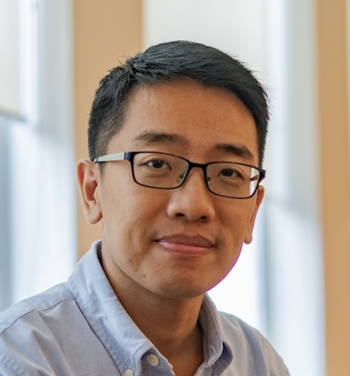
Stanley Choi

Chiu Fai Stanley Choi is a global affiliate visiting scholar at the Walter H. Shorenstein Asia-Pacific Research Center (Shorenstein APARC) for 2022-23. Choi is the founder of Head & Shoulders Financial Group based in Hong Kong. He has over 25 years of experience across the area of derivatives, private equity and blockchain. Currently, he has shifted his focus to personal investments becoming a major shareholder of Air Asia, a leading budget airline in Asia, and China Reinsurance, the largest reinsurance company in China. Choi earned his Master of Science (MS) at the University of Illinois at Urbana Champaign and his Doctor of Business Administration (DBA) at City University of Hong Kong.

Date Label
0
Global Affiliate Visiting Scholar, 2022-23
Ministry of Economy, Trade & Industry, Japan
Takuya Hirata

Takuya Hirata is a global affiliate visiting scholar at the Walter H. Shorenstein Asia-Pacific Research Center (Shorenstein APARC) for 2022-23. Hirata has over 12 years of experience working for the Ministry of Economy, Trade and Industry of Japan, mainly in charge of energy and environmental policy making and promoting Japanese industries such as the robotics and space industries. Most recently, he was responsible for tax system reform and business succession of small and medium enterprise including promoting M&A. He received his Master and Bachelor degree of Engineering from Kyoto University in Japan. 

Date Label
Authors
Noa Ronkin
News Type
News
Date
Paragraphs

The Walter H. Shorenstein Asia-Pacific Research Center (APARC) is pleased to invite applications for a suite of fellowships in contemporary Asia studies to begin fall quarter 2023.

The Center offers postdoctoral fellowships that promote multidisciplinary research on contemporary Japan and contemporary Asia broadly defined, inaugural postdoctoral fellowships and visiting scholar positions as part of the newly launched Stanford Next Asia Policy Lab, and a fellowship for experts on Southeast Asia. Learn more about each opportunity and its eligibility and specific application requirements:

Postdoctoral Fellowship on Contemporary Japan

Hosted by the Japan Program at APARC, the fellowship supports research on contemporary Japan in a broad range of disciplines including political science, economics, sociology, law, policy studies, and international relations. Appointments are for one year beginning in fall quarter 2023. The application deadline is December 1, 2022.
 

Shorenstein Postdoctoral Fellowship on Contemporary Asia

APARC offers two postdoctoral fellowship positions to junior scholars for research and writing on contemporary Asia. The primary research areas focus on political, economic, or social change in the Asia-Pacific region (including Northeast, Southeast, and South Asia), or international relations and international political economy in the region. Appointments are for one year beginning in fall quarter 2023. The application deadline is December 1, 2022.
 

Read More

Protesters in Myanmar stand on a picture of General Min Aung Hlaing
Commentary

It’s Time to Help Myanmar’s Resistance Prevail

The country’s brutal coup regime is no candidate for political compromise.
It’s Time to Help Myanmar’s Resistance Prevail
Chinese soldier
Commentary

China Hasn’t Reached the Peak of Its Power

Why Beijing can afford to bide Its time
China Hasn’t Reached the Peak of Its Power
Members of K-pop band BTS speak at a press briefing at the White House.
Commentary

Will Hallyu Swell to a Tidal Wave? Korea's Future as a Cultural Superpower

The Korean Wave, which has unique characteristics and continues to evolve in intriguing directions, could become a first mover on the global cultural scene.
Will Hallyu Swell to a Tidal Wave? Korea's Future as a Cultural Superpower
Hero Image
Stanford campus archway and text about call for applications for APARC 2023-24 fellowships
All News button
1
Subtitle

The Center offers a suite of fellowships for Asia researchers to begin fall quarter 2023. These include postdoctoral fellowships on contemporary Japan and the Asia-Pacific region, inaugural postdoctoral fellowships and visiting scholar positions with the newly launched Stanford Next Asia Policy Lab, and fellowships for experts on Southeast Asia.

-

2022 Sam Dr. Sam-Chung Hsieh Memorial Lecture
Date & Time: Wednesday, September 28, 2022     |    4:30 - 6:00 PM PT 
Location: Green Library, Bing Wing, 5th floor, Bender Room


Overreach and Overreaction: The Downward Spiral in the U.S.-China Relations 

Stanford Libraries and the Stanford Center on China’s Economy and Institutions are pleased to present the 2022 Dr. Sam-Chung Hsieh Memorial Lecture featuring Professor Susan Shirk who will be speaking on Overreach and Overreaction: The Downward Spiral in the U.S.-China Relations.  This is an in-person event.

Why did China abandon its successful foreign policy of restraint and shift toward confrontation and unchecked control over its own society? Surprisingly the shift began under Hu Jintao’s collective leadership (2002-12). Under the personalistic leadership of Xi Jinping the trend has intensified. Those who implement Xi's directives compete to outdo one another, provoking an even greater global backlash. To counter China’s overreach, the worst mistake the rest of the world, and the United States in particular, can make is to overreact. Understanding the domestic political drivers of foreign policy in both countries can help us stem the downward spiral in relations.


About the Speaker

Image
Susan Shirk

Susan Shirk is Chair of the 21st Century China Center and research professor at the UC San Diego School of Global Policy and Strategy. Shirk’s book, China:  Fragile Superpower helped frame the policy debate on China in the U.S. and other countries. Her articles have appeared in leading academic publications in political science, international relations, and China studies. She previously served as deputy assistant secretary of state (1997-2000) responsible for U.S. policy toward China, Taiwan, Hong Kong and Mongolia. She is director emeritus of the UC Institute on Global Conflict and Cooperation and founded the Northeast Asia Cooperation Dialogue, an unofficial forum for discussion of security issues. Shirk is a graduate of Mt. Holyoke College and received her PhD from M.I.T.


The family of Dr. Sam-Chung Hsieh donated his personal archive to the Stanford Libraries' Special Collections and endowed the Dr. Sam-Chung Hsieh Memorial Lecture series to honor his legacy and to inspire future generations. Dr. Sam-Chung Hsieh (1919-2004) was former Governor of the Central Bank in Taiwan. During his tenure, he was responsible for the world's largest foreign exchange reserves, and was widely recognized for achieving stability and economic growth. In his long and distinguished career as economist and development specialist, he held key positions in multilateral institutions including the Asian Development Bank, where as founding Director, he was instrumental in advancing the green revolution and in the transformation of rural Asia. Read more about Dr. Hsieh.


Questions? Contact Sonia Lee from Stanford Libraries 

Green Library, Bing Wing, 5th floor, Bender Room

Susan Shirk University of California San Diego
Lectures
Authors
News Type
News
Date
Paragraphs

This article was originally published in The Stanford Daily on August 22, 2022

For nearly two decades, Stanford has played host to what has quietly become one of the most influential pipelines to world leadership. Drawing 32 rising democratic leaders from 26 countries, Stanford’s Center on Democracy, Development and the Rule of Law (CDDRL) takes on a daunting annual task: Help shape the next generation of international decision-makers, many of whom will soon be at the forefront of global change.

Clearly, the program leaders — preeminent political scientists including democracy scholar Larry Diamond ’73 M.A. ’78 Ph.D. ’80, world-renowned political philosopher Francis Fukuyama, law professor Erik Jensen, CDDRL Mosbacher Director Kathryn Stoner, and former United States Ambassador to Russia Michael McFaul M.A. ’86 — are up to the task.

“When you see pictures today of Ukrainian President Volodymyr Zelenskyy in his bunker in Kyiv, Serhiy Leshchenko is right next to him. He’s one of our graduates,” Fukuyama said.

The Draper Hills Summer Fellows Program is an intensive academic training summit hosted by CDDRL that selects each class of global democratic leaders based on the existing work they have done to promote and protect democratic norms, as well as their potential to create more impact following the training program. 

“It all started in 2005 with Michael McFaul’s audacious idea that we could launch a Summer Fellows Program and try to train and interact with 30 of the brightest, most promising practitioners we could find around the world,” said law professor and Draper Hills lecturer Erik Jensen.

Erik Jensen Draper Hills 2022
Erik Jensen lectures on the rule of law at the Bechtel Conference Center. | Nora Sulots

Since then, Jensen said, the program has grown significantly, thanks to the generous support of Bill Draper and Ingrid von Mangoldt Hills, with even “more faculty who wanted to participate than we could accommodate.”

According to Fukuyama, Draper Hills has become an important forum for training democratic leaders around the world. 

“We try to provide a mixture of practical skills, networking tools and a stronger intellectual foundation so they can think about their future careers to determine the most strategically impactful way they can behave and act in the present,” he said.

In recent years, the program has shifted its focus toward technology, global warming, and poverty, which increasingly figure large roles in the fight for democracy, according to Jensen. Case studies, panels, and guest lectures from international experts fill the fellows’ three weeks on campus.

Outside of their classes in the Bechtel Center, the fellows tour San Francisco landmarks and enjoy group dinners hosted by the core faculty. In previous years, for example, fellows have visited local technology firms like Twitter, Google, and Facebook to explore “how democracies and autocracies can use technology to promote their goals,” Stoner said.

Draper Hills fellows discuss in class
Draper Hills Fellows discuss a case study on Indonesia’s Corruption Eradication Commission. | Nora Sulots

With help from the program, Draper Hills Fellows have consistently become leaders in law, politics, civil society organizations, and international development after graduation, with a growing alumni network of almost 400. Renchinnyam Amarjargalis, the former Prime Minister of Mongolia, was a fellow in 2005, along with other alumni who have risen to international prominence. 

Diamond added that the Foreign Affairs Minister of the government in exile of Myanmar, Zin Mar Aung, is also a former Draper Hills Fellow and has become “one of the most important leaders of the opposition in Burma fighting for democracy.”

The Draper Hills program gives its fellows more confidence and tools to see their work and struggles in a larger context, according to Diamond.

“Once you realize it’s part of a global pattern, you don’t feel that your national situation is quite so cursed,” he said. “You can draw strength from this solidarity and the sharing of experiences.”

Larry Diamond shares field experiences with fellows.
Larry Diamond shares field experiences with fellows. | Nora Sulots

Beyond the three weeks of the program, fellows remain connected to one another through on-campus gatherings, WhatsApp channels, and regional workshops around the world.

“As fellows, we are part of a very great network that always reminds us that, as activists for democracy and human rights, we are not alone,” said former Peruvian Minister of Education and current Draper Hills Fellow Daniel Alfaro. “There are others like us who are great fighters.” 

Participants, many of whom are already rising leaders in international democratic movements, are starting to see how valuable the program will be for their future work.

“Draper Hills has already expanded my horizons in terms of the roles that I can play in Mexican society to promote change, and provided many important allies and a network that can support these changes,” said current fellow Mariela Saldivar Villalobos, a Mexican activist and politician. “I feel deeply honored to have this opportunity. And I hope one day, Stanford will feel proud of investing its time and talent in me.”

Read More

Some of the original Ukrainian alumni from the Draper Hills Summer Fellowship gather in Kyiv in 2013.
News

A History of Unity: A Look at FSI’s Special Relationship with Ukraine

Since 2005, the Freeman Spogli Institute for International Studies has cultivated rich academic ties and friendships with Ukrainian scholars and civic leaders as part of our mission to support democracy and development domestically and abroad.
A History of Unity: A Look at FSI’s Special Relationship with Ukraine
Hero Image
Larry Diamond, Kathryn Stoner, Erik Jensen and Francis Fukuyama at the opening session of the 2022 Draper Hills Fellows Program
Larry Diamond, Kathryn Stoner, Erik Jensen and Francis Fukuyama at the opening session of the 2022 Draper Hills Fellows Program.
Nora Sulots
All News button
1
Subtitle

The Draper Hills Summer Fellows Program reconvened in person for the first time, bringing budding leaders together with the world’s most influential democracy scholars.

News Type
News
Date
Paragraphs

Earlier this year the Stanford Center on China's Economy and Institutions (SCCEI) joined the Center for Strategic and International Studies (CSIS) to launch Big Data China, a new project aimed at bridging the gap between cutting-edge academic research on China and the Washington policy community. Since the launch of the collaboration, SCCEI and CSIS have hosted a number of featured events, organized briefing sessions for academics to speak directly with policy makers,  launched a new project website, and much more.

We just don’t understand China — if we understood China better, we could make better policy decisions.
Scott Rozelle

Image
Big Data China logo
The Big Data China website features regular multimedia analysis with high-quality data that explores important trends in China’s economy and society. In the newest video release, Scott Rozelle, SCCEI Co-Director, and Scott Kennedy, CSIS Trustee Chair in Chinese Business and Economics, sit down to discuss why the Big Data China collaboration is needed now, more than ever. As Scott Rozelle puts it, "we just don’t understand China — if we understood China better, we could make better policy decisions." This collaboration aims to reduce the current gap between academia and Washington by identifying and highlighting the policy implications of cutting-edge scholarly work on China and presenting it directly to the policy community. 


Watch the video and visit the website for more from Big Data China!

Read More

American and Chinese flags
News

Politico: Biden Bets Big on Asia

Jude Blanchette from CSIS recommends Scott Rozelle's new book "Invisible China" saying, "If you’re thinking seriously about China’s future trajectory, it’s imperative you read this book to understand the possible impacts of China’s chronic underinvestment in education.”
Politico: Biden Bets Big on Asia
All News button
1
Subtitle

In this video short, Scott Rozelle, SCCEI Co-Director sits down with Scott Kennedy, CSIS Trustee Chair in Chinese Business, to discuss Big Data China, a new project aimed at bridging the gap between cutting-edge academic research on China and the Washington policy community.

Authors
News Type
News
Date
Paragraphs

The Program on Arab Reform and Democracy (ARD) at CDDRL is pleased to announce the release of the July 2022 issue of Mofeed Digest, a periodic recap of the most important scholarly and policy publications, reports, and articles investigating the impact of the COVID-19 pandemic on the politics, economies, and societies of the Arab world.

Mofeed Digest is a feature of the Mofeed Project, an initiative that builds foundational resources for understanding how the politics and societies of the Arab world have adapted in light of the pandemic. The Mofeed Project is supported in part by the Open Society Foundation.

Follow Mofeed-19 on Social Media


Mofeed Digest (July 2022)

The following digest summarizes the most important scholarly and policy publications, reports, and articles covering the impact of the COVID-19 pandemic on the politics, economies, and societies of the Arab world. Mofeed Digest is produced by Mofeed Project Coordinator Serage Amatory.

[MENA | Algeria | Bahrain | EgyptIraq| JordanLebanon| LibyaMauritania| Morocco| OmanPalestine| Qatar| Saudi ArabiaSomalia| Sudan| SyriaTunisia| UAE| Yemen]


MENA

[Back to Top]

Downplaying, Trust, and Compliance with Public Health Measures during the COVID-19 Pandemic in the MENA
POMEPS, June 2022
This working paper explains the varying levels of compliance with public health measures. Authors build on literature about compliance with non-pharmaceutical interventions and develop a theoretical argument for when trust in authorities is expected to support non-compliance, rather than compliance.

Impact of the Stringency and Volatility of COVID Containment Measures on Firms' Performances in the MENA region?
Economic Research Forum, June 2022
This working paper examines the impact of COVID containment measures and their volatility on firms’ performances. Findings indicate that tightening restrictions are associated with less sales.

Does COVID-19 Pandemic Spur Digital Business Transformation in the MENA Region? Evidence from Firm Level Data
Economic Research Forum, June 2022
This article assesses the role of the COVID-19 outbreak in accelerating digital transformation in the Middle East and North Africa region. The analysis relied on micro data collected from 5,480 firms surveyed in Egypt, Jordan, Morocco, and Tunisia. 

Are Labor Markets in the Middle East and North Africa Recovering from the COVID-19 Pandemic? 
Economic Research Forum, June 2022
This working paper explores how labor market outcomes for MENA workers have evolved during the COVID-19 pandemic. The paper uses the International Labour Organization (ILO) and the Economic Research Forum (ERF) COVID-19 MENA Monitor phone surveys in Egypt, Jordan, Morocco, Sudan and Tunisia to examine outcomes of employment, unemployment, and labor force participation, along with hours of work and hourly wages.

Job Loss during COVID-19: Estimating the Poverty and Food Security Effects in Egypt, Tunisia and Morocco 
Economic Research Forum, June 2022
This working paper discusses the impact of job losses caused by the COVID-19 pandemic on household income and food security in Egypt, Tunisia, and Morocco. The authors show that laid-off workers have a higher propensity to consume their savings, get help from relatives, sell assets and borrow from family.

The Impact of the COVID-19 Pandemic on Women's Care Work and Employment in the Middle East and North Africa
Economic Research Forum, June 2022
This working paper examines how MENA women’s unpaid care responsibilities have changed during the pandemic. 

Employment and Care Work During the COVID-19 Pandemic: Persistent Inequality in the Middle East and North Africa
Economic Research Forum, June 2022
This working paper studies employment rates, wage inequality, hours of work, and employment recovery during the COVID-19 pandemic and after a general recovery in mid-2021. 

The Impact of COVID-19 on Jobs, Incomes and Food Security in Egypt, Tunisia, and Morocco 
Economic Research Forum, June 2022
This working paper examines the impact of the COVID-19 crisis on job and income losses, and its relation to pushing people in Tunisia, Egypt and Morocco into extreme poverty.

Impact of COVID-19 on Health Professionals' Education in Eastern Mediterranean Region
East Mediterranean Health Journal, July 2022
This article assesses health professionals' education in the East Mediterranean Region and explores the strategies adopted to ensure the continuity of their education in light of the COVID-19 pandemic. 

The Impact of the COVID-19 Pandemic on Service Delivery for Noncommunicable Diseases in the Eastern Mediterranean Region. 
East Mediterranean Health Journal, July 2022
This article reports on an Noncommunicable Diseases (NCDs) assessment by the World Health Organization to evaluate the impact of COVID-19 on NCD-related services, programs, funding, and consideration of NCDs in COVID-19 response.

A New Approach in Identifying the Psychological Impact of COVID-19 on University Student’s Academic Performance
Alexandria Engineering Journal, July 2022
This article uses statistics and machine learning approaches to study the impact of COVID-19 pandemic on education systems especially on university students’ psychological health. The study was performed on students in Egypt, Saudi Arabia, and Jordan and looked at key determinants such as the use of digital devices, sleep habits, social communication, emotional mental state, and academic performance.

The Impact of COVID-19 on Gender Equality and Food Security in the Arab region with a focus on the Sudan and Iraq
Care Evaluations, 2 July 2022 
This report studies how the COVID-19 pandemic affected gender equality and food security in the MENA region. The regional focus of the study identified key themes, challenges, and norms across multiple contexts in the Arab region, while highlighting specific findings for Iraq and the Sudan.

Assessment of the Non-Communicable Diseases Kit for Humanitarian Emergencies in Yemen and Libya
BMJ Global Health, 7 July 2022
This article provides a summary of the key methodologies, findings, and limitations of non-communicable diseases kit assessments conducted in Libya and Yemen in order to ensure the contents are fit for purpose and to assess usability and utility.

Navigating beyond COVID-19 Recovery in the MENA Region
OECD, 14 July 2022
This article reflects on the impacts of the COVID-19 crisis on MENA countries and the potential changes it may bring to their reform agendas. It addresses the ongoing effects of the crisis and the long-term consequences and identifies emerging new trends. 

Pandemic Effects: COVID-19 and the Crisis of Development in the Middle East
Development and Change, 27 July 2022
This article explores the effects of the COVID-19 pandemic on socio-economic development and political mobilization in the Middle East. It argues that beyond its direct public health implications, the pandemic is serving to intensify the extreme inequalities in wealth and power that have characterized the region for many years. 


Algeria

[Back to Top]

The Impact of e-Learning Systems on Motivating Students and Enhancing Their Outcomes during COVID-19: A Mixed-Method Approach
Frontiers in Psychology, 29 July 2022
This article analyzes the impact of e-learning systems utilized during the COVID-19 pandemic across Algerian universities on higher education students' motivation and outcomes.


Bahrain

[Back to Top]

Bahrain COVID-19 Case Studies
World Health Organization, July 2022
This World Health Organization report lauds the Bahraini government for its management of the COVID-19 pandemic and highlights lessons learned from the Kingdom’s lockdown, testing, and vaccination experiences. 

The Impact of COVID-19 on Summer Travels in 2022
Derasat, 25 July 2022
This article from the Bahrain Center for Strategic, International, and Energy Studies "Derasat" reflects on the results of an opinion poll to study how COVID-19 impacted summer travels in 2022. [Arabic]


Egypt

[Back to Top

Egypt COVID-19 Country Case Study
Economic Research Forum, June 2022
This working paper examines COVID-19 measures undertaken by the Egyptian authorities and the effect they had on employment, wages, income, and enterprises. 

Promoting Family-Friendly Jobs and Labor Market Policies in Egypt in the Context of COVID-19 and beyond
Economic Research Forum, June 2022
This policy brief shows how the COVID-19 outbreak impacted females’ employment, time-use, and work preferences in Egypt and how it increased the burden of domestic work and unpaid work imposed on women with children, through the restrictions, measures, and closure of daycares and schools.

Outcome and Characteristics of COVID-19 Patients Associated with Stroke: A Multicenter Hospital-Based Study in Egypt
The Egyptian Journal of Neurology, Psychiatry and Neurosurgery, 7 July 2022
The article studies the impact of COVID-19 on strokes by examining the outcomes and characteristics of patients who had an acute ischemic stroke due to COVID-19 infection.

Clinical and Chest Computed Tomography Features of Patients Suffering from Mild and Severe COVID-19 at Fayoum University Hospital in Egypt
PLOS ONE, 8 July 2022
This article investigates whether chest CT characteristics are correlated to COVID-19 severity. Specifically, it evaluates the potential association between clinical data and 25-point CT score and investigates their predictive significance in COVID-19-positive patients at Fayoum University Hospital in Egypt.

Characteristics, Causes and Impact of Headache among a Sample of Physicians Working during COVID-19 Pandemic
The Egyptian Journal of Neurology, Psychiatry and Neurosurgery, 14 July 2022 
This article determines the prevalence of new onset headache among physicians working in COVID-19 isolation hospitals and its impact on their performance. Authors also aimed to explore factors affecting the headache symptoms and its clinical characteristics.


Iraq

[Back to Top

Knowledge, Attitudes, and Practices on COVID-19 in the Kurdistan Region of Iraq: An Online Cross-Sectional Survey
Passer Journal of Basic and Applied Sciences, June 2022
This article aims to gain a better understanding of the people’s awareness and their attitude towards the pandemic by conducting a knowledge, attitude, and practice (KAP) survey in Kurdistan.

Religious Beliefs and Work Conscience of Muslim Nurses in Iraq during the COVID-19 Pandemic
Historical Thought and Source Interpretation, 8 July 2022
This study aims to evaluate the impact of religious beliefs on work conscience of healthcare workers through a standard questionnaire conducted on 1800 Muslim nurses in Iraq during the COVID-19 pandemic. 

Prevalence of SARS -CoV-2 IgG/IgM Antibodies among Patients in Zakho City, Kurdistan, Iraq
The Journal of Infection in Developing Countries, 28 July 2022
This article aims to detect seropositivity against the SARS-CoV-2 virus among outpatients, symptomatic, and asymptomatic individuals in Zakho City in Kurdistan.

Potential Role of TLR3 and RIG-I Genes Expression in Surviving COVID-19 Patients with Different Severity of Infection
Iraqi Journal of Science, 31 July 2022
This article reports on a case-control study (100 recovered COVID 19 cases and 100 healthy individuals) which aimed to determine the role of gender, age, TLR3 and RIG-I genes in COVID-19 aggressiveness.


Jordan

[Back to Top

Obstacles in the Road of Biomedical Research on COVID-19 in Jordan: Poor Funding and Beyond
Journal of Global Health, July 2022 
This article examines the contributions of Jordanian scientists to academic studies on COVID-19 since the beginning of the pandemic, categorizes them, and provides insights on the challenges the researchers face such as limited funding. 

Dr. Assessment Problems Faced by Faculty Members at Fine Arts Faculties in Jordan During COVID-19 Epidemic
Journal of Arts and Humanities, 4 July 2022
This article examines the most common assessment challenges facing faculty members at Fine Arts Faculties in Jordan during the COVID-19 pandemic by surveying a sample of 38 faculty members working in Jordanian universities.

Vaccination Intention against COVID-19 among the Unvaccinated in Jordan during the Early Phase of the Vaccination Drive: A Cross-Sectional Survey
Vaccines, 21 July 2022
This article assesses the intention and predictors of accepting the corona virus disease 2019 (COVID-19) vaccine in Jordan. The article found that despite having high rates of intention to receive a COVID-19 vaccine, older adults and housewives, general workers and unemployed individuals were less likely to be vaccinated.

Establishing the First COVID-19 Convalescent Plasma Biobank in Jordan
Biopreservation and Biobanking, 28 July 2022
This article reflects on the identification and storage of 214 fresh frozen plasma units qualified for CCP-plasma therapy for COVID-19 patients according to World Health Organization standards and the subsequent establishment of the first COVID-19-convalescent plasma data and plasma biobank for treating COVID-19-infected cancer patients in Jordan and the region.


Lebanon

[Back to Top

Predicting Intention to Vaccinate against COVID-19 in Older Syrian Refugees in Lebanon: Findings from a Multi-Wave Study
medRxiv, 24 July 2022
This working paper aims to examine the prevalence, reasons and predictors of COVID-19 vaccine refusal among older Syrian refugees in Lebanon. 

Fear and Death Anxiety in the Shadow of COVID-19 among the Lebanese Population: A Cross-Sectional Study
PLOS ONE, 27 July 2022
This article assesses the fear related to the COVID-19 pandemic and its associated factors among the adult population in Lebanon. Death anxiety was identified as the most significant predictor of fear related to the COVID-19 pandemic.


Libya

[Back to Top] ​

Business Resilience in Libya in the Post-COVID Age
Spark, 17 July 2022 
This article reflects on SPARK’s extension of the Tadamon program to Libya with the Islamic Development Bank (IsDB) and the Islamic Solidarity Fund for Development (ISFD) to support medium, small, and micro enterprises in order to create job opportunities. The article assesses the resilience of businesses in Libya and provides further resilience designs. 

Low SARS-CoV-2 Antibodies in Blood Donors after the First 6 Months of COVID-19 Epidemic in the Tobruk Region, Eastern Libya
Disaster Medicine and Public Health Preparedness, 27 July 2022
This article estimates the seroprevalence rate of antibodies to severe acute respiratory syndrome coronavirus 2 (anti-SARS-CoV-2) in blood donors' population to reflect the progression of the epidemic in the Tobruk region and reveal how many people have contracted the virus because only symptomatic cases had been registered.


Morocco 

[Back to Top] ​

Morocco COVID-19 Country Case Study
Economic Research Forum, June 2022
This working paper assesses COVID-19 measures undertaken by Moroccan authorities and the effect they had on employment, wages, income, and enterprises.

Contribution to the Study of the Impact of COVID-19 on the Management of Accounting Results: Case of the Telecommunications and New Technologies Sector in Morocco
Revue Du Contrôle, De La Comptabilité Et De l’Audit, 26 July 2022
This article focuses on the management of corporate accounting results in the first year of the pandemic in Morocco. It analyzed the annual financial reports published on the website of the Moroccan Capital Market Authority to verify ex-post whether earnings management has taken place for all listed companies in the telecommunications and new technologies sector.


Oman

[Back to Top] ​

Seroconversion of COVID-19 in Frontline Healthcare Workers in a Tertiary Care Hospital in Oman
Oman Medical Journal, July 2022
This article studies the seroconversion among frontline staff at the highest risk of exposure to SARS-CoV-2 infections, including emergency department, critical care, and COVID-19 isolation wards in all healthcare job categories.

Prophylactic Anticoagulant Treatment Might Have an Anti-Inflammatory Effect and Reduce Mortality Rates in Hospitalized COVID-19 Patients?
Oman Medical Journal, July 2022
This article studies the anti-inflammatory effects of Prophylactic Anticoagulant Therapy (PAT) in COVID-19 patients. The article eventually determined that PAT was not effective. 

Impact of the COVID-19 Face Mask Disposal on Environment and Perception of People of the Sultanate of Oman
The Ethiopian Journal of Health Development, 4 July 2022
This article assesses how the SARS-CoV-2 virus disrupted the household waste management chain in the Sultanate of Oman. In addition, a descriptive survey has also identified people's perception about the existing household waste management system.

Factors Sustaining Clients' Behavioral Intentions To Use Smartphones-Banking In Oman: A Survey Study Based On COVID-19 Crisis
OSF-Center for Open Science, 9 July 2022
This article surveys the opinions of a sample of bank clients operating in the Omani banking sector regarding the impact of the COVID-19 pandemic on the client's behavioral intentions in adopting smartphone banking techniques and their sustainability use after the crisis. 

Conceptualizing Graduates Attributes (GAs) in English Language Teacher Education Programs in Oman During the COVID-19 Pandemic
Sage Open, 25 July 2022
This article examines stakeholders’ perspectives and aspirations concerning the graduate attributes used in English-language teacher education programs in Oman during and after the COVID-19 pandemic.


Palestine

[Back to Top] ​

An Investigation into Religious Awareness as a Crucial Factor in Adherence to COVID-19 Medical Directives in Palestine
BMC Public Health, 13 July 2022
This article examines the role of religion as a factor in adherence to the COVID-19 medical directives in Palestine. 


Qatar

[Back to Top] ​

COVID-19 Disease Severity in Persons Infected with the Omicron Variant Compared with the Delta Variant in Qatar
Journal of Global Health, 6 July 2022
This article studies the disease severity associated with the Omicron variant of the SARS-CoV-2 virus in order to determine the appropriate management strategies at the individual and population levels. The authors assess the severity of SARS-CoV-2 infection in persons infected with the Omicron vs the Delta variant.

Duration of Immune Protection of SARS-CoV-2 Natural Infection Against Reinfection in Qatar
MedRxiv, 7 July 2022
This working paper investigates the duration of protection afforded by natural infection, the effect of viral immune evasion on duration of protection, and protection against severe SARS-CoV-2 reinfection, in Qatar, between February 28, 2020 and June 5, 2022.

Effects of Previous Infection and Vaccination on Symptomatic Omicron Infections
The New England Journal of Medicine, 7 July 2022 
This article evaluates the effectiveness of vaccination with Pfizer–BioNTech or Moderna, natural immunity due to previous infection with variants other than omicron, and hybrid immunity (previous infection and vaccination) against symptomatic Omicron infection and against severe, critical, or fatal coronavirus disease 2019.

COVID-19 Risk Score as a Public Health Tool to Guide Targeted Testing: A Demonstration Study in Qatar
PLOS ONE, 19 July 2022
This article presents the development of a COVID-19 risk score to guide targeted RT-PCR testing in Qatar in order to identify those at highest risk of having the infection.

Assessing Factors Influencing Technology Adoption for Online Purchasing Amid COVID-19 in Qatar: Moderating Role of Word of Mouth
Frontiers in Environmental Science, 25 July 2022 
This article examines how contingencies disrupt existing theoretical models and their implications for the post-COVID-19 era for online purchases. 


Saudi Arabia

[Back to Top] ​

Fungal Coinfections in COVID-19-Positive Patients at a Tertiary Care Hospital in Saudi Arabia
Egyptian Journal of Medical Microbiology, July 2022
This article aims to investigate the relationship between fungal coinfections and morbidity and mortality rates in patients with severe COVID-19 admitted to a tertiary hospital in Makkah, Saudi Arabia.

Awareness, knowledge, Attitudes, and Practices before the Second Wave of the COVID-19 Pandemic in Saudi Arabia
European Review for Medical and Pharmacological Sciences, July 2022 
This article assesses the knowledge, awareness, and attitudes of the general population in Saudi Arabia towards COVID-19, as well as its adherence to preventive measures and its willingness to take the vaccine.

Contribution of Saudi Arabia to Regional and Global Publications on COVID-19–Related Research: A Bibliometric and Visualization Analysis
Journal of Infection and Public Health, July 2022
This article assesses the increasing Saudi Arabian contribution to worldwide research on COVID-19. 

Sustainable Participatory Governance: Data-Driven Discovery of Parameters for Planning Online and In-Class Education in Saudi Arabia During COVID-19
Frontiers in Sustainable Cities, 19 July 2022
This article provides a case study on sustainable participatory governance using a data-driven parameter discovery for planning online, in-class, and blended learning in Saudi Arabia evidenced during the COVID-19 pandemic.

Functional and Psychosocial Impact of COVID-19 Pandemic on Rheumatic Patients’ Quality of Life in Saudi Arabia
Quality of Life Research, 20 July 2022
This article studies the impact of COVID-19 on rheumatic patients both functionally and psychosocially, in addition to the virus' impact on their quality of life. 

Side Effects of COVID-19 Vaccines (Pfizer, AstraZeneca) in Saudi Arabia, Eastern Province
Cureus, 26 July 2022
This article studies the side effects of the COVID-19 vaccine and the factors that contribute to their occurrence. 

COVID-19 and Saudi Arabia: Awareness, Attitude, and Practice
Journal of Multidisciplinary Healthcare, 26 July 2022
This article reviews the awareness/knowledge, attitudes, and practices (KAP)-related publications in Saudi Arabia up to date to understand the impact of COVID-19 on these domains. 


Somalia

[Back to Top] ​

Overcoming COVID-19 Restrictions Through Adaptive Measures that Facilitate Access to Agricultural and Nutrition Knowledge
Food and Agriculture Organization of the United Nations, 2022 
This fact sheet documents a new distance learning initiative in Somalia through radio launched in 2020 by FAO as a response to public health threats posed by the COVID-19 pandemic, complementing cash+ activities and replacing face-to-face beneficiary training.

Double Burden on Health Services in Somalia due to COVID-19 and Conflict
Annals of Medicine and Surgery, July 2022
This article explores the detrimental effects of conflict in Somalia during the COVID-19 pandemic such as the inadequate amount of available health workers, facilities, and health service delivery methods.


Sudan

[Back to Top] ​

Attitude and Behavior of Emerging Novel COVID-19 Disease - Khartoum, Sudan
Medical Journal of Clinical Trials and Case Studies, 18 July 2022
This article assesses the attitudes and behavior of 1200 Sudani participants towards COVID-19 and reports negative attitudes in more than half of the participants. 


Syria

[Back to Top] ​

Knowledge and Attitudes about Influenza and the Common Cold in Syria Post COVID-19: A Qualitative Study
Annals of Medicine and Surgery, 16 July 2022
This article examines the knowledge and understanding of common flu and influenza during the COVID-19 pandemic in Syria. Key findings showed that most people cannot differentiate between common cold and influenza. 


Tunisia

[Back to Top] ​

Tunisia COVID-19 Country Case Study
Economic Research Forum, June 2022
This working paper examines COVID-19 measures undertaken by the Tunisian authorities and the effect they had on employment, wages, income, and enterprises. 

Adverse Effects of Personal Protective Equipment among First Line COVID-19 Healthcare Professionals: A Survey in Southern Tunisia
Infection, Disease and Health Journal, 12 July 2022
This article assesses the negative effects of personal protective equipment on healthcare workers in Tunisia. It estimates the prevalence of the adverse effects and determines their predictive factors.

COVID-19 Vaccines and Roles of the Health Regulatory Authority in Tunisia
Disaster Medicine and Public Health Preparedness, 28 July 2022
This article outlines the roles of the Tunisian regulatory authority, the Directorate of Pharmacy and Medicines (DPM) at the Ministry of Health, in the registration and the procurement of the COVID-19 vaccine.

Income Loss and COVID-19: Evidence from Tunisia
European Journal of Business and Management Research, 28 July 2022
This article assesses income loss during the COVID-19 pandemic in Tunisia in light of factors such as education, job sectors, and income brackets. 


UAE

[Back to Top] ​

The Rise of Telepharmacy Services during the COVID-19 Pandemic: A Comprehensive Assessment of Services in the United Arab Emirates
Pharmacy Practice, 4 July 2022
This article explores changes in community pharmacies’ processes in response to the pandemic in the United Arab Emirates (UAE) and factors affecting the adoption of these changes.

Distress Symptoms during the COVID-19 Lockdown: A Study with the General Population of the United Arab Emirates
Pharmacy Practice, 4 July 2022
This article analyzes distress symptoms surfacing during the COVID-19 lockdown period and their associated factors among a sample of the UAE population.

The Radiography Students’ Perspective of the Impact of COVID-19 on Education and Training Internationally: A Cross Sectional Survey of the UK Devolved Nations (UKDN) and the United Arab Emirates (UAE)
Radiography, 18 July 2022
This article investigates the impact of COVID-19 on the education and training of radiography students internationally in the United Kingdom Devolved Nations (UKDN) and the United Arab Emirates (UAE), to determine any possible impact on their future careers.

Prevalence and Factors Associated with Mental Illness Symptoms among School Students Post Lockdown of the COVID-19 Pandemic in the United Arab Emirates: A Cross-Sectional National Study
medRxiv, 21 July 2022
This working paper analyzes the frequency of depression, anxiety and PTSD after the COVID-19 pandemic lockdown in school students in the UAE. 

ABO Blood Group in Relation to COVID-19 Susceptibility and Clinical Outcomes: A Retrospective Observational Study in the United Arab Emirates
Life, 29 July 2022
The article studies the relation between ABO blood groups and clinical outcomes in COVID-19 patients.


Yemen

[Back to Top] ​

Situation Report for COVID-19: Yemen
MRC Centre for Global Infectious Disease Analysis - Imperial College London, 3 July 2022 
This report uses excess mortality data in Yemen for the period of the COVID-19 epidemic, calculated by comparing current mortality to historic trends and then back-calculating an inferred number of COVID-19 infections using mathematical modeling techniques to estimate the number of people that have been infected and to make short-term projections for future healthcare needs.

Hero Image
Mofeed Digest 2
All News button
1
Subtitle

The Program on Arab Reform and Democracy (ARD) at CDDRL is pleased to announce the release of the July 2022 issue of Mofeed Digest, a periodic recap of the most important scholarly and policy publications, reports, and articles investigating the impact of the COVID-19 pandemic on the politics, economies, and societies of the Arab world.

-
Catlan Reardon seminar

Communal violence remains an enduring experience across many multi-ethnic societies. In these diverse communities, small-scale clashes can quickly escalate into severe cycles of violence. While tensions within these communities are nearly ubiquitous, the outbreak of violence is not. What accounts for these pockets of peace within conflict zones? I argue that violent outbreaks depend on the efficacy of local leaders—and citizen responses—in dispute resolution, which are shaped by the strength of ties leaders possess both within (bonding capital) and across (bridging capital) communities.

To examine my core theoretical predictions, I conducted a randomized controlled trial and surveys with local leaders and citizens across 88 communities in Nigeria. I find that leaders with cross-group ties perceive outgroup leaders with more credibility, report more successful dispute resolution and, ultimately, fewer violent events. In addition, I find that the residents who live under more bridged leaders are more likely to comply with decisions and report improved security.

ABOUT THE SPEAKER

Image
Catlan Reardon
Catlan Reardon is the Einstein-Moos Postdoctoral Fellow at CDDRL at Stanford University. She received her PhD in Political Science in August 2022. Her research lies at the intersection of elite political behavior, violence, and the political economy of development, with a focus on sub-Saharan Africa. Her book project explores how local leaders impact violence through examining their key roles as arbiters of local disputes, drawing primarily from field research in North-Central Nigeria. She is particularly interested in understanding the incentives behind local leader behavior within local conflict resolution and how this influences the extent to which small-scale clashes escalate into larger spirals of violence. She also has several projects examining the effect of top-down and bottom-up peacebuilding interventions on violence and social cohesion. She has conducted field work in India, Uganda, Kenya, and Nigeria.


Virtual to Public. Only those with an active Stanford ID with access to E008 in Encina Hall may attend in person.

Didi Kuo

Virtual to Public. Only those with an active Stanford ID with access to E008 in Encina Hall may attend in person.

0
Einstein-Moos Postdoctoral Fellow, 2022-23
catlan_reardon_2022.jpg

Catlan Reardon is a PhD candidate in Political Science and a Research Associate at the Center on the Politics of Development at the University of California, Berkeley. Her research lies at the intersection of elite political behavior, violence, and the political economy of development, with a focus on sub-Saharan Africa. Her dissertation and first book project, The Ties that Bind or Break: Local Leaders, Dispute Arbitration, and Violence in Nigeria, examines the influence of local leaders on mitigating or exacerbating violence through examining their key roles as arbiters of local disputes. She has conducted fieldwork in India, Uganda, Kenya, and Nigeria and has consulted on projects with USAID, DAI, and Mercy Corps.

Prior to graduate school, Catlan worked for Innovations for Poverty Action in Uganda and Kenya managing studies on micro-savings, health and governance, and technology diffusion. She also was a Research Manager at the Institution for Social and Policy Studies at Yale University. Catlan holds an M.A. in Political Science from Leiden University and a B.A. in Political Science from Wake Forest University.

Seminars
0
rhiannon.jpg Ph.D

Dr. Neilsen is an Assistant Professor in International Security at Baruch College, City University of New York (CUNY). She was the Cyber Security Fellow at CISAC from 2022-2024. Her research focuses on new technologies in conflict (specifically cyber, social media, and AI), mass atrocities, dis/misinformation, and the ethics of war. Her published work has appeared in International Affairs, Terrorism & Political Violence, Ethics & International Affairs, Journal of Intervention and Statebuilding, Genocide Studies & Prevention, Lawfare, Just Security, and War on the Rocks. 

Previously, Rhiannon was a Postdoctoral Fellow at the Australian National University, a Research Consultant for the Institute for Ethics, Law and Armed Conflict (ELAC) at the University of Oxford, and a Visiting Fellow at the NATO Cooperative Cyber Defense Center of Excellence.

Affiliate
Authors
Noa Ronkin
News Type
News
Date
Paragraphs

The Freeman Spogli Institute for International Studies (FSI) is pleased to announce that Ambassador Scot Marciel has been appointed the Oksenberg-Rohlen Fellow, working within the Walter H. Shorenstein Asia-Pacific Research Center (Shorenstein APARC). Mr. Marciel has more than 35 years of experience in diplomacy and public policy, much of it focused on Southeast Asia. Most recently, he was a visiting scholar and practitioner fellow on Southeast Asia at APARC.

“Scot brings a deep understanding of Southeast Asian nations and unique expertise on the policy dynamics that have shaped the course of U.S.-Southeast Asia relations,” said Gi-Wook Shin, director of Shorenstein APARC. “We are fortunate to have him with us at APARC as we continue working together to bridge the worlds of scholarship and practice to foster intellectual exchange and policy dialogue on Southeast Asia and U.S. interests in the region.”

During his foreign service career, Marciel served as U.S. ambassador to Myanmar from March 2016 through May 2020, leading a mission of 500 employees during the difficult Rohingya crisis and spearheading U.S. efforts to normalize the bilateral relationship with Myanmar during its democratic transition. He also served as U.S. ambassador to Indonesia from 2010 to 2013 and the first U.S. ambassador for ASEAN affairs from 2008 to 2010. He twice served as the senior U.S. official responsible for relations with Southeast Asia in the State Department, first as deputy assistant secretary of state for East Asia and the Pacific and later as principal deputy assistant secretary of state for East Asia and the Pacific.

Early in his career, Marciel opened and led the U.S. State Department’s first post-war office in Hanoi, Vietnam, and worked in the U.S. embassies in the Philippines and Hong Kong. His other assignments included posts in Turkey, Brazil, and in the State Department’s Office of Monetary Affairs.

Marciel is the author of the forthcoming book Imperfect Partners: The United States and Southeast Asia, which will be published by Shorenstein APARC in fall 2022. Drawing on his extensive experience as a former senior U.S. diplomat and his direct involvement in some of the most pivotal turning points in America’s relationships with Southeast Asian nations, the book analyzes important domestic developments in the region, examines the interplay between them and U.S. policy toward Southeast Asia, and considers the way forward in U.S. engagement with the region.

“I'm looking forward to continuing to write and speak about critical, current policy issues in Southeast Asia, ranging from the Myanmar crisis to U.S. efforts to bolster its economic diplomacy," said Marciel.

Marciel earned a master’s degree from the Fletcher School of Law and Diplomacy and a bachelor’s degree from the University of California at Davis.

Read More

Flanked by Sultan of Brunei Haji Hassanal Bolkiah (L) and President of Indonesia Joko Widodo (R), U.S. President Joe Biden points towards the camera.
Commentary

In Southeast Asia, the United States Needs to Up its Economic Game

The harsh reality is that, even with still-strong security partnerships, it is hard to imagine the US being able to sustain its overall influence in the region if it continues to lose ground economically.
In Southeast Asia, the United States Needs to Up its Economic Game
ASEAN leaders during a Summit discussion.
Q&As

ASEAN’s Five-Point Consensus ‘Not Appropriate’ for Myanmar: Ex-US Ambassador

The Irrawaddy spoke to Scot Marciel, former United States ambassador to Myanmar and currently a visiting scholar at APARC, about the current state of regional and international efforts to tackle the Myanmar crisis.
ASEAN’s Five-Point Consensus ‘Not Appropriate’ for Myanmar: Ex-US Ambassador
Hero Image
Portrait of Scot Marciel on background of Encina Hall with text "Oksenberg-Rohlen Fellow"
All News button
1
Subtitle

Marciel, a former senior U.S. diplomat, brings extensive experience in public policy focused on Southeast Asia. His appointment is based at FSI’s Walter H. Shorenstein Asia-Pacific Research Center.

Subscribe to International Relations