-

This event will offer simultaneous translation between Japanese and English. 
当イベントは日本語と英語の同時通訳がついています。

This is a virtual event. Please click here to register and generate a link to the talk. 
The link will be unique to you; please save it and do not share with others.
当イベントはZoomウェビナーで行われます。ウェビナーに参加するためには、こちらのリンクをクリックし、事前登録をして下さい。

March 1, 5-6:30 p.m. California time/ March 2, 10-11:30 a.m. Japan time

This event is part of the 2022 Japan Program Winter webinar series, The Future of Social Tech: U.S.-Japan Partnership in Advancing Technology and Innovation with Social Impact


The challenges of climate change require solutions on multiple fronts, one of which is technological innovation. Attempts for innovation for new energy sources have been ongoing in many parts of the world, and Japan has produced a number of new technologies. This session will focus on two of the most promising innovations coming out of Japan, biofuel and hydrogen energy, and assess their promises and challenges, highlighting technological, regulatory, and business aspects of developing new technologies. Where do these technologies fit in the energy portfolio that would address the issues of climate change and what can Japan and the United States do to collaboratively solve the key problems in advancing these technologies further? Three leading experts in the field will discuss these questions that would shape the future of climate change. 


Panelists

Image
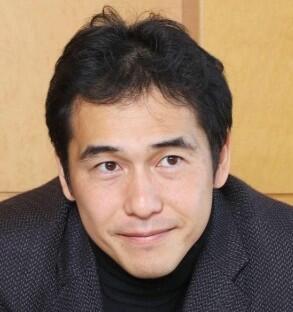
Headshot photo of Mitsuru Izumo
Mitsuru Izumo is a graduate of the University of Tokyo, having specialised in agricultural structural
management. In 2005, he established Euglena Co., Ltd. to harness the properties of microalgae
Euglena. Euglena Co., Ltd. became the world’s first biotechnology company that succeeded in the
outdoor mass cultivation of Euglena. Currently, Euglena Co., Ltd upholds “Sustainability First” as
their philosophy and has developed the manufacture and sale of foods and cosmetics as the
healthcare domain, the biofuel business, the bioinformatics business, and the social business in
Bangladesh by leveraging Euglena and other advanced technologies.


Image
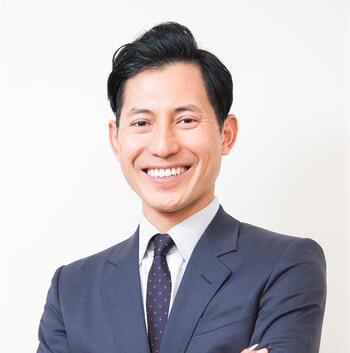
Headshot photo of Eiji Ohira
Eiji Ohira is the Director General of the New Energy and Industrial Technology Development Organization (NEDO)’s Fuel Cell and Hydrogen Technology Office In this capacity, he is responsible for the overall strategy, execution and coordination of NEDO’s research, development and demonstration project on fuel cell and hydrogen.

He has also coordinated fuel cell and hydrogen activities with international stakeholders, through International Energy Agency’s Technology Collaboration Program (IEA TCP: Advanced Fuel Cell & Hydrogen), and International Partnership for Hydrogen and Fuel Cells in the Economy (IPHE). 

He joined the NEDO in 1992, just after graduation from the Tokyo University of Science. He served as a visiting scholar at the Massachusetts Institute of Technology in 1997-1998.


Moderator

Image
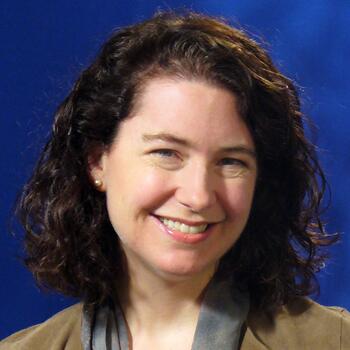
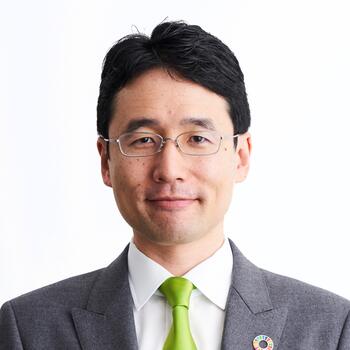
Headshot photo of Kate Hardin
Kate Hardin, Deloitte Executive Director for Energy and Industrials Research, has worked in the energy industry for 25 years.  She currently leads Deloitte research on the impact of the energy transition on the energy and industrial manufacturing sectors. Before that, Kate led integrated coverage of transportation decarbonization and the implications for the oil, gas, and power sectors.  Kate has also developed global energy research for institutional investors and has led analysis of Russian and European energy developments.  Kate recently served as an expert in residence at Yale’s Center for Business and Environment, and she is also a member of the Council on Foreign Relations.  


Image
Shorenstein APARC Winter 2022 Speaker Series Icon with text "New Frontiers: Technology, Politics, and Society in the Asia-Pacific"
This event is part of the 2022 Winter webinar series, New Frontiers: Technology, Politics, and Society in the Asia-Pacific, sponsored by the Walter H. Shorenstein Asia-Pacific Research Center.

Via Zoom Webinar
Register:  https://bit.ly/3LuNa94


Mitsuru Izumo <br>Founder and President, Euglena Co Ltd.<br><br>
Eiji Ohira <br>Director General of Fuel Cell and Hydrogen Technology Office, Japan New Energy and Industrial Technology Development Organization (NEDO) <br><br>
Kate Hardin <br>Executive Director, Deloitte Research Center for Energy & Industrials
Panel Discussions
Authors
Gary Mukai
News Type
Blogs
Date
Paragraphs

The following is Part 7 of a multiple-part series. To read previous installments in this series, please visit the following articles: Part 1, Part 2, Part 3, Part 4, Part 5, and Part 6.

Since December 8, 2020, SPICE has posted six articles that highlight reflections from 49 students on the question, “What does it mean to be an American?” Part 7 features eight additional reflections.

The free educational website “What Does It Mean to Be an American?” offers six lessons on immigration, civic engagement, leadership, civil liberties & equity, justice & reconciliation, and U.S.–Japan relations. The lessons encourage critical thinking through class activities and discussions. On March 24, 2021, SPICE’s Rylan Sekiguchi was honored by the Association for Asian Studies for his authorship of the lessons that are featured on the website, which was developed by the Mineta Legacy Project in partnership with SPICE.

Since the website launched in September 2020, SPICE has invited students to review and share their reflections on the lessons. Below are the reflections of eight students. I am grateful to Dr. Ignacio Ornelas, Teacher, Willow Glen High School, San Jose, California; Mineko Todd, Teacher, Waiakea High School, Hawaii; Aya Shehata, Hilo High School, Hawaii; and Kathryn Tolbert, a former editor and reporter at The Washington Post for their support with this edition. The reflections below do not necessarily reflect those of the SPICE staff.

Kylie Copeland, California
What makes one an American is not based on their ethnicity or the color of their skin, but rather their devotion to life, liberty, freedom, and the pursuit of happiness. These unalienable rights and their importance have been repeated in many pieces of American literature. These rights have shown to not hold as much value when concerning race. As a White-Vietnamese woman, I have endured experiences where I have been treated like I don’t fit an American profile, even though my morals are those that align with the unalienable rights. It is important to understand that one who is American is one who is determined to fight for liberty, and fight for freedom, and fight for those who are affected daily by these important rights.

Janessa Dillion, California
American ideals are among of the most falsely advertised concepts I have had to face growing up. I was taught that there is pride in being an American and what the country stood for. “Liberty and justice for all” is a lie when our own justice system would condone slavery and police brutality. Our founding fathers constructed a country benefiting only the people that they thought mattered. America is not broken; it is how it was intended to be and now it’s up to the youth (the leaders of the future) that recognize this to not “fix” it but to deconstruct what we currently have in place. I am proud to be an American because I get to create a better future and that’s where my patriotism lies.

Evan Ingerick, Pennsylvania
I take being American for granted. I’m a third generation Japanese American. My great-grandmother is a war bride from Japan. I live in rural Pennsylvania. I have heard stories from my grandpa about being bullied about his skin and race. To me, times have changed where kids aren’t as prejudiced. When I think of being American, I think of all the “freedoms” we have. For me, it is freedom of speech, religion, the ability to choose courses for my choice of a career. I can play all sports. I can do anything anyone else can. If I question what being an American is, I wonder if our democracy is eroding because of all race-related riots, immigration problems, voting systems problems in the news today. These things concern me.

Justin Katayama, New York
While the Japanese tend to be bound to their idea of peace, Americans tend to believe that they are the ones who can bring about justice by raising their voice. While the Japanese believe the same thing, they don’t speak out because they prioritize harmony. Because Japan is very conservative, there is not as much conflict. While I am of Japanese ancestry, I was born and raised in America. I was raised to have the mentality that my opinion matters and that I should speak out when I believe I should. Being an American means that my voice isn’t bound by anything and that it will always be heard by someone.

Mailiokawailelenani Mckeague, Hawaii
Living around 2,000 miles away from what I think is the true America, the term “American” has never been more than the title of the country I live in. I say the Pledge of Allegiance every morning and watch the news every night, yet there is rarely any mainstream media on Hawaii, where I live. There is a big debate on whether Hawaii is a part of America since it was illegally overthrown. With my father being Japanese and Hawaiian and my mother being from Brazil, there seems to be a big gap between where I fit into this idea of being an American. Yet to me, that seems exactly what it means to be American. To be American means to live in a diverse community of people who may not feel like they fit in but they call America home nonetheless. 

Daniela Muñoz, California
Even though we live in a land of freedom, oftentimes being American means having the necessity to fight for equality and justice. People see America as such a perfect country. In reality, a lot of people have had to fight hard to have the opportunities that they have today. My parents are immigrants who came to the United States for better opportunities. They followed their American dream to accomplish things that they wouldn’t have been able to accomplish in their home country. I have Mexican roots and I sometimes think that I will never truly feel the full experience as an American, but I will contribute to traditions and help better the community. It is the significance of maintaining our traditional culture regardless that is important to me.

Nyla Gaeta Nedrow, California
Since its foundation, the United States has been recognized as a pioneer for change. As Americans, I think it’s our duty to keep pushing for progress in areas such as equity and fairness. Our country is far from perfect but when we stand united towards a common goal, anything is possible. From the American Revolution to our most recent election, the American people have proven again and again that we can be agents for change. Being an American means having a nuanced understanding of our country’s past and present. Just because we are asking for improvement does not mean we love our country any less. If anything, I think it means quite the opposite. We ask for improvement because we want the best for our country and for its people.

Hokulani Thomas, Hawaii
When I think about what it means to be an American, I think about diversity. Our country is made up of all different kinds of people from all over the world. From where I am from, which is Hawaii, being mixed race is completely the norm. You could take a walk around town and meet and see people of all different backgrounds. And while to this day there is still prejudice and hate over some cultures and races, in Hawaii we have love and aloha for one another, and we celebrate and support one another’s cultures. So when I think about what it means to be an American, I think about diversity, and how we are getting more and more accepting of different cultures every year.

 

Read More

headshots of eight high school students
Blogs

What Does It Mean to Be an American?: Reflections from Students (Part 6)

Reflections of eight students on the website “What Does It Mean to Be an American?”
What Does It Mean to Be an American?: Reflections from Students (Part 6)
headshots of eight high school students
Blogs

What Does It Mean to Be an American?: Reflections from Students (Part 5)

Reflections of eight students on the website "What Does It Mean to Be an American?"
What Does It Mean to Be an American?: Reflections from Students (Part 5)
Hero Image
headshots of eight high school students
Clockwise from top left: Kylie Copeland, Janessa Dillon, Evan Ingerick, Justin Katayama, Mailiokawailelenani Mckeague, Daniela Muñoz, Nyla Gaeta Nedrow, Hokulani Thomas
All News button
1
Subtitle

Reflections of eight students on the website “What Does It Mean to Be an American?”

Authors
Gary Mukai
News Type
Blogs
Date
Paragraphs

Rylan Sekiguchi has been selected as a cohort fellow for the Movers and Shakas program (M&S)—an initiative to attract remote workers, especially returning kamaʻāina (Hawaiʻi residents), to create a more innovative, resilient, and sustainable Hawaiʻi. The rationale for the establishment of M&S is based on the following.

“Brain drain” is an enduring challenge for Hawaiʻi as we lose key talent and family members to economic opportunities on the continent. M&S focuses on “brain gain” to grow and diversify Hawaiʻi’s economy so that local folks can come home and never have to leave in the first place.

A recent article, “Hawaiʻi’s Population Drain Outpaces Most States—Again,” in Honolulu Civil Beat features comments by M&S Director Nicole Lim. In the article, she notes, “The overall goal is really brain gain. How to tie people into Hawaiʻi for the good of Hawaiʻi.”

Selected from thousands of applicants, Sekiguchi is one of 50 in the second M&S cohort contributing to the community through volunteer projects and developing personal and professional relationships with people from diverse backgrounds. Sekiguchi is working primarily with the PA‘I Foundation, which is led by Executive Director Vicky Holt Takamine, a respected kumu hula (master teacher of hula), well-known Native Hawaiian advocate, and valuable proponent of M&S in the local community.

The Movers and Shakas program is based on three key pillars.

  • Learn: Cultural education helps cohort fellows understand the historical and current context of Hawaiʻi, allowing them to build stronger personal relationships and connect more deeply with Hawaiʻi.
  • Contribute: Volunteering allows cohort fellows to contribute their unique professional skillsets and experiences to local nonprofits and startups while learning about Hawaiʻi from community leaders in a reciprocal relationship.
  • Connect: Community building centers around the two-way sharing of knowledge, ideas, and culture to foster strong bonds between individuals, within the cohort, with volunteer partner orgs, and with the general public.
     

Following a recent visit to the Bishop Museum, designated as the Hawaiʻi State Museum of Natural and Cultural History, Sekiguchi reflected on his experience. “Though I was born and raised in Hawaiʻi, it wasn’t until I moved to the continent as a student at Stanford University that I began to truly recognize my connection to this place. After being away for 19 years, M&S has been an incredibly meaningful experience for me and an extraordinary opportunity to reconnect with Hawaiʻi. It’s also been inspiring to connect with my M&S cohort mates, many of whom also have personal connections to the state. Someday, I hope to connect my SPICE work more closely with the M&S community.”

rylan sekiguchi

Rylan Sekiguchi

Full Bio

Read More

SPICE Instructor Kasumi Yamashita speaks with Native and Indigenous educators
Blogs

Indigenous Voices: Educational Perspectives from Navajo, Native Hawaiian, and Ainu Scholars in the Diaspora

This article recaps a June 18, 2021 webinar that featured three Native and Indigenous scholars and includes recommendations for using the webinar recording in classrooms.
Indigenous Voices: Educational Perspectives from Navajo, Native Hawaiian, and Ainu Scholars in the Diaspora
rylan sekiguchi
News

SPICE’s Rylan Sekiguchi Is the 2021 Franklin R. Buchanan Prize Recipient

Rylan Sekiguchi was announced this week as the recipient of the 2021 Franklin R. Buchanan Prize for his authorship of What Does It Mean to Be an American?
SPICE’s Rylan Sekiguchi Is the 2021 Franklin R. Buchanan Prize Recipient
Stanford Professor Kären Wigen gives a virtual seminar for Stanford SEAS Hawaii
News

Teachers in Hawaii Connect with Stanford Scholars

Twenty-four high school educators comprise the inaugural cohort of Stanford/Freeman SEAS Hawaii Fellows.
Teachers in Hawaii Connect with Stanford Scholars
Hero Image
group photo including Rylan Sekiguchi at the beach in Hawaii
Rylan Sekiguchi (front row, fourth from the right) with his cohort mates on Oahu; photo courtesy Movers and Shakas
All News button
1
Subtitle

Movers and Shakas is an initiative to attract remote workers, especially returning kamaʻāina, to create a more innovative, resilient, and sustainable Hawaiʻi.

This event will offer simultaneous translation between Japanese and English. 
当イベントは日本語と英語の同時通訳がついています。

This is a virtual event. Please click here to register and generate a link to the talk. 
The link will be unique to you; please save it and do not share with others.
当イベントはZoomウェビナーで行われます。ウェビナーに参加するためには、
こちらのリンクをクリックし、事前登録をして下さい。


Febuary 14, 4-5:30 p.m. California time/ February 15, 9-10:30 a.m. Japan time

This event is part of the 2022 Japan Program Winter webinar series, The Future of Social Tech: U.S.-Japan Partnership in Advancing Technology and Innovation with Social Impact


COVID-19 has changed the way we work. While remote work has become the norm, the pandemic has also highlighted the inequity in childcare, elderly care, and household work. Japanese workplaces feel a particularly acute need for adjustment, as lack of digitalization and persistent gender inequality continue to limit productivity gains and diversity in the workforce. Social entrepreneurs in Japan have started offering new technologies that address these problems and transform Japanese work environments, using matching algorithms, innovative apps, and other new technologies. How can these social technologies reshape the workplace? What principles do we need in using these technologies in practice, in order to unlock the keys to untapped human resource potentials and realize a more equitable and inclusive work environment in Japan, the United States, and elsewhere?  Fuhito Kojima, a renowned economist specializing in matching theory, will talk about market design from the perspective of regulation design and economics, and Eiko Nakazawa, an influential entrepreneur, will speak about her experiences founding education and childcare startups in the United States and Japan, moderated by Yasumasa Yamamoto, a leading expert on technology and business in Japan and the United States. 


Panelists

Image
Photo of Fuhito Kojima
Fuhito Kojima is a Professor of Economics at the University of Tokyo and Director of the University of Tokyo Market Design Center. He received a B.A. at University of Tokyo (2003) and PhD at Harvard (2008), both in economics and taught at Yale (2008-2009, as postdoc) and then Stanford (2009-2020, as professor) while spending one year at Columbia in his sabbatical year. His research involves game theory, with a particular focus on “market design,” a field where game-theoretic analysis is applied to study the design of various mechanisms and institutions. His recent works include matching mechanism designs with complex constraints, and he is working on improving medical residency match and daycare seat allocation in Japan based on his academic work. Outside of academia, he serves as an advisor for Keizai Doyu Kai as well as several private companies.


Image
Photo of Eiko Nakazawa
Eiko Nakazawa is the Founder and CEO of Dearest, Inc., a VC-Backed startup in the United States that makes high-quality learning, childcare, and parenting support accessible by helping employers subsidize those costs for their working families. She also advises and invests in early-stage startups, and has recently co-founded Ikura, Inc., an education x fintech company in Japan. Prior to founding Dearest, Nakazawa spent 11 years with Sony Corporation, where she led global marketing, turnaround, and new business launch initiatives. Nakazawa earned an M.S. in Management from Stanford Graduate School of Business.


Moderator

Image
Photo of Yasumasa Yamamoto
Yasumasa Yamamoto is a Visiting Professor at Kyoto University graduate school of management and has been a specialist in emerging technology such as fintech, blockchain, and deep learning. He was previously industry analyst at Google, senior specialist in quantitative analysis of secularized products, as well as derivatives at Bank of Tokyo Mitsubishi in New York. Yamamoto holds a M.S. from Harvard University and a masters degree from University of Tokyo.


Via Zoom Webinar
Register:  https://bit.ly/3odkWFT 


Fuhito Kojima <br>Professor of Economics at the University of Tokyo<br><br>
Eiko Nakazawa <br>Founder and CEO, Dearest Inc.<br><br>
Yasumasa Yamamoto <br>Visiting Professor at Kyoto University
Panel Discussions
Authors
Melissa Morgan
News Type
News
Date
Paragraphs

James Bond; Jason Bourne; Jack Bauer: cinema spies like these are the suave and daring face of spycraft and intelligence for most people.

That’s a problem, says Amy Zegart, a senior fellow at the Center for International Security and Cooperation (CISAC). In her new book, Spies Lies and Algorithms, Zegart draws on her expertise in U.S. intelligence and national security to debunk some of the pop cultural tropes around spycraft, many of which have a surprisingly pervasive influence on how both the public and policymakers understand the intelligence community.

She joins FSI Director Michael McFaul on World Class podcast to talk about the book and what she’s learned from her research about the challenges the U.S. intelligence community will need to meet in order to stay competitive in a rapidly-evolving, increasingly digital world.

Listen to the full episode now. A transcript and highlights from their conversation are available below.

Click the link for a transcript of “Spies, Lies and Algorithms with Amy Zegart."

The Origins of Spies, Lies and Algorithms


When I was a professor at UCLA, I was teaching an intelligence class. On a lark, I did a survey of my students and I asked them about their spy-themed entertainment viewing habits, as well as their attitudes towards certain intelligence topics like interrogation techniques.

What I found was there was a statistically significant correlation between their spy-themed viewing habits; people who watch the show 24 all the time were far more pro-waterboarding, among other things, than students who didn't watch spy-themed entertainment.

This got me really thinking, what do people know about espionage? Where do they get this information? And what I found is that most Americans don't know anything about the intelligence community, and when you're talking about spy agencies in a democracy, that's really problematic.

The original book was going to be more of a textbook for the class I was teaching, but as I write it, so many things started to change in the intelligence community, both politically and technologically. So with that in mind, I tried to make it forward looking to where intelligence needs to go, not just backward to where it’s been.

Spies, Lies and Algorithms, by Amy Zegart

Spies, Lies and Algorithms

Amy Zegart
Purchase Now

Who are the Spies?
 

The biggest surprise for me came from the research I did on open-source intelligence and nuclear threats. If ever there was an area you would think spy agencies would have cornered the market on intelligence, it would be nuclear threats.

But what I found is that there's a whole ecosystem of non-governmental people tracking nuclear threats around the world and actually uncovering really important things. That includes some open-source nuclear sleuths here at Stanford among my colleagues at CISAC.

The more I dug into this, the more I realized that open-source intelligence and publicly available data is the ballgame in the future of intelligence. Secrets still matter; but they matter a whole lot less than they did even ten years ago.

There is so much insight that we can glean from open-source information, but the intelligence community has to figure out better ways to connect with organizations and people who are in this ecosystem.

Open-source intelligence and publicly available data is the ballgame in the future of intelligence. Secrets still matter; but they matter a whole lot less than they did even ten years ago.
Amy Zegart
Senior Fellow at CISAC

What are the Lies?


Intelligence is about deception. We don't want our enemies to understand all of our military capabilities, for example, or what our intentions are.

But I think the technology and data revolutions of the last few decades has also changed the nature of deception. It’s gone from elites deceiving elites about where their troops are, and whether they're going to attack, to mass audience deception and this disinformation-information warfare of domestic audiences like we're experiencing here in the United States.

Understanding deception, not in a pejorative sense but as an analytic frame, is critically  important to being able to gather and analyze intelligence correctly.

We're drowning in data. If intelligence is in the business of collecting or finding needles in haystacks, the haystacks are growing exponentially.
Amy Zegart
Senior Fellow at CISAC

The Power of Algorithms in Intelligence


We're drowning in data. The amount of data on Earth is estimated to double every two years. Think about that for a minute. It's just an astounding amount of data. And it's too much for any human to deal with.

So, if intelligence is in the business of collecting or finding needles in haystacks, the haystacks are growing exponentially. The intelligence community has to use artificial intelligence and other tools to augment human analysts. AI frees up analysts to then ask questions about things like intent, which humans can figure out much better than machines.

Imagine an algorithmic red team: you have humans that are developing assessments of what is Putin going to do in Ukraine, and you've got a red team that's just algorithms aggregating data, so that you have a sort of competitive analysis between humans and machines that can make the humans better. Those are the kinds of things that intelligence agencies need to be doing much more with AI.

women smiling

Amy Zegart

FSI Senior Fellow at CISAC
Full Profile

Read More

C.I.A. Director William Burns speaks to students at the Freeman Spogli Institute for International Studies at Stanford University.
News

C.I.A. Director William Burns Encourages Students to Pursue Public Service with Humility and Open Minds

Director Burns shared how he is applying the lessons he learned as a diplomat to make the intelligence community an effective organization for the challenges facing policymakers today.
C.I.A. Director William Burns Encourages Students to Pursue Public Service with Humility and Open Minds
Pillars of light are projected from the 9/11 Memorial Site where the Twin Towers used to stand in New York CIty.
News

How Stanford Scholars Are Teaching the Next Generation About 9/11

On the 20th anniversary of 9/11, four Stanford scholars and leading experts in national security, terrorism and contemporary conflict – Condoleezza Rice, Amy Zegart, Martha Crenshaw and Lisa Blaydes – reflect on how their teaching of the terrorist attacks has evolved.
How Stanford Scholars Are Teaching the Next Generation About 9/11
1 chess board
News

Zegart argues grand strategy is misguided in post-9/11 world

Zegart argues grand strategy is misguided in post-9/11 world
Hero Image
The seal of the Central Intelligence Agency on the floor of the CIA headquarters.
Wikimedia Commons
All News button
1
Subtitle

Amy Zegart joins Michael McFaul on World Class podcast to talk about Spies, Lies and Algorithms, her new book exploring how the U.S. intelligence community needs to adapt to face a new era of intelligence challenges.

-

This is a virtual event. Please click here to register and generate a link to the talk. 
The link will be unique to you; please save it and do not share with others.


Once considered incapable of innovation, China’s contribution to technological advancement has become impossible to ignore as it continues its historic rise. Now home to such tech giants as Alibaba, Tencent, and Huawei, China is competing in the global market. But what does this technological success mean in the context of China's internal and international politics, particularly its tense relationship with the United States? Will efforts to decouple help or hinder progress in tech? Can China’s educational system produce the next generation of innovators and propel them to the forefront of technology? What effects, if any, is the recent tightening on tech giants having on the sector at large? In this program, experts Denis Simon, Senior Adviser to the President for China Affairs at Duke, and Dan Wang, technology analyst for Gavekal Dragonomics, will be discussing the status and consequences of decoupling for the US and China and their technological sectors.  


Image
Portrait of Denis Simon
Denis Fred Simon is Senior Adviser to the President for China Affairs at Duke and Professor of China Business and Technology at Duke's Fuqua School of Business.  He also serves as Executive Director of the Center for Innovation Policy at Duke.  Fluent in Mandarin Chinese, Simon has more than four decades of experience studying business, competition, innovation and technology strategy in China. In 2006, he was awarded the China National Friendship Award by Premier Wen Jiabao in Beijing.  Prior to returning to Duke, Dr. Simon served as Executive Vice Chancellor at Duke Kunshan University in China (2015-2020).  Simon’s career included spells as senior adviser on China and global affairs in the Office of the President at Arizona State University; vice-provost for international affairs at the University of Oregon; and professor of international affairs at Penn State University’s School of International Affairs. He also has had extensive leadership experience in management consulting having served as General Manager of Andersen Consulting in Beijing (now Accenture) and the Founding President of Monitor Group China.

Simon is the author of several books including Corporate Strategies Towards the Pacific Rim; Techno-Security in an Age of Globalization; and China’s Emerging Technological Edge: Assessing the Role of High-End Talent.


Image
Portrait of Dan Wang
Dan Wang is the Shanghai-based technology analyst for Gavekal Dragonomics, the China economics research firm. He tracks the prospects for China's industrial policy, US regulatory measures and the activities of multinationals in China. He has given keynotes for a variety of organizations and his work is widely cited in the press. Dan previously worked in Silicon Valley and studied philosophy at the University of Rochester. Dan's essays have been published in Foreign Affairs, The Atlantic, New York Magazine, and he is a contributor to Bloomberg Opinion

.


Image
New Frontiers event series promo image

This event is part of the 2022 Winter webinar series, New Frontiers: Technology, Politics, and Society in the Asia-Pacific, sponsored by the Shorenstein Asia-Pacific Research Center.


Image
Chinese 100 yuan bills

This event is part of the 2022 Winter webinar series, The Future of China's Economy, sponsored by the APARC China Program.


Via Zoom Webinar. Register at: https://bit.ly/3IA7MdJ

Denis F. Simon Senior Adviser to the President for China Affairs, Duke University; Professor of China Business and Technology, Duke Fuqua School of Business
Dan Wang Technology Analyst, Gavekal Dragonomics
Seminars
-

This event will offer simultaneous translation between Japanese and English. 
当イベントは日本語と英語の同時通訳がついています。

This is a virtual event. Please click here to register and generate a link to the talk. 
The link will be unique to you; please save it and do not share with others.
当イベントはZoomウェビナーで行われます。ウェビナーに参加するためには、
こちらのリンクをクリックし、事前登録をして下さい。


February 7, 5-6:30 p.m. California time/ February 8, 10-11:30 a.m. Japan time

This event is part of the 2022 Japan Program Winter webinar series, The Future of Social Tech: U.S.-Japan Partnership in Advancing Technology and Innovation with Social Impact


Japan’s startup scene has become more exciting in recent years, but in the medical field, the failure to develop COVID-19 vaccines highlighted the shortcomings of Japan’s medical industry. What should Japan do to foster more impactful biotechnology entrepreneurship that would leverage vibrant medical research carried out at Japanese universities? The panel features two speakers who founded and grew their medical ventures in Japan's rapidly maturing startup ecosystem, both with deep connections to university research. 

Tadahisa Kagimoto founded his first company right after finishing his medical degree at Kyushu University, pioneering a pathway of commercializing biotechnology from Japanese university research. His second startup, Healios, founded in 2013 with the goal of becoming a pioneer in regenerative medicine utilizing iPS, was successfully listed on the Tokyo Stock Exchange in 2015 and has been growing since.

Shoko Takahashi was a PhD student in molecular bioscience at the University of Tokyo when she founded her company, Genequest, to offer home DNA testing. The firm was purchased by another biotech startup founded by a University of Tokyo graduate, Euglena, in 2017, and the company has partnered with a variety of pharmaceutical, food and beverage companies, and universities in its research. Their entrepreneurial journeys reveal Japan's changing startup ecosystem that has rapidly matured over the past decade and signal a need for further development in regulatory environments, human resource development, and university-industry collaboration in the biotechnology industry.


Panelists

Image
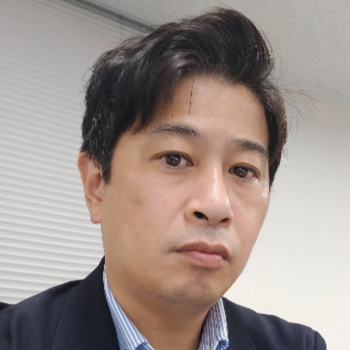
Photo portrait of Tadahisa Kagimoto
Hardy TS Kagimoto, MD is founder, Chairman and CEO of HEALIOS K.K., a Tokyo-based, clinical-stage world leader in regenerative medicine and cell therapy. 

After founding Healios in 2011, Dr. Kagimoto led the company’s listing on the Tokyo Stock Exchange in 2015 and has built the company to its current scale of more than 140 people across its Japan and US offices. Healios leverages the favorable Japanese regulatory framework for regenerative medicine to efficiently deliver results for patients and its stakeholders. It is currently running two pivotal clinical trials for ischemic stroke and acute respiratory distress syndrome using bone marrow-derived allogeneic multipotent adult progenitor cells. At the same time, Healios is developing best-in-class, next generation pipeline assets in immuno-oncology, ophthalmology, and organ buds utilizing its innovative, proprietary universal donor iPS cell platform.


Image
Photo of Shoko Takahashi
Shoko Takahashi founded the Japanese personal genome company Genequest Inc. in 2013 while a graduate student at the University of Tokyo. Genequest provides a web-based personal genetic service for consumers and collaborates with research institutions in a large-scale genome research project to maximize synergistic effects between research and personal genome services. She is filled with ambition to accelerate genetic research and contribute to human health all over the world. She graduated from the University of Tokyo with a Ph.D. in Molecular Bioscience in 2015, and Kyoto University with a Bachelor of Biochemistry Science in 2010. She has been awarded the Japan Venture Award and received the highest rating by the Japan Ministry of Economy. In 2015, she was commended by the Japan Minister of Education, Culture, Sports, Science and Technology as one of the researchers contributing major innovations to science technologies in Japan.

She received the 2018 Young Global Leaders award from the World Economic Forum and was selected for Newsweek's ‘100 respected Japanese in the world’ list.


Moderator

Image
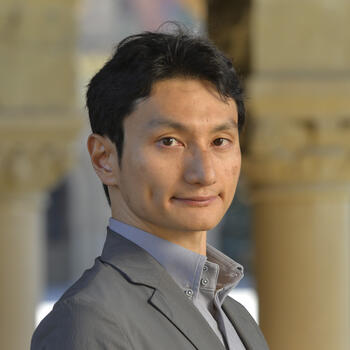
Photo portrait of Kenji Kushida
Kenji E. Kushida is a Senior Fellow, Carnegie Endowment for International Peace. He previously was with the Japan Program at the Walter H. Shorenstein Asia-Pacific Research Center as a research scholar.

Kushida’s research and projects focused on the following streams : 1) how politics and regulations shape the development and diffusion of Information Technology such as AI; 2) institutional underpinnings of the Silicon Valley ecosystem, 2) Japan's transforming political economy, 3) Japan's startup ecosystem, 4) the role of foreign multinational firms in Japan, 4) Japan's Fukushima nuclear disaster. He spearheaded the Silicon Valley - New Japan project that brought together large Japanese firms and the Silicon Valley ecosystem.

He has published several books and numerous articles in each of these streams, including “The Politics of Commoditization in Global ICT Industries,” “Japan’s Startup Ecosystem,” "How Politics and Market Dynamics Trapped Innovations in Japan’s Domestic 'Galapagos' Telecommunications Sector," “Cloud Computing: From Scarcity to Abundance,” and others. His latest business book in Japanese is “The Algorithmic Revolution’s Disruption: a Silicon Valley Vantage on IoT, Fintech, Cloud, and AI” (Asahi Shimbun Shuppan 2016).


Via Zoom Webinar
Register:  https://bit.ly/3u1A10M


Tadahisa Kagimoto, MD. <br>Founder, Chairman, and CEO, Healios K.K.<br><br>
Shoko Takahashi <br>Founder and CEO, Genequest Inc.<br><br>
0
Former Research Scholar, Japan Program
kenji_kushida_2.jpg MA, PhD
Kenji E. Kushida was a research scholar with the Japan Program at the Walter H. Shorenstein Asia-Pacific Research Center from 2014 through January 2022. Prior to that at APARC, he was a Takahashi Research Associate in Japanese Studies (2011-14) and a Shorenstein Postdoctoral Fellow (2010-11).
 
Kushida’s research and projects are focused on the following streams: 1) how politics and regulations shape the development and diffusion of Information Technology such as AI; 2) institutional underpinnings of the Silicon Valley ecosystem, 2) Japan's transforming political economy, 3) Japan's startup ecosystem, 4) the role of foreign multinational firms in Japan, 4) Japan's Fukushima nuclear disaster. He spearheaded the Silicon Valley - New Japan project that brought together large Japanese firms and the Silicon Valley ecosystem.

He has published several books and numerous articles in each of these streams, including “The Politics of Commoditization in Global ICT Industries,” “Japan’s Startup Ecosystem,” "How Politics and Market Dynamics Trapped Innovations in Japan’s Domestic 'Galapagos' Telecommunications Sector," “Cloud Computing: From Scarcity to Abundance,” and others. His latest business book in Japanese is “The Algorithmic Revolution’s Disruption: a Silicon Valley Vantage on IoT, Fintech, Cloud, and AI” (Asahi Shimbun Shuppan 2016).

Kushida has appeared in media including The New York Times, Washington Post, Nihon Keizai Shimbun, Nikkei Business, Diamond Harvard Business Review, NHK, PBS NewsHour, and NPR. He is also a trustee of the Japan ICU Foundation, alumni of the Trilateral Commission David Rockefeller Fellows, and a member of the Mansfield Foundation Network for the Future. Kushida has written two general audience books in Japanese, entitled Biculturalism and the Japanese: Beyond English Linguistic Capabilities (Chuko Shinsho, 2006) and International Schools, an Introduction (Fusosha, 2008).

Kushida holds a PhD in political science from the University of California, Berkeley. He received his MA in East Asian Studies and BAs in economics and East Asian Studies with Honors, all from Stanford University.
Kenji Kushida <br>Senior Fellow, Carnegie Endowment for International Peace
Panel Discussions
Authors
Gary Mukai
News Type
Blogs
Date
Paragraphs

December 7, 2021 marked the 80th anniversary of the Japanese attack on Pearl Harbor. On the occasion of the anniversary, Professor Yujin Yaguchi, Graduate School of Interdisciplinary Information Studies, University of Tokyo, gave a lecture on Pearl Harbor to high school students enrolled in SPICE’s Stanford e-Japan, which is taught by Instructor Meiko Kotani. Yaguchi has been an advisor to both Stanford e-Japan and SPICE’s Reischauer Scholars Program (RSP), an online course about Japan and U.S.–Japan relations that is offered to high school students in the United States and is taught by Instructor Naomi Funahashi. From 2004 to 2009, I worked with Yaguchi during the “Pearl Harbor: History, Memory, and Memorial” summer institutes for American and Japanese teachers that were hosted by the AsiaPacificEd Program for Schools, East-West Center, Honolulu.

Prior to Yaguchi’s lecture, Kotani compiled questions from her students to share with Yaguchi, and he used them to conceptualize his lecture. The students were also required to view a lecture by Stanford Emeritus Professor Peter Duus on the Japanese attack on Pearl Harbor. Yaguchi informed the students that he would be introducing diverse perspectives on the Pearl Harbor attack and also encouraged students to think about the questions that they had written while he delivered his lecture. He encouraged them to consider two questions that he devised based on the students’ questions: “Why do you ask such questions?” and “What do the questions tell you about how you think of the past and today?” Yaguchi noted, “I am kind of spinning the table around.”

Yaguchi set the context for his talk by giving a brief geographic and historical background of Pearl Harbor. He pointed out that for ancient Hawaiians, the name of the harbor now known as Pearl Harbor was Puʻuloa, regarded as the home of the shark goddess, Kaʻahupāhau. Following the overthrow of the Hawaiian Kingdom, the U.S. Navy established a base on the island in 1899. Over the years, Pearl Harbor, along with the Naval Base San Diego, remained a main base for the U.S. Pacific Fleet after World War II. He also noted that Pearl Harbor is the most popular destination in Hawaii for American visitors.

Yaguchi pointed out that the excellent questions from the students were primarily about the United States and Japan. He posed the question, “But is Pearl Harbor really only about the U.S. and Japan?” and encouraged students to critically consider the following points, which were the five key points of his lecture.

  1. We need to see history in a longer and wider perspective.
  2. History is not only about powerful nation states.
  3. History is not only about (mostly male) politicians and leaders making decisions.
  4. Pearl Harbor means different things to many people.
  5. We need to see Pearl Harbor from multiple angles—especially from the perspectives of race and gender (non-white, non-Japanese, non-male)—those who have been making/writing history.
     

He followed up each point with specific questions. For example, “What does Pearl Harbor mean to the indigenous people of Hawaii or the Native Hawaiians?”; and “Was Pearl Harbor an attack on the United States” or “Was Pearl Harbor an attack on Native Hawaiians as well?” were follow-up questions to point number four. Yaguchi pointed out that he was born and raised in Hokkaido, the northern-most main island of Japan, and to his surprise one of the students mentioned that he lives in Kushiro, a city in Hokkaido that is Yaguchi’s ancestral hometown. Since the Ainu are an indigenous people from the northern region of Japan, particularly Hokkaido, Yaguchi’s questions prompted some students to think about parallels between the Ainu and Native Hawaiians.

At the University of Tokyo, I really encourage students to think about why you learn history in specific ways. Who decides what you need to study?

The five key points of his lecture led to many questions during the question-and-answer period. One student asked, “Is there anything that you keep in mind when teaching Japanese about American history or specific events such as Pearl Harbor?” Yaguchi replied, “At the University of Tokyo, I really encourage students to think about why you learn history in specific ways. Who decides what you need to study? I also encourage students to be critical of the education that you receive. University years are a time for you to reassess what you learn… We living in Japan or educating in Japan tend to connect Pearl Harbor as the beginning and the atomic bombs as the ending… or the cause and the effect. And this is a very common way of framing history. People in the United States do not necessarily think so.”

While listening to Yaguchi’s lecture, I reflected upon UTokyo Compass, which is the University of Tokyo President Teruo Fujii’s statement of the guiding principles of the University of Tokyo—the ideals to which the university should aspire and the direction it should take, under the title “Into a Sea of Diversity: Creating the Future through Dialogue.” In his lecture, Yaguchi extended the reach of UTokyo Compass to Stanford e-Japan high school students throughout Japan. Kotani and I were most appreciative the ripple effect of UTokyo Compass that he provided through his lecture. Kotani stated, “I am so grateful to Professor Yaguchi for introducing my students to not only diverse perspectives on Pearl Harbor but also for engaging them in questions related to epistemology.”

UTokyo Compass prompted me think about the importance of one’s “moral compass,” or a person’s ability to judge what is right and wrong and to act accordingly. Through Stanford e-Japan and the RSP, Kotani, Funahashi, and I hope to encourage high school students to remember to navigate their academic and professional careers with their own moral compass. In addition, as a compass always follows true north, I think that leaders should follow a set of unwavering personal values, including integrity. The students in Stanford e-Japan and the RSP are among the best and brightest in Japan and the United States and future leaders. I encourage them to singlehandedly change the world, to be changemakers.

KotaniMeiko WEB

Meiko Kotani

Instructor, Stanford e-Japan
Full Bio

Read More

gate to University of Tokyo
Blogs

A Gateway to Collaboration: SPICE/Stanford and CASEER/University of Tokyo

The SPICE/Stanford–CASEER/UTokyo Lecture Series provides a platform to share current educational research and practice.
A Gateway to Collaboration: SPICE/Stanford and CASEER/University of Tokyo
collage of honoree headshots
News

Winners Announced for the Spring 2021 Stanford e-Japan Award

Congratulations to our newest student honorees.
Winners Announced for the Spring 2021 Stanford e-Japan Award
Japan Day honorees Zoom image
News

Japan Day: Recognizing Top Students in Stanford e-Japan and the Reischauer Scholars Program

Congratulations to the 2020 Stanford e-Japan and 2021 RSP honorees.
Japan Day: Recognizing Top Students in Stanford e-Japan and the Reischauer Scholars Program
Hero Image
Professor Yujin Yaguchi in front of the main library at University of Tokyo
Professor Yujin Yaguchi at the University of Tokyo; photo courtesy Risako Kondo
All News button
1
Subtitle

Professor Yujin Yaguchi introduced diverse perspectives on Pearl Harbor to 27 high school students in Stanford e-Japan.

Authors
News Type
Blogs
Date
Paragraphs

SPICE recommends the use of a 13-minute lecture—titled “Civil and Human Rights: The Martin Luther King, Jr. Legacy” by Dr. Clayborne Carson—for use at the high school and college levels. Dr. Carson is the Martin Luther King, Jr. Centennial Professor Emeritus at the Center on Democracy, Development, and the Rule of Law, FSI, at Stanford University. In the video lecture, Professor Carson not only discusses Martin Luther King, Jr. as a civil rights leader but also examines his larger vision of seeing the African American struggle as a worldwide struggle for citizenship rights and human rights.

A free classroom-friendly discussion guide for this video is available for download on the website above. The organizing questions that are listed in the guide are:

  • What are civil and human rights?
  • What were the significant achievements of the Civil Rights Movement?
  • What is Martin Luther King, Jr.’s legacy in terms of civil and human rights?
  • How are Martin Luther King, Jr.’s vision, ideas, and leadership still relevant today?
  • How is the American Civil Rights Movement similar and different from other rights-related movements?


SPICE also recommends the resources on the following websites for use in classrooms.

  • The World House Project works to realize Martin Luther King, Jr.’s vision of the world as a large house in which “we must learn somehow to live with each other in peace.” Dr. Carson is the director of the Project.

Read More

headshots of eight high school students
Blogs

What Does It Mean to Be an American?: Reflections from Students (Part 6)

Reflections of eight students on the website “What Does It Mean to Be an American?”
What Does It Mean to Be an American?: Reflections from Students (Part 6)
Zoom screenshots of EPIC fellows
Blogs

2021 Education Partnership for Internationalizing Curriculum Symposium

On Saturday, May 22, 2021, SPICE’s Jonas Edman moderated two panels during the 2021 EPIC Fellowship Program Symposium for community college educators.
2021 Education Partnership for Internationalizing Curriculum Symposium
Banner
Blogs

What Does It Mean to Be an American?: A Web-based Curriculum Toolkit

“What Does It Mean to Be an American?” is a free educational web-based curriculum toolkit for high school and college students that examines what it means to be an American developed by the Mineta Legacy Project and Stanford’s SPICE program.
What Does It Mean to Be an American?: A Web-based Curriculum Toolkit
Hero Image
screenshot of dr. clayborne carson's video lecture
Dr. Clayborne Carson
All News button
1
Subtitle

SPICE recommends the use of a short lecture—titled “Civil and Human Rights: The Martin Luther King, Jr. Legacy” by Dr. Clayborne Carson—for high school and college levels.

Subscribe to United States