0
Visiting Scholar at APARC, 2025-2026
seok_jin_eom.jpg Ph.D

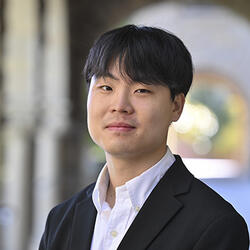
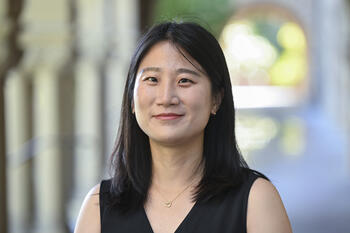
Seok Jin Eom joins the Walter H. Shorenstein Asia-Pacific Research Center (APARC) at Stanford University as a visiting scholar for the 2025-2026 academic year. He is a professor of the Graduate School of Public Administration at Seoul National University, Republic of Korea, and received his Ph.D in public administration from Seoul National University. He has published numerous papers in academic journals, including Government Information Quarterly, Public Management Review, Administration & Society, Perspectives on Public Management and Governance, and The Korean Public Administration Review. He also published many books on the history of public administration and policy in Korea and Japan, as well as digital government and AI adoption in the public sector, including The Intellectual History of Korean Public Administration (2025, forthcoming), Enabling Data-Driven Innovation and AI Governance (2025), The Changes and Continuity of Japanese State Apparatus (2015), and others. Dr. Eom serves as the editor-in-chief of the Korean Public Administration Review, one of the most prestigious academic journals in Korea. His current research interests include the intellectual evolution of Korean public administration, public governance in the era of economic growth in Korea, and the evolution of governance in the AI era. (sjum21@stanford.edu; sjum21@snu.ac.kr).

Date Label
0
Visiting Scholar at APARC, 2025-2026
soo_chan_choi.jpg Ph.D.

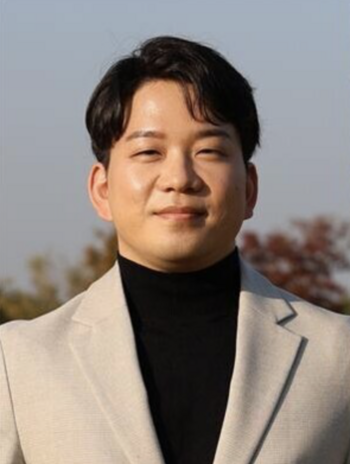
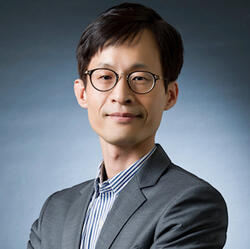
Soo Chan Choi joins the Walter H. Shorenstein Asia-Pacific Research Center (APARC) as a visiting scholar for the 2025-2026 academic year. He currently serves as Dean and Professor of the School of Social Welfare at Yonsei University. While at APARC, he will be conducting research on the adaptation of Korean workers to overseas environments, focusing on the Bay Area.

Date Label
1
Visiting Scholar at APARC, Fall 2025
byongjin_ahn.jpg Ph.D.

Byongjin Ahn joined the Walter H. Shorenstein Asia-Pacific Research Center (APARC) as a visiting scholar for the 2025 fall quarter. He recently served at the State Affairs Planning Committee (equivalent to the transition team as President Lee had to assume his post immediately after his election in June).

He is currently a professor at Kyung Hee University's Global Academy for Future Civilizations. He has served as the Rector of the Global Academy for the Future of Civilizations at Kyung Hee University, Vice President of Kyung Hee Cyber University, Assistant Professor of International Relations at Changwon National University, and Lecturer at the City University of New York. Born in Daegu (1967), he earned a B.A. in sociology from Sogang University and an M.A. in political science from Seoul National University. He earned his Ph.D. in American politics from the New School for Social Research, founded by John Dewey. For his dissertation, he was awarded the Hannah Arendt Award.

His main specialty is the U.S. presidency and Korean politics, and he has appeared on numerous television programs and newspapers, including a panel on the U.S. presidential election specials on MBC and SBS and an interview with the New York Times. He has been a regular columnist for the JoongAng Ilbo, Kyunghyang Shinmun, and Hankyoreh, and a guest commentator for KBS. He is a co-author of South Korea's Democracy In Crisis: The Threats of Illiberalism, Populism, and Polarization (Gi-Wook Shin and Ho-Ki Kim Eds, Walter H. Shorenstein Asia-Pacific Research Center, 2022) and many other books and articles. 

Date Label
-
Seoul Cheonggyecheon
Seoul Cheonggyecheon | Getty Image

The Korea Program at Stanford University's Shorenstein Asia-Pacific Research Center (APARC) is pleased to host the 4th International Conference on the Sociology of Korea (I-CSK), September 11-12, 2025. The conference will provide a venue for scholars across the globe to come together to share their ongoing projects on Korea and the Korean diaspora. The program will consist of paper presentations that address various issues of sociological significance, including family, health, and population; gender and sexualities; (im)migration, race, and ethnicity; stratification and inequality; political sociology / economic sociology; and other topics.

8:30-9:00am: Breakfast

9:00-9:20am: Welcoming Remarks

Paul Chang, Deputy Director of Korea Program, Shorenstein APARC, Stanford University
Hyunjoon Park, Director of James Joo-Jin Kim Center for Korean Studies, University of Pennsylvania

9:20-11:00am: Family Dynamics (Moderator: Sojung Lim, Utah State University)

Optimizing Motherhood: How Mothers Understand and Manage Childcare Outsourcing in Contemporary Korea   
Jimin Gim

Causal or Selection? A Reconsideration of the Fatherhood Premium among South Korean Men
Soojin Kim and Seongsoo Choi

Balancing Work and Child: The Impact of Parental Work Hours on Children’s Education Attainment
Taehyun Kim

Socioeconomic Background and Childcare Support from Older Parents among Adult Daughters in South Korea: Cohort Differences
Jung In

11:00-11:20am: Break

11:20-1:00pm: Health and Aging (Moderator: Jaein Lee, Arkansas State University)

Generalized Anxiety, Regional Context and Gendered Suicide Intent among South Korean Adolescents: Evidence from a Nationally Representative Sample
Harris Hyun-soo Kim and Ahhyun Cho

Social Precision Modeling for Depression in South Korea
Haesol Kim, Woojin Kim, Minjee Jung, Kyu-man Han, and Eun Kyong Shin

Exploration of the Association Between Active Leisure Time and Mental Health of Older Adults in South Korea
Jaein Lee and Sujung Lee

Aging with Work: Manifest and Latent Benefits of Later-Life Employment in an Aging Society
Sungsik Hwang and Chaeyoon Lim

1:00-2:00pm: Lunch

2:00-3:40pm: The Korean Diaspora (Moderator: Hyunjoon Park, University of Pennsylvania)

Gender Differences in Educational Selectivity among Korean Immigrants in the US
Minyoung An

Asian American Poverty: Myths, Realities, and Complexities
ChangHwan Kim and Andrew Taeho Kim

Gendered Experiences of the Covid-19 Pandemic: How Korean Immigrant Families Negotiate Gendered Roles
Byung Soo Lee

An Empirical Analysis of Social Capital of the Korean Community in Ho Chi Minh City (Viet Nam)
Ta Thi Lan Khanh

3:40-4:00pm: Break

4:00-5:40pm: Education and Technology (Moderator: Jung In, Soongsil University)

Highbrow Culture and Academic Achievement: Comparing Individual and Organized Participation among Elementary Students in Seoul
Soo-yong Byun, Haram Jeon, and Hee Jin Chung

Achievement, Growth, and Impact: Analyzing School Effectiveness Using Longitudinal Data from the Korean National Assessment of Educational Achievement
Sookyung Han and Seongsoo Choi                      

Ivy League Dreams, but Greater Returns with “SKY”? Shifting Cultural Reproduction in the Era of Globalization
HongJin Jo

How Generative AI Transforms Programmers: The Role of Usage Frequency, Sense of Agency, and Occupational Self-Efficacy
Chankyu Kim

6:00pm: Reception & Dinner
Keynote Address: Gi-Wook Shin, Director of Korea Program, APARC; William J. Perry Professor of Contemporary Korea, Stanford University
2025 I-CSK Student Paper Award

Philippines Conference Room
Encina Hall, 3rd Floor, C330
616 Jane Stanford Way, Stanford University
Directions > 

By invitation only

Conferences
Date Label
Paragraphs

Abstract


Image
Logo of the journal Health Affairs Scholar

Introduction

Health care spending in South Korea is associated with improvements in health. However, it remains unclear whether the value of this spending is equally distributed across income groups.


Methods

We analyzed lifetime health care spending and quality-adjusted life expectancy (QALE) by income quintile among South Korean adults from 2010 to 2018. We then calculated the ratio of changes in health care spending to changes in QALE to estimate the value of health care spending across income groups. Additionally, we investigated mechanisms underlying income-related differences in the value of health care.


Results

Assuming 80% of QALE gains are attributable to health care, adults in the lowest income quintile received the least value, incurring $78,209 per QALE gained. However, middle- and higher-income quintiles achieved greater value ($47,831, $46,905, $31,757, and $53,889 from the second to highest quintile), although the highest value did not occur in the highest-income quintile. The higher spending per QALE gained in the lowest income quintile reflects smaller improvements in QALE, likely driven by poorer baseline health and greater unmet needs.


Conclusion

These findings highlight structural inequities in the South Korea health system and emphasize the need for targeted policies to promote equitable health care value.

All Publications button
1
Publication Type
Journal Articles
Publication Date
Journal Publisher
Health Affairs Scholar
Authors
Karen Eggleston
Number
Issue 8
-

The third installment of the Sustainable Democracy Roundtable is held in Seoul, South Korea on June 18-19, 2025 (in Korea Time). Jointly hosted by APARC and the CHEY Institute of Advanced Studies, the Roundtable is meant to foster conversations among scholars of all ranks of seniority, research backgrounds, and regional experience to evaluate current trends facing liberal democracy worldwide. This year’s Roundtable will particularly focus on identifying actionable solutions and policy recommendations. Scholars will meet in closed door scholarly sessions on the first day of the conference and, alongside practitioners and politicians, participate in a public session at the Korean National Assembly to share their thoughts and foster dialogue with both the public and the government.

Following the Roundtable, a conference report will be published and accessible through this page.

Day 1: Invitation-only closed roundtable

09:00-09:15    Registration

09:15-09:30    Opening Remarks

  • Kim Yoosuk, President of Chey Institute of Advanced Studies

  • Gi-Wook Shin, Director of Shorenstein Asia-Pacific Research Center, Stanford University

09:30-11:30     Session 1: Fragility and Resilience of Korean Democracy

Moderator: Choi Byung-il 

Presenters: Kim Sunhyuk, Song Jiyeoun, Kim Gidong, Yee Jaeyeol

Recent political developments in South Korea—the imposition of martial law, prolonged impeachment proceedings, and a subsequent early presidential election—have placed the strength and stability of its political system under intense scrutiny. South Korea stands as one of the few nations that have successfully established democracy through a relatively short yet volatile history following its independence. Although it has once again proven its resilience, the recent and recurring turbulence also exposed underlying vulnerabilities. Political polarization, judicialization of politics, institutional friction, and widespread public distrust continue to challenge democratic governance. This session will explore both the strengths and shortcomings of Korean democracy, analyzing whether recent crises have genuinely strengthened the democratic norms and institutions or have exposed deeper systemic flaws.

  • What key factors have contributed to the resilience of South Korean democracy amidst recent political crises?

  • What role has civil society played in reinforcing democratic norms during times of political instability?

  • In what ways do institutional shortcomings and political polarization contribute to public distrust and democratic vulnerabilities?

  • How can South Korea leverage its recent experiences to strengthen democratic processes and institutional accountability moving forward? Identify reforms measures that can be most effective in these endeavors.

12:00-13:00    Lunch

13:00-15:00    Session 2: Democracy in the U.S. and the World

Moderator: Paul Chang

Presenters: Larry Diamond, Kiyoteru Tsutsui, Didi Kuo

This panel will focus on the challenges facing liberal democracy in the United States and other parts of the world. Scholars will analyze the rise of populism and authoritarian tendencies, particularly in the U.S. under Donald Trump, whose actions have posed significant challenges to democratic norms and institutions. Similar developments in other countries will also be examined to draw broader lessons about the global state of democracy, including Korea.

  • How do the recent experiences of democratic backsliding in the United States compare with those in other advanced democracies? What structural or cultural factors make some democracies more vulnerable than others?

  • How has Trump reshaped the global perception of American democracy, and what implications does this have for the U.S. as a model or promoter of democratic governance abroad?

  • Can international institutions and norms meaningfully counter domestic democratic erosion, or is democracy ultimately a nationally determined project?

  • What lessons can be drawn from non-Western democracies in sustaining democratic legitimacy and civic trust amid rising authoritarian pressures?

15:00-15:30    Break

15:30-17:30    Session 3: Actionable Solutions for Sustaining Democracy

Moderator: Gi-Wook Shin

Presenters: Frank Fukuyama, Lee Sook Jong, Ahn Byongjin

The final panel of Day 1 will focus on identifying actionable solutions to strengthen democratic institutions and resilience. Discussions will center on policy recommendations, civic engagement strategies, and international collaborations to address the current and future threats to democracy worldwide. The panel will also explore if Korea can play any role in international efforts to strengthen liberal democracy.

  • What are the most effective policy reforms that democratic governments can pursue today to build institutional resilience against authoritarian threats?

  • How can civil society organizations be better supported, domestically and transnationally, to serve as long-term stewards of democracy?

  • What role should education and civic (and media) literacy play in revitalizing democratic culture, particularly among younger generations?

  • What strategies have proven most effective in rebuilding public trust in democratic institutions, especially in contexts of recent democratic crises or corruption scandals?

This event is held in Seoul, Korea.

Conference on June 17 (June 18 in Korea Time) is an invitation-only event.
Conference on June 18 (June 19 in Korea Time) is a public session held at the National Assembly Member Office Building.

Conferences
Date Label
0
Korea Program Postdoctoral Fellow, 2025-2027
minyoung_an.jpg PhD

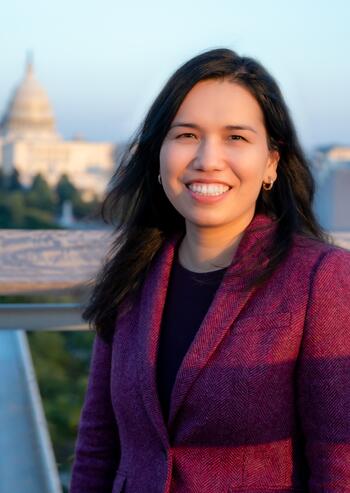
Minyoung An joins the Walter H. Shorenstein Asia-Pacific Research Center (APARC) as Korea Program Postdoctoral Fellow beginning July 2025 through 2027. She recently obtained her doctorate in Sociology from the University of Arizona. Her research lies at the intersection of gender, transnational migration, and knowledge production, combining statistical modeling, computational methods, and in-depth interviews.

Her dissertation analyzes gendered migration patterns in South Korea and among international PhD students in the U.S., revealing how gender inequality in countries of origin produces distinct selection effects and return migration dynamics. She also studies academic career trajectories and prestige hierarchies, exploring how gender and national origin affect integration into global academia.

At APARC, she will be involved with the Korea Program and the Stanford Next Asia Policy Lab (SNAPL) as she pursues two projects that extend this research agenda: one using computational analysis of social media data to examine gendered migration intent, and another investigating the academic trajectories and institutional reception of international scholars from East Asia. Through these projects, she aims to advance understanding of how transnational inequalities shape global mobility, opportunity, and inclusion.

Date Label
Authors
News Type
Commentary
Date
Paragraphs

With just days in office, South Korea’s new president, Lee Jae-myung, is making diplomatic waves as a guest at the G7 Summit, pushing for "pragmatic diplomacy" and signaling the world that “Democratic Korea is back.”

In an interview with Arirang TV, APARC and Korea Program Director Gi-Wook Shin unpacks the implications of President Lee’s G7 appearance and what it tells us about his global strategy – from trade talks and U.S.-China dynamics to engagement with Japan and North Korea, and the road to APEC 2025 in Gyeongju. Watch:

Read More

Lee Jae-myung, the presidential candidate of the Democratic Party, and his wife Kim Hea-Kyung celebrate in front of the National Assembly on June 4, 2025 in Seoul, South Korea.
Commentary

Is South Korea’s New President Good for Democracy?

South Koreans have elected Lee Jae-myung president. Will he be a pragmatic democratic reformer? Or will he continue the polarizing political warfare of recent South Korean leaders?
Is South Korea’s New President Good for Democracy?
Shinichi Kitaoka
News

Japanese Politics Reexamined: Shinichi Kitaoka Leads Stanford Seminar on Japan’s Diplomatic Past and Future

Shinichi Kitaoka, a visiting scholar at APARC and Japan Program fellow, teaches a spring quarter seminar that brings students and scholars together to examine Japanese political history from the Yedo period to the present through a global and comparative lens.
Japanese Politics Reexamined: Shinichi Kitaoka Leads Stanford Seminar on Japan’s Diplomatic Past and Future
Headshot of Gi-Wook Shin
News

Marking Twenty Years of Leadership at APARC

As he prepares to step down as APARC director, Professor Gi-Wook Shin reflects on two transformative decades at the center and the road ahead.
Marking Twenty Years of Leadership at APARC
Hero Image
Gi-Wook Shin in a TV studio, speaking during an interview with Arirang TV.
All News button
1
Subtitle

In an interview with Arirang TV, Shin unpacks the implications of South Korea's new president's high-stakes trip and the challenges ahead as he pushes for "pragmatic diplomacy."

Date Label
Authors
Gi-Wook Shin
News Type
Commentary
Date
Paragraphs

This commentary was first published in the Journal of Democracy.


Lee Jae-myung of the Democratic Party won South Korea’s June 3 presidential election with 49.4 percent of the vote. The outcome was widely anticipated, given a political climate that strongly favored the liberal camp in the aftermath of the impeachment of President Yoon Suk Yeol. Still, Lee’s victory was not as overwhelming as some might have expected. With 99.6 percent of the votes tallied, the two main conservative candidates — Kim Moon-soo and Lee Jun-seok — together garnered a slightly higher combined vote share of 49.5 percent (41.2 percent and 8.3 percent, respectively) Why, then, did Korean voters ultimately choose Lee Jae-myung but with a measured endorsement rather than a landslide victory, and what does it mean for Korean democracy?

This election followed a period of intense political turmoil that began with President Yoon’s declaration of martial law on December 3 of last year and his impeachment just two months ago. While the election results were expected, they still raise important questions about the future of Korean democracy. Do the last six months reflect the resilience of democratic institutions — capable of self-correction through legal and electoral processes — or, have these events exposed the fragility of Korea’s democracy, with its deep political divisions and public distrust in leadership?

In many ways, the answer is both. Civic engagement and a peaceful transfer of power during such a challenging episode suggest a strong democratic foundation. At the same time, the election outcome still shows a highly polarized electorate, underscoring the hurdles that lie ahead for Korean society and politics.

Sign up for APARC newsletters to receive our scholars' commentary and analysis >


2017 vs. 2025


This was the second time in a decade that Korea held a snap presidential election. The first occurred eight years ago, following the impeachment of President Park Geun-hye. In this regard, Koreans have grown familiar with the impeachment process and snap elections. In both instances, the impeached presidents — Park in 2017 and Yoon in 2025 — were conservatives, and both elections resulted in liberal victories, with Moon Jae-in (2017–22) and now Lee Jae-myung taking office.

The 2025 election, however, differs significantly from the 2017 contest, with important implications for Korean democracy.

First, the impeachment process this time was far more divisive. In 2017, liberal groups mobilized millions in mass protests demanding Park’s removal, and conservatives largely accepted the outcome without major resistance. In contrast, Yoon’s impeachment was extremely contentious, sparking counterprotests from conservative groups. Waving “Stop the Steal” signs, far-right movements gained strength, determined not to see a repeat of 2017, which not only led to defeat at the polls but also a brutal campaign of political retribution by the ensuing liberal government.

Second, this polarization profoundly influenced voting behavior. Even conservatives who criticized Yoon’s declaration of martial law ultimately rallied behind Kim, a candidate less critical of the controversial order. The left-right political divide had deepened during the Moon and Yoon administrations. In 2017, a centrist candidate like Ahn Cheol-soo could attract more than 20 percent of the vote. In 2025, however, such space for a centrist voice has all but vanished. The election became a fierce contest between liberals (Lee Jae-myung) and conservatives (Kim Moon-soo and Lee Jun-seok), reflecting the polarized electorate.

Third, the tense political atmosphere left little room for substantive policy debate. While important topics including artificial intelligence, energy, climate change, social reconciliation, and foreign policy were included in their campaign pledges, discussions around these issues remained superficial at best. Instead, the campaign was dominated by harsh personal attacks and negative rhetoric from all sides.

If Lee uses his consolidated executive and congressional power to settle political scores, the result will only deepen social divisions and facilitate democratic backsliding.
Gi-Wook Shin

Reformer or Strongman?


Given that this was a snap election, the new administration will assume office immediately on June 4 without the usual transition period. What can we expect from the new leader, particularly regarding Korea’s democratic future?

Lee’s appeal lies in his image as a pragmatic reformer, someone who speaks to economic struggles and social inequalities facing ordinary Koreans. His personal story itself resonates deeply: Born into poverty, he overcame significant hardship to become a human-rights lawyer, then rose through the political ranks as mayor of Seongnam, a city near Seoul, and later as governor of Gyeonggi Province, the most populous province in the country, before taking the Democratic Party leadership. This dramatic personal and political ascent has inspired many Korean citizens.

Yet Lee’s candidacy has not been without controversy. He remains under multiple criminal investigations and court trials related to charges of bribery, corruption, and breaking election laws, and his often-combative style has created the perception of a deeply polarizing figure. Many conservatives view Lee as a radical populist who shows insufficient regard for democratic norms and institutional checks.

Given the mixed perception and expectation surrounding President Lee, what kind of leadership can we expect from his administration? Two possible paths seem to lie ahead for the new leader still relatively unknown to the outside world: one resembling the approach of former president Moon Jae-in, and the other inspired by the legacy of Korea’s first liberal president, Kim Dae-jung (1998–2003). The direction Lee chooses will have major implications for the future of Korean democracy.

Lee may follow in the footsteps of Moon Jae-in, leading a campaign of political retribution that pushes Korea toward illiberal democracy. Lee has personal reasons for political resentment: He was aggressively investigated by the Yoon administration and still faces ongoing legal challenges. He has spoken publicly about the need to root out what he calls “forces of insurrection,” raising concerns that he might pursue a hardline campaign similar to Moon’s controversial efforts to “eradicate deep-rooted evils.”

Lee’s party has also pledged to advance judicial reforms that could weaken the Supreme Court, which on May 1 overturned an earlier acquittal by the Seoul High Court of Lee’s criminal charge of election-law violation. With his party now holding a parliamentary majority, traditional checks and balances could be on the line. If Lee uses his consolidated executive and congressional power to settle political scores, the result will only deepen social divisions and facilitate democratic backsliding. In such a scenario, he risks being viewed in Korea and elsewhere as yet another strongman leader in a world where such figures have been on the rise.

Alternatively, Lee could chart a course akin to that of former president Kim Dae-jung, who is widely considered a respected statesman and reformer. Kim overcame intense personal hardship, including a death sentence under a military regime, and yet chose reconciliation over revenge when he took power. He formed a coalition with conservative leader Kim Jong-pil and guided the country through the Asian financial crisis with a focus on national unity and pragmatic reform. Unlike Moon, who turned over power to the conservatives after five years, Kim effectively enabled a liberal succession.

Lee, often viewed as less ideological and more pragmatic than Moon, could take a similar path — one centered on cooperation, healing, and practical solutions. This possibility appears plausible given that his key advisors on both domestic and foreign affairs are not cut from the same cloth as Moon’s inner circle. By emulating Kim’s legacy, Lee could rise above political divides and earn broad national and international respect.

Ultimately, this election has been both a stress test and a reaffirmation of Korea’s democratic resilience. It highlights the urgent need for democratic renewal, while demonstrating that, even in times of deep political division, democratic institutions and norms can endure.
Gi-Wook Shin

What Lies Ahead?


The political drama of the last six months ended with this election, but its impact on Korea’s democracy will be enduring. On one hand, the peaceful resolution of a snap election, especially following the highly contentious impeachment process, demonstrates the strength and resilience of Korean democratic institutions. Voters remained highly engaged (turnout was 79.4 percent, the highest since 1997), and the electoral process held firm under pressure.

On the other hand, the deep partisan divides expose fissures in Korea’s democratic fabric. Mistrust in political elites, a divided society, and a highly polarized media environment often dominated by sensationalism continue to threaten constructive democratic dialogue. Moreover, the rise of populist rhetoric on both the left and right reflects an electorate increasingly driven by emotional appeals or identity politics rather than substantive policy debate or national vision. Without a concerted effort by both liberals and conservatives toward reconciliation, political polarization is likely to deepen. Bridging that divide will be one of the most critical and difficult tasks for Korean democracy.

Despite his election victory, Lee faces a challenging road ahead, both personally and politically. Since the Supreme Court overturned Lee’s acquittal of violating election law, the case is set to go back to the Seoul High Court for retrial on June 18. While the final ruling is likely to be delayed until after his term ends, the case may continue to cast a shadow over his integrity and credibility as the country’s top leader.

Lee also has the daunting task of delivering the institutional reforms promised during his campaign. In particular, he needs to follow up on his pledge to replace the current single five-year presidential term with a four-year term allowing for a subsequent reelection. This change could bring political stability, as presidents would have an incentive to perform well during their first term to secure a second one. Furthermore, a potential eight-year presidency would provide more time to implement long-term policies. Past presidents have made similar promises, but none have succeeded in realizing them. It remains to be seen whether Lee’s administration can rise above partisan politics and rebuild public trust through meaningful reforms.

Ultimately, this election has been both a stress test and a reaffirmation of Korea’s democratic resilience. It highlights the urgent need for democratic renewal, while demonstrating that, even in times of deep political division, democratic institutions and norms can endure. This lesson holds global relevance, particularly for the United States, where democracy is also being put to the test.


Gi-Wook Shin's Election Analysis in the Media


Lee Jae-myung begins his road to power. Can he fulfill his promises amid numerous challenges?
Caixin Media, June 6 (Chinese, subscription) quoted)

He survived a knife attack, stormed Parliament, and campaigned in a bulletproof vest. Now he's going to heal a country.
Politiken, June 4 (Danish, subscription) (quoted)

Lee Poised for Decisive Win in South Korea's Snap Election
AFP, June 3 (quoted)

New South Korean President Lee Takes Power After Resounding Election Win
AFP, June 3 (quoted)

The Challenges Facing South Korea's New Leader Lee
AFP, June 3 (quoted) 

Read More

Protesters opposed to impeached South Korean president Yoon Suk Yeol gather near the Constitutional Court on April 04, 2025, in Seoul, South Korea.
Q&As

Interview: Stanford Sociologist Gi-Wook Shin Analyzes South Korea’s Impeachment Crisis and the Dangers of Political Polarization

In an interview with the Chinese newspaper The Paper, Gi-Wook Shin, the director of APARC and the Korea Program, discusses the risks posed by South Korea’s division and polarization following President Yoon’s impeachment, the global trend of democratic decline, and actionable reforms to advance and secure South Korea’s democratic future.
Interview: Stanford Sociologist Gi-Wook Shin Analyzes South Korea’s Impeachment Crisis and the Dangers of Political Polarization
A man standing outside a building inspecting damage to a broken window.
Blogs

Korea’s Bumpy Road Toward Democracy

The historical and sociopolitical contexts of President Yoon’s declaration of martial law and its aftermath
Korea’s Bumpy Road Toward Democracy
Headshot of Gi-Wook Shin
News

Marking Twenty Years of Leadership at APARC

As he prepares to step down as APARC director, Professor Gi-Wook Shin reflects on two transformative decades at the center and the road ahead.
Marking Twenty Years of Leadership at APARC
Hero Image
Lee Jae-myung, the presidential candidate of the Democratic Party, and his wife Kim Hea-Kyung celebrate in front of the National Assembly on June 4, 2025 in Seoul, South Korea.
Lee Jae-myung, the presidential candidate of the Democratic Party, and his wife Kim Hea-Kyung celebrate in front of the National Assembly on June 4, 2025, in Seoul, South Korea.
Woohae Cho/ Getty Images
All News button
1
Subtitle

South Koreans have elected Lee Jae-myung president. Will he be a pragmatic democratic reformer? Or will he continue the polarizing political warfare of recent South Korean leaders?

Date Label
Authors
Noa Ronkin
News Type
News
Date
Paragraphs

Alzheimer’s disease and related dementias (ADRD) are putting a significant strain on families and healthcare systems worldwide, and with increasing life expectancies, they pose an escalating global challenge. As one of the world’s fastest aging economies, South Korea’s efforts to address the burden of care for people living with ADRD offer valuable lessons for other nations grappling with the social and economic pressures of the demographic transition.

new comprehensive review of Korea’s programs and policies to promote healthy aging and diagnose, treat, and care for people living with ADRD sheds light on progress and ongoing challenges. Published in the May 2025 issue of Alzheimer's & Dementia: The Journal of the Alzheimer's Association, the review offers insights from Korea’s strategies that resonate far beyond its borders.

The co-authors – Stanford health economist Karen Eggleston, the director of APARC’s Asia Health Policy Program (AHPP), and Daejung Kim, an associate research fellow at the Korea Institute for Health and Social Affairs – focus on recent policies supporting “aging in place” for independent seniors and palliative care for those needing greater support.

Eggleston and Kim used a mixed-methods review of dementia care in Korea over the past 25 years, combining a critical analysis of peer-reviewed social science and health policy studies in both English and Korean, quantitative analysis of Korean statistical agency data compared with other OECD countries, and interviews with local policymakers and welfare administrators in a region with a high proportion of elderly population.


Social and Policy Pressures in a Rapidly Aging Economy


Korea is aging fast, and the prevalence of ADRD among older adults is expected to surge, as is the projected social and economic toll of dementia care. Demographic and economic projections suggest that the annual cost of ADRD in Korea would increase from 0.9 percent to almost four percent of GDP from 2019 to 2050.

“Korea’s demographic transition, like its economic development, has been compressed into just a few generations,” Eggleston and Kim explain. “As a result, its triumph of longevity and current extra-low fertility engender social strains and policy pressures to address the burgeoning needs for long-term services and support – including prevention of ADRD, investing in early detection, and providing appropriate care for people with ADRD, which often involves addressing the broader social issue of financial support for older adults and detecting cognitive decline in those still engaged in the labor force.”

A Foundation for Dementia Care Service Delivery


Korea has taken decisive steps to build a comprehensive system for dementia care, leveraging its national health insurance and long-term care insurance (LTCI). This dual insurance framework aims to reduce unnecessary hospitalizations and shift social care away from medical settings.

Research shows that “the adoption of LTCI in 2008 helped to address regional disparities by providing nationwide risk pooling for long-term care services,” but the system still faces hurdles. Within Korea’s private-dominated service delivery system, the public-private balance varies significantly across different services, coordination between healthcare and long-term care services remains fragmented, and there is a need for better integration of community-based support.

Furthermore, “social insurance is no panacea for mitigating disparities and securing financial support for the most vulnerable citizens, such as people with ADRD and their families,” Eggleston and Kim note. Out-of-pocket payments for medical care still constitute a substantial portion of Korean household consumption.

The economic and social costs of dementia will impose an even greater burden if population aging further slows GDP growth in Korea beyond current projections (for example, because of labor shortages and lower productivity growth in specific sectors of the economy).
Eggleston & Kim

Livelihood and Workforce Challenges


In light of Korea’s limited sources of financial support for its older citizens, the country has relatively high labor force participation, especially among older men. This high level of employment of older Koreans may bode ill in an economy where many of the “senior employment” positions – primarily low-paying roles in the service sector – are not age-friendly.

Giving elderly persons a reason to get up in the morning has its benefits, Eggleston and Kim note, but having them perform service jobs is not a sustainable way to support livelihoods and healthy aging. “How decision-making by cognitively impaired individuals affects health and financial well-being can be considered the defining feature of the economics perspective on ADRD and its social impacts,” the co-authors say.

The growing demand for professional dementia care strains Korea’s caregiving workforce in other ways. Amid the shortage and aging of caregivers, much of dementia care falls on unpaid family members, often women in their 50s, lowering their rates of labor force participation in prime age. The burden on these informal caregivers is profound.

The authors note that “Korea needs more strategies to recruit, retain, and empower a knowledgeable and resilient caregiving workforce.”

Prevention and Early Diagnosis: A Mixed Picture


Early detection is critical for planning care and support for people with ADRD, and Korea is taking steps to design programs and incentives for healthy aging habits and early ADRD detection. These efforts, however, require stronger staffing and funding to offer more personalized and coordinated care.

Another set of challenges stems from the underuse of existing long-term services and support programs and the need to diversify them. Currently, providers have weak incentives to offer palliative care, while families and patients often struggle to choose comfort care over ongoing medical treatments.

Policymakers must also expand the target group of beneficiaries and diversify long-term services and support for daily life, including promoting a reduction in risk factors associated with dementia, such as low educational attainment, smoking, physical inactivity, uncontrolled chronic diseases, and depression. Eggleston and Kim call for developing “additional care service types such as hospital companion and nutrition support services” and integrating new technologies as part of a diversified, long-term aging-in-place care system.

Better care support for daily life would involve the development of additional care service types, such as hospital companion services and nutrition support services. Aging-in-place also relies on effective housing support.
Eggleston & Kim

Expanding Care Options 


The demographic transition has been accompanied by shifting social norms regarding responsibilities and caregiving, meaning significantly fewer Koreans believe care for older parents is the sole responsibility of family members. Accordingly, Korean policies aim to strengthen home- and community-based services (HCBS). Yet, the country’s share of at-home care recipients remains lower than in many peer economies.

“Making the vision of quality HCBS a reality involves multiple dimensions of financing and service delivery, tailored to local and individual circumstances while supporting equitable access nationally for those in need,” write Eggleston and Kim.

Institutional care in residential facilities remains a necessity for frail older people with ADRD and multiple comorbidities. While the supply of such service providers has greatly improved and long-term care insurance coverage has enhanced their affordability for families, wide disparities in quality of care for those in residential facilities persist. Meanwhile, hospice and palliative care remain largely an underdeveloped care option for people with ADRD in Korea.

Lessons for Aging Economies


South Korea’s dementia care journey illustrates the complex balancing act of addressing the multiple dimensions of a rapid demographic transition. The country’s efforts to promote healthy aging and diagnose, treat, and care for people with ADRD offer valuable insights for other economies that must prepare to provide long-term support for their aging populations.

One major imperative in Korea and elsewhere is ensuring that dementia care policies and programs are based on robust evidence. “To utilize limited resources most effectively, it will be critical to design and collect policy-relevant evidence about what works for people with ADRD and their care partners,” Eggleston and Kim write.

Read More

An older Korean man fills out a job application at a elderly persons' job fair in Seoul.
News

In Rapidly Aging South Korea, the Economy Is Slow in Creating “Age-Friendly” Jobs

Despite the nation’s rapidly aging demographics, South Korea's economy has not adapted as well as the United States, a new study finds. The researchers, including Stanford health economist and director of the Asia Health Policy Program at APARC Karen Eggleston, show that age-friendly jobs attract a broad range of workers and that structural barriers in the labor market influence which groups can access these roles.
In Rapidly Aging South Korea, the Economy Is Slow in Creating “Age-Friendly” Jobs
Two young scholars in conversation on a background of Encina Hall arcade.
News

Rethinking Health and Innovation in Aging Societies: Mai Nguyen and Jinseok Kim Explore Asia’s Health Policy Crossroads

As Asian economies grapple with aging populations, rising healthcare demands, and rapid technological change, APARC’s 2024-25 Asia Health Policy Program Postdoctoral Fellows Mai Nguyen and Jinseok Kim study large-scale health care structural and policy challenges from the lens of individual decision-making.
Rethinking Health and Innovation in Aging Societies: Mai Nguyen and Jinseok Kim Explore Asia’s Health Policy Crossroads
A man walks past a bear-like sculpture at Evergrande City Plaza shopping center on September 22, 2021 in Beijing, China.
News

When the Storm Hit: How COVID Exposed China’s Flawed Fiscal System

A co-authored study by a team including Stanford political scientist Jean Oi traces how the Chinese central government’s shifting policies during the COVID pandemic exposed its fiscal fault lines and created a local government liquidity crisis.
When the Storm Hit: How COVID Exposed China’s Flawed Fiscal System
Hero Image
Close-up on an elderly womna's hands holding colorful puzzle pieces.
All News button
1
Subtitle

A comprehensive review of rapidly aging South Korea’s efforts to mitigate the social and economic costs of Alzheimer’s disease and related dementias, co-authored by Stanford health economist Karen Eggleston, provides insights for nations facing policy pressures of the demographic transition.

Date Label
Subscribe to South Korea