Demographics
-
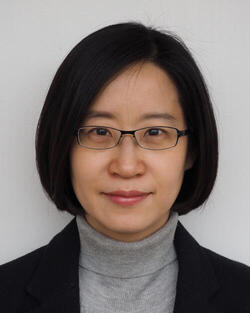
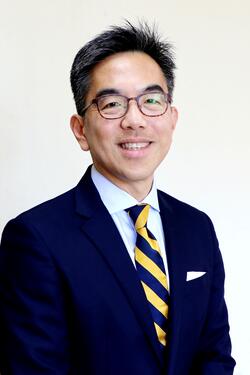
Sarah Beran 0416

Based on her recent, front-line role managing one of the world’s most consequential bilateral relationships, Sarah Beran offers an insider’s perspective on the evolution of U.S. China-related policies from the Biden administration into a second Trump term. Shaped by her tenure at the National Security Council and in Beijing during a period of heightened tensions, Beran will explain U.S. efforts to align allies, de-risk supply chains, and counter coercive behavior. As a recent leader of the U.S. diplomatic mission in China, Beran will detail the operational realities of U.S. diplomacy with China.  Please join us for a candid assessment of whether a stable equilibrium between competition and coexistence is achievable in today’s evolving strategic environment.

Speaker: Sarah Beran joined Macro Advisory Partners following a distinguished 23-year career in the US Foreign Service, most recently serving as Deputy Chief of Mission at the US Embassy in Beijing and as Senior Director for China and Taiwan Affairs at the White House National Security Council. As the principal advisor to the President and National Security Advisor on China and Taiwan (2022-2024), her portfolio encompassed technology export controls, investment screening, trade policy, counternarcotics, Russia sanctions and Taiwan contingency planning. She led strategic preparations for multiple heads-of-state summits, negotiated the reopening of senior diplomatic channels with Beijing, and helped forge the first US-China understanding on AI safety in the context of nuclear command and control. At the National Security Council, Sarah also led interagency policy coordination on the expansion of technology export controls, investment screening, trade policy, counternarcotics, Russia sanctions and Taiwan contingency planning. Sarah also served as former US Secretary of State Anthony Blinken’s Deputy Executive Secretary for the Indo-Pacific, led the office responsible for US engagement in APEC and served as former US Secretary of State Mike Pompeo’s Director of the Office of Chinese and Mongolian Affairs. She was posted overseas in Beijing, Islamabad, Jerusalem and Quito, and she speaks Mandarin and Spanish. Sarah is a member of the National Committee on US-China Relations and the Asia Society’s Task Force on US-China Policy.

Directions and Parking > 

Philippines Conference Room (C330)
Encina Hall, 3rd Floor
616 Jane Stanford Way, Stanford, CA 94305

Sarah Beran, Partner, Macro Advisory Partners
Seminars
Date Label
-
Susan Thornton event

Drawing on nearly three decades of diplomatic experience and her current work at Yale, Susan Thornton will assess the current trajectory of U.S.–China relations at a moment of renewed geopolitical tension. Based on long-standing official leadership and unofficial engagement via “Track II” dialogues, Thornton will outline prospects for limited cooperation on global challenges – from combatting pandemics to nuclear security – and describe strategic choices the two powers face in light of competition and continued interdependence.  Thornton will also explore how Asian partners interpret recent U.S. policy shifts, at times balancing security concerns with economic ties abroad.  This talk will invite the audience to consider whether a pragmatic, interest-based framework for engagement remains possible—and necessary—in the current era.

Speaker: Susan A. Thornton is a retired senior U.S. diplomat with almost three decades of experience with the U.S. State Department in Eurasia and East Asia. She is currently a Visiting Lecturer in Law and Senior Fellow at the Yale Law School Paul Tsai China Center. She is also the director of the Forum on Asia-Pacific Security at the National Committee on American Foreign Policy and a nonresident senior fellow at the Brookings Institution.

Until July 2018, Thornton was Acting Assistant Secretary for East Asian and Pacific Affairs at the Department of State and led East Asia policymaking amid crises with North Korea, escalating trade tensions with China, and a fast-changing international environment. In previous State Department roles, she worked on U.S. policy toward China, Korea and the former Soviet Union and served in leadership positions at U.S. embassies in Central Asia, Russia, the Caucasus and China. Thornton received her M.A. in International Relations from the Johns Hopkins University School of Advanced International Studies and her B.A. from Bowdoin College in Economics and Russian. She serves on several nonprofit boards and speaks Mandarin and Russian.


Directions and Parking > 

Philippines Conference Room (C330)
Encina Hall, 3rd Floor
616 Jane Stanford Way, Stanford, CA 94305

Susan Thornton, Visiting Lecturer in Law and Senior Fellow, Yale Law School
Seminars
Date Label
-
Dr. Lin

Amid groundbreaking political reforms and the largest mass migration in human history, China created over 3,800 new towns to house its burgeoning urban population and sustain rapid economic growth. Driven by marketization, global trade, inter-city competition, and an exponentially growing real estate industry, this continuous urban expansion represents the most extensive urbanization initiative in history. Contemporary Chinese new towns have emerged as a national campaign to reimagine the Chinese city and reshape the global geo-economic landscape. This talk examines four decades of Chinese urbanization through the lens of urbanism and utopianism. Case studies—including the Suzhou Industrial Park, Shanghai's One City and Nine Towns, and prototypical eco-cities—illuminates fundamental issues of economic vitality, cultural identity, environmental sustainability, and socio-spatial dynamics. Ultimately, the talk explores the complex interplay between space production and social transformation within the context of neoliberalism and globalization.

Speaker: Zhongjie “Jeffrey” Lin is Benjamin Lin Presidential Professor of Urban Design at the University of Pennsylvania Weitzman School of Design, where he serves as Head of the Urban Design program and directs the Future Cities Initiative. An internationally renowned expert in urban planning and design, Dr. Lin has published numerous books on Asian architecture and cities, including Kenzo Tange and the Metabolist Movement: Urban Utopias of Modern Japan (2010/2023), Vertical Urbanism: Designing Compact Cities in China (2018), and Constructing Utopias: China’s New Town Movement in the 21st Century (2025). He was the recipient of the Woodrow Wilson Fellowship, the Guggenheim Fellowship, the Abe Fellowship, and three Graham Foundation awards.


Directions and Parking > 

Philippines Conference Room (C330)
Encina Hall, 3rd Floor
616 Jane Stanford Way, Stanford, CA 94305

Zhongjie “Jeffrey” Lin, Professor, University of Pennsylvania
Seminars
Date Label
-
AHPP 0305


Paper 1 : Optimal Payment Levels for Reference-Dependent Physicians

Abstract: Prospective payment policies, which set a fixed payment for a bundle of services regardless of providers’ actual costs, are widely used across sectors. However, when the fixed payment level deviates from providers’ familiar, preexisting revenue, the introduction of such policies may induce behavioral distortions if providers exhibit reference-dependent preferences. This study investigates the optimal payment level under this policy by leveraging the healthcare context. We develop a collective model of medical decision-making and incorporate physicians’ reference-dependent preferences into this collective framework. Our structural estimates reveal that both patients and physicians play active roles in medical decisions, with physicians placing 3.5 times more weight on perceived losses than gains. The fixed payment level, by shaping physicians’ perceptions of gains and losses, crucially affects both treatment and welfare outcomes. Through welfare analysis, we derive the optimal payment level that reduces healthcare expense while maintaining patient health benefits.

Speaker:
Wei Yan is an Assistant Professor at the School of Finance, Renmin University of China. She received her Ph.D. in Economics from the National University of Singapore. Her research in health economics studies the interactions among healthcare providers, patients, and insurers, with a focus on understanding how differing incentive structures and information asymmetries between these key players affect their decisions and generate inefficiencies in healthcare markets.

Paper 2: Fear and Risk Perception: Understanding Physicians' Dynamic Responses to Malpractice Lawsuits

Abstract: Using linked health insurance claims and malpractice lawsuit records from a Chinese city, we study how lawsuits shape physicians’ behavior. After lawsuits, physicians practice more defensively—rejecting high-risk patients, reducing surgeries, and increasing diagnostic tests and traditional Chinese medicine—without improving outcomes. The effects spread to unaffected departments and fade in eight weeks. Evidence suggests psychological rather than financial drivers: similar responses regardless of hospitals’ prior exposure or litigation outcomes; reactions to patient deaths vary with the recency of the lawsuit; and responses intensify after violent incidents against physicians. Overall, lawsuits trigger short-lived, fear-driven defensive medicine.

Speaker: 
Jia Xiang is Assistant Professor of Business Economics and Public Policy at the Kelley School of Business, Indiana University. She received her Ph.D. in Economics from Penn State in 2020. She was a Post-Doctoral Research Fellow at Harvard School of Public Health from 2020 to 2021. Her areas of expertise include Industrial Organization, Health Economics, and Applied Microeconomics. Her work has been published in The Rand Journal of Economics.


Zoom

Wei Yan, Assistant Professor, Renmin University of China
Jia Xiang, Assistant Professor, Kelley School of Business, Indiana University.
Seminars
Date Label
Authors
News Type
News
Date
Paragraphs

Introduction and Motivation:


Social scientists and philosophers have shown increased interest in the concept of descriptive representation. Indeed, the identities and life experiences of those doing the representing may be critical for enacting the preferences of those being represented. This is especially the case for historically marginalized groups — upper-class, educated men may simply fail to adequately represent lower-class, uneducated, or women voters. In addition to considerations of fairness, there is growing recognition that descriptive representation can improve policy outcomes, such as service delivery or trust in government.

However, the study of descriptive representation has been hampered by data availability. Identifying simple correlations across the world’s democracies — for example, between proportions of working-class legislators and levels of social welfare provision — has hitherto been impossible.

In “The Global Legislators Database,” Nicholas Carnes, Joshua Ferrer, Miriam Golden, Esme Lillywhite, Noam Lupu, and Eugenia Nazrullaeva introduce the largest dataset of biographic and demographic information on national legislators ever assembled. GLD will enable scholars to assess just how much voters elect those with life experiences resembling their own. The authors compile information on five descriptive variables across 97 democracies: legislators’ party affiliation, gender, age, highest level of education, and previous occupation (to assess their social class). By contrast, prior datasets have focused only on heads of state or cabinet members, or on only a selection of more developed democracies.

Some questions around descriptive representation would seem to have intuitive answers: Wouldn’t developed countries have more women representatives, or wouldn’t women legislators feature less prominently in right-wing parties? Scholars can now hope to do more than merely gesture at answers.

The authors introduce the largest dataset of biographic and demographic information on national legislators ever assembled. GLD will enable scholars to assess just how much voters elect those with life experiences resembling their own.

Characteristics, Validity Checks, and Applications:


GLD comprises countries that (a) have a population of over 300,000 and (b) meet the standard for what Freedom House calls “Electoral Democracy” — having some minimum of political rights and civil liberties. Excluding six cases of data availability constraints, this yields 97 countries, including India, the United States, Brazil, Mexico, Nigeria, and the Philippines. Scholars of Pakistan, Bangladesh, or Turkey — who would likely characterize these countries as authoritarian during the 2015-17 time period — will be pleased that the authors chose a more forgiving measure of democracy.

Biographic data is drawn from the national legislature in unicameral countries and the lower chamber in bicameral countries. (By contrast, upper chambers are sometimes indirectly appointed or hereditary, which sheds less light on whether voters choose descriptively similar representatives.) This yields over 19,000 individuals who held office during at least one legislative session in 2015, 2016, and 2017. GLD has remarkably complete data for the five variables mentioned above: age and education data are presented for over 90% of legislators in the dataset, for over 93% as regards occupation, and nearly 100% for gender.

In order to assess GLD’s validity, the authors compare select variables to those in comparable datasets. For example, the gender variable is compared with gender data from the Varieties of Democracy (V-Dem) project, which shows that the two measures are nearly identical. So too is the age data nearly identical to an index from 15 affluent democracies.


Image
Figure 1. Shares of women legislators in the GLD and V-Dem. Note: Bahamas, Belize, Fiji, and Kosovo are omitted because of missing data in the V-Dem.


Figure 1. Shares of women legislators in the GLD and V-Dem. Note: Bahamas, Belize, Fiji, and Kosovo are omitted because of missing data in the V-Dem.


For categories like education and prior occupation — where comparable data are unavailable — the authors conduct “face validity” tests: these draw on our intuitions that legislators are, for example, mostly educated and not working class. And indeed, these intuitions are borne out in the distributions of GLD data. In terms of total coverage, GLD includes information on more legislators than the comparable Global Leadership Project database for all but two countries, and in many cases, the differences are large.


Image
Figure 3. Distributions of legislator traits in the GLD.


Figure 3. Distributions of legislator traits in the GLD. Note: Age is calculated at the time of election. Higher education includes levels beyond primary and secondary education (Bachelors, Masters, PhD, LLB, LLM, JD, MD, and short-cycle tertiary). Data on educational attainments for legislators is unavailable for Côte d’Ivoire.


The authors then use GLD in application to a number of questions for which scholars have lacked global data. First, some have hypothesized that in legislatures with more (a) uneducated, (b) female, and (c) working-class representatives, incumbency rates will be lower. This is because individuals from these three groups might have a harder time overcoming challenges relating to expertise, sexism, and fundraising, respectively. Correlating GLD data with a global reelection database, the authors find only evidence for (b), suggesting that women may face higher barriers to remaining in office. These are only correlations, but they point to fruitful areas for exploration: why might women face unique barriers, and what distinguishes countries with lower versus higher barriers?


Image
Figure 5. Re-election rates by years of education, gender, and occupational background.


Figure 5. Re-election rates by years of education, gender, and occupational background. Note: The share of working-class legislators is zero for six countries that are dropped from the figure: Albania, Botswana, Cyprus, Estonia, Guatemala, and Mongolia.


A second application involves public financing of elections, which is thought to favor more working-class legislators who would have a harder time fundraising. Correlating V-Dem data on public financing with the GLD variable on prior occupation, however, the authors find limited evidence for this conjecture. Finally, some have proposed that countries with a stronger rule of law would favor a higher proportion of lawyers in the national legislature. Looking again at GLD prior occupation data alongside V-Dem rule of law data, the authors find limited evidence for this hypothesis.

These varied applications point to how the Global Legislators Database can serve as a valuable resource for scholars interested in the causes and consequences of descriptive representation. Although the GLD covers only a single point in time, it can serve as a bedrock for additional data-collection efforts. In addition to expanding its temporal coverage, scholars may also wish to gather data on upper chambers. Especially in ethnically diverse countries like Bosnia and Herzegovina, upper chambers are intended to mirror the descriptive composition of specific regions. However, it may be the case that ethnic representatives are still vastly more wealthy or educated than their constituents, thus impeding their ability to represent.

*Brief prepared by Adam Fefer.

Hero Image
Paper-cut style illustration of people on a world map Getty Images
All News button
1
Subtitle

CDDRL Research-in-Brief [3.5-minute read]

Date Label
-
event image card

This talk examines how age and generational differences shape smartphone adoption patterns in South Korea, one of the world's most rapidly aging societies. Using discrete-time hazard models, the analysis investigates whether digital divides reflect temporary life stage effects or persistent generational differences that accompany cohorts throughout their lives. Preliminary results reveal striking heterogeneity both across and within age cohorts, suggesting that neither age nor cohort membership alone fully explains adoption patterns. Motivated by these findings, the talk concludes by introducing an age-period-cohort framework designed to separate the distinct effects of aging, different formative experiences (cohort effect), and changing environment (period effect) on technology adoption.

Speaker:

Jinseok Kim headshot

Jinseok Kim is a Visiting Postdoctoral Fellow at Stanford’s Shorenstein Asia-Pacific Research Center (APARC) and the Stanford Next Asia Policy Lab (SNAPL). His research examines economic decision-making and technology adoption through the lens of behavioral and applied microeconomics. Using econometric modeling and experimental approaches, he studies consumer behavior, innovation diffusion, and the interaction between policy, markets, and demographic change. His work contributes to understanding how psychological factors and institutional contexts shape economic choices and the adoption of new technologies.


Directions and Parking > 

Philippines Conference Room (C330)
Encina Hall, 3rd Floor
616 Jane Stanford Way, Stanford, CA 94305

Jinseok Kim, Visiting Postdoctoral Fellow, APARC, Stanford University
Seminars
Date Label
-
Yuli Xu Poster

Continuity of medical care is widely observed, but it is often difficult to disentangle patients’ intrinsic preferences from system-imposed switching costs. In this webinar, Dr. Yuli Xu discusses a study that uses the Chinese healthcare setting, where patients can freely choose physicians at each visit and flexibly switch across hospitals and departments, to isolate patients’ value of physician continuity.

Estimating a discrete choice model, the study shows that patients strongly prefer to see the same physician despite minimal institutional barriers to switching, indicating an intrinsic preference for continuity. The study also examines how physicians’ temporary leave affects patient behavior, using a stacked difference-in-differences design. A physician’s absence leads to significant reductions in patient visits, both within the physician’s department and across other departments in the same hospital, with no substitution toward other hospitals and no detectable effects on health outcomes. Patients return to their original physicians once they resume practice. Moreover, patients with more severe conditions incur higher spending when forced to see a new physician. Overall, the findings demonstrate that patients place substantial intrinsic value on physician continuity, even in a healthcare system with highly flexible provider choice.

Speaker:

Image
Yuli Xu

Yuli Xu joins the Walter H. Shorenstein Asia-Pacific Research Center (APARC) as Asia Health Policy Postdoctoral Fellow for the 2025-2026 academic year. She recently obtained her Ph.D. in Economics at the University of California, San Diego. Her research focuses on Labor and Health Economics, with particular interests in how female labor force participation and fertility decisions are influenced by labor market institutions and past birth experiences. In her thesis, "Gendered Impacts of Privatization: A Life Cycle Perspective from China," she demonstrates that the reduction in public sector employment has widened the gender gap in the labor market while narrowing the gender gap in educational attainment. She also finds that this structural shift has delayed marriage among younger generations.

In another line of research, Yuli examines the effects of maternity ward overcrowding. She finds that overcrowding reduces the use of medical procedures during childbirth without negatively impacting maternal or infant health. While it has no direct effect on subsequent fertility, she shows that mothers, especially those with a college degree, are more likely to switch to another hospital for subsequent births after experiencing overcrowding. During her time at APARC, Yuli will further investigate patient-physician relationships in the Chinese healthcare system, where patients have considerable flexibility in choosing their doctors at each visit. She will explore the persistence of these relationships and examine how patients respond when their regular doctors are temporarily unavailable.

Yuli also holds a B.A. in Economics from the University of International Business and Economics in China.


Zoom

Yuli Xu, Asia Health Policy Postdoctoral Fellow, APARC, Stanford University
Seminars
Image
Portrait of Sungchul Park
Date Label
-
Portrait of Sungchul Park

In February 2024, the South Korean government announced an expansion of medical school enrollment by 2,000 students to address physician shortages, prompting widespread opposition from the medical community. On February 19, 2024, over 90% of trainee doctors—representing approximately one-third of physicians at major teaching hospitals—resigned and launched a nationwide walkout that lasted until August 2025. This 18-month walkout constituted a major workforce shock in a universal, single-payer system and created a rare opportunity to evaluate effects on mortality, health care use, and spending. Hear from Prof. Park as he presents the results of a study on the impacts of the walkout.

Using a difference‑in‑differences design, the findings reveal significant increases in 30‑day and 90‑day in‑hospital mortality and in weekly all‑cause mortality. Health care utilization declined across inpatient and outpatient settings, with a greater relative reduction in hospital admissions. Hospitalizations dropped primarily for simple and general conditions, whereas admissions for complex conditions remained stable. Mean spending per hospitalization rose substantially, and spending per outpatient visit increased modestly. There was little evidence of systematic substitution of care from teaching hospitals to non‑teaching facilities or primary care settings. Overall, the nationwide trainee doctor walkout in South Korea was associated with higher mortality and lower health care utilization. These findings underscore the vulnerability of health systems to workforce disruptions and highlight the need for policies that strengthen staffing resilience, contingency planning, and communication mechanisms between the government and the medical workforce.

Speaker:

Image
Prof. Sungchul Park

Sungchul Park is an Associate Professor in the Department of Health Policy and Management at Korea University (Republic of Korea). He previously held tenure-track faculty positions at Drexel University (United States) and Ewha Womans University (Republic of Korea). As a health economist and health services researcher, he studies how to design better health care systems that deliver high-quality care at a reasonable cost while ensuring equitable access. His research evaluates the value of health care by assessing both costs and patient and population health outcomes and investigates payment and care delivery reforms, with an emphasis on value-based care. He also analyzes how emerging technologies, including artificial intelligence and digital health, affect cost, quality, access, and efficiency in health care. In addition, he compares health system performance across high-income countries, particularly OECD members, to identify policies that improve care and well-being.


Zoom

Sungchul Park, Associate Professor, Korea University, South Korea
Seminars
Image
Portrait of Sungchul Park
Date Label
-
Prof. Jessica Chen Weiss

Beneath Xi Jinping’s grand slogans of a “Chinese dream” and a “shared future for humankind,” there are internal tensions, debates, and competing interests that continue to shape China’s approach to the world. Through the lens of domestic politics, nationalism, and regime insecurity in China, Weiss will examine the evolving and contested landscape of what “China” wants. The talk will conclude with policy implications for the United States, prospects for peaceful coexistence, and the future of international order.

Speaker:

Image
Prof. Jessica Chen Weiss 1

Jessica Chen Weiss is the David M. Lampton Professor of China Studies at Johns Hopkins University's School of Advanced International Studies and the inaugural faculty director of the Institute for America, China, and the Future of Global Affairs (ACF) at SAIS. From August 2021 to July 2022, she served as senior advisor to the Secretary's Policy Planning Staff at the U.S. State Department on a Council on Foreign Relations Fellowship for Tenured International Relations Scholars (IAF-TIRS). Weiss is the author of Powerful Patriots: Nationalist Protest in China’s Foreign Relations (Oxford University Press, 2014). Her research appears in International Organization, China Quarterly, International Studies Quarterly, Journal of Conflict Resolution, Security Studies, Journal of Contemporary China, and Review of International Political Economy. With commentary in the New York Times, Washington Post, Foreign Affairs, Los Angeles Times, and the Ezra Klein show, Weiss was profiled by the New Yorker and named one of Prospect Magazine's Top Thinkers for 2024. Weiss is also a nonresident senior fellow at the Asia Society Policy Institute Center for China Analysis and previously the Michael J. Zak Professor for China and Asia-Pacific Studies at Cornell University and an assistant professor at Yale University. She founded FACES, the Forum for American/Chinese Exchange at Stanford University. Born and raised in Seattle, Washington, she received her Ph.D. from the University of California, San Diego.


Directions and Parking > 

Philippines Conference Room (C330)
Encina Hall, 3rd Floor
616 Jane Stanford Way, Stanford, CA 94305

Jessica Chen Weiss, David M. Lampton Professor of China Studies Faculty Director, Institute for America, China, and the Future of Global Affairs Johns Hopkins School of Advanced International Studies
Seminars
Date Label
-
Portrait of Minyoung An on a flyer for her Jan 15, 2026 seminar, "Why Women Leave: Gendered Pathways of Global Talent."

This talk examines how gender and gender inequality shape global talent migration, with a focus on flows to the United States. Conceptualizing gender as both an individual attribute and a structural condition, An shows how macro-level inequalities and micro-level aspirations jointly organize migration pathways. Using South Korea as a case study, the analysis demonstrates that women migrating to the U.S. are more educationally selective than men, suggesting that gender inequality drives women's talents abroad. The talk also introduces comparative work on Korea and Taiwan that investigates gendered return patterns among U.S.-trained PhDs.

Speaker:

Image
Photo of Korea Program postdoctoral fellow Minyoung An

Minyoung An is a Postdoctoral Fellow at Stanford’s Shorenstein Asia-Pacific Research Center and the Stanford Next Asia Policy Lab (SNAPL). Her research investigates how gender shapes global talent flows and the career trajectories of highly skilled workers. Using large-scale datasets and mixed methods, she examines educational selectivity, gendered return migration, and transnational academic linkages. Her work advances understanding of how gender inequality structures pathways of skilled migration and global talent circulation.


Directions and Parking > 

Philippines Conference Room (C330)
Encina Hall, 3rd Floor
616 Jane Stanford Way, Stanford, CA 94305

0
Korea Program Postdoctoral Fellow, 2025-2027
minyoung_an.jpg PhD

Minyoung An joins the Walter H. Shorenstein Asia-Pacific Research Center (APARC) as Korea Program Postdoctoral Fellow beginning July 2025 through 2027. She recently obtained her doctorate in Sociology from the University of Arizona. Her research lies at the intersection of gender, transnational migration, and knowledge production, combining statistical modeling, computational methods, and in-depth interviews.

Her dissertation analyzes gendered migration patterns in South Korea and among international PhD students in the U.S., revealing how gender inequality in countries of origin produces distinct selection effects and return migration dynamics. She also studies academic career trajectories and prestige hierarchies, exploring how gender and national origin affect integration into global academia.

At APARC, she will be involved with the Korea Program and the Stanford Next Asia Policy Lab (SNAPL) as she pursues two projects that extend this research agenda: one using computational analysis of social media data to examine gendered migration intent, and another investigating the academic trajectories and institutional reception of international scholars from East Asia. Through these projects, she aims to advance understanding of how transnational inequalities shape global mobility, opportunity, and inclusion.

Date Label
Minyoung An, Postdoctoral Fellow, APARC, Stanford University
Seminars
Date Label
Subscribe to Demographics