Public Health
0
CDDRL Postdoctoral Scholar, 2017-2019
monica.jpg

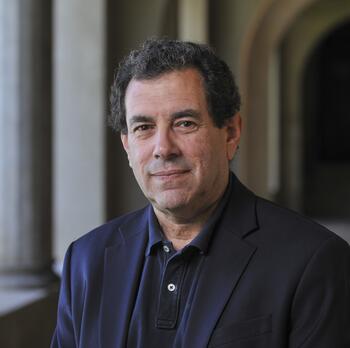
Dr. Monica Teran has experience in the analysis focus on the domains of disparities in health services and response to population health needs of the health system governance using spatial statistical methodology and Geography of health approach that takes into account spatial variation in socioeconomic factors and accessibility to services. Since September 2017 she is a member of Sistema Nacional de Investigadores, SNI (National System of Researcher) in Mexico, CONACYT.

CV
616 Serra StreetEncina Hall E301Stanford, CA94305-6055
0
natt_hongdilokkul.jpg Ph.D.

Natt Hongdilokkul joins the Walter H. Shorenstein Asia-Pacific Research Center (APARC) during the 2017-2018 academic year as a postdoctoral scholar in Developing Asia Health policy. His research interests concern the effect of universal health care on household outcomes and welfare using micro-level panel data in Thailand. He received a PhD and an MA in Economics from Simon Fraser University, Canada, and another MA and a BA in Economics from Thammasat University, Thailand.

Developing Asia Health Policy Postdoctoral Fellow, 2017-18
News Type
News
Date
Paragraphs

Rural areas of China have made remarkable progress in reducing adult mortality within the past 15 years yet broadened health insurance was not a casual factor in that decline, according to a new study by an international research team that includes Asia Health Policy Program Director Karen Eggleston.

The New Cooperative Medical Scheme (NCMS), a government-subsidized insurance program that began in 2002-03, expanded to cover all of rural China within a decade. Examining NCMS and cause-specific mortality data for a sample of 72 counties between 2004 and 2012, the researchers found that there were no significant effects of health insurance expansion on increased life expectancy.

The study, published in the September issue of Health Affairs, showed results consistent with previous studies that also did not find a correlation between insurance and survival, although much research confirms NCMS increased access to healthcare, including preventive services, and shielded families from high health expenditures.

Commenting on the study, Eggleston said population health policies remain central to China’s efforts to increase life expectancy and to bridge the gap between rural and urban areas.

Eggleston also noted that multiple factors beyond the availability of health care determine how long people live, and anticipates the research team will continue to explore the impacts of NCMS by extending the study to look at infants and youth.

Read the study (may require subscription) and view a related article on the Stanford Scope blog.

Hero Image
luoding china
Farmers dry star anise seeds in a country yard in Tanbin Township, China, Nov. 26, 2005.
Getty Images
All News button
1
Authors
Beth Duff-Brown
News Type
News
Date
Paragraphs


Design learning and journey maps are all the rage here at Stanford University and in Silicon Valley. So why not apply it to health systems to reduce diagnostic errors?

That’s what Stanford Health Policy’s Kathryn M. McDonald is trying to do: Map the journey of worrisome scenarios that keep clinicians up at night, and then plant design seeds that might just help those clinicians get back to sleep.

One of those real-world scenarios involves a preventable diagnostic error made as a high-risk condition unfolds across multiple visits to the doctor. Missed cancer diagnoses, for example, are the leading cause for paid medical malpractice claims in the ambulatory setting, with one in 20 patients experiencing potentially preventable diagnostic errors each year.

“For example, a patient who has a positive fecal blood test, but no follow-up colonoscopy within a reasonable period may experience a missed opportunity to detect and successfully treat colon cancer,” McDonald said.

McDonald and her team worked with San Francisco public health clinics that cater to low-income patients to investigate this key problem — missed diagnosis and prevention activities during outpatient care — then came up with design seeds to plant possible solutions.

She and her co-authors published their research in the journal Implementation Science. The project was conducted at the Ambulatory Safety Center for Innovation (ASCENT), a patient safety learning laboratory led by Dr. Urmimala Sarkar at University of California San Francisco, and funded by the federal Agency for Healthcare Research and Quality.

The team used a research design approach called “journey mapping,” a tool that tells the story of a customer’s experience through his own viewpoint. They constructed maps for each pathway used by doctors to monitor patients with sinister findings, starting with the initial diagnostic assessment during an initial clinic visit and continuing through ongoing follow-up visits.

“Whenever participants in the study verbalized elements of the pathway that were particularly vulnerable to error or poor monitoring, we marked the activity with a bullseye target, also referred to by clinicians as a ‘pain point,’” the authors wrote. “To our knowledge, this technique has seldom been applied to the ambulatory setting, and has not been targeted to clinic workflow efficiency or patient safety intervention development.”

[[{"fid":"227867","view_mode":"crop_870xauto","fields":{"format":"crop_870xauto","field_file_image_description[und][0][value]":"","field_file_image_alt_text[und][0][value]":false,"field_file_image_title_text[und][0][value]":false,"field_credit[und][0][value]":"","field_caption[und][0][value]":"","thumbnails":"crop_870xauto","alt":"","title":""},"type":"media","field_deltas":{"3":{"format":"crop_870xauto","field_file_image_description[und][0][value]":"","field_file_image_alt_text[und][0][value]":false,"field_file_image_title_text[und][0][value]":false,"field_credit[und][0][value]":"","field_caption[und][0][value]":"","thumbnails":"crop_870xauto","alt":"","title":""}},"link_text":null,"attributes":{"class":"media-element file-crop-870xauto","data-delta":"3"}}]]


“A design seed gives the specs for what a solution needs to do,” said McDonald, who is the executive director of Stanford Health Policy’s Center for Health Policy and Center for Primary Care and Outcomes Research. “Once you know the vulnerabilities through journey mapping, you create all the design seeds that are tied to the problem, then the implementation stage becomes much more straightforward and more likely to assure that all the key goals are met.”

To test out this theory, McDonald’s team spent the last two years working with doctors, residents, nurse practitioners and registered nurses with the San Francisco Health Network. The publicly funded integrated health network operates under the auspices of the San Francisco Department of Public Health and includes 14 primary care clinics, as well as urgent and specialty care at Zuckerberg San Francisco General hospital.

“The health system serves many of the most medically and socially vulnerable patients in San Francisco,” the authors wrote in their research paper. “Like many safety-net systems and ambulatory practices, the health system does not have a comprehensive electronic health record system and struggles with information transfer as well as fragmentation of health information across over 50 electronic platforms.”

The health system had more than half a million outpatient visits last year by people who could not afford care. Patients at the network’s main clinics and hospital are diverse: 35 percent are Latino, 21 percent are white, another 21 percent are Asians, and 17 percent are African-American.

Only 1 percent of the network population has commercial insurance; 10 percent were uninsured; 57 percent were on Medi-Cal — California’s Medicaid program — 21 percent were on Medicare and the remaining 11 percent were covered by other, mostly public sources.

This type of ambulatory health care is complex, requiring constant tracking and reconciliation of individual patient activities, patient data, and the unique evolution of each clinical case.

"Human factors and industrial design methodologies have tremendous potential to help unravel these complexities and provide fundamental insights that can drive the development of novel solutions," said co-author George Su of the University of California San Francisco School of Medicine.

McDonald said that journey mapping helped frontline clinic members see their workflow for a specific task, which in this case was monitoring this diverse population for follow-up visits after a potentially sinister finding. The system challenge is population management of an ill-defined problem.

“Lots of ambulatory care work is done one patient interaction at a time, but robust monitoring requires a view from a higher plane,” she said in an interview. “Journey mapping makes the aerial view more tangible and realistic for clinic team input.”

[[{"fid":"227868","view_mode":"crop_870xauto","fields":{"format":"crop_870xauto","field_file_image_description[und][0][value]":"","field_file_image_alt_text[und][0][value]":false,"field_file_image_title_text[und][0][value]":false,"field_credit[und][0][value]":"","field_caption[und][0][value]":"","thumbnails":"crop_870xauto","alt":"","title":""},"type":"media","field_deltas":{"2":{"format":"crop_870xauto","field_file_image_description[und][0][value]":"","field_file_image_alt_text[und][0][value]":false,"field_file_image_title_text[und][0][value]":false,"field_credit[und][0][value]":"","field_caption[und][0][value]":"","thumbnails":"crop_870xauto","alt":"","title":""}},"link_text":null,"attributes":{"class":"media-element file-crop-870xauto","data-delta":"2"}}]]

McDonald’s team selected high-risk cancer situations: incidentally discovered pulmonary nodules; monitoring for breast, colorectal and prostate cancers; and ear, nose and throat cancers. These high-risk cancers require recurring and timely follow-up care to assure intervention whenever the disease takes hold.

The team interviewed clinicians from each of five specialty clinics responsible for these high-risk patients in pulmonary medicine, breast cancer, gastroenterology, urology, and otolaryngology. They asked the frontline clinicians: “What keeps you up and night? And what are your clinical hunches about who might fall through the cracks?”

While the providers talked about the types of patients who become lost to follow-up visits, the researchers found, none of the clinics had a standardized and efficient method of quantifying how many patients were lost to follow-up care and, perhaps more importantly, why.

“Many other health networks share similar struggles with incomplete documentation and measuring the real-time scope of patient safety problems,” wrote McDonald and co-authors Sarkar, Su and Sarah Lisker of the University of California San Francisco School of Medicine; and Emily S. Patterson of Ohio State University College of Medicine.

“When a patient has a warning signal for a serious condition that has yet to materialize but may in the future, the ability of a clinical team to watch the patient closely over time hinges on incredible vigilance on the part of individual clinicians — hardly an ideal solution,” McDonald said.

Image
kathy mcdonald sepia

This is the crux of the problem, she said, and where so-called “design seeds” are planted.

“The design seeds lay the groundwork in a very specific fashion. Journey mapping and process tracing figure out the problem, in our case, vulnerabilities, and then the design seeds are the first-stage of the solution,” McDonald said. “It’s very user-focused, learning directly from those who are on the frontlines of the work, and making sure that the problem is specified in a way that allows for the developments of solutions that can scale more flexibly during implementation.”

The team identified 45 vulnerabilities within San Francisco’s publicly funded health clinics.

“Repeatedly, we heard that clinicians worry about properly tracking these patients, and are troubled by the significant personnel time required in carrying out patient-level monitoring activities without tools and organization approaches for population-level monitoring,” they wrote.

But even then, the team did not jump straight to solutions. That’s the next step.

The team will launch a pilot project to test possible solutions that will grow from the design seeds, such as whether new digital technology, workflow arrangements, and structured data collection could help find those patients lost in the cracks of an overloaded system.

“Such focused and potentially scalable work is particularly needed for patients who may be lost to follow-up in systems that are stretched for dollars and time,” the authors concluded. “Providers will often create informal workarounds in response to the lack of comprehensive and coordinated record-keeping systems, which can result in errors as well as redundant efforts.”

The ASCENT team is already implementing a monitoring solution informed by the journey mapping activities, in subspecialty care clinics at Zuckerberg San Francisco General, by testing technical and workflow models.

“We determined the need for a registry for high-risk patients in the otolaryngology clinic to help us monitor the entire process,” said Sarkar, a primary care physician and head of the ASCENT lab at UCSF. “This means the final diagnosis, workup and treatment planning, the actual treatment itself and then surveillance and follow-up.”


Hero Image
health clinic Getty Images
All News button
1
News Type
News
Date
Paragraphs

After going in for a routine procedure, a man ends up with a punctured lung and a medical emergency. A woman's surgery goes well until her stomach is stitched up with a sponge inside. Most of us feel safe going to the doctor, but the road to high-quality care was not straightforward. In this FSI World Class Podcast, Stanford Health Policy's Kathryn McDonald tells us how the safe, high-quality care we expect got where it is today and what we can do to maintain it. Kathryn McDonald is the Executive Director of the Center for Health Policy/Primary Care and Outcomes Research at Stanford University.


And in this Q&A posted on Medium, McDonald responds to the age-old question: How can we improve the quality of health care?

"One of the lead agencies that’s responsible for generating evidence and moving it into practice is the Agency for Healthcare Research and Quality (AHRQ). They’re under Health and Human Services. They have a major program called AHRQ’s Evidence Now aimed at improving heart health in America. Lots of people are on aspirin to prevent heart attacks, but there are also lots of people who could benefit from it who aren’t on it. They’re working with the health-care delivery system to figure out how to get patients who need to be on aspirin to use it. These are driven by reforms to make the delivery system accountable for patients’ health. If you can change behavior — either of patients or of physicians — you can save more lives."

Read More


Hero Image
hospital gowns Getty Images
All News button
1
Paragraphs

For forty years, the Tuskegee Study of Untreated Syphilis in the Negro Male passively monitored hundreds of adult black males with syphilis despite the availability of effective treatment. The study's methods have become synonymous with exploitation and mistreatment by the medical community. We find that the historical disclosure of the study in 1972 is correlated with increases in medical mistrust and mortality and decreases in both outpatient and inpatient physician interactions for older black men. Our estimates imply life expectancy at age 45 for black men fell by up to 1.4 years in response to the disclosure, accounting for approximately 35% of the 1980 life expectancy gap between black and white men.

All Publications button
1
Publication Type
Journal Articles
Publication Date
Journal Publisher
The Quarterly Journal of Economics
Authors
Authors
Beth Duff-Brown
News Type
News
Date
Paragraphs

Stanford Health Policy’s newest faculty member, Joshua Salomon, believes that one urgent need in global health research is to improve forecasts of the patterns and trends that are the major causes of death and disease.

Salomon, who is leaving leaving his position as professor of global health at the Harvard T.H. Chan School of Public Health to join Stanford on Aug. 1, works on modeling of infectious and chronic diseases and their associated intervention strategies, as well as methods for economic evaluation of public health programs and ways to measure the global burden of disease.

And he looks at the potential impact and cost effectiveness of new health technologies.

“Projections of future trends in health are crucial to formulating policy,” said Salomon, who has a PhD from Harvard. “To think strategically about the technologies and policies that would make the biggest impact on health over the next 20 to 50 years, we really need to start by understanding the range of likely trends in major health challenges over the coming decades.”

Stanford, he said, offers him a “rich collaborative environment” to better learn from advances in forecasting across a range of other disciplines, such as economics, political science, and environmental science.

“With a better picture of what the world is likely to look like over the next 50 years — and what are going to be the most pressing health problems — we can invest wisely and put ourselves in a position to respond more effectively.”

Salomon is also the director of the Prevention Policy Modeling Lab, which is funded by a five-year award from the Centers for Disease Control and Prevention. The consortium represents the collaborative research of experts from Massachusetts General Hospital, Boston Medical Center, Dana Farber Cancer Institute, Yale School of Public Health, Brown University School of Public Health, and the Massachusetts Department of Public Health and.

He will continue directing the lab from Stanford and intends to bring in new research threads from his colleagues here on the Farm. The lab works on a wide range of projects dealing with policy analysis for hepatitis, sexually transmitted infections and diseases such as HIV, and tuberculosis.

“It’s a rewarding grant for me to work on because, unlike a lot of modeling projects, the work that we do really starts from urgent public health questions that policymakers have,” he said. “All of the questions that we are working on are questions that originated directly from discussions with CDC and other public health partners.”

With Salomon’s move to Stanford, the university gains a dynamic duo.

Grace Lee joins Stanford as the Associate Chief Medical Officer at Lucile Packard Children's Hospital in the fall, 2017.

His wife, Grace Lee, MD, MPH, joins in the fall as the Associate Chief Medical Officer at Lucile Packard Children’s Hospital. As a professor of population medicine at Harvard Pilgrim Health Care Institute & Harvard Medical School, Lee has led research in vaccine safety in the FDA-funded Post-licensure Rapid Immunization Safety Monitoring (PRISM) program and the CDC-funded Vaccine Safety Datalink, which monitors the safety of vaccines and studies rare and adverse reactions from immunizations.

She has also examined the impact of financial penalties on rates of healthcare-associated infections, as the principal investigator of an AHRQ-funded study, as well as developed novel surveillance definitions for ventilator-related events in neonates and children.

While at Stanford, Lee said, she intends “to find opportunities to enhance the learning health system approach to improve patient outcomes and population health.”

Salomon has spent his entire career as a collaborator on the Global Burden of Disease project, the world’s most comprehensive epidemiological study commissioned by the World Bank in 1990, which tracks mortality and morbidity from major diseases, injuries and risks factors.

“The study has made a major contribution to global public health because before this study we just didn’t have a comprehensive, systematic understanding of the things that cause death and disability in low- and middle-income countries. But now we do,” he said. “It’s hugely ambitious and very sweeping in scope — and a lot of my work is around providing the evidence we need to inform policy.”

Much of Salomon’s work is global in nature. He’s most recently focused on older adults in one rural South African community, which has a high prevalence of HIV and one of the world’s highest levels of hypertension. His research there aims to inform urgent prevention initiatives tailored to older adults where HIV and cardiovascular risks are moderate or high, as in similar communities in sub-Saharan Africa.

“People don’t expect a high level of ongoing HIV transmission in older adults,” he said. “The double burden that we find, with a very high level of HIV, as well as the high prevalence of diabetes and heart disease, creates enormous strains on the health-care system.”

Hero Image
40 joshua salomon
Stanford Health Policy's Joshua Salomon believes forecasting new patterns and trends in global health is an urgent need.
Harvard T.H. Chan School of Public Health
All News button
1
News Type
News
Date
Paragraphs

The Asia Health Policy Program at the Shorenstein Asia-Pacific Research Center, in conjunction with The Next World Program, is soliciting papers for a workshop, “Inequality & Aging,” held at the University of Hohenheim from May 4-5, 2018. The workshop will result in a special issue of the Journal of the Economics of Ageing, and aims to address topics such as:

  • Population dynamics and income distribution
  • The evolution of inequality over time and with respect to age
  • Health inequality in old age
  • The effects of social security systems and pension schemes on inequality
  • Policies to cope with demographic challenges and the challenges posed by inequality
  • Family backgrounds and equality of opportunities
  • Demographically induced poverty traps
  • Effects of automation and the digital economy in ageing societies
  • Flexible working time and careers, and their long-term implications
  • The dynamics of inheritances, etc.

Researchers who seek to attend the workshop are invited to submit a full paper or at least a 1-page extended abstract directly to Klaus Prettner and Alfonso Sousa-Poza by Sept. 30, 2017.

Authors of accepted papers will be notified by the end of October and completed draft papers will be expected by Jan. 31, 2018. Economy airfare and accommodation will be provided to one author associated with each accepted paper. A selection of the presented papers will be published in the special issue; the best paper by an author below the age of 35 will receive an award and be made available online as a working paper.

Researchers who do not seek to attend the workshop are also invited to submit papers for the special issue. Those papers can be submitted directly online under “SI Inequality & Ageing” by May 31, 2018.

For complete details, please click on the link below to view the PDF.

Hero Image
usd health Getty Images
All News button
1
Paragraphs

Background

Missed evidence-based monitoring in high-risk conditions (e.g., cancer) leads to delayed diagnosis. Current technological solutions fail to close this safety gap. In response, we aim to demonstrate a novel method to identify common vulnerabilities across clinics and generate attributes for context-flexible population-level monitoring solutions for widespread implementation to improve quality.

Results

We identified five high-risk situations for potentially consequential diagnostic delays arising from suboptimal patient monitoring. All situations related to detection of cancer (head and neck, lung, prostate, breast, and colorectal). With clinic participants we created 5 journey maps, each representing specialty clinic workflow directed at evidence-based monitoring. System vulnerabilities common to the different clinics included challenges with: data systems, communications handoffs, population-level tracking, and patient activities. Clinic staff ranked 13 design seeds (e.g., keep patient list up to date, use triggered notifications) addressing these vulnerabilities. Each design seed has unique evaluation criteria for the usefulness of potential solutions developed from the seed.

All Publications button
1
Publication Type
Journal Articles
Publication Date
Journal Publisher
Implementation Science
Authors
Authors
Beth Duff-Brown
News Type
News
Date
Paragraphs

Fewer girls in low-and-middle-income countries finish secondary school, resulting in poorer health and economic outcomes for their own children — and perpetuating the vicious cycle of gender inequality worldwide.

According to The World Bank, in Sub-Saharan and South Asia, boys are 1.5 times more likely to complete secondary education than girls. Many are forced to stay at home and help their mothers with housework and childcare, particularly if a younger sibling is sick.

Yet the potential gains from increased participation of women in the global workforce over the next decade are estimated at $12 trillion. Studies show that women’s equal participation in the workforce could boost some countries’ GDP by up to 20 percent.

Stanford Health Policy’s Marcella Alsan, a physician and economist, argues in a new study in the journal Pediatrics, that identifying contributors to education disparities and making investments in early childhood health could significantly advance global health and development.

“There are so many advantages to girls staying in school,” Alsan, an assistant professor of medicine at Stanford Medicine, said in an interview. “For one thing, the longer they’re in school, the less likely they are to become young mothers or contract HIV. And the more educated the mother, their own children have better chances of survival.”

So what are some of the biggest barriers to girls completing secondary school in less developed countries?

Alsan and her co-authors found the gender gap is compounded by illness among young children in the household since adolescent girls are often tasked with childcare and domestic chores. The problem is exacerbated if the mother works outside the household.

Follow the Numbers

Along with SHP research data analyst Anlu Xing, Alsan and her team used Demographic and Health Surveys on 41,821 households in 38 low-and-middle-income countries. The surveys asked about illnesses in children under 5 in the last two weeks, and then asked the adolescent boys and girls if they had been in school in the same period.

As expected, more girls remained at home than boys. When no young children in the household are ill, adolescent girls are on average 6 percent less likely to attend school than adolescent boys within the same household.

But the gap increases to 7.8 percent if the household reports one illness episode among an under-5 child, and up to 8.5 percent if there are two or more episodes of illness.

Image
mongolian children study

In other words, the authors write, “The gender gap in adolescent school attendance increased by around 50 percent when young children in the household became ill.”

The education gap between adolescent boys and girls jumps to 10.06 percent if the younger child has two or more episodes of illness — and the mother is working outside the home or in the fields.

“Policies that strengthen family and community supports for challenges such as sick child care will prove essential,” the authors write, “particularly as women move increasingly into the workforce outside the home.”

Alsan’s co-authors are Eran Bendavid, assistant professor of medicine and core faculty member at Stanford Health Policy; Gary Darmstadt, a professor of pediatrics and associate dean for maternal and child health at Stanford Medicine; and Paul Wise, another core faculty member at SHP and professor of pediatrics.

Vaccines Also Key

Alsan and her team also examined data on the gender gap in adolescent education in association with national vaccine rates, using the same country-year surveys.

They found that in countries where about 70 percent of all the boys and girls had the same series of eight vaccines — including polio, diphtheria, tetanus and measles — the gender gap in education approaches zero.

“We hypothesize that countries with high rates of childhood vaccination will experience lower rates of young child illness, thereby decreasing the need for adolescent girls’ to devote time to caring for sick children,” the authors write.

Given the long-term benefits of secondary school for women’s health and economic outcomes, the authors believe their study underscores the societal benefits of keeping girls in school. A combination of vaccines and early childhood interventions to keep toddlers healthy and their older sisters in school are paramount.

“The international community agrees that educating girls through secondary school has plenty of societal benefits — we show that health interventions targeting young kids are an important way to do just that,” says Alsan. “Not only the targeted little kids benefit but also their older sisters — a double dividend.”

Hero Image
african girls school getty
Secondary school girls responding to a speech at Jamhuri High School in Nairobi, Kenya.
Paula Bronstein/Getty Images
All News button
1
Subscribe to Public Health