Public Health
Authors
Beth Duff-Brown
News Type
Q&As
Date
Paragraphs

Controversies over the lack of diagnostic testing for the COVID-19 virus have dominated U.S headlines for weeks. Technical challenges with the first test developed by the Centers for Disease Control and Prevention (CDC) left the nation with minimal diagnostic capacity during the first few weeks of the epidemic, according to a new paper published today in the Journal of the American Medical Association by Michelle Mello, a professor of medicine at Stanford Health Policy and professor of law at Stanford Law School.

On February 29, the Food and Drug Administration (FDA) began allowing high-complexity labs across the country to use tests they developed in-house. On March 5, the Stanford Clinical Virology Lab deployed its own test for patients at Stanford Health Care and Stanford Children’s Health.

We asked Mello to answer some questions about the federal rollout of diagnostic testing.


You write that in the early stages, COVID-19 “spread beyond the nation’s ability to detect it.” Is there anything the U.S. government could or should have done weeks ago to get out ahead of the spread?

Adopting broader testing criteria and allowing use of a wider range of tests would have been helpful in identifying the first U.S. cases and containing the spread. Manufacturing problems like the one that arose with CDC’s test are always a risk, but the fact that CDC put all its eggs in that one basket made the manufacturing snafu highly consequential.

Also, the public messaging from Washington about the seriousness of the problem has been neither consistent nor accurate, and I worry it may have led Americans to take fewer steps to prevent community transmission than we should have. Containment was not “pretty close to airtight.” A vaccine was never going to be ready in “three to four months,” as the Trump administration claimed. The case fatality rate is not “way under 1 percent.” Part of the problem here is that as the stock market continues to plunge, the president and the task force he appointed appear to be more concerned about calming investors than stopping the virus.

We seem to be between a rock and a hard place: You write that remedying gaps in testing is imperative, yet “more testing is not always better.” How do we determine the happy middle ground?

First, the testing criteria have to be calibrated to our actual testing capacity. You can’t announce that any American who wants a coronavirus test can get one and then, within hours, announce that there aren’t enough test kits to make that possible. High priorities for testing include patients with serious, unexplained respiratory illness and contacts of known cases. From there, testing can be expanded, beginning with other high-risk groups, as capacity permits.

Second, we should consider unintended side effects of mass testing. The problem with this virus is that it doesn’t have signature symptoms. It looks like the common cold or the flu. If everyone with a cough or fever, or who has been around someone with a cough or fever, shows up in their doctor’s office demanding a test, it will quickly overwhelm care facilities that should be focusing on patients with a higher likelihood of being infected or and those who are infected and are seriously ill. It may also work against the social distancing measures that public health officials are trying to encourage, because crowded waiting rooms may spread the virus.

The CDC announced Monday it now has the testing capacity in 78 state and local public health labs across 50 states to test for the virus. There are now 75,000 lab kits cumulatively to test for COVID-19 with more coming on board by mid-March. But is there anything we could have done to roll this out earlier?

The alternative would have been to allow laboratories to deploy their own tests from the beginning, using the primers and protocols made publicly available by the World Health Organization. That’s what other countries have done. RT-PCR is a mature technology and high-complexity labs around the country are well-qualified to conduct this type of testing.

There is a public health argument for not going that route: perhaps those labs wouldn’t have done as good a job as CDC’s own lab and the state labs that it handpicked early in the outbreak. What if there were erroneous test results? We could miss cases, or we could put people into isolation, with huge social consequences, based on false-positive results. There is also a worry that some labs aren’t consistent about reporting positive test results to CDC, and underreporting could compromise disease surveillance efforts.

The counterargument is that high-complexity labs have that certification for a reason—they’re good at what they do. And of course, surveillance is also compromised when you miss cases because you don’t test.

You write in your paper that testing for COVID-19 “highlights a controversial area of public policy—the regulation of laboratory-developed tests—in which there has long been tension between the goals of access and quality.” Who should be in charge of regulating these tests?

Laboratory-developed tests are largely unregulated outside of emergencies. The FDA proposed draft guidance in 2014 that, if implemented, would have required labs to make certain showings to FDA about tests they developed in-house, with the particular evidence calibrated to the risks involved in having a wrong test result. Contrary to President Trump’s claim that an Obama-era policy constrained coronavirus testing, the guidance did not relate to emergency situations. During declared emergencies, another statute and set of regulations apply, and the FDA has broad discretion to allow or disallow use of novel diagnostics and therapies as emergency countermeasures.

As a general matter, it makes good sense to require labs to submit evidence that their in-house tests work. It’s odd that laboratory-developed tests are carved out of requirements that apply to other kinds of medical devices. It’s also sensible that our legal framework allows FDA’s regular rules to be relaxed during emergencies so we can tailor our response to the difficult and changing circumstances.

You write that diagnostic testing is critical to an effective response to the novel coronavirus. What sort of policies and guidelines should be put into place to prevent such a sluggish rollout during an emerging epidemic the next time one comes around?

The legal framework for an effective emergency response is in place. Because giving agency heads the discretion to act as potentially unforeseeable circumstances require is a linchpin of this legal framework, it only works if leaders make smart choices. Every emergency is different, and there is a danger of Monday-morning quarterbacking. But we should learn from every misstep we make, and I think the lesson here is to make better use of already developed networks of highly qualified labs to make sure we have adequate testing capacity to isolate cases and trace their contacts very early in an outbreak.

What are some innovative approaches we could be taking to speed up testing for those who really need it?

The South Koreans have set up drive-through testing stations in parking lots to avoid concentrating crowds of people indoors. Of course, that requires that you have plenty of test kits, which we don’t yet – but we should also be thinking about creative ways to address the epidemic. For example, how could video calls be used to monitor the health of people confined at home after being exposed to the virus? How can social media be used to connect neighbors to help one another when some are isolated at home? Hopefully we can find new ways for technology to bring us together when pathogens drive us apart.

Hero Image
gettyimages corona test Getty Images
All News button
1
News Type
News
Date
Paragraphs

Deputy Director of APARC and Director of the Asia Health Policy Program Karen Eggleston recently spoke to Bloomberg Markets about the new cases and the further spread of the COVID-19 coronavirus in the United States.

"There has been widespread international collaboration on the scientific side to try and get ready for a vaccine and for therapies, but that takes time. In the meantime, you have to rely on tried and true public health measures."

Eggleston stressed the importance of people remaining calm and avoiding both complacency and panic in response to the growing public health crisis. Instead, being proactive, science-based, and utilizing clear, organized communications channels are the keys to protecting individuals and communities and in making timely, informed, effective decisions about future steps as the outbreak continues. Typical practices for flu season such as frequent handwashing, staying away from public spaces when ill, and following recommended self-quarantine guidelines are all measures people can take to support their well-being and the health of those around them.

"It's important to remember that both the transmissibility and the fatality rate [of COVID-19] can be changed by the way we respond. The way we trace the contacts and isolate can reduce the transmissibility. And the resilience of our public health system and investment in prevention and supporting our healthcare workers and having the right equipment in place for the severe cases can affect the fatality rate and protect people."

Watch the full interview below to hear more recommendations on how to prepare.

Hero Image
Karen Eggleston on Bloomberg Market news. Bloomberg Market
All News button
1
Authors
Beth Duff-Brown
News Type
News
Date
Paragraphs

A task force of national health experts recommends clinicians screen all adults 18 to 79 for the hepatitis C virus (HCV), noting that the viral infection is now associated with more deaths in the United States than the top 60 reportable infectious diseases combined.

Many people are unaware they are carrying the viral infection.

“People with hepatitis C do not always feel sick and may not know they have it,” says chair of the U.S. Preventive Services Task Force Douglas K. Owens, M.D, M.S. “Screening is key to finding this infection early, when it’s easier to treat and cure, helping reduce illnesses and deaths.”

Screening involves testing a blood sample to see whether it contains antibodies (disease-fighting proteins) that react specifically to the hepatitis C virus. This test is followed by a second test that determines the level of virus in the blood. When used together, these two tests accurately identify whether a person has hepatitis C infection, according to the Task Force.

An estimated 4.1 million people in the United States are carrying HCV antibodies; about 2.4 million are living with the virus, according to the Task Force. The HCV infection becomes chronic in 75% to 85% of cases and some of those people develop symptoms such as chronic fatigue and depression, and liver diseases that can range from cirrhosis to liver cancer.

Approximately one-third of people ages 18 to 30 who inject drugs are infected with the virus; 70% to 90% of older injection-drug users are infected.

Owens, who is the director of Stanford Health Policy and the Henry J. Kaiser, Jr., Professor of Medicine, said the opioid epidemic now plays an important role in the prevalence of HCV. There are more than three times the number of acute HCV cases than a decade ago, particularly among young, white, injection drug users who live in rural areas. Women aged 15 to 44 have also been hit hard by the virus that is spread through contaminated blood.

“The opioid epidemic has added fuel to the HCV fire, substantially increasing transmission,” said Owens. “HCV is now an enormous public health problem, affecting a much broader age range of people than before. Fortunately, we have the tools to identify people and treatment is now successful in the vast majority of patients, so screening can prevent the mortality and morbidity from HCV.”

The U.S. Preventive Services Task Force is an independent panel of national experts in prevention and evidence-based medicine whose recommendations are followed by primary care clinicians nationwide. It has recommended people who are at high risk be tested for hepatitis C, as well as “baby boomers” born between 1945 and 1965, but now recommends screening all adults age 18 to 79, and younger or older patients if they are at high risk of acquiring HCV.

Hepatitis C is primarily spread when blood from an infected person enters the body of someone who is not infected. There currently is no vaccine for hepatitis C although research in the development of a vaccine is underway. But there are effective oral direct-acting antiviral (DAA) medications that can clear the virus from the body, particularly if caught early.

“Hepatitis C affects millions of people across the country,” says Task Force member Michael J. Barry, M.D. “We recommend screening all adults regardless of their risk because new evidence shows that more people can benefit from this service than even before.”

The Task Force’s final recommendation statement and corresponding evidence summary have been published online in the Journal of the American Medical Association, as well as on the Task Force website at http://www.uspreventiveservicestaskforce.org


Hero Image
gettyimages hcv test Getty Images-HepC
All News button
1
Subtitle

A task force of national health experts recommends clinicians screen all adults 18 to 79 for the hepatitis C virus (HCV), noting that the viral infection is now associated with more deaths in the United States than the top 60 reportable infectious diseases combined.

Authors
Beth Duff-Brown
News Type
News
Date
Paragraphs

More evidence-based research is needed before the U.S. Preventive Services Task Force can recommend that clinicians screen their older patients for cognitive impairment such as dementia and Alzheimer’s disease.

Cognitive impairment is a growing public health dilemma that affects millions of Americans as they age. The Global Burden of Disease study shows that Alzheimer’s rose from the 12th most burdensome disease or injury in the United States in 1990 to the 6th in 2016.

Medical experts who were commissioned to conduct an evidence report for the Task Force projected that the burden of Alzheimer’s disease is expected to grow to 13.8 million U.S. residents by 2050 — or nearly 3.3% of the projected U.S. population by that year.

Their findings, the Task Force recommendation statement and several accompanying editorials were all published Tuesday in the Journal of the American Medical Association.

The symptoms of cognitive impairment can range from problems with memory and language, to learning new things or making decisions that affect everyday life. 

“Early identification of cognitive impairment through screening would ideally allow patients and their families to receive care at an earlier stage in the disease process, potentially facilitating discussions regarding health, financial, and legal decision-making while the patient still retains decision-making capacity,” the authors of the Task Force evidence report wrote.

But after reviewing some 287 studies including more than 285,000 older adults, the Task Force determined there wasn’t sufficient evidence about the benefits or harms of screening adults 65 and older who do not have signs or symptoms. The Task Force also did not find adequate evidence that screening for cognitive impairment improves decision-making or planning by patients, caregivers or doctors.

At the same time, there is little evidence on potential harms of screening, such as depression, anxiety or lower quality of life.

“Given the burden of dementia and the intense public interest in preventing cognitive impairment, the lack of progress is disheartening,” Carol Brayne, MD, with the Department of Public Health and Primary Care at the University of Cambridge in the UK, wrote in an accompanying JAMA editorial to the Task Force evidence report.

But, she added, “Political considerations and pressure from commercial interests and patient advocacy groups notwithstanding, public policies for dementia screening should be supported by evidence.”

The Task Force — an independent panel of national experts in prevention and evidence-based medicine — encourages clinicians to remain alert for early signs of symptoms of cognitive impairment, while calling for more research on the detection of dementia.

“Research is especially needed on whether screening and early detection of cognitive impairment helps patients, caregivers, and doctors make decisions about health care or plan for the future,” said Douglas K. Owens, chair of the Task Force and the director of Stanford Health Policy.  “We share the frustration of clinicians who want to offer something that could help patients prevent cognitive impairment. We hope that additional research will enable us to know whether that’s possible.”

The most commonly used screening tests include the Mini-Mental State Examination as well as the clock-drawing test. Screening tests involve asking patients to perform a series of tasks that asses one or more aspects of cognitive functions. The USPSTF concluded that more research is needed to know whether such screening tests can lead to interventions that help prevent or improve cognitive impairment. 


Hero Image
gettyimages elderly man Getty Images
All News button
1
Authors
News Type
Q&As
Date
Paragraphs

Updated January 24
Millions of residents in China are under lockdown measures as the number of reported deaths from the coronavirus outbreak rises to 26. In the United States, dozens of people are being monitored for the virus. The World Health Organization on January 23 said at a press conference the outbreak did not yet constitute a global public health emergency.


The outbreak of a novel coronavirus that began in December 2019 in Wuhan, China “is evolving and complex,” said the head of the World Health Organization (WHO) after its emergency committee convened on Wednesday, January 22, and decided that more information was needed before the WHO declares whether or not the outbreak is a public health emergency of international concern. The new virus, known as 2019-nCoV, causes respiratory illness and continues to spread across China. Chinese health authorities, reports the Washington Post, announced that at least 17 people have now died as a result of infection and confirmed cases have been reported in Japan, Thailand, South Korea, Hong Kong, and Macao, with one travel-related case detected in the United States, in the State of Washington. The WHO decision was made as the city of Wuhan shut down all air and train traffic to try to contain the spread of the virus.

With concern over and coverage of the situation rapidly developing, Karen Eggleston, APARC Deputy Director and the Asia Health Policy Program Director at the Shorenstein Asia-Pacific Research Center, offered her insights on the outbreak and its impact on both Asian and international healthcare systems.

Q: Why has this outbreak raised so much concern in China and internationally, and how worried should people be about it?

Infectious disease outbreaks can challenge any health system. Events such as SARS, Ebola, and MERS outbreaks, and even the devastating flu pandemic a century ago, remind us of the frightening power that infectious diseases with high-case fatality can have. The global burden of mortality and morbidity is mostly from non-communicable chronic diseases, but no country or society is immune to old, newly emerging, and re-emerging infectious diseases. And although health systems are generally stronger now and have more technologies to trace and contain outbreaks, there are also deep and complicated challenges that make swift, coordinated disease response difficult even in the modern era.

Any government leadership or healthcare responders who have tried to manage an outbreak situation before are hyper-aware of the need to prepare for and manage future incidents, but we are living in a moment of very complicated social dynamics surrounding public health and healthcare. Distrust in drug companies and government agencies, controversies over vaccines, and increasing skepticism in science, even if only from vocal minorities, all make it more difficult to manage a cohesive international response to an outbreak situation and protect vulnerable people.

Q: As you’ve mentioned, many people looking at this situation with the memory of outbreaks such as SARS or H1N1 in mind. How is the Chinese government addressing this crisis and how does its reaction compare with China’s history of emergency health responses?

China’s health system is much more prepared now, compared to the SARS crisis 17 years ago. More training and investment in primary health care, disease surveillance and technology systems for tracking and monitoring outbreaks, and the achievement of universal health coverage with improving catastrophic coverage even for the rural population, all suggest a health system that is much better prepared to handle a situation like this. Top-level leadership in China had already begun to publicly address the situation within days of the outbreak to assure the public that strict prevention measures will be taken and to urge local officials to take responsibility and share full information. Until more information is gained and more is understood about the nature of this virus, it’s been categorized as a “Grade B infectious disease” but will be managed as if it is a "Grade A infectious disease," which requires the strictest prevention and control measures, including mandatory quarantine of patients and medical observation for those who have had close contact with patients, according to the commission. China currently only classifies two other diseases as Grade A infection diseases—bubonic plague and cholera—and so that tells you something about how seriously this is being treated by those in leadership positions.

Q: And what about the response from the international health communities?

As with any major healthcare crisis, health systems around the globe must also respond with alacrity and integrity, including effective surveillance, monitoring, and infection control. Individuals also play a crucial role in supporting the instructions and recommendations made by established healthcare professionals. For example, the individual with the confirmed case in Washington State proactively told medical personnel about his recent visit to the Wuhan area. His medical providers then exercised appropriate levels of caution, given the unknown nature of the virus, and isolated him while his symptoms developed. He is currently combatting an infection similar in severity to that of mild pneumonia, and so far no other cases have been reported in the United States, though some may arise in the coming days and weeks.

There is always a fine balance between safeguarding public health while still respecting individual rights, civil liberties, and undertaking a prudent, scientific response. The aim is to remain clear and transparent in communications and actions without reverting to disproportionate or overly aggressive responses which lead to panic, distortion, and misinformation about the situation. Some countries, like the Democratic People’s Republic of Korea, may choose to seal their international borders until more is understood about the nature of this virus, but most nations will use tried-and-tested methods of monitoring travelers and alerting population health systems so that information about cases is widely available to health authorities and medical researchers trying to understand the cause and develop a potential cure.

Q: As this situation continues to develop, and with inevitable future disease outbreaks around the globe, what would you hope people keep in mind about the role we all play in healthcare crises and in public health?

One issue this outbreak reminds us of in a visceral and intimate way is how closely people are linked together across the world. Globalization and air travel almost instantaneously link continents, countries, and regions. The timing of this outbreak is particularly fraught, because it’s the beginning of the Lunar New Year, when there is a vast migration of people both within China, throughout greater Asia, and across the globe as massive populations go home to celebrate the holidays with family. The potential for a contagious disease to spread easily through crowds and across borders in circumstances like this is very high, and highlights the need for the international communities to share information, scientific expertise, and understanding.

We need to remember that this is not just a problem in a remote part of the world that has no impact on those of us who live in relative comfort in high-income countries. Rather, this is something that could easily impact anyone. Perhaps this latest outbreak and response will showcase how vital additional, ongoing investments in both domestic and international healthcare systems, technologies, and people are.

Hero Image
Security personnel check the temperature of passengers in the Wharf at the Yangtze River on January 22, 2020 in Wuhan, Hubei province, China.
Getty Images
All News button
1
Authors
Lisa Lee
News Type
News
Date
Paragraphs

Jointly with partners throughout Asia, the Asia Health Policy Program (AHPP) at Shorenstein APARC has developed comparative research on health care use, medical spending, and clinical outcomes for patients with diabetes in the region and other parts of the world as a lens for understanding the economics of chronic disease management. Karen Eggleston, AHPP director and APARC deputy director, recently traveled to South Korea, where she led three project-related events.

On November 29, a workshop on Net Value Diabetes Management was held at Seoul National University (SNU) School of Medicine. This was the third such workshop convened through the project, following two previous ones held in Beijing at the Stanford Center at Peking University. Another workshop, on diabetes modeling, hosted by the Mt. Hood Diabetes Challenge Network, was held at Chung Ang University on December 1. Finally, on December 5, Eggleston held an information session, titled Comparative Economics Research on Diabetes, during the 2019 International Diabetes Federation (IDF) at BEXCO in Busan. These events were also made available through video conferencing to enable remote participation by collaborators who were unable to travel to Korea.

[Learn more about AHPP’s Net Value in Diabetes Management research project]

Diabetes Net Value Workshop

The workshop brought together team members from multiple health systems — including South Korea, Japan, Taiwan, Hong Kong, Thailand, India, the Netherlands, and the United States — to discuss comparative research on the economics of diabetes control. Eggleston shared the results of a study outlined in a working paper on the net value of diabetes management in Japan, the Netherlands, Taiwan, and Hong Kong. This research is part of a broader series of studies aimed to help address the policy challenge of finding the best strategies to improve health through cost effective prevention and healthcare productivity in chronic disease management.

The key to this research was to measure changes in quality or health outcomes over time by predicting mortality risk using blood pressure, blood sugar, and other factors amenable to patient and provider control and improvement (controlling for age and duration of diabetes diagnosis). The research seeks to understand how we can control cost and eliminate waste without cutting out the things that are valuable and improving people’s quality of life. Further studies probe determinants of relative net value of a pay-for-performance program in Taiwan, adherence to medications and vertical integration in Japan, and net value based on a randomized controlled trial in India.

Image
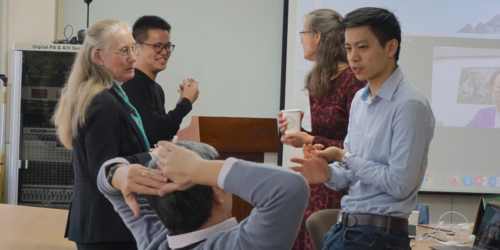
Two women and three men talking with each other in a conference room

Karen Eggleston (left) with workshop participants.

Young Kyung Do of SNU reported that according to his evaluation project for diabetes care, the quality of care and treatment in South Korea has improved and is similar to Hong Kong and Singapore. The goal of the program is to provide more comprehensive care to diabetes patients.

Talitha Feestra of the Netherlands net value team presented her proposal for joint research to develop new prediction models for specific populations as a core component of health economics decision models in Diabetes. Feestra will take the lead to develop the plan and time frame for the continuation of this research in 2020.

Several additional comparative studies were proposed and discussed. Participants who attended the workshop and contributed to discussion included Junfeng Wang from the Netherlands net value team; Jianchao Quan and Carmen Ng from Hong Kong University; Daejung Kim from the Korea Institute for Health and Social Affairs (KIHASA); Taehoon Lee, Eun Sil Yoon, and Hongsoo Kim from SNU; Piya Hanvoravongchai from Chulalongkorn University; and Gregory Ang from National University of Singapore. Remote participants included Vismanathan Baskar from Madras Diabetes Research Foundation; Wasin Laohavinij from Chulalongkorn University (visiting Stanford University autumn quarter); and Rachel Lu from Chang Gung University.

Mt. Hood Diabetes Challenge Workshop on Diabetes Modeling

Philip Clarke from the Health Economics Research Center, University of Oxford, presented the history of insulin as a cure for diabetes and discussed in detail methods for economic modeling of diabetes, including quality of life and diabetes cost, drawing from his rich experience developing the UK Prospective Diabetes Study outcomes model. The second presenter was Andrew Palmer of University of Tasmania, Australia. His presentation included many additional economic modeling pointers, especially regarding drawing in the literature for building models.

Image
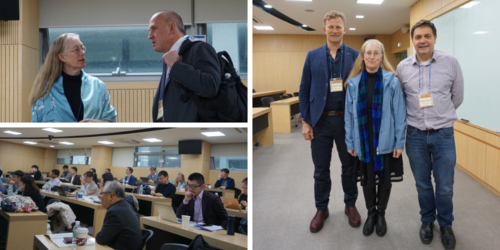
Collage of three photos showing people posing to the camera and seated in a lecture hall

Karen Eggleston with participants at the Mt. Hood Diabetes Challenge Workshop; (right hand side) from left to right: Andrew Palmer, Karen Eggleston, Philip Clarke.

We are grateful to Professors Clarke and Palmer for graciously allowing the AHPP network researchers to join the workshop both in person and remotely, adding to their chronic disease modeling skills, and for inviting Karen Eggleston to present a keynote at the Mt Hood conference that took place before the modeling workshop.

Information Session: Comparative Economics Research on Diabetes

The third and final component of the diabetes research events was held on December 5 as part of the International Diabetes Federation congress in Busan, Korea, and presented the network to clinicians and public health researchers. Participants from China, India, and Australia attended. They shared updates on their individual projects and discussed methods and ideas for future collaboration.

Hero Image
A group of people posing to the camera
All News button
1
Authors
News Type
News
Date
Paragraphs

The toll from gun violence at schools has only escalated in the 20 years since the jolting, horrific massacre at Columbine High.

By December 2019, at least 245 primary and secondary schools in the United States had experienced a shooting, killing 146 people and injuring 310, according to The Washington Post.

At least 245 primary and secondary schools in the United States have experienced a shooting — killing 146 people and injuring 310 — since the country's first mass school shooting at Columbine High School in April 1999.

Now, new Stanford-led research sounds an alarm to what was once a silent reckoning: the mental health impact to tens of thousands of surviving students who were attending schools where gunshots rang out.

A study has found that local exposure to fatal school shootings increased antidepressant use among youths.

Specifically, the average rate of antidepressant use among youths under age 20 rose by 21 percent in the local communities where fatal school shootings occurred, according to the study. And the rate increase – based on comparisons two years before the incident and two years after – persisted even in the third year out.

“There are articles that suggest school shootings are the new norm – they’re happening so frequently that we’re getting desensitized to them – and that maybe for the people who survive, they just go back to normal life because this is just life in America. But what our study shows is that does not appear to be the case,” said Maya Rossin-Slater, a core faculty member at Stanford Health Policy and faculty fellow at the Stanford Institute for Economic Policy Research (SIEPR). “There are real consequences on an important marker of mental health.”

The study is detailed in a working paper published Monday by the National Bureau of Economic Research. It was co-authored by Rossin-Slater, an assistant professor of health policy in the Stanford School of Medicine; Molly Schnell, a former postdoctoral fellow at SIEPR now an assistant professor at Northwestern University; Hannes Schwandt, an assistant professor at Northwestern and former visiting fellow at SIEPR; Sam Trejo, a Stanford doctoral candidate in economics and education; and Lindsey Uniat, a former predoctoral research fellow at SIEPR now a PhD student at Yale University.

Their collaborative research – accelerated by their simultaneous stints at SIEPR – is the largest study to date on the effects of school shootings on youth mental health.

The study comes as the issue of gun safety continues to stoke political wrangling and public debate. And the researchers say their findings suggest policymakers should take a wide lens to their decision-making process.

“When we think about the cost of school shootings, they’re often quantified in terms of the cost to the individuals who die or are injured, and their families,” Rossin-Slater noted. “Those costs are unfathomable and undeniable. But the reality is that there are many more students exposed to school shootings who survive. And the broad implication is to think about the cost not just to the direct victims but to those who are indirectly affected.”

A Driver for Antidepressant Use

More than 240,000 students have been exposed to school shootings in America since the mass shooting in Columbine in April 1999, according to The Washington Post  data used in the study. And the number of school shootings per year has been trending up since 2015.

Yet despite this “uniquely American phenomenon” – since 2009, over 50 times more school shootings have occurred in the U.S. than in Canada, Japan, Germany, Italy, France and the United Kingdom combined – little is known about the effects of such gun violence on the mental health of the nation’s youth, the study stated.

“We know that poor mental health in childhood can have negative consequences throughout life,” Schwandt said. “At the same time, children are known to show significant levels of resilience, so it really wasn’t clear what we would find as we started this project.”

The researchers examined 44 shootings at schools across the country between January 2008 and April 2013. They used a database that covered the near universe of prescriptions filled at U.S. retail pharmacies along with information on the address of the medical provider who prescribed each drug. They compared the antidepressant prescription rates of providers practicing in areas within a 5-mile radius of a school shooting to those practicing in areas 10-to-15 miles away, looking at two years prior and two to three years after the incident.

Of those 44 school shootings, 15 of them involved at least one death. The 44 shootings occurred in 10 states: Alabama, California, Connecticut, Florida, Nebraska, North Carolina, Ohio, South Carolina, Tennessee and Texas.

Researchers found a marked increase in the rate of antidepressant prescriptions for youths nearby, but only for the shootings that were fatal. They did not see a significant effect on prescriptions for youths exposed to non-fatal school shootings.

“The immediate impact on antidepressant use that we find, and its remarkable persistence over two, and even three years, certainly constitutes a stronger effect pattern than what we would have expected,” Schwandt said.

Meanwhile, adult antidepressant use did not appear to be significantly impacted by local exposure to school shootings.

Layers of Costs, More Unknowns

The researchers also analyzed whether the concentration of child mental health providers in areas affected by fatal school shootings made a difference in the antidepressant rates, and they drilled a further comparison between the prevalence of those who can prescribe drugs, such as psychiatrists and other medical doctors, and those who cannot prescribe drugs, such as psychologists and licensed social workers.

Increases in antidepressant rates were the same across areas with both high and low concentrations of prescribing doctors, the researchers found. But in areas with higher concentrations of non-prescribing mental health providers, the increases in antidepressant use were significantly smaller – indicating perhaps a greater reliance on non-pharmacological treatments or therapy for shooting-related trauma.

The researchers also found no evidence that the rise in antidepressant usage stemmed from mental health conditions that were previously undiagnosed prior to the shootings.

In totality, the researchers say the results in the study clearly pointed to an adverse impact from a fatal shooting on the mental health of youths in the local community. Furthermore, the results capture only a portion of the mental health consequences: Non-drug related treatments could have been undertaken as well.

“Increased incidence of poor mental health is at least part of the story,” Schnell said.

Though their analysis included only 44 schools and 15 fatal school shootings, Rossin-Slater noted how the trend of school shootings is growing. She believes the mental health impact found on the local communities they studied “can be generalizable to other communities’ experiences.”

That’s all the more reason why policymakers should consider the overall negative effects of school shootings, and how further research will be needed to gauge other societal consequences, the researchers said.

“Think of it as layers of costs,” Rossin-Slater said. And when it comes to evaluating gun violence at schools, “we think our numbers say, ‘Hey, these are costly things, and it’s costlier than we previously thought.’”

Hero Image
schoolshooting shutterstock Shutterstock
All News button
1
Authors
News Type
News
Date
Paragraphs

As of December 2019, at least 245 primary and secondary schools in the United States have experienced a shooting, killing 146 people and injuring 310, since the first major school shooting at Columbine in April 1999.

Now, new Stanford-led research sounds an alarm to what was once a silent reckoning: the mental health impact to tens of thousands of surviving students who were attending schools where gunshots rang out.

A study has found that local exposure to fatal school shootings increased antidepressant use among youths.

Specifically, the average rate of antidepressant use among youths under age 20 rose by 21%in the local communities where fatal school shootings occurred, according to the study. And the rate increase – based on comparisons two years before the incident and two years after – persisted even in the third year out.

“There are articles that suggest school shootings are the new norm – they’re happening so frequently that we’re getting desensitized to them – and that maybe for the people who survive, they just go back to normal life because this is just life in America. But what our study shows is that does not appear to be the case,” said Maya Rossin-Slater, a core faculty member at Stanford Health Policy and faculty fellow at the Stanford Institute for Economic Policy Research(SIEPR). “There are real consequences on an important marker of mental health.”

The study is detailed in a working paper published Monday by the National Bureau of Economic Research. It was co-authored by Rossin-Slater, an assistant professor of health policy in the Stanford School of Medicine; Molly Schnell, a former postdoctoral fellow at SIEPR now an assistant professor at Northwestern University; Hannes Schwandt, an assistant professor at Northwestern and former visiting fellow at SIEPR; Sam Trejo, a Stanford doctoral candidate in economics and education; and Lindsey Uniat, a former predoctoral research fellow at SIEPR now a PhD student at Yale University.

Their collaborative research – accelerated by their simultaneous stints at SIEPR – is the largest study to date on the effects of school shootings on youth mental health.

The study comes as the issue of gun safety continues to stoke political wrangling and public debate. And the researchers say their findings suggest policymakers should take a wide lens to their decision-making process.

“When we think about the cost of school shootings, they’re often quantified in terms of the cost to the individuals who die or are injured, and their families,” Rossin-Slater noted. “Those costs are unfathomable and undeniable. But the reality is that there are many more students exposed to school shootings who survive. And the broad implication is to think about the cost not just to the direct victims but to those who are indirectly affected.”

A Driver for Antidepressant Use

More than 240,000 students have been exposed to school shootings in America since the mass shooting in Columbine in April 1999, according to data used in the study. And the number of school shootings per year has been trending up since 2015.

Yet despite this “uniquely American phenomenon” – since 2009, over 50 times more school shootings have occurred in the U.S. than in Canada, Japan, Germany, Italy, France and the United Kingdom combined – little is known about the effects of such gun violence on the mental health of the nation’s youth, the study stated.

“We know that poor mental health in childhood can have negative consequences throughout life,” Schwandt said. “At the same time, children are known to show significant levels of resilience, so it really wasn’t clear what we would find as we started this project.”

The researchers examined 44 shootings at schools across the country between January 2008 and April 2013. They used a database that covered the near universe of prescriptions filled at U.S. retail pharmacies along with information on the address of the medical provider who prescribed each drug. They compared the antidepressant prescription rates of providers practicing in areas within a 5-mile radius of a school shooting to those practicing in areas 10-to-15 miles away, looking at two years prior and two to three years after the incident.

Of those 44 school shootings, 15 of them involved at least one death. The 44 shootings occurred in 10 states: Alabama, California, Connecticut, Florida, Nebraska, North Carolina, Ohio, South Carolina, Tennessee and Texas.

Researchers found a marked increase in the rate of antidepressant prescriptions for youths nearby, but only for the shootings that were fatal. They did not see a significant effect on prescriptions for youths exposed to non-fatal school shootings.

“The immediate impact on antidepressant use that we find, and its remarkable persistence over two, and even three years, certainly constitutes a stronger effect pattern than what we would have expected,” Schwandt said.

Meanwhile, adult antidepressant use did not appear to be significantly impacted by local exposure to school shootings.

Layers of Costs, More Unknowns

The researchers also analyzed whether the concentration of child mental health providers in areas affected by fatal school shootings made a difference in the antidepressant rates, and they drilled a further comparison between the prevalence of those who can prescribe drugs, such as psychiatrists and other medical doctors, and those who cannot prescribe drugs, such as psychologists and licensed social workers.

Increases in antidepressant rates were the same across areas with both high and low concentrations of prescribing doctors, the researchers found. But in areas with higher concentrations of non-prescribing mental health providers, the increases in antidepressant use were significantly smaller – indicating perhaps a greater reliance on non-pharmacological treatments or therapy for shooting-related trauma.

The researchers also found no evidence that the rise in antidepressant usage stemmed from mental health conditions that were previously undiagnosed prior to the shootings.

In totality, the researchers say the results in the study clearly pointed to an adverse impact from a fatal shooting on the mental health of youths in the local community. Furthermore, the results capture only a portion of the mental health consequences: Non-drug related treatments could have been undertaken as well.

“Increased incidence of poor mental health is at least part of the story,” Schnell said.

Though their analysis included only 44 schools and 15 fatal school shootings, Rossin-Slater noted how the trend of school shootings is growing. She believes the mental health impact found on the local communities they studied “can be generalizable to other communities’ experiences.”

That’s all the more reason why policymakers should consider the overall negative effects of school shootings, and how further research will be needed to gauge other societal consequences, the researchers said.

“Think of it as layers of costs,” Rossin-Slater said. And when it comes to evaluating gun violence at schools, “we think our numbers say, ‘Hey, these are costly things, and it’s costlier than we previously thought.’”

Hero Image
schoolshooting shutterstock Shutterstock
All News button
1
Authors
Beth Duff-Brown
News Type
News
Date
Paragraphs

The U.S. government's global hunger and food security initiative, Feed the Future, has prevented 2.2 million children from experiencing malnutrition in sub-Saharan Africa, according to new research led by Stanford Health Policy's PhD candidate Tess Ryckman.

The researchers compared children’s health in 33 low- and middle-income countries in sub-Saharan Africa. In 12 of those countries, Feed the Future provided services such as agricultural assistance and financial services for farmers, as well as direct nutrition support, such as nutrient supplementation. 

The study, published online Dec. 11 in The BMJ, found a 3.9 percentage point decrease in chronic malnutrition among children served by Feed the Future, leading to 2.2 million fewer children whose development has been harmed by malnourishment.

“What we see with stunting rates is striking,” Ryckman said. “I would argue that 2 million fewer children stunted over seven years is major progress and puts a substantial dent in total stunting levels. And that’s 2 million children who will now have the levels of physical and cognitive development to allow them to reach their full potential.”

Stunting, or having a low height for a particular age, is a key indicator of child malnutrition. Children who aren’t properly nourished in their first 1,000 days are more likely to get sick more often, to perform poorly in school, grow up to be economically disadvantaged and suffer from chronic diseases, according to the World Health Organization.

A Controlled Study

Feed the Future is thought to be the world’s largest agricultural and nutrition program, with around $6 billion in funding from USAID (plus more from other federal agencies) between 2010 and 2015. Despite its size, much remains unknown about the effectiveness of the program.

The researchers analyzed survey data on almost 900,000 children younger than 5 in sub-Saharan Africa from 2000 to 2017. They compared children from the Feed the Future countries with those in countries that are not participants in the program, both before and after the program’s implementation in 2011.

The researchers found the results were even more pronounced — a 4.6 percentage point decline in stunting — when they restricted their sample to populations most likely to have been reached by program. These included children who were younger when the program began, rural areas where Feed the Future operated more intensively, and in countries where the program had greater geographic coverage.

“Our findings are certainly encouraging because it has been difficult for other programs and interventions to demonstrate impact on stunting, and this program has received a lot of funding, so it’s good to see that it’s having an impact,” Ryckman said.

Multifaceted Approach to Nutrition

Experts are divided about the best way to help the world’s 149 million malnourished children: Is assistance that directly targets nutrition, such as breastfeeding promotion or nutrient supplementation, more effective? Or is it also beneficial to tackle the problem at its root by supporting agriculture and confronting household poverty?

The authors, including Stanford Health Policy’s Eran Bendavid, MD, associate professor of medicine, and Jay Bhattacharya, MD, PhD, professor of medicine, a senior fellow (by courtesy) at the Freeman Spogli Institute of International Studies and a senior fellow senior fellow at the Stanford Institute for Economic Policy Research, said their analysis supports the value of a multifaceted approach to combating malnutrition among children, namely leveraging agriculture and food security interventions.

“Independent evaluations of large health policy programs such as Feed the Future help build the evidence base needed to tackle persistent patterns of undernutrition,” said Bendavid, an epidemiologist. “The widespread prevalence of stunting and chronic undernutrition is among the most common and yet most stubborn cause of underdevelopment in the world, and learning what works in this space is sorely needed.”

The researchers, including Stanford medical students Margot Robinson and Courtney Pederson, speculated that possible drivers of the program’s effectiveness include three features of Feed the Future’s design: its country-tailored approach; its focus on underlying drivers of nutrition, such as empowering female farmers; and its large scale and adequate funding.

The authors hope their independent evaluation of the program might lead to more funding and support for it. At the very least, they said, it should demonstrate to people working on Feed the Future and the broader global nutrition program community that programs focused mostly on agriculture and food security — indirect contributors to malnutrition — can lead to success.

Value Unknown

Feed the Future has been scaled back in recent years — it once served 19 countries and now reaches only 12. The program’s budget also remains somewhat murky.

“While there isn’t much data on the program’s funding under the Trump administration, the program appears to have been scaled back, at least in terms of the countries where it operates,” Ryckman said. “It’s possible that some of these gains could be lost, absent longer-term intervention from Feed the Future.”

Image
eran

The researchers also did not look at whether the program provided high value for the money spent.

“While we find that it has been effective, it hasn’t led to drastic declines in stunting and it is unclear whether it is good value for money,” she said.

Ryckman also noted that USAID’s own evaluation of its program is tenuous because it looked only at before-and-after stunting levels in Feed the Future countries without comparing the results to a control group or adjusting for other sources of bias, which is problematic because stunting is slowly declining in most countries.

“These types of evaluations are misleading,” Ryckman said. “The U.S. government really needs to prioritize having their programs independently evaluated using more robust methods. That was part of our motivation for doing this study.”

Support for the study was provided by the National Institutes of Health (grant P20-AG17253), the National Science Foundation and the Doris Duke Charitable Foundation.


Hero Image
gettyimages stunting
An infant child in Somalia is determined to be malnourished using a MUAC tape which is a quick and simple way to determine whether or not a child is malnourished using a simple colored plastic strip.
Getty Images
All News button
1
Subscribe to Public Health