
Global Health
-

This event will offer simultaneous translation between Japanese and English. 
当イベントは日本語と英語の同時通訳がついています。

This is a virtual event. Please click here to register and generate a link to the talk. 
The link will be unique to you; please save it and do not share with others.
当イベントはZoomウェビナーで行われます。ウェビナーに参加するためには、
こちらのリンクをクリックし、事前登録をして下さい。


February 7, 5-6:30 p.m. California time/ February 8, 10-11:30 a.m. Japan time

This event is part of the 2022 Japan Program Winter webinar series, The Future of Social Tech: U.S.-Japan Partnership in Advancing Technology and Innovation with Social Impact


Japan’s startup scene has become more exciting in recent years, but in the medical field, the failure to develop COVID-19 vaccines highlighted the shortcomings of Japan’s medical industry. What should Japan do to foster more impactful biotechnology entrepreneurship that would leverage vibrant medical research carried out at Japanese universities? The panel features two speakers who founded and grew their medical ventures in Japan's rapidly maturing startup ecosystem, both with deep connections to university research. 

Tadahisa Kagimoto founded his first company right after finishing his medical degree at Kyushu University, pioneering a pathway of commercializing biotechnology from Japanese university research. His second startup, Healios, founded in 2013 with the goal of becoming a pioneer in regenerative medicine utilizing iPS, was successfully listed on the Tokyo Stock Exchange in 2015 and has been growing since.

Shoko Takahashi was a PhD student in molecular bioscience at the University of Tokyo when she founded her company, Genequest, to offer home DNA testing. The firm was purchased by another biotech startup founded by a University of Tokyo graduate, Euglena, in 2017, and the company has partnered with a variety of pharmaceutical, food and beverage companies, and universities in its research. Their entrepreneurial journeys reveal Japan's changing startup ecosystem that has rapidly matured over the past decade and signal a need for further development in regulatory environments, human resource development, and university-industry collaboration in the biotechnology industry.


Panelists
Image
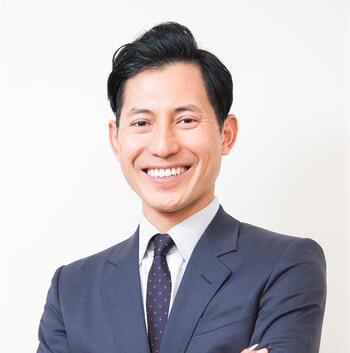
Photo portrait of Tadahisa Kagimoto
Hardy TS Kagimoto, MD is founder, Chairman and CEO of HEALIOS K.K., a Tokyo-based, clinical-stage world leader in regenerative medicine and cell therapy. 

After founding Healios in 2011, Dr. Kagimoto led the company’s listing on the Tokyo Stock Exchange in 2015 and has built the company to its current scale of more than 140 people across its Japan and US offices. Healios leverages the favorable Japanese regulatory framework for regenerative medicine to efficiently deliver results for patients and its stakeholders. It is currently running two pivotal clinical trials for ischemic stroke and acute respiratory distress syndrome using bone marrow-derived allogeneic multipotent adult progenitor cells. At the same time, Healios is developing best-in-class, next generation pipeline assets in immuno-oncology, ophthalmology, and organ buds utilizing its innovative, proprietary universal donor iPS cell platform.


Image
Photo of Shoko Takahashi
Shoko Takahashi founded the Japanese personal genome company Genequest Inc. in 2013 while a graduate student at the University of Tokyo. Genequest provides a web-based personal genetic service for consumers and collaborates with research institutions in a large-scale genome research project to maximize synergistic effects between research and personal genome services. She is filled with ambition to accelerate genetic research and contribute to human health all over the world. She graduated from the University of Tokyo with a Ph.D. in Molecular Bioscience in 2015, and Kyoto University with a Bachelor of Biochemistry Science in 2010. She has been awarded the Japan Venture Award and received the highest rating by the Japan Ministry of Economy. In 2015, she was commended by the Japan Minister of Education, Culture, Sports, Science and Technology as one of the researchers contributing major innovations to science technologies in Japan.

She received the 2018 Young Global Leaders award from the World Economic Forum and was selected for Newsweek's ‘100 respected Japanese in the world’ list.


Moderator

Image
Photo portrait of Kenji Kushida
Kenji E. Kushida is a Senior Fellow, Carnegie Endowment for International Peace. He previously was with the Japan Program at the Walter H. Shorenstein Asia-Pacific Research Center as a research scholar.

Kushida’s research and projects focused on the following streams : 1) how politics and regulations shape the development and diffusion of Information Technology such as AI; 2) institutional underpinnings of the Silicon Valley ecosystem, 2) Japan's transforming political economy, 3) Japan's startup ecosystem, 4) the role of foreign multinational firms in Japan, 4) Japan's Fukushima nuclear disaster. He spearheaded the Silicon Valley - New Japan project that brought together large Japanese firms and the Silicon Valley ecosystem.

He has published several books and numerous articles in each of these streams, including “The Politics of Commoditization in Global ICT Industries,” “Japan’s Startup Ecosystem,” "How Politics and Market Dynamics Trapped Innovations in Japan’s Domestic 'Galapagos' Telecommunications Sector," “Cloud Computing: From Scarcity to Abundance,” and others. His latest business book in Japanese is “The Algorithmic Revolution’s Disruption: a Silicon Valley Vantage on IoT, Fintech, Cloud, and AI” (Asahi Shimbun Shuppan 2016).


Via Zoom Webinar
Register:  https://bit.ly/3u1A10M


Tadahisa Kagimoto, MD. <br>Founder, Chairman, and CEO, Healios K.K.<br><br>
Shoko Takahashi <br>Founder and CEO, Genequest Inc.<br><br>
0
Former Research Scholar, Japan Program
kenji_kushida_2.jpg MA, PhD
Kenji E. Kushida was a research scholar with the Japan Program at the Walter H. Shorenstein Asia-Pacific Research Center from 2014 through January 2022. Prior to that at APARC, he was a Takahashi Research Associate in Japanese Studies (2011-14) and a Shorenstein Postdoctoral Fellow (2010-11).
 
Kushida’s research and projects are focused on the following streams: 1) how politics and regulations shape the development and diffusion of Information Technology such as AI; 2) institutional underpinnings of the Silicon Valley ecosystem, 2) Japan's transforming political economy, 3) Japan's startup ecosystem, 4) the role of foreign multinational firms in Japan, 4) Japan's Fukushima nuclear disaster. He spearheaded the Silicon Valley - New Japan project that brought together large Japanese firms and the Silicon Valley ecosystem.

He has published several books and numerous articles in each of these streams, including “The Politics of Commoditization in Global ICT Industries,” “Japan’s Startup Ecosystem,” "How Politics and Market Dynamics Trapped Innovations in Japan’s Domestic 'Galapagos' Telecommunications Sector," “Cloud Computing: From Scarcity to Abundance,” and others. His latest business book in Japanese is “The Algorithmic Revolution’s Disruption: a Silicon Valley Vantage on IoT, Fintech, Cloud, and AI” (Asahi Shimbun Shuppan 2016).

Kushida has appeared in media including The New York Times, Washington Post, Nihon Keizai Shimbun, Nikkei Business, Diamond Harvard Business Review, NHK, PBS NewsHour, and NPR. He is also a trustee of the Japan ICU Foundation, alumni of the Trilateral Commission David Rockefeller Fellows, and a member of the Mansfield Foundation Network for the Future. Kushida has written two general audience books in Japanese, entitled Biculturalism and the Japanese: Beyond English Linguistic Capabilities (Chuko Shinsho, 2006) and International Schools, an Introduction (Fusosha, 2008).

Kushida holds a PhD in political science from the University of California, Berkeley. He received his MA in East Asian Studies and BAs in economics and East Asian Studies with Honors, all from Stanford University.
Kenji Kushida <br>Senior Fellow, Carnegie Endowment for International Peace
Panel Discussions
Authors
J. Luis Rodriguez
News Type
News
Date
Paragraphs

Since the pandemic started, one in 10 people living in Brazil has contracted COVID-19, and more than 600,000 deaths have been reported. Despite these staggering numbers, Jair Bolsonaro, the president of Brazil, has consistently downplayed the threat of the pandemic. The Brazilian Senate has had enough.

On October 26, seven out of the 11 members in a Senate committee voted in favor of recommending nine charges against the Brazilian president. Over the last six months, a Brazilian Senate Parliamentary Inquiry Committee composed of 11 Senators investigated the federal government’s management of the pandemic. 

Read the rest at nacla

Hero Image
President of Brazil Jair Bolsonaro
Andressa Anholete/Getty Images
All News button
1
Subtitle

Opposition lawmakers in Brazil voted in favor of charging the president with crimes against humanity for downplaying and mishandling the pandemic.

Authors
News Type
Commentary
Date
Paragraphs

Thousands of refugees and migrants became pawns at the border between Belarus and Poland in recent weeks. Many had flown to Belarus anticipating a route into the European Union but couldn’t proceed farther because of Poland’s hard-line policies barring them entry. A number of stranded migrants died of cold and a lack of access to food and health care.

Read the rest at Monkey Cage

Hero Image
woman smiling
All News button
1
Subtitle

Countries like Belarus are counting on E.U. governments to see refugees as a security threat.

-

Sherri Rose, PhD  is an Associate Professor of Health Policy at the Stanford School of Medicine and Co-Director of the Health Policy Data Science Lab. Her research is centered on developing and integrating innovative statistical machine learning approaches to improve human health and health equity. Within health policy, Dr. Rose works on risk adjustment, ethical algorithms in health care, comparative effectiveness research, and health program evaluation. She has published interdisciplinary projects across varied outlets, including Biometrics, Journal of the American Statistical Association, Journal of Health Economics, Health Affairs, and New England Journal of Medicine. In 2011, Dr. Rose coauthored the first book on machine learning for causal inference, with a sequel text released in 2018. She has been Co-Editor-in-Chief of the journal Biostatistics since 2019.

Dr. Rose has been honored with an NIH Director's New Innovator Award, the ISPOR Bernie J. O'Brien New Investigator Award, and multiple mid-career awards, including the Gertrude M. Cox Award and the Mortimer Spiegelman Award, the nation’s highest honor in biostatistics, given to a statistician younger than 40 who has made the most significant contributions to public health statistics. She was named a Fellow of the American Statistical Association in 2020 and received the 2021 Mortimer Spiegelman Award, which recognizes the statistician under age 40 who has made the most significant contributions to public health statistics. Her research has been featured in The New York Times, USA Today, and The Boston Globe. 

Title: New and Ongoing Projects at the Interface of Machine Learning for Health Policy


Register in advance for this meeting: https://stanford.zoom.us/meeting/register/tJIpdOispzojH9bzpXrF3_VpYcbPN9Hcgbbw After registering, you will receive a confirmation email containing information about joining the meeting.

Encina Commons,
615 Crothers Way
Stanford, CA 94305-6006


0
Professor, Health Policy
Professor, Computer Science (by courtesy)
sherri_rose-portrait.jpg PhD

Sherri Rose, Ph.D. is a Professor of Health Policy and, by courtesy, of Computer Science at Stanford University, where she is Director of the Health Policy Data Science Lab. Her research is centered on developing and integrating innovative statistical machine learning approaches to improve human health and health equity. Within health policy, Dr. Rose works on ethical algorithms in health care, risk adjustment, chronic kidney disease, and health program evaluation. She has published interdisciplinary projects across varied outlets, including Biometrics, Journal of the American Statistical Association, Journal of Health Economics, Health Affairs, and New England Journal of Medicine. In 2011, Dr. Rose coauthored the first book on machine learning for causal inference, with a sequel text released in 2018.

Dr. Rose has been honored with an NIH Director’s Pioneer Award, NIH Director's New Innovator Award, the ISPOR Bernie J. O'Brien New Investigator Award, and multiple mid-career awards, including the Gertrude M. Cox Award. She is a Fellow of the American Statistical Association (ASA) and received the Mortimer Spiegelman Award, which recognizes the statistician under age 40 who has made the most significant contributions to public health statistics. In 2024, she received both the ASHEcon Willard G. Manning Memorial Award for Best Research in Health Econometrics and the ASA Outstanding Statistical Application Award. She was recently awarded the Open Science Champion Prize by Stanford University. Her research has been featured in The New York Times, USA Today, and The Boston Globe. She was Co-Editor-in-Chief of the journal Biostatistics from 2019-2023.

She received her Ph.D. in Biostatistics from the University of California, Berkeley and a B.S. in Statistics from The George Washington University before completing an NSF Mathematical Sciences Postdoctoral Research Fellowship at Johns Hopkins University. 

Director, Health Policy Data Science Lab
Date Label
Associate Professor of Health Policy Stanford University
-

Title: Customer Discrimination and Quality Signals: A Field Experiment with Healthcare Shoppers

Abstract: This paper provides evidence that customer discrimination in the market for doctors can be largely accounted for by statistical discrimination. I evaluate customer preferences in the field with an online platform where cash-paying consumers can shop and book a provider for medical procedures based on an experimental paradigm called validated incentivized conjoint analysis (VIC). Customers evaluate doctor options they know to be hypothetical to be matched with a customized menu of real doctors, preserving incentives. Racial discrimination reduces patient willingness-to-pay for black and Asian providers by 12.7% and 8.7% of the average colonoscopy price respectively; customers are willing to travel 100–250 miles to see a white doctor instead of a black doctor, and somewhere between 50–100 to 100–250 miles to see a white doctor instead of an Asian doctor. Further, providing signals of provider quality reduces this willingness-to-pay racial gap by about 90%, which suggests that statistical discrimination is an important cause of the gap. Actual booking behavior allows cross-validation of incentive compatibility of stated preference elicitation via VIC. 

Alex Chan, MPH

Alex Chan is a PhD candidate in Health Economics, and a Gerhard Casper Stanford Graduate Fellow. He has research interests in health economics, experimental economics, market design, and labor economics. His projects look at the causes and consequences of discrimination and diversity in medicine, U.S. Health Policy (especially organ transplantation), and market design in health policy and medicine. He holds an MPH from Harvard University. Before Stanford, he developed extensive experience in the healthcare industry starting as a McKinsey consultant, and most recently as Senior Vice President of Market Strategy with Optum/UnitedHealth before joining academia.

Personal Website: https://www.alexchan.net 

Register in advance for this meeting:


https://stanford.zoom.us/meeting/register/tJEsdOGppjMtGtPVKFHk0vX_TMCK5PzMa_Mv

After registering, you will receive a confirmation email containing information about joining the meeting.

0
PhD Student Alumni, SHP
text_image_552770846.img_.320.high_.jpg

Alex Chan graduated with a PhD in 2023.

PhD Candidate in Health Economics Department of Health Policy, Stanford University
-

Amanda Starc, Ph.D.

Associate Professor of Strategy at the Kellogg School of Management
Faculty Research Fellow at the National Bureau of Economic Research (NBER)

Professor Amanda Starc received her BA in Economics from Case Western Reserve University, and her PhD in Business Economics from Harvard University. Dr. Starc's research interests include industrial organization and health economics. Her research examines the Medicare Advantage, Medicare Part D, and Medicare Supplement ("Medigap") markets, as well as consumer behavior in insurance exchanges. Recent work measures the effectiveness of direct-to-consumer advertising of pharmaceuticals. Her work links models of consumer choice and supply side incentives, and uses a range of econometric techniques to analyze data.

This will be an in-person event: Encina Commons, Conference Rom 119, with a boxed lunch served.

Amanda Starc Associate Professor Northwestern University, Kellogg School of Management
-

Stacie B. Dusetzina, Ph.D

Associate Professor, Health Policy
Ingram Associate Professor of Cancer Research, Vanderbilt University Medical Center

Dr. Dusetzina is an associate professor in the Department of Health Policy and an Ingram associate professor of cancer research at Vanderbilt. She is a health services researcher whose work focuses on measuring and evaluating population-level use and costs of medications in the United States. Dr. Dusetzina’s work has contributed to the evidence base for the role of drug costs on patient access to care and policy changes that might improve patient access to high-priced drugs.

She has been recognized for her work at a national level, including being an invited participant for two working group meetings on “Patient Access to Affordable Cancer Drugs,” hosted by the President’s Cancer Panel, and being selected to co-author a National Academies of Sciences, Engineering and Medicine report on the same topic. Dr. Dusetzina’s research has also been broadly covered by The New York Times, NPR, Reuters, The Washington Post, STAT News, ABC News and The Wall Street Journal. 

In addition to her work on drug pricing, Dr. Dusetzina is a population health scientist and pharmacoepidemologist specializing in large data informatics. She has authored or co-authored more than 163 peer reviewed applied studies using Medicaid, Medicare, and commercial insurance claims data, and contributed several methods papers to the field. 

Seminar Title: Improving Access to Prescription Drugs through Policy Change

Register in advance for this meeting:

https://stanford.zoom.us/meeting/register/tJcqcOGprzwjE9Zk2c4-HkitCU8mm93vJhFD 

After registering, you will receive a confirmation email containing information about joining the meeting.

Stacie B. Dusetzina Associate Professor, Health Policy Vanderbilt University
-

Image
Research in Progress

Virtual Zoom Meeting

Register in advance for this meeting:
https://stanford.zoom.us/meeting/register/tJ0vd-uqpzotG9A2hNNONij91XIWVXjxdJDO

After registering, you will receive a confirmation email containing information about joining the meeting.

Y2E2
473 Via Ortega
Stanford, CA 94305

(650) 723-4129 (650) 725-3402
0
Faculty Lead, Center for Human and Planetary Health
Professor of Medicine (Infectious Diseases)
Professor of Epidemiology & Population Health (by courtesy)
Senior Fellow at the Freeman Spogli Institute for International Studies
Senior Fellow at the Woods Institute for the Environment
Faculty Affiliate at the Stanford Center on China's Economy and Institutions
steve_luby_2023-2_vert.jpg MD

Prof. Stephen Luby studied philosophy and earned a Bachelor of Arts summa cum laude from Creighton University. He then earned his medical degree from the University of Texas Southwestern Medical School at Dallas and completed his residency in internal medicine at the University of Rochester-Strong Memorial Hospital. He studied epidemiology and preventive medicine at the Centers for Disease Control and Prevention.

Prof. Luby's former positions include leading the Epidemiology Unit of the Community Health Sciences Department at the Aga Khan University in Karachi, Pakistan, for five years and working as a Medical Epidemiologist in the Foodborne and Diarrheal Diseases Branch of the U.S. Centers for Disease Control and Prevention (CDC) exploring causes and prevention of diarrheal disease in settings where diarrhea is a leading cause of childhood death.  Immediately prior to joining the Stanford faculty, Prof. Luby served for eight years at the International Centre for Diarrhoeal Diseases Research, Bangladesh (icddr,b), where he directed the Centre for Communicable Diseases. He was also the Country Director for CDC in Bangladesh.

During his over 25 years of public health work in low-income countries, Prof. Luby frequently encountered political and governance difficulties undermining efforts to improve public health. His work within the Center on Democracy, Development, and the Rule of Law (CDDRL) connects him with a community of scholars who provide ideas and approaches to understand and address these critical barriers.


Director of Research, Stanford Center for Innovation in Global Health
Affiliated faculty at the Center on Democracy, Development and the Rule of Law
CV
Date Label

Encina Commons,
615 Crothers Way Room 182,
Stanford, California 94305-6006

(650) 498-7528
0
Associate Professor, Health Policy
MS in Health Policy Program Director
maria_4_-_copy.jpg PhD

Maria Polyakova, PhD, is Associate Professor of Health Policy at Stanford School of Medicine and Associate Professor (by courtesy) in the Department of Economics at Stanford University, where she is also a Senior Fellow at the Stanford Institute for Economic Policy Research (SIEPR). She is a Research Associate at the National Bureau of Economic Research (NBER) and serves as an Editor of the Journal of Health Economics. Her research spans many areas of health economics, including health insurance, healthcare labor markets, and individual decision-making in health and healthcare. A unifying thread is evaluating whether markets and government policy effectively serve individuals and families or introduce distortions. Her ongoing work focuses on how families navigate prolonged health shocks. Maria received her BA in Economics & Mathematics and German Studies (with a concentration in History) from Yale University in 2008 and her PhD in Economics from MIT in 2014.

Date Label

Encina Commons, Room 220
615 Crothers Way
Stanford, CA 94305-6006

(650) 721-2486 (650) 723-1919
0
Professor, Health Policy
jeremy-fisch_profile_compressed.jpg PhD

Jeremy Goldhaber-Fiebert, PhD, is a Professor of Health Policy, a Core Faculty Member at the Center for Health Policy and the Department of Health Policy, and a Faculty Affiliate of the Stanford Center on Longevity and Stanford Center for International Development. His research focuses on complex policy decisions surrounding the prevention and management of increasingly common, chronic diseases and the life course impact of exposure to their risk factors. In the context of both developing and developed countries including the US, India, China, and South Africa, he has examined chronic conditions including type 2 diabetes and cardiovascular diseases, human papillomavirus and cervical cancer, tuberculosis, and hepatitis C and on risk factors including smoking, physical activity, obesity, malnutrition, and other diseases themselves. He combines simulation modeling methods and cost-effectiveness analyses with econometric approaches and behavioral economic studies to address these issues. Dr. Goldhaber-Fiebert graduated magna cum laude from Harvard College in 1997, with an A.B. in the History and Literature of America. After working as a software engineer and consultant, he conducted a year-long public health research program in Costa Rica with his wife in 2001. Winner of the Lee B. Lusted Prize for Outstanding Student Research from the Society for Medical Decision Making in 2006 and in 2008, he completed his PhD in Health Policy concentrating in Decision Science at Harvard University in 2008. He was elected as a Trustee of the Society for Medical Decision Making in 2011.

Past and current research topics:

  1. Type 2 diabetes and cardiovascular risk factors: Randomized and observational studies in Costa Rica examining the impact of community-based lifestyle interventions and the relationship of gender, risk factors, and care utilization.
  2. Cervical cancer: Model-based cost-effectiveness analyses and costing methods studies that examine policy issues relating to cervical cancer screening and human papillomavirus vaccination in countries including the United States, Brazil, India, Kenya, Peru, South Africa, Tanzania, and Thailand.
  3. Measles, haemophilus influenzae type b, and other childhood infectious diseases: Longitudinal regression analyses of country-level data from middle and upper income countries that examine the link between vaccination, sustained reductions in mortality, and evidence of herd immunity.
  4. Patient adherence: Studies in both developing and developed countries of the costs and effectiveness of measures to increase successful adherence. Adherence to cervical cancer screening as well as to disease management programs targeting depression and obesity is examined from both a decision-analytic and a behavioral economics perspective.
  5. Simulation modeling methods: Research examining model calibration and validation, the appropriate representation of uncertainty in projected outcomes, the use of models to examine plausible counterfactuals at the biological and epidemiological level, and the reflection of population and spatial heterogeneity.
CV
Date Label

Encina Commons Room 180,
615 Crothers Way,
Stanford, CA 94305-6006

(650) 736-0403 (650) 723-1919
0
LCY: Tan Lan Lee Professor
Professor, Health Policy
Professor Pediatrics (General Pediatrics)
jason_wang_profile_2019.jpg MD, PhD

C. Jason Wang, M.D., Ph.D. is a Professor of Pediatrics and Health Policy and director of the Center for Policy, Outcomes, and Prevention at Stanford University.  He received his B.S. from MIT, M.D. from Harvard, and Ph.D. in policy analysis from RAND.  After completing his pediatric residency training at UCSF, he worked in Greater China with McKinsey and Company, during which time he performed multiple studies in the Asian healthcare market. In 2000, he was recruited to serve as the project manager for the Taskforce on Reforming Taiwan's National Health Insurance System. His fellowship training in health services research included the Robert Wood Johnson Clinical Scholars Program and the National Research Service Award Fellowship at UCLA. Prior to coming to Stanford in 2011, he was an Assistant Professor of Pediatrics and Public Health (2006-2010) and Associate Professor (2010-2011) at Boston University and Boston Medical Center. 

Among his accomplishments, he was selected as the student speaker for Harvard Medical School Commencement (1996).  He received the Overseas Chinese Outstanding Achievement Medal (1996), the Robert Wood Johnson Physician Faculty Scholars Career Development Award (2007), the CIMIT Young Clinician Research Award for Transformative Innovation in Healthcare Research (2010), and the NIH Director’s New Innovator Award (2011). He was recently named a “Viewpoints” editor and a regular contributor for the Journal of the American Medical Association (JAMA).  He served as an external reviewer for the 2011 IOM Report “Child and Adolescent Health and Health Care Quality: Measuring What Matters” and as a reviewer for AHRQ study sections.

Dr. Wang has written two bestselling Chinese books published in Taiwan and co-authored an English book “Analysis of Healthcare Interventions that Change Patient Trajectories”.  His essay, "Time is Ripe for Increased U.S.-China Cooperation in Health," was selected as the first-place American essay in the 2003 A. Doak Barnett Memorial Essay Contest sponsored by the National Committee on United States-China Relations.

Currently he is the principal investigator on a number of quality improvement and quality assessment projects funded by the Robert Wood Johnson Foundation, the National Institutes of Health (USA), Health Resources and Services Administration (HRSA), and the Andrew T. Huang Medical Education Promotion Fund (Taiwan).

Dr. Wang’s research interests include: 1) developing tools for assessing and improving the quality of healthcare; 2) facilitating the use of innovative consumer technology in improving quality of care and health outcomes; 3) studying competency-based medical education curriculum, and 4) improving health systems performance.

Director, Center for Policy, Outcomes & Prevention (CPOP)
Co-Director, PCHA-UHA Research & Learning Collaborative
Co-Chair, Mobile Health & Other Technologies, Stanford Center for Population Health Sciences
Co-Director, Academic General Pediatrics Fellowship
Subscribe to Global Health