Health and Medicine

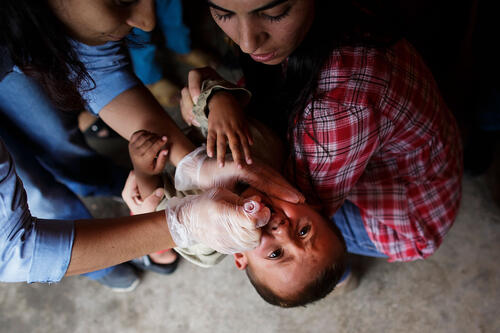
FSI’s researchers assess health and medicine through the lenses of economics, nutrition and politics. They’re studying and influencing public health policies of local and national governments and the roles that corporations and nongovernmental organizations play in providing health care around the world. Scholars look at how governance affects citizens’ health, how children’s health care access affects the aging process and how to improve children’s health in Guatemala and rural China. They want to know what it will take for people to cook more safely and breathe more easily in developing countries.

FSI professors investigate how lifestyles affect health. What good does gardening do for older Americans? What are the benefits of eating organic food or growing genetically modified rice in China? They study cost-effectiveness by examining programs like those aimed at preventing the spread of tuberculosis in Russian prisons. Policies that impact obesity and undernutrition are examined; as are the public health implications of limiting salt in processed foods and the role of smoking among men who work in Chinese factories. FSI health research looks at sweeping domestic policies like the Affordable Care Act and the role of foreign aid in affecting the price of HIV drugs in Africa.

-

I estimate and decompose the welfare benefit of Thailand's universal health care policy, also known as the “30 Baht program”. The total welfare impact of the 30 Baht program is defined as the amount of consumption that an enrollee would need to give up so as to leave her with the same expected utility as without the 30 Baht program. I find that the total welfare benefit is approximately 75 cents per dollar of government spending. The main source of the welfare effect can be attributed to improved consumption smoothing rather than increases in the consumption level. Using the difference in differences method, I find that the effect of the 30 Baht program on income is significantly positive, while the effect on consumption is slightly negative but not significant. This implies that the 30 Baht program has a positive impact on savings and future consumption, rather than current consumption.

Image
natt 4x6
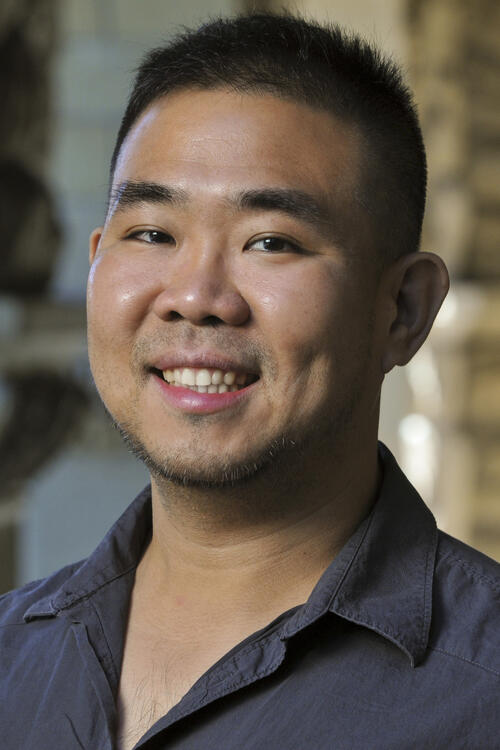
Natt Hongdilokkul joins the Walter H. Shorenstein Asia-Pacific Research Center (APARC) during the 2017-2018 academic year as a postdoctoral scholar in Developing Asia Health policy. His research interests concern the effect of universal health care on household outcomes and welfare using micro-level panel data in Thailand. He received a PhD and an MA in Economics from Simon Fraser University, Canada, and another MA and a BA in Economics from Thammasat University, Thailand.

616 Serra StreetEncina Hall E301Stanford, CA94305-6055
0
natt_hongdilokkul.jpg Ph.D.

Natt Hongdilokkul joins the Walter H. Shorenstein Asia-Pacific Research Center (APARC) during the 2017-2018 academic year as a postdoctoral scholar in Developing Asia Health policy. His research interests concern the effect of universal health care on household outcomes and welfare using micro-level panel data in Thailand. He received a PhD and an MA in Economics from Simon Fraser University, Canada, and another MA and a BA in Economics from Thammasat University, Thailand.

Developing Asia Health Policy Postdoctoral Fellow, 2017-18
Seminars

Relative to just a few decades ago, today's children are much more likely to grow up with divorced or separated parents. Laws promoting joint legal custody arrangements, which grant both parents the right to make decisions regarding key aspects of their children's welfare, are increasingly common, despite scarce evidence regarding their causal impacts on families. We merge several sources of Danish administrative data and leverage the random assignment of legal custody cases to judges to estimate causal impacts of court-ordered joint legal custody on parent-child interactions, both parents' subsequent family formation, parental and child health, and the incidence of domestic violence. Our analysis sample is highly policy-relevant as these families are "marginal" with respect to joint custody (i.e., the parents would have opted for sole maternal or paternal custody if the decision were up to them).


Please note: All research in progress seminars are off-the-record unless otherwise noted. Any information about methodology and/or results are embargoed until publication.

Encina Commons,
615 Crothers Way Room 184,
Stanford, CA 94305-6006

0
Associate Professor, Health Policy
Senior Fellow, Stanford Institute for Economic Policy Research
Associate Professor, Economics (by courtesy)
rossin-slater_ar21_12_f-cr_compressed.jpg PhD

Maya Rossin-Slater is an Associate Professor of Health Policy at Stanford University School of Medicine. She is also a Senior Fellow at the Stanford Institute for Economic and Policy Research (SIEPR), a Research Associate at the National Bureau of Economic Research (NBER) and a Research Fellow at the Institute of Labor Economics (IZA). She received her PhD in Economics from Columbia University in 2013, and was an Assistant Professor of Economics at the University of California, Santa Barbara from 2013 to 2017, prior to coming to Stanford. Rossin-Slater’s research includes work in health, public, and labor economics. She focuses on issues in maternal and child well-being, family structure and behavior, and policies targeting disadvantaged populations in the United States and other developed countries.

CV
Seminars
Authors
Beth Duff-Brown
News Type
News
Date
Paragraphs

There are 30 civil wars underway around the globe, where civilians are dealing with death and destruction as well as public health emergencies exacerbated by the deadly march of conflict.

Yemen is battling an unprecedented cholera outbreak which has killed more than 2,150 people this year, with another 700,000 suspected cases of the water-borne disease. The government and a rival faction have been fighting for control of the country, taking 10,000 lives since 2015.

Some 17 children in Syria have been paralyzed from a confirmed polio outbreak in northeastern districts, with 48 cases reported in a country that had not had a case of polio since 1999. The cases are concentrated in areas controlled by opponents of President Bashar al-Assad.

And in the Democratic Republic of Congo — where the civil war officially ended years ago, but thousands of people still suffer from recurrent uprisings and scant infrastructure — a yellow fever outbreak was met last year with a lack of vaccines. The WHO was forced to give inoculations containing a fifth of the normal dose, providing protection for only one year.

And yet today, of the nearly 200 countries on this planet, only six nations — three rich ones and three poor ones — have taken steps to evaluate their ability to withstand a global pandemic.

“The bottom line is that despite the profound global threat of pandemics, there remains no global health mechanism to force parties to act in accordance with global health interests,” write FSI’s Paul Wise and Michele Barry in the Fall 2017 issue of Daedalus.

“There also persists inherent disincentives for countries to report an infectious outbreak early in its course,” the authors write. “The economic impact of such a report can be profound, particularly for countries heavily dependent upon tourism or international trade.”

China, for example, hesitated to report the SARS outbreak in 2002 for fear of instability during political transition and embarrassment over early mishandling of the outbreak. Reporting cases of the 2013 Ebola outbreak in West Africa were slow and the virus killed some 11,300 people in Sierra Leone, Guinea and Liberia before the epidemic was declared over in January 2016.

Image
cdc ebola sign getty images

“Tragic delays in raising the alarm about the Ebola outbreak in West Africa were laid at the doorstep of the affected national authorities and the regional WHO committees, which were highly concerned about the economic and social implications of reporting an outbreak,” Wise and Barry write in the journal published by the American Academy of Arts and Sciences.

The Daedalus issue, “Civil War & Global Disorder: Threats and Opportunity,” explores the

factors and influences of contemporary civil wars. The 12 essays look at the connection of intrastate strife and transnational terrorism, the limited ambitions of intervening powers, and the many direct and indirect consequences associated with weak states and civil wars.

“Wise and Barry, both medical doctors with extensive field experience in violence-prone developing countries, analyze the relationship between epidemics and intrastate warfare,” write FSI’s Karl Eikenberry and Stephen D. Krasner in their introduction to the issue that includes eight essays by Stanford University faculty.

“Their discussion is premised on the recognition that infectious pandemics can threaten the international order, and that state collapse and civil wars may elevate the risk that pandemics will break out,” they wrote.

Eikenberry and Krasner are hosting a panel discussion about the new volume of Daedalus with FSI senior scholars, including Wise and Barry, on Oct. 23. Members of the Stanford community and the public are invited and can RSVP here. Podcasts with the authors will also be available at FSI’s World Class site over the next few weeks.

Prevention, Detection and Response

Barry and Wise believe there is significant technical capacity to ensure that local infectious outbreaks are not transformed into global pandemics. But those outbreaks require some level of organized and effective governance — and political will.

Prevention, detection, and response are the keys to controlling the risk of a pandemic. Yet it’s almost impossible for these to coincide in areas of conflict.

Prevention includes solid immunization programs and efforts to reduce the risk of animal-to-human spillover associated with exposure to rodents, monkeys and bats.

Then, early detection of an infectious outbreak with pandemic potential is crucial, through a methodical surveillance structure to collect and test samples drawn from domestic and wild animals, a capacity sorely lacking in areas of conflict and weak governance.

Image
paul

“Civil wars commonly disrupt traditional means of communication,” they write. “The Ebola virus outbreak in West Africa exposed glaring weaknesses in the global strategy to control pandemic outbreaks in areas with minimal public health capacity.”

New strategies that utilize satellite or other technology to link remote or insecure areas to surveillance are urgently needed, they said.

Then there is the response in countries where civil war not only makes it difficult, but politically treacherous.

In Syria, there had not been a case of polio reported since 1999. In 2013, health workers began to see children with the kind of paralysis that is associated with a highly contagious polio outbreak.

“However, the government and regional WHO office have been intensely criticized for their slow and uneven response,” the authors note, particularly the government’s resistance to mobilizing immunization efforts in areas sympathetic to opposition forces.

Pressure from international health organizations and neighbors in the region ultimately led to the reinstatement of vaccination campaigns throughout Syria.   

“The Syrian polio outbreak is an important reminder that health interventions, though technical in nature, can be transformed into political currency when certain conditions are met,” they write. “At the most basic level, the destruction or withholding of essential health capabilities can be used to coerce adversaries into political compliance, if not complete submission.”

Image
syria polio


Strengthening Global Oversight

The only comprehensive global framework for pandemic detection and control, the authors write, is the International Health Regulations treaty, which was signed in 2005 by 196 member-nations of the World Health Organization to work together for global health security.

The IHR imposed a deadline of 2012 for all states to have in place the necessary capacities to detect, report and respond to local infectious outbreaks. But only a few parties have reported meeting these requirements, and one-third has not even begun the process. There have also been efforts to enhance state reporting of health systems capacities through voluntary assessments of countries working through the Global Health Security Agenda consortium.

But both frameworks, Barry said in an interview, need financial and political support.

Image
michele

“I see a stronger IHR with more than words — but actual money behind it in order for it to become stronger,” said Barry, noting the Global Health Security Agenda ends in 2018 and she has been asked to sit on a NAAS task force to form its next iteration. “I’m hoping we can move the needle to put money into bio-surveillance and health security, especially in conflict areas.”

Why should Americans care?

“Pathogens know no borders,” Barry said. “And with climate change, we have tremendous movement of vectors; with globalization and billions of people routinely in flight, we have tremendous health threats traveling first class and coach.”

Twenty Countries at High Risk

Meanwhile, some 20 countries are at high risk for pandemic emergence. The two Stanford professors are urgently calling for “new approaches that better integrate the technical and political challenges inherent in preventing pandemics in areas of civil war.”

Wise and Barry note that human factors, such as the expansion of populations into previously forested areas, domesticated animal production practices, food shortages, and alterations in water usage and flows, have been the primary drivers of altered ecological relationships.

So globalization with climate change brews the perfect storm.

“There is substantial evidence that climate change is reshaping ecological interactions and vector prevalence adjacent to human populations,” they said. “Enhanced trade and air transportation have increased the risk that an outbreak will spread widely. While infectious outbreaks can be due to all forms of infectious agents, including bacteria, parasites, and fungi — viruses are of the greatest pandemic concern.”

Science suggests the greatest danger of pandemic lies in tropical and subtropical regions where human and animals are most likely to interact. Most of the estimated 400 emerging infectious diseases that have been identified since 1940 have been zoonoses, or infections that have been transmitted from animals to humans. The human immunodeficiency virus (HIV), for example, is believed to have emerged from a simian host in Central Africa.


Recent analyses have suggested that the “hotspots” for emerging infectious diseases overlap substantially with areas plagued by civil conflict and political instability. 

The U.S. Agency for International Development and the Centers for Disease Control and Prevention have been working on the Emerging Pandemic Threats Program to improve local pandemic detection and response capacities by directing resources and training to countries thought to be at high risk for pandemic. However, it is not clear that this and related programs are addressing the political dynamics at the local level that will determine the essential cooperation of local communities with any imposed global health security response.

“The unpredictability of a serious infectious outbreak, the speed with which it can disseminate, and the fears of domestic political audience can together create a powerful destabilizing force,” Wise and Barry write in their conclusion. “Current discussions regarding global health governance reform have largely been preoccupied by the performance and intricate bureaucratic interaction of global health agencies. However, what may prove far more critical may be the ability of global health governance structures to recognize and engage the complex, political realities on the ground in areas plagued by civil war.”

 

Hero Image
ebola toddler getty
A Liberian Red Cross burial team in Ebola protectant clothing collects the body of a toddler from a home in the West Point township on January 28, 2015, in Monrovia, Liberia.
John Moore/Getty Images
All News button
1
0
Adjunct Affiliate at the Center for Health Policy and the Department of Health Policy
jacobsjosephine_11-2015.jpg MSc, PhD

Josephine Jacobs is a health economist at the VA Health Economics Resource Center. Her research interests revolve around the economics of aging, with a focus on quantifying the costs and consequences of long-term care strategies. Her work explores issues relating to the benefits and, often overlooked, societal costs of informal caregiving in home and community settings. Josephine has conducted research evaluating the costs and effects of reproductive health, labor market, workplace health, and sport policies, utilizing both survey and administrative datasets. She was formerly at the Richard Ivey School of Business at the University of Western Ontario and the Center for Economic Demography at Lund University in Sweden. Josephine has a PhD in Health Economics from the University of Toronto and an MSc in Economic Demography from Lund University.

CV
-

Join Amb. Karl Eikenberry, Prof. Stephen Krasner, and FSI senior scholars for a discussion of the new volume of Daedalus, the journal of the American Academy of Arts and Sciences and a product of the Academy's Civil Wars, Violence and International Responses Project.

More than 30 countries around the world today are engulfed in civil wars, and the consequences are global. From policy to pandemics, the impacts of internal conflict reverberate across oceans and generations.

To introduce the latest volume of Daedalus, co-edited by Amb. Eikenberry and Prof. Krasner, the Freeman Spogli Institute for International Studies is pleased to join the Academy in hosting a panel discussion featuring seven of the eight FSI co-authors on the volume. FSI director Michael McFaul, former US ambassador to Russia, will introduce the panel.

A reception will follow the panel at 5:30 p.m.

Featuring:

Ambassador Michael McFaul (Director of the Freeman Spogli Institute for International Studies, Stanford University), Opening
Dr. Michele Barry (Senior Associate Dean for Global Health, Stanford School of Medicine), Featured Author
Ambassador Karl W. Eikenberry (Oksenberg-Rohlen Distinguished Fellow, Shorenstein Asia-Pacific Research Center at Stanford; Freeman Spogli Institute for International Studies; Center for International Security and Cooperation; Faculty Member, Stanford University), Featured Author
Professor James D. Fearon (Theodore and Frances Geballe Professor in the School of Humanities and Sciences, Stanford University), Featured Author
Dr. Francis Fukuyama (Olivier Nomellini Senior Fellow, Freeman Spogli Institute for International Studies), Featured Author
Professor Stephen D. Krasner (Graham H. Stuart Professor of International Relations, Stanford University; Senior Fellow, Hoover Institution, Stanford University), Featured Author
Professor Stephen Stedman (Senior Fellow, Freeman Spogli Institute for International Studies, Stanford University), Featured Author
Dr. Paul Wise (Richard E. Behrman Professor of Child Health and Society, Stanford University), Featured Author

The Stanford Faculty Club, The Gold Lounge
439 Lagunita Drive
Stanford, CA

Encina Hall
616 Jane Stanford Way
Stanford, CA 94305-6055

0
Senior Fellow, Freeman Spogli Institute for International Studies
Ken Olivier and Angela Nomellini Professor of International Studies, Department of Political Science
Peter and Helen Bing Senior Fellow, Hoover Institution
mcfaul_headshot_2025.jpg PhD

Michael McFaul is the Ken Olivier and Angela Nomellini Professor of International Studies in Political Science, Senior Fellow at the Freeman Spogli Institute for International Studies, and the Peter and Helen Bing Senior Fellow at the Hoover Institution, all at Stanford University. He joined the Stanford faculty in 1995 and served as FSI Director from 2015 to 2025. He is also an international affairs analyst for MSNOW.

McFaul served for five years in the Obama administration, first as Special Assistant to the President and Senior Director for Russian and Eurasian Affairs at the National Security Council at the White House (2009-2012), and then as U.S. Ambassador to the Russian Federation (2012-2014).

McFaul has authored ten books and edited several others, including, most recently, Autocrats vs. Democrats: China, Russia, America, and the New Global Disorder, as well as From Cold War to Hot Peace: An American Ambassador in Putin’s Russia, (a New York Times bestseller) Advancing Democracy Abroad: Why We Should, How We Can; and Russia’s Unfinished Revolution: Political Change from Gorbachev to Putin.

He is a recipient of numerous awards, including an honorary PhD from Montana State University; the Order for Merits to Lithuania from President Gitanas Nausea of Lithuania; Order of Merit of Third Degree from President Volodymyr Zelenskyy of Ukraine, and the Dean’s Award for Distinguished Teaching at Stanford University. In 2015, he was the Distinguished Mingde Faculty Fellow at the Stanford Center at Peking University.

McFaul was born and raised in Montana. He received his B.A. in International Relations and Slavic Languages and his M.A. in Soviet and East European Studies from Stanford University in 1986. As a Rhodes Scholar, he completed his D. Phil. in International Relations at Oxford University in 1991. 

CV
Date Label

CISAC
Stanford University
Encina Hall
Stanford, CA 94305-6165

(650) 725-1314
0
Senior Fellow at the Freeman Spogli Institute for International Studies
Theodore and Frances Geballe Professor in the School of Humanities and Sciences
Professor of Political Science
rsd26_013_0052a.jpg PhD

James Fearon is the Theodore and Frances Geballe Professor in the School of Humanities and Sciences and a professor of political science. He is a Senior Fellow at FSI, affiliated with CISAC and CDDRL. His research interests include civil and interstate war, ethnic conflict, the international spread of democracy and the evaluation of foreign aid projects promoting improved governance. Fearon was elected to the National Academy of Sciences in 2012 and the American Academy of Arts and Sciences in 2002. Some of his current research projects include work on the costs of collective and interpersonal violence, democratization and conflict in Myanmar, nuclear weapons and U.S. foreign policy, and the long-run persistence of armed conflict.

Affiliated faculty at the Center for International Security and Cooperation
Affiliated faculty at the Center on Democracy, Development, and the Rule of Law
CV
Date Label

Encina Hall, C148
616 Jane Stanford Way
Stanford, CA 94305

0
Olivier Nomellini Senior Fellow at the Freeman Spogli Institute for International Studies
Director of the Ford Dorsey Master's in International Policy
Research Affiliate at The Europe Center
Professor by Courtesy, Department of Political Science
yff-2021-14290_6500x4500_square.jpg

Francis Fukuyama is the Olivier Nomellini Senior Fellow at Stanford University's Freeman Spogli Institute for International Studies (FSI), and a faculty member of FSI's Center on Democracy, Development and the Rule of Law (CDDRL). He is also Director of Stanford's Ford Dorsey Master's in International Policy, and a professor (by courtesy) of Political Science.

Dr. Fukuyama has written widely on issues in development and international politics. His 1992 book, The End of History and the Last Man, has appeared in over twenty foreign editions. His book In the Realm of the Last Man: A Memoir will be published in fall 2026.

Francis Fukuyama received his B.A. from Cornell University in classics, and his Ph.D. from Harvard in Political Science. He was a member of the Political Science Department of the RAND Corporation, and of the Policy Planning Staff of the US Department of State. From 1996-2000 he was Omer L. and Nancy Hirst Professor of Public Policy at the School of Public Policy at George Mason University, and from 2001-2010 he was Bernard L. Schwartz Professor of International Political Economy at the Paul H. Nitze School of Advanced International Studies, Johns Hopkins University. He served as a member of the President’s Council on Bioethics from 2001-2004. He is editor-in-chief of American Purpose, an online journal.

Dr. Fukuyama holds honorary doctorates from Connecticut College, Doane College, Doshisha University (Japan), Kansai University (Japan), Aarhus University (Denmark), the Pardee Rand Graduate School, and Adam Mickiewicz University (Poland). He is a non-resident fellow at the Carnegie Endowment for International Peace. He is a member of the Board of Trustees of the Rand Corporation, the Board of Trustees of Freedom House, and the Board of the Volcker Alliance. He is a fellow of the National Academy for Public Administration, a member of the American Political Science Association, and of the Council on Foreign Relations. He is married to Laura Holmgren and has three children.

(October 2025)

CV
Date Label

CDDRL
Stanford University
Encina Hall
Stanford, CA 94305-6055

(650) 723-0676 (650) 724-2996
0
Senior Fellow at the Freeman Spogli Institute for International Studies, Emeritus
Graham H. Stuart Professor of International Relations
Senior Fellow at the Hoover Institution, Emeritus
krasner.jpg MA, PhD

Stephen Krasner is the Graham H. Stuart Professor of International Relations. A former director of CDDRL, Krasner is also an FSI senior fellow, and a fellow of the Hoover Institution.

From February 2005 to April 2007 he served as the Director of Policy Planning at the US State Department. While at the State Department, Krasner was a driving force behind foreign assistance reform designed to more effectively target American foreign aid. He was also involved in activities related to the promotion of good governance and democratic institutions around the world.

At CDDRL, Krasner was the coordinator of the Program on Sovereignty. His work has dealt primarily with sovereignty, American foreign policy, and the political determinants of international economic relations. Before coming to Stanford in 1981 he taught at Harvard University and UCLA. At Stanford, he was chair of the political science department from 1984 to 1991, and he served as the editor of International Organization from 1986 to 1992.

He has been a fellow at the Center for Advanced Studies in the Behavioral Sciences (1987-88) and at the Wissenschaftskolleg zu Berlin (2000-2001). In 2002 he served as director for governance and development at the National Security Council. He is a fellow of the American Academy of Arts and Sciences and a member of the Council on Foreign Relations.

His major publications include Defending the National Interest: Raw Materials Investment and American Foreign Policy (1978), Structural Conflict: The Third World Against Global Liberalism (1985), Sovereignty: Organized Hypocrisy (1999), and How to Make Love to a Despot (2020). Publications he has edited include International Regimes (1983), Exploration and Contestation in the Study of World Politics (co-editor, 1999),  Problematic Sovereignty: Contested Rules and Political Possibilities (2001), and Power, the State, and Sovereignty: Essays on International Relations (2009). He received a BA in history from Cornell University, an MA in international affairs from Columbia University and a PhD in political science from Harvard.

CV

CDDRL
Encina Hall, C152
616 Jane Stanford Way
Stanford, CA 94305-6055

(650) 725-2705 (650) 724-2996
0
Senior Fellow at the Freeman Spogli Institute for International Studies
Professor, by courtesy, of Political Science
Stedman_Steve.jpg PhD

Stephen Stedman is a Senior Fellow at the Freeman Spogli Institute for International Studies (FSI) and the Center on Democracy, Development and the Rule of Law (CDDRL), an affiliated faculty member at CISAC, and professor of political science (by courtesy) at Stanford University. He is director of CDDRL's Fisher Family Honors Program in Democracy, Development and Rule of Law, and will be faculty director of the Program on International Relations in the School of Humanities and Sciences effective Fall 2025.

In 2011-12 Professor Stedman served as the Director for the Global Commission on Elections, Democracy, and Security, a body of eminent persons tasked with developing recommendations on promoting and protecting the integrity of elections and international electoral assistance. The Commission is a joint project of the Kofi Annan Foundation and International IDEA, an intergovernmental organization that works on international democracy and electoral assistance.

In 2003-04 Professor Stedman was Research Director of the United Nations High-level Panel on Threats, Challenges and Change and was a principal drafter of the Panel’s report, A More Secure World: Our Shared Responsibility.

In 2005 he served as Assistant Secretary-General and Special Advisor to the Secretary- General of the United Nations, with responsibility for working with governments to adopt the Panel’s recommendations for strengthening collective security and for implementing changes within the United Nations Secretariat, including the creation of a Peacebuilding Support Office, a Counter Terrorism Task Force, and a Policy Committee to act as a cabinet to the Secretary-General.

His most recent book, with Bruce Jones and Carlos Pascual, is Power and Responsibility: Creating International Order in an Era of Transnational Threats (Washington DC: Brookings Institution, 2009).

Director, Fisher Family Honors Program in Democracy, Development and Rule of Law
Director, Program in International Relations
Affiliated faculty at the Center for International Security and Cooperation
Date Label
0
Richard E. Behrman Professor of Child Health and Society
Senior Fellow, Freeman Spogli Institute for International Studies
rsd15_081_0253a.jpg MD, MPH

Dr. Paul Wise is dedicated to bridging the fields of child health equity, public policy, and international security studies. He is the Richard E. Behrman Professor of Child Health and Society and Professor of Pediatrics, Division of Neonatology and Developmental Medicine, and Health Policy at Stanford University. He is also co-Director, Stanford Center for Prematurity Research and a Senior Fellow in the Center on Democracy, Development, and the Rule of Law, and the Center for International Security and Cooperation, Freeman Spogli Institute for International Studies, Stanford University. Wise is a fellow of the American Academy of Arts and Sciences and has been working as the Juvenile Care Monitor for the U.S. Federal Court overseeing the treatment of migrant children in U.S. border detention facilities.

Wise received his A.B. degree summa cum laude in Latin American Studies and his M.D. degree from Cornell University, a Master of Public Health degree from the Harvard School of Public Health and did his pediatric training at the Children’s Hospital in Boston. His former positions include Director of Emergency and Primary Care Services at Boston Children’s Hospital, Director of the Harvard Institute for Reproductive and Child Health, Vice-Chief of the Division of Social Medicine and Health Inequalities at the Brigham and Women’s Hospital and Harvard Medical School and was the founding Director or the Center for Policy, Outcomes and Prevention, Stanford University School of Medicine. He has served in a variety of professional and consultative roles, including Special Assistant to the U.S. Surgeon General, Chair of the Steering Committee of the NIH Global Network for Women’s and Children’s Health Research, Chair of the Strategic Planning Task Force of the Secretary’s Committee on Genetics, Health and Society, a member of the Advisory Council of the National Institute of Child Health and Human Development, NIH, and the Health and Human Secretary’s Advisory Committee on Infant and Maternal Mortality.

Wise’s most recent U.S.-focused work has addressed disparities in birth outcomes, regionalized specialty care for children, and Medicaid. His international work has focused on women’s and child health in violent and politically complex environments, including Ukraine, Gaza, Central America, Venezuela, and children in detention on the U.S.-Mexico border.  

Core Faculty, Center on Democracy, Development and the Rule of Law
Affiliated faculty at the Center for International Security and Cooperation
Date Label
Panel Discussions
-

Co-sponsored by the Center for East Asian Studies and the Asia Health Policy Program

With rapid economic development, changes in lifestyle, epidemiologic transition and the ageing of the population, China’s primary health challenge has become Non-Communicable Diseases (NCDs). Zhejiang province—one of the wealthiest and longest-lived—illustrates how China is responding to this challenge. In Zhejiang, NCDs account for 85% of deaths; the prevalence of hypertension and diabetes are 26.7 % and 7.4%, respectively; and the age of onset of diabetes is getting progressively younger. This seminar will focus on two inter-related strategies: strengthening primary care management of chronic disease, and leveraging newly created regional “big data” platforms to improve policy. Drawing on collaborative research with Stanford’s Asia Health Policy Program, Dr. Zhong will discuss management of hypertension and diabetes patients in community health centers, as well as how Ningbo City of Zhejiang exemplifies the experience of many local governments (municipalities or counties) in building their own regional health information platforms. By gradually collecting all administrative data and other health-related information for their residents from birth to death, including medical claims, vaccination records, lifestyle behaviors, environmental and meteorological factors, and so on, more and more local policymakers seek to analyze big data to explore potential risk factors, pilot targeted interventions, and support evidence-based health policies.

Image
zhong jieming
Zhong, Jieming graduated from the school of public health of Zhejiang University and received his master's degree in public health (MPH) from the Chinese Center for Disease Control and Prevention. He is the director of the Department of Non-communicable Disease (NCD) Control and Prevention in the Zhejiang CDC. He served as deputy director of the Department of Tuberculosis Control and Prevention in Zhejiang CDC during 2008-2014. He is a member of the Zhejiang Preventive Medicine Association and has engaged in and chaired several international cooperation and local research projects. He has in-depth research on NCDs and TB control and prevention, and has published over 30 scientific papers in related fields.

Zhong Jieming Director of the Department of NCD Control and Prevention, Zhejiang CDC, China.
Seminars
Encina Commons Room 114, 615 Crothers Way, Stanford, CA 94305-6006
(650) 736-9477
0
Professor, Health Policy
Senior Fellow, Freeman Spogli Institute for International Studies
josh_salomon-headshot_2023.jpg PhD

Joshua Salomon is a Professor of Health Policy in the Department of Health Policy at Stanford School of Medicine, Senior Fellow in the Freeman Spogli Institute for International Studies, and founding Director of the Prevention Policy Modeling Lab. Trained in health policy and decision science, Dr. Salomon leads multidisciplinary research teams dedicated to producing rigorous, actionable evidence to improve the public’s health and reduce health disparities. His work — supported by the National Institutes of Health, Centers for Disease Control and Prevention, and the Bill & Melinda Gates Foundation — combines data synthesis and mathematical modeling to measure and forecast health outcomes and evaluate public health programs and strategies, with particular emphasis on infectious diseases. He has spearheaded methodological innovation in measurement and valuation of health, infectious disease modeling and forecasting, and cost-effectiveness analysis. His applied modeling work on HIV/AIDS, tuberculosis, viral hepatitis, COVID-19 and other major health challenges informs local, state, national and international policies to improve health and wellbeing, particularly among under-served populations in the United States and around the world.  

Dr. Salomon established the multi-institution Prevention Policy Modeling Lab in 2014 to conduct health and economic modeling that guides reasoned public health decision-making relating to infectious disease. He has co-authored more than three hundred original peer-reviewed research articles and mentored dozens of graduate and post-graduate trainees in health policy, medicine and public health. Prior to joining the Stanford Faculty, Dr. Salomon served as a policy analyst in the Department of Evidence and Information for Policy at the World Health Organization in Geneva, and as Professor of Global Health at Harvard T.H. Chan School of Public Health. As Associate Chair for Academic Affairs and Strategy in the Department of Health Policy at Stanford, he works on faculty recruitment and development, and leads strategic initiatives to promote interdisciplinary collaborative research, practice partnerships and policy translation.

Collaboration

In this recent Stanford Report article, Salomon talks about how he helped gather faculty, trainees, and other researchers from Stanford and elsewhere to lend expertise in infectious disease modeling and data analytics in hopes of informing the public health response to the COVID-19 pandemic locally and nationwide. This quickly-assembled unit used county data to build models that were updated in real-time and shared with county epidemiologists to track the impact of the epidemic, underlying transmission trends, and potential effectiveness of public health measures.

The unit also advised county epidemiologists on developing their own models for planning and envisioning different scenarios. “In the early weeks especially, we were learning more about the virus every day,” Salomon explained, “but we hadn’t yet seen the first peak of what would eventually turn into multiple waves, so there was a lot of uncertainty about when that peak might arrive, how high it could be, and what would happen next.”

Read Stanford Report Article

Title: Optimal Clinical Trials for Personalizing Medical Care: The Expected Value of Oversampling Information

Abstract: Personalizing patient care frequently involves selecting treatments based on risk predictions, with patients at lower risk being recommended less aggressive treatment or no treatment at all. Because risk predictions are uncertain, treatments selected based on them may not be optimal. Collecting additional information could, therefore, be valuable. Designing studies to collect the needed information most efficiently is important given that studies have become increasingly expensive to conduct. Methods exist to support such endeavors (i.e., expected value of sample information (EVSI)). However, to date, EVSI calculations consider only studies that estimate overall population means efficiently. Studies to support the personalization of medical care require deciding how much information to collect about which patient subgroups: on which locations along the risk spectrum should studies focus? We develop the Expected Value of Oversampling Information (EVOSI) framework by introducing EVSI into a previously proposed Expected Value of Individualized Care (EVIC) framework, narrowing prediction uncertainty where doing so maximally increases the overall value of individualized treatment choices. With the EVOSI framework, we analyze the features of patient risk subgroups that increase the value of oversampling and conduct numerical simulations to consider trade-offs between these features (i.e., how much to oversample). Results show that studies designed with EVOSI can be expected to achieve more value than those designed with EVSI at a given sample size or the same expected value as EVSI at a smaller sample size. Features that determine optimal oversampling in EVOSI include: subgroup prevalence; one’s priors on the relative distance to the threshold risk at which one should initiate treatment for each subgroup; the amount of uncertainty in these priors for each subgroup; and the amount of available sample for the new study (i.e., the new study’s total sample budget). Deciding to personalize medical care based on patients’ predicted but uncertain risks also requires decisions about collecting additional information. Such risk heterogeneity calls for an EVOSI analysis if, given available sample, the value of personalized care is to be maximized.


Please note: All research in progress seminars are off-the-record unless otherwise noted. Any information about methodology and/or results are embargoed until publication.


Encina Commons, Room 220
615 Crothers Way
Stanford, CA 94305-6006

(650) 721-2486 (650) 723-1919
0
Professor, Health Policy
jeremy-fisch_profile_compressed.jpg PhD

Jeremy Goldhaber-Fiebert, PhD, is a Professor of Health Policy, a Core Faculty Member at the Center for Health Policy and the Department of Health Policy, and a Faculty Affiliate of the Stanford Center on Longevity and Stanford Center for International Development. His research focuses on complex policy decisions surrounding the prevention and management of increasingly common, chronic diseases and the life course impact of exposure to their risk factors. In the context of both developing and developed countries including the US, India, China, and South Africa, he has examined chronic conditions including type 2 diabetes and cardiovascular diseases, human papillomavirus and cervical cancer, tuberculosis, and hepatitis C and on risk factors including smoking, physical activity, obesity, malnutrition, and other diseases themselves. He combines simulation modeling methods and cost-effectiveness analyses with econometric approaches and behavioral economic studies to address these issues. Dr. Goldhaber-Fiebert graduated magna cum laude from Harvard College in 1997, with an A.B. in the History and Literature of America. After working as a software engineer and consultant, he conducted a year-long public health research program in Costa Rica with his wife in 2001. Winner of the Lee B. Lusted Prize for Outstanding Student Research from the Society for Medical Decision Making in 2006 and in 2008, he completed his PhD in Health Policy concentrating in Decision Science at Harvard University in 2008. He was elected as a Trustee of the Society for Medical Decision Making in 2011.

Past and current research topics:

  1. Type 2 diabetes and cardiovascular risk factors: Randomized and observational studies in Costa Rica examining the impact of community-based lifestyle interventions and the relationship of gender, risk factors, and care utilization.
  2. Cervical cancer: Model-based cost-effectiveness analyses and costing methods studies that examine policy issues relating to cervical cancer screening and human papillomavirus vaccination in countries including the United States, Brazil, India, Kenya, Peru, South Africa, Tanzania, and Thailand.
  3. Measles, haemophilus influenzae type b, and other childhood infectious diseases: Longitudinal regression analyses of country-level data from middle and upper income countries that examine the link between vaccination, sustained reductions in mortality, and evidence of herd immunity.
  4. Patient adherence: Studies in both developing and developed countries of the costs and effectiveness of measures to increase successful adherence. Adherence to cervical cancer screening as well as to disease management programs targeting depression and obesity is examined from both a decision-analytic and a behavioral economics perspective.
  5. Simulation modeling methods: Research examining model calibration and validation, the appropriate representation of uncertainty in projected outcomes, the use of models to examine plausible counterfactuals at the biological and epidemiological level, and the reflection of population and spatial heterogeneity.
CV
Date Label
Seminars
News Type
News
Date
Paragraphs

The Shorenstein Asia-Pacific Research Center (APARC) at Stanford is now accepting applications for the Shorenstein Postdoctoral Fellowship in Contemporary Asia, an opportunity made available to two junior scholars for research and writing on Asia.

Fellows conduct research on contemporary political, economic or social change in the Asia-Pacific region, and contribute to Shorenstein APARC’s publications, conferences and related activities. To read about this year’s fellows, please click here.

The fellowship is a 10-mo. appointment during the 2018-19 academic year, and carries a salary rate of $52,000 plus $2,000 for research expenses.

For further information and to apply, please click here. The application deadline is Dec. 20, 2017.

Hero Image
sb background encina
All News button
1
Subscribe to Health and Medicine