Authors
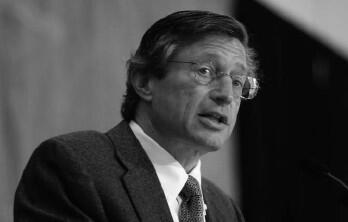
Larry Diamond
News Type
Commentary
Date
Paragraphs

“Emerging democracies must demonstrate that they can solve governance problems and meet citizens’ expectations for freedom, justice, a better life, and a fairer society.”

If the big global story of the 1980s and 1990s was the remarkable expansion of democracy, the bad news of this decade is that democracy is slipping into recession. In the two decades following the Portuguese revolution in 1974, the number of democracies tripled (from 40 to 120) and the percentage of the world’s states that are at least electoral democracies more than doubled (to about 60 percent). Since the late 1990s however, there has been little if any net progress in democracy. To be sure, significant new transitions to democracy took place in countries like Mexico, Indonesia, Serbia, Georgia, and Ukraine. But globally, the democratic wave has been neutralized and is now at risk of being overtaken by an authoritarian undertow, which has extinguished democracy in such states as Pakistan, Russia, Nigeria, Venezuela, Bangladesh and Kenya. In fact, two-thirds (15) of all the reversals of democracy (23) since 1974 have taken place just in the last eight years, since the October 1999 military coup in Pakistan.

Image
untitled
Fortunately, breakdowns of democracy do not always persist for long. Pakistan held remarkably vibrant parliamentary elections in February 2008, in which the party of the autocratic, unelected president, Pervez Musharraf, was crushed. Should the legitimate parties succeed in curtailing Musharraf’s power or forcing him from office, a transition back to democracy could be completed. Thailand has made a similar cycle of return, Bangladesh figures to do so this year, and Nepal is trying to do so. The remote mountain kingdom of Bhutan has quickly gone from absolute to constitutional monarchy, and Mauritania, a desert-poor Muslim-majority country, has also made a democratic transition. But many of the new democracies of recent decades are shallow and in trouble. And freedom has been lurching backwards. By the ratings of Freedom House, last year was the worst year for freedom since the end of the Cold War, with 38 countries declining in their levels of political rights and civil liberties and only 10 improving.

Two other negative trends are important to note. One is the implosion of democratic openings in the Arab world. Under pressure from the George W. Bush administration beginning in 2003, several authoritarian Arab regimes liberalized political life and held competitive, multiparty elections. Then, Islamist political forces made dramatic gains in Egypt and Lebanon and won a majority of seats in Palestine and Iraq — and suddenly the Bush Administration got cold feet. Arab democrats who had surfaced and mobilized felt abandoned and betrayed. The liberal secular politician Ayman Nour, who had the temerity to challenge President Hosni Mubarak in Egypt’s first contested presidential election, languishes in prison three years later. The country’s political opening is now frozen, while more than a billion dollars in American aid continues to flow to the regime.

The second negative trend is that authoritarian states have, unfortunately, learned some of the lessons of democratic breakthroughs of the past decade, particularly the color revolutions that brought down neocommunist autocracies in Serbia, Georgia, Ukraine, and Kyrgyzstan. As a result, they have closed political space, swallowed up or arrested independent media, crushed independent political opposition, sabotaged or shut down innovative uses of the Internet, and sought to block or sever external flows of democratic assistance. Vladimir Putin’s Russia (with its sinister cabal of savvy Kremlin “political technologists”) has blazed the trail in this authoritarian pushback, but China, Belarus, Iran, Azerbaijan, Uzbekistan, and other “post” communist and Middle Eastern dictatorships have followed suit. To make matters worse, China and Russia have drawn together with the Central Asian dictatorships in a new club, the Shanghai Cooperation Organization, to formalize and advance their authoritarian pushback.

To renew democratic progress in the world, we must understand the reasons for the democratic recession. Authoritarian learning is one. Another has been the inconsistent and often unilateralist policies of the United States. Although President Bush has done much to put democracy promotion at the center of American foreign policy and has substantially increased funding for U.S. democracy assistance programs, he has also alienated potential allies in the effort to advance democracy globally by associating democracy promotion with the use of (largely unilateral) force, as in Iraq; by promoting democracy with a tone that was often self-righteous and a style that was too often poorly coordinated with our democratic allies; and then by failing to sustain pressure for democratic change when the going got rough in the Middle East.

Structural factors have also driven the recession of democracy. One has had to do with the global political economy. As the price of oil has gone up, the prospects for democracy have receded. Russia, Nigeria, and Venezuela have all seen their democracies slip back into authoritarianism as oil prices have skyrocketed, sending huge new infusions of discretionary revenue into the hands of autocratic leaders, which they have used to buy off opponents and strengthen their security apparatuses. In Iran and Azerbaijan, surging oil revenues have shored up authoritarian states that once seemed vulnerable.

A second and more pervasive factor has had to do with the performance of the new democracies. Some new democracies are holding their own (like Mali) and even making progress (like Brazil and Indonesia) in the face of enormous accumulated problems and challenges. But the general reality, even in these countries, is that democracy often does not work for average citizens. Rather, it is blighted by multiple forms of bad governance: abusive police and security forces, domineering local oligarchies, inept and indifferent state bureaucracies, corrupt and pliant judiciaries, and ruling elites who routinely shred the rule of law in the quest to get rich in office. As a result, citizens grow alienated from democracy and become susceptible to the patronage crumbs of corrupt political bosses and the demagogic appeals of authoritarian populists like Putin in Russia and Hugo Chávez in Venezuela.

“If democracies do not work better to contain crime and corruption, generate economic growth, relieve economic inequality, and secure freedom and a rule of law, people will eventually lose faith and turn to authoritarian alternatives.”Before democracy can spread further, it must take deeper root where it has already sprouted. Emerging democracies must demonstrate that they can solve governance problems and meet citizens’ expectations for freedom, justice, a better life, and a fairer society. If democracies do not work better to contain crime and corruption, generate economic growth, relieve economic inequality, and secure freedom and a rule of law, people will eventually lose faith and turn to authoritarian alternatives. Struggling democracies must be consolidated, so that all levels of society become enduringly committed to democracy as the best form of government and to the country’s constitutional norms and restraints. Western governments and international aid donors can assist in this process by making most foreign aid contingent on key principles of good governance: a free press, an independent judiciary, and vigorous, independently led institutions to control corruption. International donors also need to expand their efforts to assist these institutions of horizontal accountability as well as initiatives in civil society that monitor the conduct of government and press for institutional reform.

The only way to stem the democratic recession is to show that democracy really is the best form of government — that it can not only provide political freedom but also improve social justice and human welfare.

Hero Image
diamond hs
All News button
1
Authors
News Type
News
Date
Paragraphs

Dr. Alejandro Toledo, former president of Peru, describes his vision as “democracy that delivers.”

“My colleagues and I who have taken the challenge of public life as a vocation and a life commitment,” Toledo says, “cannot but feel concerned about the great challenges faced by our continent where half its population lives between poverty and misery and where inequalities and social exclusion are at their highest.” Toledo has spent the past academic year in residence at the Center on Democracy, Development, and the Rule of Law, applying theoretical rigor to a bold new plan for Latin America and also making a sweeping call to action. At the same time, as Distinguished Visiting Payne Lecturer for the Freeman Spogli Institute, Toledo has shared his vision and his plans for the future with the Stanford community in a three-part special Payne Lecture Series, titled “Can the Poor Afford Democracy? A Presidential Perspective.”

Forty percent of Latin Americans — 230 million people — are trying to survive on less than $2 a day, and 110 million live on less than $1 a day, Toledo is quick to point out. He also notes that income levels do not reflect the “drama of poverty”— things like infant mortality, malnutrition, lack of access to health care and education, and ethnically based social exclusion. Impoverished populations see corruption, exclusion, and economic inequality, and they begin to associate these things with democracy and become impatient with it. Toledo is calling for leaders to have the courage to invest in human development through nutrition, education, and microfinance programs and to make decisions that may not have short-term political benefits. “This is a moment for more leadership and less politics,” he said in January.

With the Global Center for Development and Democracy, the non-governmental organization that he founded, Toledo is organizing a new, broad-sweeping initiative to construct a social agenda for democracy in Latin America for the next 20 years. This Social Agenda for Democracy Initiative will identify specific and measurable goals to demonstrate that democracy is capable of “delivering concrete results to the poor.” To do this, Toledo says, the group of former Latin American presidents, democratic leaders, experts, and exponents of civil society that he is organizing will need to map out an agenda for both stimulating economic growth and reducing inequality and exclusion. Their agenda will be supported by parallel and ongoing efforts to promote and strengthen democratic institutions including judicial systems, freedom of speech, human rights, and the independence of all branches of government.

Toledo’s working group met for the first time on November 26, 2007, at the National Endowment of Democracy in Washington, D.C. The core team is made up of 12 former presidents, including Presidents Vicente Fox (Mexico), Fernando H. Cardoso (Brazil), Carlos Mesa (Bolivia), Ricardo Lagos (Chile), Cesar Gaviria (Colombia), Jose Maria Aznar (Spain), Rodrigo Carazo (Costa Rica), and Ricardo Maduro (Honduras). The group met again in Lima, Peru, on April 25, a meeting that Toledo is particularly excited about. “Our meeting in Lima has special significance for the initiative,” Toledo explains. “First, because the Latin American, Caribbean, and European Union Summit between 60 heads of state was held this year in Lima, just one month later, and second, because the theme of this year’s summit is ‘Poverty, Inequality, and Exclusion.’”

Which is the task that lies before Toledo and his colleagues.

One of the main aims of the Social Agenda for Democracy Initiative is to develop a social matrix to measure progress on key indicators such as economic growth, health, education, employment and salaries, poverty and income distribution, and access to technology. Several working group members reported on May 14 to the Latin American, Caribbean, and European Union Summit on the Social Agenda for Democracy Initiative and their progress in constructing this social matrix — giving the bold plan of this already super-charged group additional visibility and opportunity for capacity building. The group will meet two more times in 2008: in Bolivia this July and again in September in Sao Paulo, Brazil.

For Toledo, the link between democracy and social change is palpable — he is both the product of and an advocate for the transformative powers of these two processes. Democratically elected in 2001, Toledo was Peru’s first president of indigenous descent, having grown up in an impoverished and remote Andean village. “For 500 years, someone with my ethnic background was never accepted to be a candidate,” Toledo said in May, in his final Payne lecture. “I was a political intruder in the establishment of politics in Latin America and in Peru.”

In his five-year term as president, Toledo achieved 6 percent average annual growth, increased foreign direct investment by 50 percent, balanced the budget, and brought 25 percent of the population above the poverty line. He also initiated a program called Juntos, or “Together,” a system of conditional, direct cash transfers to female heads of the poorest households. In return for obtaining pre- and post-natal checkups, vaccinating their children, and making sure their children went to school, the women received $30 per month to invest in their economic self-sufficiency. The short-term solution provided by Juntos was initially criticized by the IMF but has been so successful that it is now being evaluated as a policy option by both the IMF and the World Bank and has been continued by the current government.

In his first Payne lecture, held in January, Toledo interwove firsthand observations with quantitative research to support his argument that a reduction in poverty and inequality does not necessarily follow economic growth. While he has “cautious optimism” that Latin America is poised to “make a substantial jump and take a prominent place in the world economy in the next 15 to 20 years,” he said that only an ambitious social agenda to reduce poverty and inequality will stimulate economic growth, strengthen democratic institutions, and consolidate democratic governance in the region.

Having analyzed the relationship between democratic reform, economic growth, and poverty, inequality, and social exclusion in Latin America, Toledo focused his second Payne lecture, in April, on some of the political dynamics in Peru leading up to his election to president. His multimedia presentation included footage of the mass protests that followed Alberto Fujimori’s controversial re-election to a third term in 2000 amid allegations of electoral fraud. Fujimori ultimately agreed to schedule a new election the following year and stepped down as a candidate.

In his third and final Payne lecture, on May 14, Toledo answered the question that served as the organizing principle for the series: Can the poor afford democracy? Yes, he said — but more importantly, “Democracy cannot afford to neglect the poor.”

Like Toledo, former president of Mexico and Social Agenda for Democracy colleague Vicente Fox sees positive economic and social growth for Latin America. He accepted Toledo’s invitation to visit the Stanford community and on March 5 spoke with intensity about Latin America’s prospects for both social welfare and economic well-being in the coming century. Mexico, which Goldman Sachs recently projected to be the world’s fifth largest economy by 2040, was emblematic of this electrifying future, he said. On the one hand, there is great promise for economic growth, stability, and entrepreneurship; and with this great promise, he was careful to note, comes great responsibility for the reduction of poverty and inequality through a “package of powerful social policies.”

Looking ahead, Fox hoped that Latin American democracy would not to be taken for granted; “it has to be nourished, it has to be taken care of, it has to be promoted.” But his outlook for Latin America is that this is a time for its countries to consolidate democracies and freedoms, consolidate economies, and promote new leadership. After years of military dictatorships, corruption, inefficiency, and poor development, “People decided to go for change,” Fox said, “and change is a magic word. It moves people to action.”

Hero Image
elpresidente
All News button
1
Authors
Hisham Zerriffi
News Type
News
Date
Paragraphs

Small scale power generation technologies (distributed generation) have the potential to significantly contribute to solving the rural electricity access problem in the developing world. This paper presents results from case studies in Brazil (part of a larger three country study) and shows that differences in business models and the influence of institutions are important factors for understanding success and failure in rural electrification and the contribution rural electrification can play in rural development. 


All News button
1
Authors
News Type
News
Date
Paragraphs

This past autumn, the Freeman Spogli Institute ( FSI ) in conjunction with the Woods Institute for the Environment launched a program on Food Security and the Environment (FSE) to address the deficit in academia and, on a larger scale, the global dialogue surrounding the critical issues of food security, poverty, and environmental degradation.

“Hunger is the silent killer and moral outrage of our time; however, there are few university programs in the United States designed to study and solve the problem of global food insecurity,” states program director Rosamond L. Naylor. “FSE’s dual affiliation with FSI and Stanford’s new Woods Institute for the Environment position it well to make significant steps in this area.”

Through a focused research portfolio and an interdisciplinary team of scholars led by Naylor and Center for Environmental Science and Policy (CESP) co-director Walter P. Falcon, FSE aims to design new approaches to solve these persistent problems, expand higher education on food security and the environment at Stanford, and provide direct policy outreach.

Productive food systems and their environmental consequences form the core of the program. Fundamentally, the FSE program seeks to understand the food security issues that are of paramount interest to poor countries, the food diversification challenges that are a focus of middle-income nations, and the food safety and subsidy concerns prominent in richer nations.

CHRONIC HUNGER IN A TIME OF PROSPERITY

Although the world’s supply of basic foods has doubled over the past century, roughly 850 million people (12 percent of the world’s population) suffer from chronic hunger. Food insecurity deaths during the past 20 years outnumber war deaths by a factor of at least 5 to 1. Food insecurity is particularly widespread in agricultural regions where resource scarcity and environmental degradation constrain productivity and income growth.

FSE is currently assessing the impacts of climate variability on food security in Asian rice economies. This ongoing project combines the expertise of atmospheric scientists, agricultural economists, and policy analysts to understand and mitigate the adverse effects of El Niño-related climate variability on rice production and food security. As a consequence of Falcon and Naylor’s long-standing roles as policy advisors in Indonesia, models developed through this project have already been embedded into analytical units within Indonesia’s Ministries of Agriculture, Planning, and Finance. “With such forecasts in hand, the relevant government agencies are much better equipped to mitigate the negative consequences of El Niño events on incomes and food security in the Indonesian countryside,” explain Falcon and Naylor.

FOOD DIVERSIFICATION AND INTENSIFICATION

With rapid income growth, urbanization, and population growth in developing economies, priorities shift from food security to the diversification of agricultural production and consumption. “Meat production is projected to double by 2020,” states Harold Mooney, CESP senior fellow and an author of the Millennium Ecosystem Assessment. As a result, land once used to provide grains for humans now provides feed for hogs and poultry.

These trends will have major consequences for the global environment—affecting the quality of the atmosphere, water, and soil due to nutrient overloads; impacting marine fisheries both locally and globally through fish meal use; and threatening human health, as, for example, through excessive use of antibiotics.

An FSE project is analyzing the impact of intensive livestock production and assessing the environmental effects to gain a better understanding of the true costs of this resource-intensive system. A product of this work recently appeared as a Policy Forum piece in the December 9, 2005, issue of Science titled "Losing the Links Between Livestock and Land."

Factors contributing to the global growth of livestock systems, lead author Naylor notes, are declining feed-grain prices, relatively inexpensive transportation costs, and trade liberalization. “But many of the true costs remain largely unaccounted for,” she says, including destruction of forests and grasslands to provide farmland for feed crops destined not for humans but for livestock; utilization of large quantities of freshwater; and nitrogen losses from croplands and animal manure.

Naylor and her research team are seeking better ways to track all costs of livestock production, especially hidden costs of ecosystem degradation and destruction. “What is needed is a re-coupling of crop and livestock systems,” Naylor says, “if not physically, then through pricing and other policy mechanisms that reflect social costs of resource use and ecological abuse.” Such policies “should not significantly compromise the improving diets of developing countries, nor should they prohibit trade,” Naylor adds. Instead, they should “focus on regulatory and incentive-based tools to encourage livestock and feed producers to internalize pollution costs, minimize nutrient run-off, and pay the true price of water.”

LOOKING AHEAD

The future of the program on Food Security and the Environment looks bright and expansive. Building on existing research at Stanford, researchers are identifying avenues in the world’s least developed countries to enhance orphan crop production— crops with little international trade and investment, but high local value for food and nutrition security. This work seeks to identify advanced genetic and genomic strategies, and natural resource management initiatives, to improve orphan crop yields, enhance crop diversity, and increase rural incomes through orphan crop production.

Another priority research area is development of biofuels. As countries seek energy self-reliance and look for alternatives to food and feed subsidies under World Trade Organization (WTO) rules, the conversion of corn, sugar, and soybeans to ethanol and other energy sources becomes more attractive. New extraction methods are making the technology more efficient, and high crude oil prices are fundamentally changing the economics of biomass energy conversion. A large switch by key export food and feed suppliers, such as the United States and Brazil, to biofuels could fundamentally alter export prices, and hence the world food and feed situation. A team of FSE researchers will assess the true costs of these conversions.

The FSE program recently received a grant through the Presidential Fund for Innovation in International Studies to initiate new research activities. One project links ongoing research at Stanford on the environmental and resource costs of industrial livestock production and trade to assess the extent of Brazil’s rainforest destruction for soybean production. “Tens of millions of hectares of native grassland and rainforest are currently being cleared for soybean production to supply the global industrial livestock sector,” says Naylor. An interdisciplinary team will examine strategies to achieve an appropriate balance between agricultural commodity trade, production practices, and conservation in Brazil’s rainforest states.

“I’m extremely pleased to see the rapid growth of FSE and am encouraged by the recent support provided through the new Presidential Fund,” states Naylor. “It enables the program to engage faculty members from economics, political science, biology, civil and environmental engineering, earth sciences, and medicine—as well as graduate students throughout the university—in a set of collaborative research activities that could significantly improve human well-being and the quality of the environment.”

All News button
1
News Type
News
Date
Paragraphs

The Office of the President and the Stanford International Initiative announced on February 1, 2006, the award of eight new grants totaling $1.05 million to multidisciplinary Stanford faculty teams. The grants are the first to be awarded from Stanford’s new Presidential Fund for Innovation in International Studies (PFIIS) created in 2005.

“The world does not come to us as neat disciplinary problems, but as complex interdisciplinary challenges. The collaborative proposals we have selected for this first round of funding offer great potential to help shed light on some of the most persistent and pressing political issues on the global agenda today—issues acutely important to our common future.” john hennessy, stanford president

The fund supports interdisciplinary research and teaching on three overarching global challenges: pursuing peace and security, improving governance at all levels of society, and advancing human well-being. Priority was given to teams of faculty who did not typically work together, representing multiple fields, and choosing to address issues falling broadly within the three primary research areas of the Initiative. Projects were to be based on collaborative research or teaching, involving faculty from two or more disciplines, and, where possible, from two or more of the University’s seven schools.

“The International Initiative’s Executive Committee was encouraged to receive more than 35 proposals of an impressive caliber and, after careful review, to award the first project and planning grants, totaling $1.05 million, to eight deserving faculty teams.” Coit D. Blacker, director of the Freeman Spogli Institute and chair of the Executive Committee“The International Initiative’s Executive Committee was encouraged to receive more than 35 proposals of an impressive caliber and, after careful review, to award the first project and planning grants, totaling $1.05 million, to eight deserving faculty teams,” stated Coit D. Blacker, director of the Freeman Spogli Institute and chair of the Executive Committee.

The projects qualifying for first-round funding of approximately $1.025 million are the following:

  • Governance Under Authoritarian Rule. Stephen Haber and Beatriz Magaloni, political science; Ian Morris, classics, history; and Jennifer Trimble, classics. Will examine the political economy of authoritarian systems and, by drawing on methods from history, archaeology, political science, and economics, determine why some authoritarian governments are able to transition to democracy, stable economic growth, and functioning political institutions, while others prove predatory and unstable.
  • Addressing Institutional and Interest Conflicts: Project Governance Structures for Global Infrastructure Development. Raymond Levitt, civil and environmental engineering, and Doug McAdam and Richard Scott, sociology. Will examine the challenges of creating effective and efficient public/ private institutions for the provision of low-cost, distributed, and durable infrastructure services to underserved populations in emerging economies, drawing on engineering cost management, organizational and institutional theory, political science, political sociology, and transaction cost analysis.
  • Combating HIV/AIDS in Southern Africa: The Treatment Revolution and Its Impact on Health, Well-Being, and Governance. David Katzenstein, infectious diseases, and Jeremy Weinstein, political science. Based on the 2005 commitment by the Group of 8 donors to put 10 million people infected with HIV/AIDS on treatment within five years, will research the impact of this treatment revolution on health, wellbeing, and governance in Sub-Saharan Africa, with an emphasis on South Africa and Zimbabwe. Seeks to develop a systematic protocol for the collection and analysis of biomedical and social science data.
  • Evaluating Institutional Responses to Market Liberalization: Why Latin America Was Left Behind. Judith Goldstein, political science; Avner Greif, economics; Stephen Haber, political science; Herb Klein, history; Grant Miller, medicine; and Barry Weingast, political science. Will research the dynamic interaction between inequality and Latin American institutions, formal and informal, in explaining the poor performance of Latin American countries over the past two decades, seeking in particular to explain why liberal institutional reforms, such as trade liberalization, have failed to yield expected economic benefits.
  • Feeding the World in the 21st Century: Exploring the Connections Between Food Production, Health, Environmental Resources, and International Security. Rosamond Naylor, FSI/economics; Stephen Stedman, FSI/political science; Peter Vitousek, biological sciences; and Gary Schoolnik, medicine, microbiology and immunology. Launches new research and teaching program at Stanford on Food Security and the Environment (FSE), with an initial priority on two research areas: 1) Food Security, Health, and International Security; 2) Globalization, Agricultural Trade, and the Environment. Seeks to address the problems of global food insecurity and hunger, the “silent killer” of our time, affecting more than 1 billion people globally. Research and teaching will focus on the interconnections between food security, agricultural production, infectious diseases, environmental degradation, and national and international security, with the aim of advancing human well-being by identifying linkages, policy interventions, and new forms of political cooperation.
  • Political Economy of Cultural Diversity. James Fearon, political science, and Romain Wacziarg, Graduate School of Business. Will research the effect of cultural diversity on economic and political performance, examining specifically the role of ethnic, linguistic, and religious diversity on economic growth, the free flow of trade and capital across borders, governance, development of democratic institutions, and political stability. Will develop novel measures of ethnic, linguistic, and religious differences within countries and use these to assess their causal impact on important political and economic outcomes.

Two planning grants were also awarded, as follows:

  • Global Health by Design. Geoffrey Gurtner, plastic and reconstructive surgery; David Kelley, mechanical engineering; Thomas Krummel, surgery; Julie Parsonnet, medicine, health research and policy; and Paul Yock, medicine, bioengineering. Will design a project to examine how new technology can be used to develop effective, affordable, and sustainable methods and devices to prevent disease in the world’s poorest countries.
  • Ecological Sanitation in Rural Haiti: An Interdisciplinary Approach to Sanitation and Soil Fertility. Ralph Greco, surgery, and Rodolfo Dirzo, biological sciences. Will develop a plan to test the efficacy of ecological sanitation in decreasing disease and enhancing soil fertility in rural Haiti.

“It is abundantly clear that addressing some of the most significant problems on the global agenda will require imaginative thinking, bold approaches, and interdisciplinary collaboration,” Blacker said. The projects will produce new field research and protocols, conferences, research papers, books, symposia, and courses. Additional annual project awards totaling roughly $1 million each will be made in the fall of 2006 and in 2007.

All News button
1
Authors
News Type
News
Date
Paragraphs

Discussions began, tentatively at first, as the delegates slipped into the roles they had been assigned and for which they had prepared for several months. The tension mounted as they anticipated meeting with their heads of state, to whom they would propose their country’s goals for the upcoming U.N. Security Council meeting.

Thus began the Third Annual IDL Student Conference in International Security, sponsored by the Initiative on Distance Learning (IDL). IDL offers Stanford courses in international security to nine Russian universities via distance-learning technologies. Its annual conference brings together top students and instructors from each of the participating universities with students and faculty from Stanford. This was the first year that the conference centered on an international security simulation, led by political science professor Scott D. Sagan, director of CISAC, and Coit D. Blacker, director of FSI. Sagan has been conducting such security simulations for eight years at Stanford and other U.S. universities.

This year’s simulation scenario was the referral of Iran to the U.N. Security Council by the International Atomic Energy Agency (IAEA) for failure to fully disclose its nuclear activities. Council delegates convened in the Russian provincial capital of Yaroslavl, 150 miles northeast of Moscow, due to “security concerns”— as they were informed—about U.N. headquarters in New York.

Delegates’ opening statements reflected a wide range of views on Iran’s status with the IAEA. The U.S. delegation called for sanctions and showed little interest in negotiation. “We find the Iranian regime corrupt and repressive,” said Oleg Borisov, head U.S. delegate and a student at Petrozavodsk State University. He added, rather menacingly, “The United States is not intending to use military force unless Iran keeps up its nuclear capability and continues to support terrorism.”

At the other end of the spectrum, Venezuela, Pakistan, and Iraq indicated no willingness to consider sanctioning Iran. China urged delegates to “choose the only right option—diplomacy.”

By the end of the two-day session, delegates had overcome seemingly intractable differences during four intensive legal drafting sessions. The council’s resolution gave Iran three months to comply with IAEA demands and provided for Iran to obtain enriched uranium from Russia, with the production, transport, and waste disposal to occur on Russian soil under IAEA controls.

As a learning experience, the simulation is well matched to the IDL program’s goal of fostering critical analysis among a new generation of students in post- Soviet Russia. FSI director Coit Blacker wants to develop future generations of diplomats and policymakers whose worldview is shaped “by how they think, not what they’re told to think.”

After the session ended, students reflected on what they had learned. Putting themselves in others’ shoes seemed the most valuable aspect for many. Natasha Pereira-Klamath, one of the Stanford undergraduates who participated in the Yaroslavl simulation as a representative of the Russian Federation, said she was surprised at the “extent to which people reflected the views of their (assigned) countries.” This was echoed by other students, who expressed their surprise at how easy it was to begin thinking as a representative of another country, although their official position might be very different from their own.

“I’m glad to see the resolution passed today,” said Homkosol Bheraya, an exchange student from Thailand who attends Ural State University. “I hope that in the real world this can happen someday.” Perhaps she will be in a position to advance that goal. “My dream,” she said, “is to one day work for the IAEA.”

All News button
1
Authors
News Type
News
Date
Paragraphs

The International Outreach Program at Stanford University (IOP) began as a pilot joint venture between FSI and the Stanford Center for Innovations in Learning (SCIL), under the auspices of the Stanford International Initiative. IOP was designed to serve as a bridge between Stanford University and international universities and educational institutions, especially in Africa, South America, and Asia. The program’s mission is to facilitate teaching and other outreach collaborations in each of the three primary themes of the International Initiative—security, governance, and human well-being—and international collaborations in other relevant areas. During the initial startup phase, IOP facilitated collaborations between Stanford and universities in South Africa (ELISA— eLearning Initiative in South Africa, focusing on using mobile devices to support Stanford courses on International Security and the Environment) as well as in China (adapting innovative computer-based learning materials to teach biology to undergraduate students).

Image
1600 small 8
A third collaboration facilitated by IOP brings together Stanford experts from the School of Education with professors and researchers from the Universidad Católica de Chile (UC) in Santiago to address the issue of teacher education. While Chile has enacted wide-ranging social and economic reforms to improve the well-being of its citizens, and has been a leader across Latin America in improving educational quality and access, the country still faces challenges with its teacher training institutions and professional development activities.

UC is collaborating with IOP on a proposed $10 million, five-year program to allow Stanford experts and graduate students to work with their Chilean counterparts to design and test new mechanisms to deliver state-of-the-art teacher professional development programs in literacy and mathematics. The group of Stanford experts include Coit D. Blacker, Guadalupe Valdes, Shelley Goldman, Rachel Lotan, Aki Murata, Duarte Silva, and Martin Carnoy.

Another project between Stanford and UC explores the joint development of new models for initial teacher education. In July 2006, Rachel Lotan, director of the Stanford Teacher Education Program (STEP), joined Reinhold Steinbeck, IOP co-director, to meet with members of UC’s School of Education in Santiago. UC is particularly interested in working with STEP on addressing some key issues confronting initial teacher education—pedagogic content knowledge; linkages between theoretical and practical dimensions of teacher training; and the strategic character of university-schools linkages for providing contexts for teacher training. The planned collaboration would include training sessions of teacher educators and program administrators from Universidad Católica at Stanford and in Santiago and would also utilize distance-learning technologies.

IOP is exploring a new collaboration between Stanford and UC’s new center for international studies led by Dr. Juan Emilio Cheyre, a noted reformer of the Chilean Army. Michael A. McFaul, deputy director of FSI, and Katherine M. Kuhns, director of FSI’s Initiative on Distance Learning (IDL), met with Cheyre and other university leaders in July 2006.

IOP is enthused about facilitating this potential collaboration, which would allow Stanford to make a major contribution toward capacity building in teacher education and international studies at UC and across Chile.

All News button
1
Authors
News Type
News
Date
Paragraphs

On November 16, 2006, FSI convened its annual international conference, A World at Risk, devoted to systemic and human risk confronting the global community. Remarks by Stanford Provost John Etchemendy, FSI Director Coit D. Blacker, former Secretary of State Warren Christopher, former Secretary of Defense William J. Perry, and former Secretary of State George Shultz set the stage for stimulating discussions. Interactive panel sessions encouraged in-depth exploration of major issues with Stanford faculty, outside experts, and policymakers.

Image
1592 small 1man
“When I was a child, the world was a simpler place,” stated Stanford Provost John Etchemendy. “What has changed is not the risk, but the number and complexity of problems that face the world today.” The complex challenges of the 21st century require that universities change, as well. The International Initiative, led by FSI, was launched “to identify key challenges of global importance and to contribute to their solutions by leveraging the university’s academic strength and international reach.”

Invoking Jane and Leland Stanford’s desire to educate students to become useful, contributing citizens, Etchemendy said, “We can best serve that mission today by producing graduates well-versed in the complex problems of a world at risk and willing to make the difficult choices that might lead to their solution.”

“It has been acutely apparent to us at FSI that we must actively engage a world at risk,” stated FSI director Coit D. “Chip” Blacker, “risk posed by the growing number of nuclear issues on the international agenda; the insurgency in Iraq; global poverty, hunger, and environmental degradation; the tensions of nationalism versus regionalism in Asia; infectious diseases; terrorism; and the geopolitical, financial, and ecological risks of the West’s current energy policies, especially its voracious appetite for oil.”

Introducing three Stanford luminaries, Blacker said, “One of the remarkable things about Stanford is the privilege of working with some of the outstanding intellects and statesmen of our time. Warren Christopher, William Perry, and George Shultz tower among them.”

“As Stanford University’s primary forum for the consideration of the major international issues of our time, we at FSI are dedicated to interdisciplinary research and teaching on some of the most pressing and complex problems facing the global community today.” – Coit D. “Chip” Blacker, Director, Freeman Spogli Institute“The Middle East has descended into hate, violence, and chaos,” said Warren Christopher, the nation’s 63rd secretary of state. “It really is a dangerous mess.” Discussing the Israeli incursion into Lebanon, the war in Iraq, and Iran’s regional and nuclear ambitions, he said the U.S. has aggravated these threats by “action and inaction.” Nonetheless, the U.S. remains the most influential foreign power in the region. “We must not give up on the Middle East,” he said. “We have to return to old-fashioned diplomacy with all its frustrations and delays.”

“We live in dangerous times,” stated William J. Perry, the nation’s 19th secretary of defense and an FSI senior fellow. “Last month about 1,000 of our service personnel in Iraq were killed, maimed, or wounded; the Taliban is resurging in Afghanistan; North Korea just tested a nuclear bomb; and Iran is not far behind. China’s power is rising and Russia’s democracy is falling.” As Elie Wiesel wrote, he said, “Peace is not God’s gift to its children. Peace is our gift to each other.” Comparing major security issues of 1994 to today, Perry assessed the nuclear arms race, North Korea, Iran, and Iraq. He noted that the Clinton administration had eliminated more than 10,000 nuclear weapons and urged that the work continue, because “the danger of terrorists getting a nuclear bomb is very real.”

Citing North Korea’s 2006 missile and nuclear tests, Perry said he was concerned that a robust North Korean nuclear program will stimulate a “dangerous arms race in the Pacific” and increase “the danger of a terrorist group getting a nuclear bomb.” “Iran is moving inexorably toward becoming a nuclear power,” Perry said. “We are facing new dangers,” he concluded, “and we must adjust our thinking accordingly.”

“The world has never been at a more promising moment than it is today,” said George Shultz, the nation’s 60th secretary of state. “All across the world, economic expansion is taking place. The U.S. is giving fantastic leadership to the global economy.” For Shultz, the imperative is to prevent the security challenges “from aborting all these fantastic opportunities.”

“The Middle East has descended into hate, violence, and chaos. The U.S. remains the most influential foreign power in the region. We have to return to old-fashioned diplomacy with all its frustrations and delays.” – Former Secretary of State Warren ChristopherU.S. leadership should inspire the world, Shultz said, advocating four initiatives. We should aspire to have a world with no nuclear weapons. We should take a different approach to global warning, based on the Montreal Protocols. “This is a gigantic problem we need to do something about and can do something about,” he said. We should build greater understanding of the world of Islam. We must combat rising protectionism. The postwar system reduced tariffs and quotas, promoting trade and growth. “The best defense is a good offense,” Shultz stated. “We need a lot of leadership in that arena.”

Plenary I, chaired by Chip Blacker, examined systemic risk. Elisabeth Paté-Cornell, Burton and Deedee McMurtry Professor and Chair of Management Science and Engineering, discussed how scientists measure risk, asking what can happen, what are the chances it will, and what are the consequences? “The good news is that the worst is not always the most certain,” she noted. Citing challenges of intelligence analysis, she said, “Certainty is rare; signals are imperfect; there is a tendency to focus on one possibility (groupthink) and underestimate others; and it is difficult to assess and communicate uncertainties.” “Success is not guessing in the face of uncertainties,” she said. “It is describing accurately what is known, what is unknown, and what has changed.”

Scott D. Sagan, professor of political science and director of CISAC, examined “Iran and the Collapse of the Global Non-proliferation Regime?” The crux of the issue, Sagan noted, is the emergence of two dangerous beliefs, “deterrence optimism” and “proliferation fatalism.” In Sagan’s view, too little attention has been given to why Iran seeks a nuclear weapon. Arguing that U.N. sanctions are unlikely to work and military options are problematic, Sagan said a negotiated settlement is still possible if the U.S. offers security guarantees to Iran, contingent on Tehran’s agreement to constraints on future nuclear development. As Sagan concluded, “Instead of accepting what appears inevitable, we should work to prevent the unacceptable.”

Siegfried S. Hecker, CISAC co-director, tackled the challenge of “Keeping Fissile Materials out of Terrorist Hands.” Although nuclear terrorism is an old problem, today there is easier access to nuclear materials, greater technological sophistication, and a greater proclivity toward violence. The greatest risk, he said, “is an improvised nuclear device built from stolen or diverted fissile materials.” “Given a few tens of kilograms of fissile material, essentially a grapefruit-sized chunk of plutonium,” he stated, “terrorists will be able to build and detonate an inefficient, but devastating Hiroshima- or Nagasaki-like bomb.” The most likely threat is a so-called “dirty bomb,” he said, which would be a “weapon of mass disruption, not destruction,” but still able to cause panic, contamination, and economic disruption, making risk analysis imperative to mitigate its consequences.

“We are facing new dangers and we must adjust our thinking accordingly. As President Lincoln said, ‘The occasion is piled high with difficulty, and we must rise with the occasion. As our case is new, so we must think anew, and act anew.’” – Former Secretary of Defense William J. PerryTurning to human risk, Michael Osterholm, director of the University of Minnesota’s Center for Infectious Disease Research and Policy, addressed “Pandemic Influenza: Harbinger of Things to Come?” “The risk is one that a pandemic is going to happen,” he told a riveted audience. Comparing the great influenza of 1918 with the pandemics of 1957 and 1968, he noted that pandemics have differed in season of onset, mortality rates, and number of cases. Avian influenza has a 65 percent mortality rate and could affect 30–60 percent of the world’s 6.5 billion people, producing 1.6 billion deaths worldwide and 1.9 million deaths in the U.S. Inevitably, mutation will reduce its lethality.

“It is not a matter of if, just when and where” the pandemic will strike, said Osterholm. Noting that vaccines will not be available in numbers needed, he argued for measures to safeguard families, communities, and essential infrastructure, such as police, firefighters, and health-care workers. Just-in-time inventory practices, he said, have increased vulnerability to disruptions in food supply, transportation, equipment, and communications, making it vital to plan in earnest, now.

Plenary II, chaired by FSI deputy director Michael A. McFaul, assessed risks to humans from “Natural, National, and International Disasters.” Stephen E. Flynn, Jeane J. Kirkpatrick Senior Fellow at the Council on Foreign Relations and a trade and transportation security expert, decried the “artificial firewalls between homeland and national security.” The Hart-Rudman Commission of 1998 warned of a catastrophic attack on U.S. soil, yet we did not rethink national security even after 9/11. We must approach security as a transnational issue, with no clear “domestic” and “international” lines, he urged. More than 65 percent of critical infrastructure is privately owned and has been given inadequate attention by federal authorities. Hurricane Katrina exposed the vulnerabilities. “We face more threats from acts of God than acts of man,” Flynn stated. We need to move from a concept of “security” to one of “resiliency,” he said, greatly improving our ability to withstand a man-made or natural disaster.

David G. Victor, FSI senior fellow and professor of law, addressed three faces of energy security: oil, natural gas, and climate change. Oil prices are volatile, future fields are in places difficult to do business, and the global supply infrastructure is vulnerable, posing the risk of a one- to six-month supply disruption. For Victor, who directs FSI’s Program on Energy and Sustainable Development, the big threat is less supply than a potential demand-side shock, driven by the U.S. and China. Europe relies on an unreliable Russia for 25–30 percent of its natural gas needs, making it imperative to switch to cheaper, more reliable LNG from North Africa and the Middle East. Oil and gas price volatility has driven further dependence on coal-fired plants, with dire consequences for carbon emissions. New coal plant lifetime emissions, Victor said, are equal to all historic coal emissions, making it critical to invest in advanced technology to protect the environment.

“The world has never been at a more promising moment than it is today. All across the world economic expansion is taking place. Poverty is being reduced dramatically as China and India expand, along with Brazil.” – Former Secretary of State George ShultzPeter Bergen, CNN terrorism analyst and producer of Osama bin Laden’s first television interview, offered the dinner keynote, “Successes and Failures of the War on Terrorism Since 9/11.” Assessing negatives, Bergen noted that al Qaeda continues to carry on attacks from its base in Pakistan; Afghanistan is beset by instability; more than 20 million Muslims in Europe remain dangerously un-integrated; bin Laden has not been apprehended and continues to inspire followers through terrorist attacks; Iraq is an unstable breeding ground for jihad; and anti-Americanism is on the rise. Enumerating positives, there has been no follow-on attack on the U.S.; the government has made the country safer; many Muslims have rejected jihad; plots have been foiled and suspects apprehended across the globe. Weighing whether fighting the terrorists abroad has made the U.S. safer here, Bergen was equivocal: The U.S. can identify and eliminate only so many people and cannot stay in Bagdad forever. A network of educated, dedicated terrorists remains, he warned, capable of bringing down commercial aircraft or deploying a radiological bomb.

All News button
1
Authors
News Type
News
Date
Paragraphs

Business, government, and academic communities increasingly recognize the role that entrepreneurship and innovation play in addressing some of the world’s most complex problems. At Stanford, the new Hasso Plattner Institute of Design, also known as the d.school, takes innovative design approaches beyond the traditional disciplines of product and industrial design. There, students and faculty use design thinking to tackle difficult problems that demand interdisciplinary solutions. Research projects and classes range from building better elementary schools to enabling farmers to step out of poverty to changing how small businesses innovate.

Design thinking, a methodology that grew out of the Design Division at the School of Engineering at Stanford, has been refined over the years through programs such as Engineering 310, “Team Based Design Innovation with Corporate Partners.” At the core of Design thinking lie 1) a human-centered approach to finding solutions, 2) a strong collaborative culture that brings together multidisciplinary teams and encourages diverse perspectives, and 3) a continuous prototyping process.

In April 2007, Professor Larry Leifer, director of the Stanford Center for Design Research (CDR) and a member of the d.school, together with Philipp Skogstad, executive director of E 310, visited the Pontificia Universidad Javeriana (PUJ) in Cali, Colombia. During the three-day visit, sponsored and facilitated by IOP, the Stanford University International Outreach Program (http://iop.stanford.edu/), the Stanford delegation negotiated a detailed plan to engage two teams of 5th-year students at PUJ with two Stanford master level teams on a corporate project in the E 310 program. Professors Larry Leifer and Mark Cutkosky will co-lead this nine-month international collaboration, which will start in fall 2007 and will include regular videoconferences, online collaboration, and short-term visits.

The goals of this collaboration are twofold. 1) Students and instructors at PUJ and Stanford will have an opportunity to learn from each other as they participate in E 310. For Stanford participants, it will be the first time to have a South American perspective represented in the globally distributed E 310 program. For PUJ participants, it will be an opportunity to learn more about design thinking as the university develops its own design program, allowing them to strengthen the connection between the university and industry, a bridge that traditionally has been weak across South America. 2) Both universities will be able to build upon the E 310 opportunity and apply the design thinking approach to other socially and economically useful innovations, with a particular emphasis on global challenges that have a strong impact on developing countries.

The collaboration between PUJ and Stanford is well matched with IOP’s goal of promoting new multidisciplinary curriculums that address global challenges, introduce innovative learning and teaching approaches, and take advantage of appropriate uses of information and communication technologies.

All News button
1
Authors
Joshua Cohen
News Type
News
Date
Paragraphs

Image
1583 small 4picsvert
FSI’s program on global justice (PGJ), now finishing its first year, explores issues at the intersection between political values and the realities of global politics. The aim is to build conversations and research programs that integrate normative ideas—toleration, fairness, accountability, obligations, rights, representation, and the common good—into discussions about fundamental issues of global politics, including human rights, global governance, and access to such basic goods as food, shelter, clean water, education, and health care. PGJ begins from the premise that addressing these morally consequential issues will require a mix of normative reflection and attention to the best current thinking in the social sciences.

In PGJ’s first year of operation, we had several visiting fellows. Adam Hosein and Helena de Bres, both dissertation fellows from MIT, spent the year researching and writing dissertations in political philosophy on issues about global distributive justice. Larry Simon, a professor at Brandeis University’s Heller School, director of Heller School’s Sustainable International Development Programs, and associate dean of academic planning, spent the winter and spring quarters working on a book on the relevance of the work of Paulo Freire to today’s poor.

Next year we will scale up the fellowship program. Helena DeBres will stay on as a postdoctoral fellow, continuing her research on utilitarian approaches to global poverty and fair distribution. She will be joined by Avia Pasternak, an Oxford PhD writing on issues about citizens’ responsibility in wealthy democracies to address issues of injustice elsewhere. Brad McHose, a UCLA PhD, and Kirsten Oleson, a recent PhD from Stanford’s IPER program, will also be affiliated with PGJ. Thorsten Theil will be a predoctoral fellow in the fall, writing on deliberative democracy and postnational politics. And Charles Beitz, a distinguished political theorist from Princeton whose Political Theory and International Relations (1979) remains the basis for much contemporary discussion of global justice, will be visiting in the winter and spring, working on a project on human rights.

Our principal activity for this past year was a regular workshop (coordinated with Stanford’s Humanities Center) covering a wide range of themes, from corporate social responsibility to the philosophical foundations of global justice, with participation from graduate students, research fellows, and faculty from political science, philosophy, economics, education, law, literature, and anthropology. In one of the liveliest sessions, Abhijit Banerjee, MIT economist and director of MIT’s Poverty Action Lab, presented his research and reflections on the strategy of using randomized field experiments to assess aid projects in developing countries. In a seminar jointly sponsored with CDDRL, Banerjee, a self-described aid optimist, expressed doubts about contemporary understanding of the determinants of economic growth and emphasized the importance of project-specific assistance and evaluation.

Richard Locke, a political scientist from MIT’s Sloan School, presented a paper based on his research at Nike and other lead firms in global supply chains that use corporate codes of conduct in their relations with suppliers. The principal finding of Locke’s research is that such codes have not been very successful in improving compensation, working conditions, or freedom of association for workers in firms that supply products to lead firms.

Amherst political theorist Uday Mehta presented a paper contrasting ideas about peace and non-violence to a seminar jointly sponsored with CISAC. Tracing the idea of a principled commitment to non-violence to Gandhi, Mehta suggested there are important costs to that principle (perhaps it requires devaluing justice), but that there are also costs to emphasizing peace as an alternative to principled non-violence: in particular, that the more conditional commitment to non-violence may end up being very permissive about the use of force.

Stanford economist Seema Jayachandran presented research on strategies for dealing with problems of odious debt. And we had workshops on the foundations of global justice with political theorists Michael Blake, Adam Hosein, Jennifer Rubenstein, and Sebastiano Maffetone; on citizenship and immigration with legal theorist Ayelet Schachar and anthropologist John Bowen; on human rights with Chip Pitts, a human rights lawyer; and on the World Bank with Sameer Dossani, a Washington political activist.

Next year, PGJ will initiate—in conjunction with Locke and his colleagues at MIT—a project called Just Supply Chains. The premise of the project is that the globalization of production is redefining employment relations and generating the need for fundamental changes in the basic institutions governing the economy. Corporations, unions, NGOs, national governments, and even international labor, trade, and financial organizations are all searching for new ways to adjust to the new international order and ensure that workers in global supply chains have decent levels of compensation, healthy and safe workplaces, and rights of association.

The project will explore three broad strategies for achieving these goals. First, it will address corporate codes of conduct and monitoring mechanisms to enforce these codes. Today, monitoring for compliance with “private voluntary codes of conduct” is one of the principal ways both global corporations and labor rights NGOs seek to promote “fair” labor standards in global supply chains. Likewise, a number of multi-stakeholder initiatives (MSIs) have banded together to promote a more collaborative/coordinated approach to improved labor standards. (The Joint Initiative for Workers Rights and Corporate Accountability in Turkey and the MFA Forum Project in Bangladesh are two of the best known examples.) But these initiatives, like the corporate codes, have produced very mixed results.

Second, much has been written about pro-labor administrative reforms by national governments (e.g., Dominican Republic, Argentina, Cambodia, and Brazil). But very little is known about whether these efforts are successful and, if they are, how to diffuse their success to other countries struggling with many of the same issues.

Third, there is speculation about how efforts at the ILO and WTO, joining labor standards to trade rules, might produce global improvements in compensation, work, and rights of association.

To explore these issues, the Just Supply Chains project will start next year with a series of workshops, bringing together “practitioners” engaged in these institutional experiments and scholars studying global supply chains, corporate responsibility, regulatory strategies, and normative ideas about global justice. We will examine what is already known about the conditions under which new arrangements and strategies can succeed in promoting fair wages and work hours, decent working conditions, and basic rights, including the right to organize collectively. The larger aim will be to define a research agenda animated by ideals of global justice, informed by understanding of current circumstances and social possibilities, and aimed at improving both our understanding and global well-being.

Hero Image
1583 small globaljlogo
All News button
1
Subscribe to South America