Authors
News Type
Commentary
Date
Paragraphs

Former Russian President Dmitry Medvedev, who signed the New Strategic Arms Reduction Treaty (New START) with Barack Obama on April 8, 2010, called last week for the United States to agree to extend the treaty. On Friday, a Department of State spokesperson told the Russian news agency TASS in response:  “The President has directed us to think more broadly than New START…  We stand ready to engage with both Russia and China on arms control negotiations that meet our criteria.”

Unfortunately, nothing suggests President Trump will achieve anything on nuclear arms control.


Read full article at The Hill.

Hero Image
trumpdonald putinvladimir 020720getty split arms
All News button
1
Authors
News Type
Commentary
Date
Paragraphs

As biological research and its applications rapidly evolve, new attempts at the governance of biology are emerging, challenging traditional assumptions about how science works and who is responsible for governing. However, these governance approaches often are not evaluated, analyzed, or compared. This hinders the building of a cumulative base of experience and opportunities for learning. Consider “biosecurity governance,” a term with no internationally agreed definition, here defined as the processes that influence behavior to prevent or deter misuse of biological science and technology. Changes in technical, social, and political environments, coupled with the emergence of natural diseases such as coronavirus disease 2019 (COVID-19), are testing existing governance processes. This has led some communities to look beyond existing biosecurity models, policies, and procedures. But without systematic analysis and learning across them, it is hard to know what works. We suggest that activities focused on rethinking biosecurity governance present opportunities to “experiment” with new sets of assumptions about the relationship among biology, security, and society, leading to the development, assessment, and iteration of governance hypotheses.

Read the rest at Science


Hero Image
megan palmer 1
All News button
1
Authors
Naomi Funahashi
News Type
Blogs
Date
Paragraphs

The following is Part 1 of a two-article series on facilitating cross-cultural online learning.


COVID-19 has now extended into most communities around the world, and we are only just beginning to understand the depth and breadth of its impact. Here at SPICE, our hearts and minds are especially focused on the effects that this global pandemic is having upon students. School closures and remote learning are becoming the norm as people are being asked—and in many cases, required—to maintain “social distancing” in order to prevent an even more rapid spread of the disease.

Every day there are more resources becoming available for teaching and learning online in the COVID-19 era. Many educators are struggling with how to adapt their teaching to the digital environment, while also striving to take full advantage of their new online context. We would like to share a few tips that we have learned from our own experiences with leveraging online teaching to forge international student connections, in hopes of encouraging others to develop similar cross-cultural online experiences for students on a global scale.

First, let me describe our own context for teaching online at SPICE. SPICE has been engaging high school students in the United States in online learning since 2004, when our first cohort of the Reischauer Scholars Program (RSP) began its intensive study of Japan and U.S.–Japan relations. When we launched a counterpart to the RSP in 2015—the Stanford e-Japan Program, an online course on U.S. society and culture and U.S.–Japan relations taught to high school students in Japan—we began to explore ways in which these two cohorts of students could come together and learn directly from and with one another. Just as the RSP students are spread across the United States, the Stanford e-Japan students are distributed across the islands of Japan. The diversity of perspectives, backgrounds, and experiences that these students bring to their cohorts is one of the richest and most valued aspects of SPICE’s online teaching initiatives.

We wanted to give our RSP and Stanford e-Japan students an opportunity to come together and discuss their shared experiences, concerns, and anxieties within the contexts of their new realities. How is the COVID-19 pandemic impacting daily life in their respective societies and communities? What are the local and national government responses to this crisis? How are their schools managing the closures, and how is it impacting their future education plans and prospects? These were among the many topics discussed by students across the Pacific at a recent virtual event.

On Friday, March 20 at 7:00pm PDT (which was 11:00am on Saturday, March 21 in Japan), 45 students from across Japan and the United States came together in a Zoom virtual classroom (VC) session to meet, chat, share, learn, and listen. Below are a few best practices that we implemented in this recent session, and that we hope will be helpful for others when considering pedagogical strategies for engaging students in international and cross-cultural online discussions.


1. Prepare students in advance

To make for a rich and productive session, it is crucial that students come to the session well prepared and ready to engage actively. Prior to the session, all students were sent an agenda and asked to prepare at least two questions for small-group discussion. We also asked for student volunteers from each course to serve as small-group discussion leaders; half from RSP, half from Stanford e-Japan. Simple guidelines for moderating the discussion were sent to the discussion leaders in advance, including the following:

  • Begin by identifying yourself as the small-group discussion leader.
  • Facilitate self-introductions.
  • Be mindful of encouraging all students to participate and voice their opinions and perspectives.
  • Remind everyone of the agenda and the time allotted for small-group discussion.


2. Set basic ground rules for discussion

For online discussions in general—and especially for discussions in a cross-cultural setting—it is important for students to know what to expect and understand what is expected of them. In our case, because communication styles and norms—particularly in group settings—tend to be quite different in Japan and the United States, we have found it helpful to address these differences up-front to alleviate potential cross-cultural misunderstandings. Following brief introductions by the RSP and Stanford e-Japan course instructors, we began the session by taking a few minutes to highlight key differences in cross-cultural communication styles. For example, students in the United States tend to be less comfortable and/or familiar with silence or pauses in conversation, while students in Japan are often used to allowing for more time and space to think before speaking up.


3. Divide students into small groups

While student discussions can certainly be facilitated in one large group, we highly recommend dividing students into smaller groups if your software allows. (In Zoom, use the “Breakout Rooms” feature to do this.) In our experience, small groups create an environment that fosters dialogue that is more student-centered, dynamic, and inclusive—and therefore more meaningful to students. We have found that group sizes of five to eight work well. With 45 students in attendance at our recent session, we decided to divide students into six small breakout rooms in Zoom, each with a mix of students from the United States and Japan. All groups held their discussions in English, with the exception of one bilingual group comprised of American students fluent in Japanese and Japanese students fluent in English. With about seven or eight students in each group, each student had ample opportunity to actively engage in discussion and share his or her perspectives and experiences with one another. Each group was preassigned a topic/theme for discussion: COVID-19 (two groups), U.S.–Japan politics and economy, Japanese pop culture, Japanese language, and education.


4. Assign roles

In addition to the discussion leader role, students were also asked to assign a notetaker/reporter in each small group. For groups with an RSP student leader, a Stanford e-Japan student was asked to report back to the main group at the end of the session, and vice versa for groups with a Stanford e-Japan leader.


5. Support student discussion

Once students’ discussions are underway, periodically check in on each group and provide support as needed. We use Zoom for our virtual class platform, which allows for the host to hop between the breakout rooms throughout the duration of the session. While we prefer to allow for the small-group discussions to remain student-centered and student-led, there are times when a teacher might jump into a small group and either notice that a particular student is dominating the discussion, or that there are extended silences. It would be appropriate here for a teacher to send a private message to the discussion leader with some guidance and support as needed.


6. Debrief as a class

Save time at the end of class to reconvene students as a large group and share out to each other. In our case, the notetaker/reporter for each small group presented a short summary of his or her group’s discussion and some time was allowed for comments from the whole group following each presentation. While there were five different topics assigned to the six groups, it was interesting to see that all of the groups ended up discussing the impact of the COVID-19 situation at some point during their time together. Dedicating time to this whole-group debrief enabled students to learn about different perspectives and varied comparative responses to COVID-19, and it created a valuable opportunity for students to forge a cohesive virtual community of their own.


Concerns about the COVID-19 pandemic, of course, hovered above all of us during the session and one of the big “take-aways” for the students was how interdependent and interconnected the world is. The anxieties of suddenly transitioning to online learning, being separated from friends and classmates, and not knowing how this pandemic might impact their prospects for higher education are shared by high school students everywhere. With many students transitioning to some form of remote learning, this could be an ideal time for young people to reach out across cultural and societal boundaries and deepen their international and cross-cultural awareness and understanding, and for schools to consider offering opportunities for these virtual connections to be made.


For more information about the Reischauer Scholars Program or the Stanford e-Japan Program, please visit our programs’ webpages at reischauerscholars.org and stanfordejapan.org. SPICE also offers other online courses to U.S. high school students on China (China Scholars Program) and Korea (Sejong Korea Scholars Program), and an online course to Chinese high school students on the United States (Stanford e-China Program).

To stay informed of SPICE news, join our email list and follow us on Facebook, Twitter, and Instagram.


Related articles:


Hero Image
Illustration of a virtual classroom session
Depiction of a virtual classroom session with students of the Reischauer Scholars Program and Stanford e-Japan. Illustration by Rich Lee Draws!!!
All News button
1
-

This is a virtual event. Please click here to register and generate a link to the talk. 
The link will be unique to you; please save it and do not share with others.

Much recent commentary on US relations with China claims that the policy of “Engagement” was a foolish and failed attempt to transform the People’s Republic into an American style democracy that instead created an authoritarian rival. This narrative mocks the policies of eight US administrations to justify calls for “Decoupling” and “Containment 2.0.” Fingar’s talk will challenge this narrative by examining the origins, logic, and achievements of Engagement and explain why Decoupling is neither wise nor attainable.

Image
Dr. Thomas Fingar
Thomas Fingar is a Shorenstein APARC Fellow in the Freeman Spogli Institute for International Studies at Stanford University. He was the inaugural Oksenberg-Rohlen Distinguished Fellow from 2010 through 2015 and the Payne Distinguished Lecturer at Stanford in 2009. From 2005 through 2008, he served as the first deputy director of national intelligence for analysis and, concurrently, as chairman of the National Intelligence Council. Fingar served previously as assistant secretary of the State Department’s Bureau of Intelligence and Research (2000-01 and 2004-05), principal deputy assistant secretary (2001-03), deputy assistant secretary for analysis (1994-2000), director of the Office of Analysis for East Asia and the Pacific (1989-94), and chief of the China Division (1986-89). Between 1975 and 1986 he held a number of positions at Stanford University, including senior research associate in the Center for International Security and Arms Control.

Fingar is a graduate of Cornell University (A.B. in Government and History, 1968), and Stanford University (M.A., 1969 and Ph.D., 1977 both in political science). His most recent books are The New Great Game: China and South and Central Asia in the Era of Reform, editor (Stanford, 2016), Uneasy Partnerships: China and Japan, the Koreas, and Russia in the Era of Reform (Stanford, 2017), and Fateful Decisions: Choices that will Shape China’s Future, co-edited with Jean Oi (Stanford, 2020).

Via Zoom Webinar. Register at: https://bit.ly/3ecduEe

Thomas Fingar Shorenstein APARC Fellow, Stanford University
Seminars
News Type
Commentary
Date
Paragraphs

Half of the medical students in the United States are women, as are two-thirds of the health-care workers taking care of patients in hospitals, clinics and residential communities.

And the majority of the nurses on the frontlines of the COVID-19 pandemic? Women.

Yet gender bias and workplace harassment continue to plague women who have dedicated their careers to taking care of others.

A classic example given by Michelle Mello in a Perspective published in this week’s New England Journal of Medicine goes like this: A female attending physician and a male resident respond to a call to the emergency department. The ED staff direct questions about medical decisions to the man, addressing the logistics to the woman.

“The resident looks awkwardly at the attending but says nothing,” Mello writes. “Gesturing at the attending, the patient says he hopes `the hot new nurse is going to be mine.’ Everyone ignores the comment.”

Sexual harassment and gender bias remain highly prevalent in medicine, ranging from the banal comments by the patient in the scenario above to aggressive misconduct that can damage female health professionals’ well-being, careers and quality of care.

Healthcare organizations have formal processes in place to respond to complaints of workplace discrimination, but these processes “are insufficient to transform cultures,” writes Mello, a professor of medicine with Stanford Health Policy and a professor of law with Stanford Law, and her co-author Reshma Jagsi, director of the Center for Bioethics and Social Sciences at the University of Michigan.

Health-care professionals of both genders must speak up.

“We believe health professionals have a moral duty to practice `upstanding’ — intervening as bystanders — in response to sexual harassment and general bias and that this obligation should be described in codes of medical professional ethics and supported within institutional training,” the authors write.

For example, the male resident in the above scenario should have stopped and said something like, “I’m the resident, she is the attending, so please ask her your medical questions and I’ll handle the logistics.” And any of the staff involved in the incident could have told the patient, “She is your physician. And you can’t speak to members of your care team like that. We can take better care of you without the distraction of offensive comments.”

Image
tipsheet

While many medical professional societies now mention sexual harassment in their ethical codes, these guidelines fall short in that they do not encourage professionals to respond to the behaviors and intervene when they become aware of discrimination or harassment. The only large specialty society whose guidelines contain “aspirational advice” to stop sexual harassment in its tracks is the American Association of Orthopaedic Surgeons.

The American Medical Association (AMA) Code of Ethics Opinion 9.1.3 requires only that physicians “promote and adhere to strict sexual harassment policies in medical workplaces.” Mello and Jagsi note a striking contrast to the AMA’s approach to physicians who appear to be impaired (for example, due to substance use or mental health problems): Opinion 9.3.2. requires that physicians “intervene in a timely manner” to ensure that impaired colleagues stop practicing and get help.

“Absent stronger exhortation from within the profession, the norm will continue to be that clinicians are lauded when they stand up to harassment or bias but do not feel obligated — and they are not trained and equipped — to do so,” the authors write.

They recommend formal training in bystander intervention and peer-to-peer coaching, using tip sheets describing various courses of action, like this one adapted from Mary Rowe, an adjunct professor of negotiation and management at MIT Sloan.


Hero Image
gettyimages stop
Getty Images-Stop
All News button
1
-

In keeping with the State of California's shelter-in-place orders, this event is available through livestream only. Please register in advance for the webinar by using the link below.

REGISTRATION LINK: https://bit.ly/3e1r7FZ

The time of this event has changed to 4:30pm-5:30pm PDT.


As the COVID-19 pandemic continues to spread throughout the world, Japan is experiencing its second wave of coronavirus outbreak, following a first wave early on, just as it had become clear that the virus was spreading rapidly from Wuhan. In late February, travel restrictions were followed by Prime Minister Abe’s call for school closures. But as the pandemic raged through parts of Europe and then the United States, and as a growing number of countries issued shelter-in-place orders and lockdowns, Japan seemed relatively unscathed. Concerns then escalated and calls for voluntarily restricting peoples’ movement started in earnest following the decision to postpone the 2020 Olympics. On April 6, Prime Minister Abe declared a state of emergency for seven prefectures.

This panel brings together expertise on Japan’s political leadership with experience in Japan’s crisis management. Professor Harukata Takenaka has long studied how Japan’s political leadership has evolved, while Mr. Akihisa Shiozaki, an expert on crisis management, was a core member of Japan’s first private-sector investigative report after the Fukushima nuclear crisis.

This is the first in an APARC-wide series of virtual seminars that explore Asian countries’ responses to the COVID-19 pandemic. Held throughout the spring quarter, each event is led by one of APARC’s programs.

PANELISTS

Image
Aki Shiozaki Headshot

Akihisa Shiozaki, Partner, Nagashima Ohno & Tsunematsu

Akihisa Shiozaki is widely recognized for his expertise in corporate crisis management, including regulatory investigations, white collar defense, product recall, labor/employment disputes, import/export control, cyber security, media interaction and various corporate governance issues, especially those with multi-jurisdictional or parallel civil and criminal components. In recent years, he has advised both domestic and foreign clients in resolving a number of the most high profile corporate crises cases relating to Japan, including the LIBOR/TIBOR manipulation investigation, FX manipulation investigation, global product recall by a Japan auto-parts manufacturer, international trade secret theft in the semiconductor industry, government investigations against a global pharmaceutical corporation operating in Japan, and his representation of the former CEO of Olympus Corporation who brought light to the company's recent accounting scandal. He is recognized by Legal 500 as a Leading Individual in the field of Risk Management and Investigations. In 2017, Akihisa was awarded the Compliance / Investigations Lawyer of the Year at the Asian Legal Awards hosted by The American Lawyer, in association with The Asian Lawyer, China Law & Practice and Legal Week.

Akihisa worked in the Prime Minister’s office as senior policy advisor from 2006 to 2007 and is knowledgeable in Japanese regulations /rules and governmental procedures, as well as having rich experience dealing with the media. He also serves as the vice-chairman of the Anti-Yakuza Committee at the Daiichi Tokyo Bar Association and has authored many related publications. He graduated from the University of Tokyo (LL.B.), holds an M.A. in international policy from Stanford University, and completed his MBA at the Wharton School of the University of Pennsylvania where he served as class president.

Image
Harukata Takenaka Headshot

Harukata Takenka, Professor of Political Science, National Graduate Institute for Policy Studies (GRIPS)

Harukata Takenaka is a professor of political science at the National Graduate Institute for Policy Studies in Tokyo.  He specializes in comparative politics and international political economy, with a particular focus on Japanese political economy. His research interests include democracy in Japan, and Japan's political and economic stagnation since the 1990s.  He received a B.A. from the Faculty of Law of the University of Tokyo and an M.A. and Ph.D. in political science from Stanford University.  He is the author of Failed Democratization in Prewar Japan: Breakdown of a Hybrid Regime, (Stanford University Press, 2014), and Sangiin to ha [What is House of Councillors], (Chuokoron Shinsha, 2010).

Image
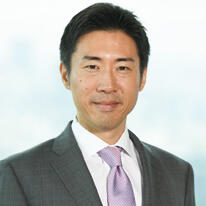
Portrait of Kenji Kushida

Kenji Kushida, Research Scholar, Shorenstein APARC Japan Program (Moderator)

Kenji E. Kushida is a Japan Program Research Scholar at the Walter H. Shorenstein Asia-Pacific Research Center and an affiliated researcher at the Berkeley Roundtable on the International Economy. Kushida’s research interests are in the fields of comparative politics, political economy, and information technology. He has four streams of academic research and publication: political economy issues surrounding information technology such as Cloud Computing; institutional and governance structures of Japan’s Fukushima nuclear disaster; political strategies of foreign multinational corporations in Japan; and Japan’s political economic transformation since the 1990s. Kushida has written two general audience books in Japanese, entitled Biculturalism and the Japanese: Beyond English Linguistic Capabilities (Chuko Shinsho, 2006) and International Schools, an Introduction (Fusosha, 2008). Kushida holds a PhD in political science from the University of California, Berkeley. He received his MA in East Asian studies and BAs in economics and East Asian studies, all from Stanford University.

Via Zoom Webinar. Register at https://bit.ly/3e1r7FZ

Akihisa Shiozaki, Nagashima Ohno & Tsunematsu
Harukata Takenka, National Graduate Institute for Policy Studies
Kenji Kushida, Shorenstein APARC Japan Program
Panel Discussions
Authors
News Type
News
Date
Paragraphs


A policy brief by the Stanford Institute for Economic Policy Research (SIEPR) by several of our faculty members.

By Maria Polyakova, Jason Andrews, Stephen Luby and Jeremy Goldhaber-Fiebert

Even as people follow the rules of social distancing during the coronavirus pandemic, many still ask how they can best keep themselves safe when it comes to grocery shopping or being in situations where others are clustered. Should I wear gloves? And what about masks? Once businesses reopen and people head back to stores and restaurants, will wearing a medical mask still offer a smart level of protection?

The United States, Austria and some other countries outside of Asia — where mask use is already much more common — are now starting to consider recommending or are already requiring that people wear medical masks in public.

But the World Health Organization still recommends against wearing medical masks as long as you’re feeling well. The big reasons, they’ve argued, is that masks are ineffective and may increase risk to those who wear them incorrectly.

That recommendation deserves reconsideration, especially as policymakers think about what steps can be taken to ensure public safety while allowing more economic activity to resume.

What the Evidence Shows

Empirical evidence from existing observational studies and randomized trials supports the effectiveness of medical masks in reducing transmission of respiratory infections in a variety of settings.

Most observational studies, particularly around the SARS outbreak, have found mask wearing protects against infection. The evidence from randomized trials has been more mixed.

Several trials, conducted in community and health care settings, showed that wearing masks — when combined with thorough handwashing — proved to protect against respiratory infections, while other trials found no benefits. In many of these studies, less than 50 percent of participants actually used the protective measures, so that if more people take up these measures in the face of the pandemic, the benefit may be larger than what was found in the trials.

The most comprehensive reviews of the literature on the effectiveness of masks for interruption or reduction of the respiratory virus spread were conducted by Jefferson et al. in a 2011 Cochrane report and MacIntyre and Chughtai’s 2015 overview of the evidence.

Both reviews concluded that existing research supports the notion that having people wear masks makes good sense. Even if it can’t be measured with absolute certainty how much masks alone are responsible for cutting infection rates, there is no evidence to suggest that wearing a mask is dangerous for one’s health.  Both reviews acknowledge that the design, sample size, and analyses of the underlying studies are frequently non-ideal, limiting definitive conclusions on effectiveness. Nevertheless, the balance of evidence suggests a benefit of mask use in community settings, including among those who aren’t feeling sick, especially when masks are deployed early with respect to exposures and used in conjunction with other measures.

Image
takeaways

What Policymakers Can Do

As recently pointed out by some scientists following COVID-19, WHO’s recommendation against the use of masks by healthy people in community settings is based on the interpretation of this existing body of research as providing no evidence for the effectiveness of mask use in the community. The Centers for Disease Control and Prevention had followed a similar interpretation in the U.S., though both it and the WHO recommend the use of masks for symptomatic patients and health care professionals as effective means of preventing transmission.

While the quality of evidence supporting the effectiveness of masks in health care settings is certainly better, the firm recommendation against masks in community settings appears incompatible with the available evidence.

The strength of the recommendations against wearing masks appear to stem from two additional concerns: that the public would wear masks incorrectly, undermining their effectiveness; and that wide-spread community use would exacerbate mask shortages for health care professionals.

The World Health Organization has indicated that wearing masks incorrectly can increase one’s risk of infection. But there is not sufficient evidence to support the notion that people could not wear masks effectively. Many masks are packaged with detailed instructions for how to use them. And online videos could easily be posted to teach people how to wear a mask correctly. The theoretical risk of increasing acquisition of infection, while frequently cited by authorities, does not seem to be supported by a finding of increased risk in any of the available studies.

Appeals to the public not to stockpile masks so as to keep them available for health care professionals have generally not been effective, with widely reported stock-outs and shortages despite such appeals. We speculate that such appeals failed because the general public did not find the argument that masks are ineffective in community settings to be credible.

Moreover, it is possible that initial (and ongoing at the time of this writing) WHO and CDC guidelines against the use of masks in the community by individuals without symptoms may have unintentionally decreased the required sense of urgency and commitment of private and public resources for addressing underlying mask shortages for the general population. The result is that acute shortages of masks undercut even existing CDC recommendations; many individuals who are ill or visiting a health care facility with suspected COVID-19 symptoms cannot obtain masks.

Revising recommendations for expanding the use of masks in public areas in the U.S. is justified by the evidence. And guidelines to wear masks as part of other public efforts — including social distancing — to control the spread of COVID-19 could help steer the production energy and resources of both private and public players to ensuring there are enough masks for everyone.

Supporting the Economy

We further speculate that deployment of masks in public areas may eventually help the economy with transitioning into the post-COVID world.

First, masks could prove to be a cost-effective way of trying to reduce re-emergence of the virus in the medium run, as epidemiologic models suggest that virus re-emergence may necessitate re-introduction of social distancing measures with some regularity over the course of next 12 to 18 months (Flaxman et al. 2020). But wearing masks could give some hope of removing the need to put the economy into the switch on, switch off mode — which would require many businesses to close, open, and close again on short notice

Second, once official restrictions on many forms of economic activity are lifted, it is very likely that consumers will be hesitant in returning to their pre-pandemic levels of consumption of goods and services outside of their homes. Consumers’ behavioral sentiments are crucial for charting course of economic activity, while prolonged uncertainty may be harmful for firms (Bloom 2009).

Having a mask and knowing how to use it may serve as an extra crutch to help with inevitable consumer anxiety.

Policy Brief References

Hero Image
gettyimages n95mask
Getty Images
All News button
1
News Type
Commentary
Date
Paragraphs

Jay Bhattacharya is a professor of medicine at Stanford Medicine and a core faculty member at Stanford Health Policy. His March 24, 2020, commentary in the Wall Street Journal questions the premise that “coronavirus would kill millions without shelter-in-place orders and quarantines.” In the article he suggests that “there’s little evidence to confirm that premise—and projections of the death toll could plausibly be orders of magnitude too high.”

In this edition of Uncommon Knowledge with Peter Robinson, the Murdoch Distinguished Policy Fellow at the Hoover Institution, Robinson asks  Bhattacharya to defend that statement and describe to us how he arrived at this conclusion. We get into the details of his research, which used data collected from hotspots around the world and his background as a doctor, a medical researcher, and an economist.


Hero Image
hoover
All News button
1
Authors
News Type
News
Date
Paragraphs

(This is excerpted from a story from The Mercury News.)

Long motorcades of volunteers converged at three Stanford University research sites this week, donating blood for a new test that identifies the prevalence of coronavirus in our community – and could help reveal the full scope of Santa Clara County’s epidemic.

The 2,500 test slots on Friday and Saturday filled up within hours, as news of the project — the first large scale study of its type in the U.S. — spread quickly through the county, according to this Mercury News story.

The test detects protective antibodies to the virus rather than the virus itself. This gives scientists a snapshot of how many people in the county have already been infected, but weren’t seriously sick and didn’t realize it. And it tells residents whether they carry potentially protective antibodies – so may be immune to future infection.

“This is critical information,” said principal investigator Eran Bendavid, an infectious disease specialist and associate professor of medicine with Stanford Health Policy. “We will show the country what to do and how to do it,” he said.

The project, coordinated with the Santa Clara County Department of Health, was applauded by Gov. Gavin Newsom during a Saturday press conference in Sacramento, who called it “the first home-grown serum test in the state of California.”

Read The Mercury News Story

Hero Image
gettyimages corona2
All News button
1
Subscribe to United States