-

The complex triangular relationship between China, Taiwan, and the United States has a long and storied history, and most recently, China’s meteoric economic rise has forced a reconsideration of positions by all parties involved. China is on target to become the largest world economy in terms of purchasing power parity within the next decade, and this explosive economic growth is coupled with military expansion that challenges the existing security circumstances in the region. These developments, in turn, have put Taiwan on a path towards economic dependence, international isolation, and security threats, and Beijing’s increasing leverage in Washington allows for yet further indirect influence on cross-Strait relations.

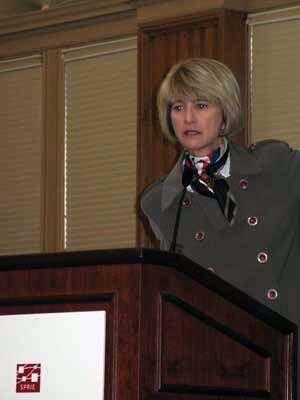
Dr. Yeong-kuang Ger will discuss the background surrounding these issues to provide a context for analysis on the future of this important triangular relationship, and will address in particular the policy moves made by all three parties in adjustment to this changing status quo, as well as the strategy of President Ma’s administration since his election in 2008. Dr. Ger will conclude with a discussion of the implications of these developments for the United States moving forward, with an emphasis on Taiwan’s geopolitical importance to the peace and prosperity of the region as a whole.

Dr. Yeong-kuang Ger is a Member of the Control Yuan of the Republic of China, and a Professor in the Department of Political Science and the Graduate Institute of National Development at National Taiwan University. Dr. Ger received his undergraduate degree from National Taiwan University, and his Ph.D. from the Department of Political Science at the University of Wisconsin-Madison. In 2009 he was awarded the Freedom Medal of Honor by the Philippine Council for World Freedom. 

In addition to his responsibilities with the Yuan and NTU, he acts as a Board Member of the American Association for Chinese Studies; and he is also a Member of the Review Committee, Center for Asian Studies, Chu Hai College in Hong Kong. Dr Ger has authored nine books and over 80 journal articles and conference papers on politics, culture, development and security in Taiwan and East Asia. His recent books include: Political Parties and Electoral Politics (2011); Security Challenges in the Asia Pacific Region: The Taiwan Factor with M.J. Vinod and S.Y. Surendra Kumar (2009); Ideology and Development: Dr. Sun Yat-sen’s Thoughts and Taiwan’s Developmental Experience (2005); and Party Politics and Democratic Development (2001).

Philippines Conference Room

Dr. Yeong-kuang Ger Member of the Control Yuan, Republic of China; Professor of Political Science, National Taiwan University Speaker
Conferences

Encina Commons Room 180,
615 Crothers Way,
Stanford, CA 94305-6006

(650) 736-0403 (650) 723-1919
0
LCY: Tan Lan Lee Professor
Professor, Health Policy
Professor Pediatrics (General Pediatrics)
jason_wang_profile_2019.jpg MD, PhD

C. Jason Wang, M.D., Ph.D. is a Professor of Pediatrics and Health Policy and director of the Center for Policy, Outcomes, and Prevention at Stanford University.  He received his B.S. from MIT, M.D. from Harvard, and Ph.D. in policy analysis from RAND.  After completing his pediatric residency training at UCSF, he worked in Greater China with McKinsey and Company, during which time he performed multiple studies in the Asian healthcare market. In 2000, he was recruited to serve as the project manager for the Taskforce on Reforming Taiwan's National Health Insurance System. His fellowship training in health services research included the Robert Wood Johnson Clinical Scholars Program and the National Research Service Award Fellowship at UCLA. Prior to coming to Stanford in 2011, he was an Assistant Professor of Pediatrics and Public Health (2006-2010) and Associate Professor (2010-2011) at Boston University and Boston Medical Center. 

Among his accomplishments, he was selected as the student speaker for Harvard Medical School Commencement (1996).  He received the Overseas Chinese Outstanding Achievement Medal (1996), the Robert Wood Johnson Physician Faculty Scholars Career Development Award (2007), the CIMIT Young Clinician Research Award for Transformative Innovation in Healthcare Research (2010), and the NIH Director’s New Innovator Award (2011). He was recently named a “Viewpoints” editor and a regular contributor for the Journal of the American Medical Association (JAMA).  He served as an external reviewer for the 2011 IOM Report “Child and Adolescent Health and Health Care Quality: Measuring What Matters” and as a reviewer for AHRQ study sections.

Dr. Wang has written two bestselling Chinese books published in Taiwan and co-authored an English book “Analysis of Healthcare Interventions that Change Patient Trajectories”.  His essay, "Time is Ripe for Increased U.S.-China Cooperation in Health," was selected as the first-place American essay in the 2003 A. Doak Barnett Memorial Essay Contest sponsored by the National Committee on United States-China Relations.

Currently he is the principal investigator on a number of quality improvement and quality assessment projects funded by the Robert Wood Johnson Foundation, the National Institutes of Health (USA), Health Resources and Services Administration (HRSA), and the Andrew T. Huang Medical Education Promotion Fund (Taiwan).

Dr. Wang’s research interests include: 1) developing tools for assessing and improving the quality of healthcare; 2) facilitating the use of innovative consumer technology in improving quality of care and health outcomes; 3) studying competency-based medical education curriculum, and 4) improving health systems performance.

Director, Center for Policy, Outcomes & Prevention (CPOP)
Co-Director, PCHA-UHA Research & Learning Collaborative
Co-Chair, Mobile Health & Other Technologies, Stanford Center for Population Health Sciences
Co-Director, Academic General Pediatrics Fellowship
News Type
News
Date
Paragraphs
Program to enhance global reach and innovation research at business school

We are thrilled to welcome SPRIE, a catalyst for cutting-edge knowledge in this space, and a natural fit for us.
- Garth Saloner, Dean of the Stanford Graduate School of Business

STANFORD GRADUATE SCHOOL OF BUSINESS — The Stanford Program on Regions of Innovation and Entrepreneurship has joined the Graduate School of Business, where it will expand and enhance the depth and reach of global content for the school's academic programs and research.

Peter Wegner, MONUMENT TO CHANGE AS IT CHANGES at Knight Management Center, Stanford Graduate School of Business
The Stanford Program on Regions of Innovation and Entrepreneurship (SPRIE) is focused on understanding the development and practice of innovation and entrepreneurship around the world. Current research focuses on the dynamics and sustainability of Silicon Valley and high-technology areas across Europe and Asia, including those in mainland China, Taiwan, Japan, India, Korea, and their collaboration and competition in the evolving global innovation network. Specific projects focus on "Silicon Valley Transforming," the rise and implications of China's internet industry ("China 2.0"), Japanese entrepreneurship ("STAJE"), and clean energy and urbanization ("Smart Green Cities").

SPRIE's core activities include global interdisciplinary research, seminars, and conferences, as well as publications and briefings for industry and government leaders. Upcoming events this month at Stanford include a panel discussion, "Re-examining the State of Japanese Entrepreneurship," on Sept. 21 and "China 2.0: Transforming Media and Commerce in China," SPRIE's third in a series of highly successful forums. Keynotes for "China 2.0" on Sept. 30 will include investors, entrepreneurs, and founders or CEOs of billion-dollar Chinese internet firms, including Jack Ma of Alibaba and Joe Chen, MBA '99, of RenRen.

"Innovation and entrepreneurship are hallmarks of the GSB experience," said Garth Saloner, dean of the Stanford Graduate School of Business. "We are thrilled to welcome SPRIE, a catalyst for cutting-edge knowledge in this space, and a natural fit for us. SPRIE complements and augments many of our existing efforts, including the Center for Entrepreneurial Studies and the Center for Global Business and the Economy."

Knight Management Center, Stanford Graduate School of Business
Previously housed at Stanford University's Freeman Spogli Institute for International Studies, SPRIE is led by faculty directors William F. Miller and Henry S. Rowen, as well as Associate Director Marguerite Gong Hancock. Miller, the former provost of Stanford University and the Herbert Hoover Professor of Public and Private Management, Emeritus, at the business school, is also a professor emeritus of computer science at the engineering school. He was CEO of SRI International, where he established a spin-out and commercialization program. Rowen is a senior fellow at the Hoover Institution and the Edward P. Rust Professor of Public Policy and Management, Emeritus, at the business school, as well as former president of the RAND Corporation. He is an expert on international security, economic development, and high-tech industries in the United States and Asia.

Hancock leads research initiatives, conferences, and publications on topics ranging from "China 2.0: The Rise of a Digital Superpower" to "Smart Green Cities." She is coeditor of books published by Stanford University Press: The Silicon Valley Edge (2000), Making IT: The Rise of Asia in High Tech (2006), and Greater China's Quest for Innovation (2008). Hancock also codirects SPRIE executive and policymaker training programs on leading innovation and entrepreneurial regions in the global economy.

"We are very pleased to join the Graduate School of Business and look forward to collaborating on international and interdisciplinary research and conferences relevant to business students, executives, and government leaders from around the world who are focused on leading innovation and creating value," said Miller.

SPRIE research focuses on the nexus of innovation and entrepreneurship in high-technology clusters, through questions such as:

  • What factors enable innovative and entrepreneurial regions to advance and be sustained? What divergent models and strategies are evident in emerging regions?
  • Why have some regions lagged, despite strong assets such as skilled workers or capital investments? What obstacles hinder a region's development?
  • How do the flows of ideas, technology, people, and capital define new global linkages? How do these shape the emerging global high-technology system?
  • With the rise of China, India, and other high-technology powerhouses, what new patterns of interaction are emerging among major players? How can companies and governments best respond to new critical challenges and opportunities?

For more information on research, executive programs, or events at SPRIE, contact Yan Mei at yanmei@stanford.edu or visit http://sprie.gsb.stanford.edu.


For More Information Contact: Barbara Buell, Director of Communications, Stanford Graduate School of Business at buell_barbara@gsb.stanford.edu or 650-723-1771.

For Comment: Marguerite Hancock, Associate Director, Stanford Program on Regions of Innovation and Entrepreneurship at the Graduate School of Business at mhancock@stanford.edu or 650-723-4588.

Hero Image
waystochange scenery
"Ways to Change", by Peter Wegner, hangs near the TA Associates Cafe at the Stanford Graduate School of Business.
Sterling Hancock
All News button
1
-

The decades-long political winter in the Arab world seemed to be thawing early this year as mass protests toppled Tunisian President Zine el-Abidine Ben Ali and Egyptian President Hosni Mubarak and it appeared that one Arab dictatorship after another might fall during the so-called Arab Spring. Analogies were quickly conjured to the collapse of dictatorships in Europe and Latin America in the 1970s; Korea, Taiwan, and the Philippines in the 1980s; and Eastern Europe and Sub-Saharan Africa in the 1990s—the transformative “third wave” of global democratization. Many scholars and activists reasonably imagined that a “fourth wave” had begun.  At this momentous inflection point, which may well define the future shape of the Arab world, the United States has never faced a more urgent set of opportunities and challenges there. Diamond will discuss the prospects for democratic development that exist alongside the very real risks of Islamist ascension, political chaos, and humanitarian disaster, and suggest principles and long-term strategic thinking the U.S. might employ to increase its legitimacy in the region.

Larry Diamond is a senior fellow at the Hoover Institution and at the Freeman Spogli Institute for International Studies, where he also directs the Center for Democracy, Development, and the Rule of Law. Diamond is co-editor of the Journal of Democracy and a senior consultant to the National Endowment for Democracy. Diamond served as a senior adviser on governance to the Coalition Provisional Authority in Baghdad and as an advisor to the Iraq Study Group.  Diamond, author of the Spirit of Democracy and several other works on democratic development, has also edited or co-edited some 36 books on democracy. A renowned teacher and mentor, Diamond, who teaches courses on comparative democratic development and post-conflict democracy building, was named “Teacher of the Year” by the Associated Students of Stanford University and received the prestigious Dinkelspiel Award for Distinctive Contributions to Undergraduate Education in 2007.

The Chicago Club
81 East Van Buren Street
Chicago, IL 60605

CDDRL
Stanford University
Encina Hall, C147
616 Jane Stanford Way
Stanford, CA 94305-6055

(650) 724-6448 (650) 723-1928
0
Mosbacher Senior Fellow in Global Democracy at the Freeman Spogli Institute for International Studies
William L. Clayton Senior Fellow at the Hoover Institution
Professor, by courtesy, of Political Science and Sociology
diamond_encina_hall.png MA, PhD

Larry Diamond is the William L. Clayton Senior Fellow at the Hoover Institution, the Mosbacher Senior Fellow in Global Democracy at the Freeman Spogli Institute for International Studies (FSI), and a Bass University Fellow in Undergraduate Education at Stanford University. He is also professor by courtesy of Political Science and Sociology at Stanford, where he lectures and teaches courses on democracy (including an online course on EdX). At the Hoover Institution, he co-leads the Project on Taiwan in the Indo-Pacific Region and participates in the Project on the U.S., China, and the World. At FSI, he is among the core faculty of the Center on Democracy, Development and the Rule of Law, which he directed for six and a half years. He leads FSI’s Israel Studies Program and is a member of the Program on Arab Reform and Development. He also co-leads the Global Digital Policy Incubator, based at FSI’s Cyber Policy Center. He served for 32 years as founding co-editor of the Journal of Democracy.

Diamond’s research focuses on global trends affecting freedom and democracy and on U.S. and international policies to defend and advance democracy. His book, Ill Winds: Saving Democracy from Russian Rage, Chinese Ambition, and American Complacency, analyzes the challenges confronting liberal democracy in the United States and around the world at this potential “hinge in history,” and offers an agenda for strengthening and defending democracy at home and abroad.  A paperback edition with a new preface was released by Penguin in April 2020. His other books include: In Search of Democracy (2016), The Spirit of Democracy (2008), Developing Democracy: Toward Consolidation (1999), Promoting Democracy in the 1990s (1995), and Class, Ethnicity, and Democracy in Nigeria (1989). He has edited or coedited more than fifty books, including China’s Influence and American Interests (2019, with Orville Schell), Silicon Triangle: The United States, China, Taiwan the Global Semiconductor Security (2023, with James O. Ellis Jr. and Orville Schell), and The Troubling State of India’s Democracy (2024, with Sumit Ganguly and Dinsha Mistree).

During 2002–03, Diamond served as a consultant to the US Agency for International Development (USAID) and was a contributing author of its report, Foreign Aid in the National Interest. He has advised and lectured to universities and think tanks around the world, and to the World Bank, the United Nations, the State Department, and other organizations dealing with governance and development. During the first three months of 2004, Diamond served as a senior adviser on governance to the Coalition Provisional Authority in Baghdad. His 2005 book, Squandered Victory: The American Occupation and the Bungled Effort to Bring Democracy to Iraq, was one of the first books to critically analyze America's postwar engagement in Iraq.

Among Diamond’s other edited books are Democracy in Decline?; Democratization and Authoritarianism in the Arab WorldWill China Democratize?; and Liberation Technology: Social Media and the Struggle for Democracy, all edited with Marc F. Plattner; and Politics and Culture in Contemporary Iran, with Abbas Milani. With Juan J. Linz and Seymour Martin Lipset, he edited the series, Democracy in Developing Countries, which helped to shape a new generation of comparative study of democratic development.

Download full-resolution headshot; photo credit: Rod Searcey.

Former Director of the Center on Democracy, Development and the Rule of Law
Faculty Chair, Jan Koum Israel Studies Program
Date Label
Larry Diamond Professor Speaker CDDRL, Stanford University
Conferences

Encina Hall, C147
616 Serra Street
Stanford, CA 94305-6055

0
CDDRL Postdoctoral Fellow, 2011-2012
matsuzaki.jpg PhD

Reo Matsuzaki is a postdoctoral fellow at Stanford University’s Center on Democracy, Development, and the Rule of Law. His research interests lie at the intersection of comparative politics and history of East Asia, with a focus on colonialism and its legacies. His current book project, based on several years of archival research in multiple countries, examines variation in institution-building outcomes within colonial occupations, particularly in the areas of police and education. At the heart of his investigation is a comparison of two historic cases of state-building—the Japanese occupation of Taiwan (1895-1945) and the U.S. occupation of the Philippines (1898-1942)—which resulted in contrasting state-building outcomes despite the existence of comparable starting conditions. Starting in January 2013, he will be an assistant professor of political science at Trinity College in Hartford, Connecticut.

CV
News Type
News
Date
Paragraphs

Phillip Lipscy, an assistant professor of political science and a center fellow at the Freeman Spogli Institute of International Studies, is currently conducting research on energy efficiency and financial crisis response. Here he discusses his recent research within the context of contemporary Japan, and comments on current social and political conditions in Japan after the March 2011 disaster.

What is the primary focus of your research right now?

One focus is on the politics of energy efficiency. I am exploring the question: Why do some countries, like Japan, pursue very aggressive efficiency measures, while others, like the United States, choose not to?  

I am also researching the politics of financial crisis response. My key research questions include: What political factors determine the speed and effectiveness of crisis response? When do countries act decisively? What policies are chosen and under what conditions?

In your recent research about energy-efficient policymaking, what are some of the cases and issues in Asia that you have explored?

Japan is a very important case. Its economy is one of the most energy efficient in the world based on measures such as energy intensity. There are a lot of questions, however, about whether any of that is due to policy measures.

I have been examining Japan’s transportation sector with Lee Schipper, a senior research engineer at Stanford’s Precourt Energy Efficiency Center, and our findings are counterintuitive. Most of Japan's relative advantage in transportation sector efficiency is not due to automobile fuel economy, which is what the Japanese government tends to play up. Instead, Japan is characterized by an abnormally high rail share and less total distance traveled. [A great loss to the Stanford community, Dr. Schipper recently passed away. More information is available here.]

What I show in my research is that Japan's efficiency achievements are closely tied to traditional pork barrel politics. High costs have been imposed on the general public—for example, through automobile taxes and highway tolls. The revenue from these measures was traditionally redistributed to key constituencies of the Liberal Democratic Party (LDP), namely rural residents and the construction industry.

This arrangement worked nicely for several decades, reducing energy consumption while also helping to keep the LDP in power. These arrangements, however, have become unsustainable with political changes since the 1990s, particularly the coming to power of the Democratic Party of Japan. These political changes have put Japan's energy efficiency policy in a state of flux. The current electoral system makes it more difficult to impose diffuse costs on the public—such as through gasoline or CO2 taxes—but there is no obvious alternative mechanism.

A young boy helps with clean-up efforts after the March 11 earthquake and tsunami. (Flickr/DJ Milky)

As far as you can speculate at this point, what impact do you think that the Fukushima nuclear disaster will have on Japan’s future energy policy?


Before the Fukushima disaster, Japan had planned to increase electricity generated by nuclear power to 50 percent by 2030. These plans are almost certainly going to be shelved. Prime Minister Naoto Kan recently announced plans to gradually move away from nuclear power in the coming years.

This discussion is not unique to Japan. Germany, Italy, and Switzerland have all recently announced anti-nuclear policies in response to Fukushima. On a recent trip to Taiwan, I found a similar discussion underway there. Taiwan, however, is very similar to Japan in terms of its high dependence on energy imports. This dependence creates a dilemma.

Japan's economy is already one of the most energy efficient in the world, making it more difficult to realize incremental energy savings through efficiency gains. Oil and natural gas are volatile and subject to geopolitical shocks. Renewables are not yet able to meet the kind of energy demand you have in a large economy like Japan. For the foreseeable future, less nuclear energy means higher costs and greater dependence on fossil fuels. That is going to have negative implications for energy security and climate change.

You recently returned from a trip to Japan. What is your perception of the way that everyday people are dealing with the triple disaster that took place in March? What is your assessment of the political situation?

The most remarkable thing is how quickly the Japanese people came together to support disaster victims and conserve energy. There was an outpouring of help, especially volunteer activities and financial contributions. People are taking energy conservation seriously, keeping air conditioning off even during the unbearably humid summer.

The situation at Fukushima was a big blow to the national psyche though. There have been some media reports overplaying the dangers of radiation, and people are deeply concerned about food safety.

Unfortunately, the political situation has been truly tragic. Even for a political scientist like myself, the inability of Japanese leaders to come together after the disaster is troubling. It took less than a month after the earthquake for bickering and squabbling to return full force. On a more positive note, local government leaders and some private sector actors have filled the void to some degree.

It was striking to find how much the Japanese private sector was stepping in to take over functions that we generally associate with government—things like disaster relief, provision of supplies, and screening food for radiation contamination.


A view of the floor of the Tokyo Stock Exchange. (Flickr/Stefan)

What publications are you currently working on?

I just finished a manuscript, co-authored with my former student Philippe de Koning, on how Japan's defense establishment has dealt with fiscal austerity over the past decade. Now that the United States and Europe are dealing with similar pressures to cut back defense spending, we wanted to see how Japan had managed. We found that Japan's defense planners have fared relatively well within the domestic budgetary process, but they are in an extremely tough situation. Without a major change in  policy, when the short-term coping measures being implemented today run  their course over the next decade, Japan will face a sharp reduction in its military capabilities.

In addition, I collaborated during the past academic year with Hirofumi Takinami, a Shorenstein APARC Visiting Fellow from Japan’s Ministry of Finance, to examine lessons from Japan’s financial crisis in the 1990s. We looked at the extent to which the United States took these lessons into account when it encountered its own economic downturn in 2008. We found that Japan's crisis influenced the U.S. response quite a bit, but there was some variation by policy area based on the degree of politicization. For example, in monetary policy, which is technocratic and politically insulated, the lessons from Japan were implemented quickly. It was slower for financial sector bailouts though, and especially so for fiscal policy.

In this coming academic year what are the courses that you will be teaching?

I will be teaching a graduate seminar on political economy, primarily intended for PhD students in political science, as well as an undergraduate course on the politics of financial crisis.

Hero Image
small japanoilrefinery flickrignatgorazd headliner2
All News button
1
Authors
Francis Fukuyama
News Type
Commentary
Date
Paragraphs
In the May-June edition of The American Interest, Francis Fukuyama traces the contemporary history of U.S. development policy and its failure to incorporate Huntingtonian-style theory, which emphasizes the interconnectedness of economy, politics, and society. Using Egypt as an example, Fukuyama calls for policymakers to break down their silos to more holistically examine and support democratic transitions.

While academic political science has not had much to tell policymakers of late, there is one book that stands out as being singularly relevant to the events currently unfolding in Tunisia, Egypt and other Middle Eastern countries: Samuel Huntington’s Political Order in Changing Societies, first published over forty years ago.1 Huntington was one of the last social scientists to try to understand the linkages between political, economic and social change in a comprehensive way, and the weakness of subsequent efforts to maintain this kind of large perspective is one reason we have such difficulties, intellectually and in policy terms, in keeping up with our contemporary world.

Huntington, observing the high levels of political instability plaguing countries in the developing world during the 1950s and 1960s, noted that increasing levels of economic and social development often led to coups, revolutions and military takeovers rather than a smooth transition to modern liberal democracy. The reason, he pointed out, was the gap that appeared between the hopes and expectations of newly mobilized, educated and economically empowered people on the one hand, and the existing political system, which did not offer them an institutionalized mechanism for political participation, on the other. He might have added that such poorly institutionalized regimes are also often subject to crony capitalism, which fails to provide jobs and incomes to the newly educated middle class. Attacks against the existing political order, he noted, are seldom driven by the poorest of the poor; they instead tend to be led by rising middle classes who are frustrated by the lack of political and economic opportunity—a phenomenon noted by Alexis de Tocqueville in his masterful analysis of the origins of the French Revolution and raised again in the early 1960s by James Davies’s well known “J-curve” theory of revolution.2

Something like this Huntingtonian process has unfolded in recent months in both Tunisia and Egypt. In both cases, anti-government protests were led not by the urban poor or by an Islamist underground, but by relatively well-educated middle-class young people used to communicating with each other via Facebook and Twitter. It is no accident that Wael Ghonim, Google’s regional head of marketing, emerged as a symbol and leader of the new Egypt. The protesters’ grievances centered around the fact that the authoritarian regimes of Ben Ali and Mubarak offered them no meaningful pathway to political participation, as well as failing to provide jobs befitting their social status. The protests were then joined by other groups in both societies—trade unionists, Islamists, peasants and virtually everyone else unhappy with the old regimes—but the driving force remained the more modern segments of Tunisian and Egyptian society.

Societies lacking institutions that could accommodate new social actors produced a condition Huntington labeled praetorianism, in which political participation took the form of strikes, demonstrations, protests and violence. The military often seized power in such circumstances because it was the only organized actor in society capable of running a government. The Egyptian Republic’s first autocrat, Gamal Abdel Nasser, came to power in precisely this manner back in July 1952, when his Free Officers movement represented the rising Egyptian middle class. The tragedy of modern Egypt is that there has been scarcely any meaningful political development in the more than half-century since then—meaning, in Huntington’s terms, the rise of modern institutions that could peacefully channel citizen participation.

Socioeconomic development, meanwhile, has proceeded apace: Between 1990–2010 Tunisia’s Human Development Index (a composite measure of health, education and income compiled by the UN) rose 30 percent, while Egypt’s rose 28 percent. Both countries produced tens of thousands of college graduates with no discernable future and a lopsided income distribution in which a disproportionate share of the gains from growth went to a small group of politically connected insiders. Huntington’s analysis of Egypt in the 1950s and 1960s thus remains eerily relevant today.

In Political Order Huntington was also making a broader point about the process of development itself. The significance of his book needs to be seen against the backdrop of post-World War II modernization theory, which in turn drew on classic 19th-century European social theory articulated by academics like Edward Shils, Talcott Parsons and Walt W. Rostow. American modernization theory argued that development was a single, seamless process. Economic development, changing social relationships like the breakdown of extended kinship groups and the growth of individualism, higher and more inclusive levels of education, normative shifts toward values like “achievement” and rationality, secularization and the growth of democratic political institutions, were all seen as an interdependent whole.

By pointing out that the good things of modernity did not necessarily go together, Huntington played a key role in killing off modernization theory. Political development was a separate process from socioeconomic development, he argued, and needed to be understood in its own terms. The conclusion that flowed from this point of view seemed at the time counterintuitive to the point of stunning: Without political development, the other aspects of modernization could lead to bad results—to tyranny, civil war and mass violence.

There were other reasons why Western modernization theory fell into disrepute by the 1970s: It came to be regarded as too Eurocentric—indeed, as too Americentric insofar as it seemed to posit American society as the pinnacle of modernization. It failed to recognize the possibility that countries like Japan and China might take roads to modernity that would look very different from the ones pioneered by Britain and the United States. But even if one agreed that the end point of development should be some form of industrialized liberal democracy, Huntington made it clear that arriving at the desired destination was far more elusive and complicated than modernization theorists believed.

The central piece of policy advice that emerged out of Huntington’s work was the concept of the “authoritarian transition.” If political systems opened up to democratic contestation too early, before the development of political parties, labor unions, professional associations and other organizations that could structure participation, the result could be chaotic. Authoritarian regimes that could maintain order and promote economic growth, Huntington argued, might oversee a more gradual institutionalization of society, and make a transition to democracy only when broad participation could be peacefully accommodated. This form of sequencing, in which economic development was promoted before a democratic opening, was the path followed by Asian countries like South Korea and Taiwan, which made democratic transitions in the late 1980s only after they had succeeded in turning themselves into industrialized powerhouses. It was also the development strategy recommended by Huntington’s former student Fareed Zakaria, as well as by the leaders of many authoritarian governments, who liked the idea of economic growth better than the idea of democratic participation.3 We will return to the question of how well that strategy worked in the Middle East later.

Development in Silos 

As interesting and important as Huntington’s work was, it lay outside of mainstream thinking about development, which from the start was a highly Balkanized academic field that was dominated by economists. Few scholars have sought to understand development as an inter-connected process with political, economic and social parts. Few scholars have sought to understand development as an inter-connected process with political, economic and social parts.Development economists looked primarily at economic factors like capital, labor and technology as sources of economic growth, and thought neither about the consequences of growth for politics nor the relationship of political institutions to growth. The Harrod-Domar growth model that was dominant in the 1950s suggested that less-developed countries were poor primarily because they lacked capital, which then led development agencies like the World Bank to try to kick start growth with generous infusions of capital for physical infrastructure. It was only when steel plants and shoe factories in sub-Saharan Africa went idle due to corruption or lack of organizational capacity that they were forced to go back to the drawing board.

The political scientists, for their part, scaled back their ambitions from large Huntingtonian-style theory and focused primarily on political phenomena. Beginning in the 1980s, there was increasing interest in the problem of transitions into and out of democracy; with democratic transitions in Spain, Portugal and nearly all of Latin America, this became a particularly pressing issue. There was some revival of interest in the democracy-development linkage, but it never led to a clear consensus on the causal links connecting the two phenomena.

The academic interest in transitions corresponded to the burgeoning of democracy promotion as a distinct field of international practice, both on the part of the United States and of other democracies around the world. The idea was planted during the 1970s, when the institutes linked with the German political parties played a key role in beating back an attempted Communist takeover in Portugal and facilitating that country’s transition to democracy. The 1980s saw the establishment of the National Endowment for Democracy (NED), a taxpayer-funded but quasi-independent organization devoted to support of pro-democracy groups around the world. One of the NED’s early successes was its funding of the Solidarity trade union in Poland before the collapse of communism. The 1990s saw the growth of a host of international organizations capable of monitoring elections and the funding of the Democracy and Governance branch of the U.S. Agency for International Development to the tune of almost $1.5 billion annually.

By the late 1990s, there was some degree of convergence in the agendas of economists and political scientists. By that point Douglass North and the school of “New Institutional Economics” he founded made economists aware of the importance of political institutions—particularly property rights—for economic growth. Economists increasingly sought to fold political variables like legal systems and checks on executive power into their models. Political science had itself been colonized at this point by economic methodology, and it was natural for such rational-choice political scientists to start looking at the economic impact of political institutions.

The return to a more interdisciplinary approach to development was marked as well by the tenure of James Wolfenson as President of the World Bank from 1995 to 2005.4 Wolfenson early on gave a speech on the “cancer of corruption” and signaled to the institution that, henceforth, political issues like corruption and good governance would be taken seriously. The publication of the 1997 World Development Report, The State in a Changing World, marked an intellectual break with the Washington Consensus focus on economic policy and state downsizing, and the Bank created a new branch devoted to reform of developing country public sectors. These changes constituted an open admission that politics was a critical component of development, and that the state was not simply an obstacle to growth but often a necessary underpinning for it. Increasingly, donor agencies have seen the promotion of democratic accountability as one tool in the fight against corruption.

This modest degree of convergence should not, however, obscure the continuing degree of compartmentalization that exists in the field of development. While paying lip service to the importance of institutions, most economists and field practitioners still see politics as at best an obstacle to the real work of development, which is improvement in incomes, health, education and the like, and not as an independent objective of development strategy. (Amartya Sen is an important exception to this generalization.) The democracy promotion agencies, for their part, spend relatively little time worrying about economic growth, social policy or public health, which in their view are goods often used by authoritarian regimes to buy off populations and prevent democratization.

The intellectual confusion surrounding development has led to severely Balkanized policies both in the United States and in the international community that often work at cross purposes from one another.The intellectual confusion surrounding development has led to severely Balkanized policies both in the United States and in the international community that often work at cross purposes from one another. For example, the authoritarian or semi-authoritarian regimes of Meles Zenawi in Ethiopia, Paul Kagame in Rwanda and Yoweri Museveni in Uganda have been aid darlings over the past decade because of their track records in promoting economic, health and social goals. At the same time, democracy promotion groups have been highly critical of them and have supported opposition groups and civil society organizations seeking accountability and limits on executive power. To be sure, aid agencies don’t object to greater government accountability on the part of these regimes, while the democracy promotion community wouldn’t stand in the way of progress on HIV/AIDS or malaria. Yet no one takes a larger view and asks, for example, whether existing aid programs are helping to keep the regime in power or, conversely, are destabilizing it.

Egypt itself presents a good case of this particular form of policy incoherence. Despite the fact that Egypt ranks as one of the top American aid recipients, it is hard to say that Washington was pursuing development goals of any sort there. The United States was primarily interested in stability. Despite brave speeches on democracy by both Condeleezza Rice and Barack Obama in Cairo, the United States actually pulled its punches in pushing serious democratic reform on Egypt, particularly after the Hamas electoral victory in Gaza in 2006. Nonetheless, U.S. economic aid programs were still pushing education and economic policy reform programs in the country. Had American aid administrators taken the Huntingtonian view that their assistance was covertly designed to promote an expectations gap and delegitimate Hosni Mubarak, this might have been a clever strategy. But no such cleverness existed. Instead, it was simply an example of compartmentalized aid programs doing their thing in ignorance of the interdependent effects of politics and economics.

What Is to Be Done?

Ideas precede action. Before we can hope to generate a coherent set of policies for Egypt, or anywhere else for that matter, we need a better understanding of development—that is, how changes in economy, politics and society over time constitute a set of discrete yet interlinked processes. Whatever the shortcomings of classic modernization theory, it at least began from the insight that the phenomenon under study required development of a master social science that transcended existing disciplinary boundaries. This objective is as far away as ever in academia, where the traditional disciplines keep a chokehold on how younger academics think and do research. Today, the single most popular form of development dissertation in both economics and political science is a randomized micro-experiment in which the graduate student goes out into the field and studies, at a local level, the impact of some intervention like the introduction of co-payments for malaria mosquito netting or changes in electoral rules on ethnic voting. These studies can be technically well designed, and they certainly have their place in evaluating projects at a micro level. But they do not aggregate upwards into anything that can tell us when a regime crosses the line into illegitimacy, or how economic growth is changing the class structure of a society. We are not, in other words, producing new Samuel Huntingtons, with the latter’s simultaneous breadth and depth of knowledge.

On a policy level, we need far more mutual understanding between those who promote socioeconomic development and those who work on democracy promotion and governance.On a policy level, we need far more mutual understanding between those who promote socioeconomic development and those who work on democracy promotion and governance. Traditional development agencies like USAID already think politically to the extent that their aid projects are designed to support U.S. foreign policy. But they, like their counterparts in multilateral organizations like the World Bank, are not trained to do political economy analysis; they do not seek an understanding of the political context within which aid is used and abused, and what is not sought is very rarely found. We call for the liberalization of ports in Haiti, for example, without trying to understand which particular politicians are benefiting from existing arrangements that keep them closed. For their part, democracy promoters focus on democratic transitions, providing help to opposition parties and civil society organizations in authoritarian countries. But once a transition occurs, as it did after the Orange and Rose revolutions in Ukraine and Georgia, they have relatively little to offer new democratic governments in terms of policy agendas, anti-corruption strategies or help in improving the delivery of services that citizens want.

Beyond these relatively minor adjustments, a more robust theory of social change might tell us that, in certain circumstances, the best way to destabilize an authoritarian society would be not the funding of civil society groups seeking short-term regime change, but rather the promotion of rapid economic growth and the expansion of educational access.5 Conversely, there are many societies we know will simply waste development assistance dollars because they are ruled by unaccountable authoritarian regimes. In such circumstances, it might be a more efficient use of aid resources to cut development aid entirely and to work only for political change. This is, in effect, what has happened to Zimbabwe under Robert Mugabe, but the country had to sink very far before anyone considered pulling the aid plug.

Huntington got a number of things wrong. The authoritarian transition was not a universally applicable formula for development. It worked reasonably well in East Asia, where there were a number of figures like Lee Kwan Yew, Park Chung-hee or the Chinese Communist Party leadership, who used their autocratic powers to promote rapid development and social change. Arab authoritarians were cut from a different cloth, content to preside over economically stagnant societies. The result was not a coherent development strategy but a wasted generation.

The aspiration of social science to replicate the predictability and formality of certain natural sciences is, in the end, a hopeless endeavor. Human societies, as Friedrich Hayek, Karl Popper and others understood, are far too complex to model at an aggregate level. Contemporary macroeconomics, despite dealing with social phenomena that are inherently quantified, is today in crisis due to its utter failure to anticipate the recent financial crisis.

The part of social change that is the hardest to understand in a positivistic way is the moral dimension—that is, the ideas that people carry around in their heads regarding legitimacy, justice, dignity and community. The current Arab uprising was triggered by the self-immolation of an overeducated 26-year-old Tunisian vegetable seller whose cart was repeatedly confiscated by the authorities. After Mohamed Bouazizi was slapped by a policewoman when he tried to complain, he reached the end of his tether. Bouazizi’s public suicide turned into a social movement because contemporary communications technologies facilitated the growth of a new social space where middle-class people could recognize and organize around their common interests. We will probably never understand, even in retrospect, why the dry tinder of outraged dignity suddenly ignited in this fashion in December 2010 as opposed to 2009, or ten years before that, and why the conflagration spread to some Arab countries but not to others. But we can certainly do a better job in putting together the few pieces we do understand, in a way that would be useful to policymakers coping with the reality of social change.

1Huntington, Political Order in Changing Societies: With a New Forward by Francis Fukuyama (Yale University Press, 2006).

2Davies, “Towards a Theory of Revolution”, American Sociological Review, Vol. 27 (1962).

3Zakaria, The Future of Freedom: Illiberal Democracy at Home and Abroad (W. W. Norton, 2003); see also Zakaria, “A Conversation with Lee Kuan Yew”, Foreign Affairs (March/April 1994).

4For a description of the Wolfenson presidency, see Sebastian Mallaby, The World’s Banker: A Story of Failed States, Financial Crises, and the Wealth and Poverty of Nations (Penguin Press, 2004).

5See Harold James’s retroview, entitled “Growing Pains”, of a classic December 1963 essay by Mancur Olson (“Rapid Growth as a Destabilizing Force”) in The American Interest (September/October 2006).

Hero Image
fukuyama headshot
All News button
1

Even though the last of the remaining aged survivors of the Second World War who fought and suffered through its horrors are now dying out, interpretations of what happened remain politically and morally contested. It is now an old story that West (but not East) Germany admitted the criminal nature of the Nazi regime, apologized, and incorporated recognition of what occurred into its school curriculum. Officially, Japan never has unambiguously done so and Japanese remain deeply divided over their wartime historical record, including its colonial rule in Asia.  

But the story is much more complicated than that because most of the West European countries occupied by Germany during the war only gradually and belatedly admitted that their many collaborators played a crucial role in helping the Germans carry out the Holocaust and fight their war. This was even more the case in East Europe, where many are still evasive about the widespread cooperation with the Nazis that occurred during those years. Poland had to be shocked by Jan Gross’s path-breaking book, Neighbors, before starting to come to grips with the reality of its anti-Semitism, and in many other parts of the region that has not really begun to take place, even now. And in East Asia, the successful channeling of nationalist passions against Japan by the Koreans and Chinese has allowed them to evade the records of their own numerous collaborators.

The importance of World War II memories goes well beyond arguments about guilt or innocence, or concerns about official obscurantism in school textbooks and public avoidance, even denial of the relevance of the topic. The reality is that people have their own version of what happened passed on in family lore, while leaders’ interpretations of their past continue to shape present policy choices. 

There has been much valuable scholarship on how both Europe and East Asia have approached issues related to World War II, but relatively little that directly compares the two areas. By bringing together a small group of the best analysts of the contentious twentieth century in both Europe and East Asia, we hope to deepen the comparative scholarship of how they have shaped their historical memory of the wartime past and how that legacy continues to shape current history in both regions. Each panel focuses on a key question and pairs specialists from Asian and European studies to address that same question.

This conference draws upon the three-year Divided Memories and Reconciliation project of the Walter H. Shorenstein Asia-Pacific Research Center. The papers presented here will be published as an edited volume by a major university press.

Oksenberg Conference Room

Conferences
Authors
Larry Diamond
News Type
Commentary
Date
Paragraphs
In a new piece published on the Foreign Affairs website, CDDRL Director Larry Diamond argues that the Arab Spring is witnessing a thawing and freezing across the region as anti-democratic forces threaten nascent democratic transformations.

The decades-long political winter in the Arab world seemed to be thawing early this year as mass protests toppled Tunisian President Zine el-Abidine Ben Ali in January and Egyptian President Hosni Mubarak in February. It appeared as though one rotten Arab dictatorship after another might fall during the so-called Arab Spring. Analogies were quickly conjured to 1989, when another frozen political space, Eastern Europe, saw one dictatorship after another collapse. A similar wave of democratic transitions in the Arab world was finally possible to imagine, particularly given the extent to which previous transformations had been regional in scope: Portugal, Spain, and Greece all democratized in the mid-1970s; much of Latin America did shortly thereafter; Korea and Taiwan quickly followed the Philippines’ political opening in 1986; and then a wave of change in sub-Saharan Africa began in 1990. All of those were part of the transformative “third wave” of global democratization. In March, many scholars and activists reasonably imagined that a “fourth wave” had begun. 

Two months later, however, a late spring freeze has seemingly hit some areas of the region. And it could be a protracted one. Certainly, each previous regional wave of democratic change had to contend with authoritarian hard-liners, opposition divisions, and divergent national trends. But most of the Arab political openings are closing faster and more harshly than happened in other regions -- save for the former Soviet Union, where most new democratic regimes quickly drifted back toward autocracy.

If Tunisia still provides grounds for cautious optimism, the Egyptian situation is already deeply worrying. Its senior officer corps, which currently controls the government, does not want to facilitate a genuine democratic transition. It will try to prevent it by generating conditions on the ground that discredit democracy and make Egyptians (and U.S. policymakers) beg for a strong hand again. The ruling officers have turned a blind eye to mounting religious and sectarian strife (and an alarming explosion in crime). The military has spent enormous effort arresting thousands of peaceful protesters in Tahrir Square and trying them in military tribunals over the last two months. (In April, one such detainee, a blogger named Maikel Nabil, was sentenced to three years in prison for “insulting the military establishment.”) Yet it claims that it cannot rein in rising insecurity. Many Egyptians see this as part of the military’s grand design to undermine democracy before it takes hold.

The parliamentary elections slated for September are unlikely to help: New political forces have no chance of being able to build competitive party and campaign structures in time. The Muslim Brotherhood, which initially said it would only contest a third of the parliamentary seats, has now announced its intention to contest half of all seats, forming a new political party (Freedom and Justice) for the purpose. If the electoral system retains its highly majoritarian nature, it might well win a thumping majority of the seats it contests (perhaps 40 percent in all), with most of the rest going to local power brokers and former stalwarts of the Mubarak-era ruling party, the National Democratic Party.

Both theory and political experience teach that regimes with spent legitimacy do not last, and the legitimacy of the Libyan, Syrian, and Yemeni dictators is utterly depleted.

Elsewhere in the region, Bahrain’s minority Sunni monarchy opted to crush peaceful protests and arrest and torture many of those with whom it might have negotiated some future power-sharing deal. With active Iranian support and a bizarre degree of American and Israeli acceptance, Syrian President Bashar al-Assad unleashed a slow-motion massacre that could go on for weeks or even months. In Yemen, the government is paralyzed, food prices are rising, and the country is drifting. Having seen the fate of Mubarak, Yemeni President Ali Abdullah Saleh is playing for time, but his legitimacy is irretrievably drained, and he lacks the ability to mobilize repressive force on the scale of Assad’s.

Of course, not every country in the region has been affected by the apparent freeze and some could still avoid it. Jordan and Morocco are not yet in crisis but could be soon. Both countries face the same conditions that brought down seemingly secure autocracies in Tunisia and Egypt -- mounting frustration with corruption, joblessness, social injustice, and closed political systems. Not yet facing mass protests, Jordan’s King Abdullah is in a position to lead a measured process of democratic reform from above to revise electoral laws, rein in corruption, and grant considerably more freedom. Yet there is little sign that he has the vision or political self-confidence to modernize his country in this way.

Morocco’s King Mohammed VI is still domestically revered and internationally cited as a reformer, but he is even weaker and more feckless than Abdullah. He has been unwilling to rein in the deeply venal interests that surround the monarchy, or ease the country’s extraordinary concentration of wealth and business ownership. Instead, his security forces, narrow circle of royal friends, and oligopolistic business cronies fend off demands for accountability and reform, further isolate the king, and aggravate the political storm that is gathering beneath a comparatively calm surface.

For now, both monarchies are treading familiar water: launching committees to study political reform but never moving toward real political change. This game cannot last forever. As a former Jordanian official recently commented to me privately: “Everyone is expecting serious changes to the way the king rules the country, and if these changes don’t happen, the system will be in trouble. The king can’t keep talking about reform without implementing it.”

Scholars of the Arab world had been arguing for years that the region’s various repressive regimes (not least Saudi Arabia’s Al Saud dynasty, which keeps several thousand princes on the take) would either pursue democratic reform, or rot internally until they were overthrown. Ultimately, the options remain the same for the regimes that have avoided revolution this year. Those who have reasserted authoritarianism will find only temporary reprieve. Both theory and political experience teach that regimes with spent legitimacy do not last, and the legitimacy of the Libyan, Syrian, and Yemeni dictators is utterly depleted. They will surely be overthrown if not now, then in coming years. The Jordanian and Moroccan monarchies, however, could still survive if they spend what remains of their political legitimacy on democratic reform. In other words, even if the Arab spring comes in fits and starts, it will eventually bring fundamental political change. But whether democracy is the end result depends in part on how events unfold and how regimes and international actors engage the opposition forces.

Short of the wars that have periodically broken out in the region, the United States has never faced a more urgent set of opportunities and challenges there: real prospects for democratic development exist alongside the very real risks of Islamist ascension, political chaos, and humanitarian disaster. Countries across the Arab world differ widely in their political structures and social conditions, and the United States cannot pursue a one-size-fits-all strategy. But there are a few basic principles that it should apply everywhere. As it has generally and in a number of specific cases, the Obama administration must explicitly and consistently denounce all violent repression of peaceful protest. And it should enhance the credibility of those words by tying them to consequences. For example, in Libya, the United States identified and froze the overseas assets of top officials who were responsible for brutality. Additionally, it imposed travel bans on them and their family members, and asked Europe to do the same. In the past few days, the Obama administration has also moved to freeze the personal assets of Assad and other top Syrian officials. In extreme cases -- Libya is one, and Syria has now become another -- the United States can press the United Nations Security Council to refer individuals to the International Criminal Court for crimes against humanity.

When Arab governments turn arms against peaceful protesters, the United States and Europe should stop supplying them with weapons. Western countries have been selling (or giving) regimes, such as Saleh’s in Yemen, the tools of repression, including tear gas, ammunition, sniper rifles, close-assault weapons, and rockets and tanks. Although Saleh may have been a valuable asset in the fight against terrorism at one time, he has become a liability. By ending such trade, the United States would firmly send the message to the leaders of Bahrain (another recipient) and Yemen that if they are going to violently assault and arbitrarily arrest peaceful demonstrators for democracy, they are at least not going to continue doing so with U.S. guns.

For now, there is an urgent need for mediation to break the impasse between rulers and their oppositions and to find ways to ease the region’s remaining dictators out of power. Recognizing the need for an active UN role during the Arab uprising, UN Secretary-General Ban Ki-moon has begun to dispatch experienced and talented UN staff to engage in dialogue with different groups in Yemen and elsewhere. These diplomats can help develop possible political accommodations with the protesters. The United States should encourage the UN to try to mediate these conflicts, reconcile deeply divided forces within political oppositions, and help governments pave the way for credible elections. Because it is more neutral, the UN is the international actor best suited to mediate as well as convene experts on institutional design and help supply technical support for drafting constitutions.

American diplomats will have their own role to play: They can channel financial and programmatic support and provide another venue for different actors to meet and discuss differences. They should also speak out for human rights, civil society, and the democratic process. Such expressions of moral and practical support have made a significant difference in transitional situations in other countries, such as Chile, the Philippines, Poland, and South Africa. The Arab world has its own distinct sensitivities, but the ongoing uprisings present an unusual opportunity for U.S. ambassadors to join with representatives of other democracies to lean on Arab autocrats and aid Arab democrats.

The United States should help Arab democrats get the training and financial assistance they need to survive while urging them to cooperate with one another. This does not just mean more grants to civil society organizations. There is, of course, a need for such funding, but too much U.S. money thrown at these groups will discredit them as “American pawns” or promote corruption. Aid should be pooled among multiple donors, provide core (rather than project-related) funding for organizations with a proven track record of advancing democratic change, and must be carefully monitored to ensure that it is being used effectively.Western countries have been selling (or giving) regimes, such as Saleh’s in Yemen, the tools of repression, including tear gas, ammunition, sniper rifles, close-assault weapons, and rockets and tanks.

Finally, given its enormous demographic weight and political influence in the Arab world, as Egypt goes, so will go the region. Engaging Egypt will prove vital to any larger strategy of fostering democratic change in the Arab world. Beyond aid and vigilant monitoring of the political process, the United States must deliver a clear message to the Egyptian military that it will not support a deliberate sabotage of the democratic process, and that a reversion to authoritarianism would have serious consequences for the U.S.-Egyptian bilateral relationship, including for future flows of U.S. military aid. The United States cannot allow the Egyptian military to play the cynical double game that the Pakistani military has, or Egypt may become another Pakistan in two senses: an overbearing military may hide behind the façade of democracy to run the country, and the military may consort with our friends one day and our enemies -- radical Islamists within Egypt and Hamas outside it -- the next, to show it cannot be taken for granted.

This period of change in the Arab world will not be short or neatly circumscribed. Not a continuous thaw or freeze, the coming years will see cycles -- ups and downs in a protracted struggle to define the future political shape of the Arab world. The stakes for the United States are enormous. And the need for steady principles, clear understanding, and long-term strategic thinking has never been more pressing.

All News button
1
Subscribe to Taiwan