Authors
News Type
News
Date
Paragraphs

This interview first appeared in the Brazilian newspaper Folha de S.Paolo, on April 6. The following English version was generated using machine translation and subsequently edited for accuracy and clarity.


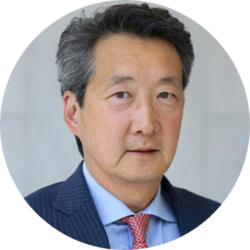
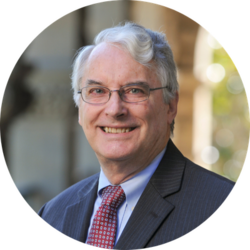
WASHINGTON — The tariff hike against all countries announced last week by President Donald Trump may bolster China's image, but that doesn't mean China or any other country is poised to replace the United States, says Thomas Fingar, Shorenstein APARC Fellow at the Freeman Spogli Institute at Stanford University.

Fingar, a former chief of the State Department's China Division, among other roles in the U.S. Foreign Service and national intelligence, believes that Trump's tariffs will be bad for all nations.

"I hesitate to predict how other countries will react, except that this has more or less given everyone an incentive to bypass the U.S.," he tells Folha.

Donald Trump announced tariffs this week against virtually every country. China has already announced retaliation, imposing a 34% tariff on American products. Are we facing a trade war?

I don't think the war metaphor works for me. I don't know what Trump is trying to do. One could say that this is a game of imposing an outrageous tariff in the hope that specific targets, which are basically all countries, might give in to what they say are their demands. In doing so, they would reduce barriers to trade with the United States. To me, it doesn't make sense with the vast majority of targets of the 10% tariffs.

Why?

I hesitate to predict how other countries will react, except that this has more or less given everyone an incentive to bypass the U.S., to make the U.S. a supplier of last resort, to hold the line, to have a kind of united front to compete with each other.

If the assessment is that the Dutch or the French or the Germans or the Brazilians or somebody else is talking about doing something to eliminate a 10% tariff to gain a comparative advantage in accessing the U.S. market, if that's the logic, then fine. Maybe there's something rational about that, but I think it's more likely that the targets of those low tariffs are just getting together.

My main trade competitor has the same or higher tariffs levied against them. Why should I give in if we are competing on a level playing field?

I think Trump is going to make the U.S. pay a huge geopolitical price. But what he thinks he will gain from this, I don't know. Is it likely that he will achieve anything really significant from it? I doubt it.

You mentioned a geopolitical price tag for the United States. What would it be?

The tendency of much of the world, most of the time, was to try to work with the United States, to the extent that they couldn't automatically do what Washington wanted, but they were inclined to cooperate because they saw it as benign, if not beneficial, to their interests. I think Trump has reversed that. This is going to lead to a disinclination to work with us, an incentive to try to bypass us. I think the inclination now is going to be: I'm not going to vote with the Americans, I'm going to look elsewhere first, for my investment, for my capital, for the market, for what I'm doing, for partners.

But I don't think that these measures are necessarily going to play in favor of any particular country. Maybe China in some places, the European Union in some places, Japan in some places. It's going to be a very different environment for the United States, for American companies and diplomats to operate in. It's going to be much more difficult.

This tariff strategy that you say is hard to understand is seen by some analysts as part of Trump's isolationist policy.

As my kids would say, this is so last century. This is really 19th century, the idea of bringing industries, manufacturing back to the United States. Very little manufacturing, I think, is going to come back to the United States. We have 4% unemployment. We can't fill the jobs that we have now, imagine bringing back manufacturing of basic commodities like shoes, toys, that kind of thing.

That left the United States a long time ago and went to Japan, moved from Japan to Taiwan, moved from Taiwan to South Korea, moved from South Korea to somewhere else, and then moved to China and then to Vietnam. Those things are not coming back here because there's not enough profitability to justify investing in robots and mechanizing those things to bring them back to the United States. Our workforce is small relative to the size of the economy. It's not coming back.

It's already moving from China because labor costs are so high. The fallacy in Trump's logic is that things like furniture, construction, textiles, clothing, and manufacturing would come back. And the people who would actually do the work are the people he's persecuting with his ridiculous immigration policies.

Trump has argued that he imposed the tariffs to curb alleged abuses against the United States that would benefit China. Is he containing Beijing with this move?

I don't think he really cares about containing China. But the answer is no. These moves boost China's image. Beijing has seized on the rhetoric of defending the open, globalized international trading order that the United States has attacked. They will take advantage of that as much as they can. I don't think the tariffs are part of the U.S. rivalry with China. China's rise has not disadvantaged the United States economically — it has done so to Japan, and, to some extent, South Korea and Taiwan, but not the United States. So Trump is using this argument with false, exaggerated, and distorted statements.

Could we witness a change in the world order, the end of the American era and the beginning of a Chinese era?

No.

Not even as a consequence of tariffs?

Absolutely not. Part of the problem is that China's economy is closed. One of the reasons is that it doesn't have a consumer society because people don't have enough income. That's because of the amount of wealth that the state extracts to pay for high-speed rail, military structures, and energy development. Some of that is good, some of it is excess.

U.S. tariffs won’t create a market that can rival the size and influence of the United States. It would have to be somewhere else that is very rich, and China is not very rich. China is barely in the middle-income category, it has a per capita income at a level that Mexico has been at for decades. It's not binary. So, the U.S. retreat from its leadership position in the world order, which I don't necessarily see as a bad thing, doesn't automatically hand that role over to China, Russia, the European Union, Japan, Brazil, the BRICS, or any other set of players.

Can China gain ground by investing more in countries that are affected by tariffs?

China has invested more in countries that are affected by tariffs, like Indonesia and Vietnam. These countries are very wary of Chinese investment for various historical reasons, and to some extent for ethnic reasons. But China is actually cutting back on its overseas investments because its own population is asking: Why are we giving money to countries that are richer than us? That is a reasonable question.

They have real problems meeting the expectations, demands, and needs of their own population, which is now largely urban. The cities have to function, you can't say, "Go back to the farm and do sustainable agriculture." That phase is long gone in China. So they have to spend more. Half of the population still has rural identity cards. That means they don't get free education beyond primary school. That means 50% of the future workforce won't have more than a primary school education. This is a country with enormous challenges. Can they manage them? Probably yes, but there is not much room for maneuver. Their own slowing economy will be hurt by these tariffs. I don't think that's Trump's intention, but it will hurt them.

What impact might the tariffs have on Brazil and Latin America? Do you think China will become more attractive?

I don't know specific commodities from specific places, but my general starting point is that a 10% distribution across Latin America won't have much of an impact on the price for consumers in those countries. You'll export the same amount; we'll pay more for whatever the commodity is, flowers from Colombia, grapes, wine from Argentina or Chile. Since the tariff is general, it doesn't give Chile an advantage on wine over Argentina, because they both have the same amount. Most of what Latin America exports to the United States doesn't go to China.

In short, what are the main consequences of tariffs in terms of the geopolitical landscape and the domestic landscape?

It destabilizes the international trading system that has benefited most countries for a long time. It will force adjustments, that is number one. And number two is that it undermines the image of the United States, and therefore its influence as a stabilizing, predictable, and broadly beneficial member of the international community. It disrupts economies and undermines American influence and attractiveness.

In the end, does anyone benefit from Trump's tariff policies?

No one. This is not a policy that works to anyone's obvious benefit. It upsets everyone. And there is no alternative to the United States, in the sense that the Soviet Union was during the Cold War. China is not that, and China does not want to be that.

Read More

American flag and network imagery
Commentary

US Research in Retreat?

Zealous measures to defend against foreign exploitation of university-based research would be inadequate to preserve US preeminence in science and technology without much greater effort to strengthen US capabilities.
US Research in Retreat?
A collage of group photos featuring speakers at the Taiwan Forward conference.
News

Stanford Conference in Taipei Ponders Taiwan’s Path Forward in a Changing World

At its first convening in Taiwan, APARC’s Taiwan Program gathered scholars and industry experts to consider policy measures and practices for tackling the technological, economic, social, and demographic forces shaping the island nation’s future and strategies for ensuring its continued growth and success.
Stanford Conference in Taipei Ponders Taiwan’s Path Forward in a Changing World
Oksenberg Symposium panelists (L to R) Jean C Oi, Alex Gabuev, Sumit Ganguly, Da Wei, Michael McFaul
News

Oksenberg Symposium Panelists Analyze Evolving Strategic Dynamics Between China, Russia, India, and the United States

APARC's 2025 Oksenberg Symposium explored how shifting political, economic, and social conditions in China, Russia, India, and the United States are reshaping their strategies and relationships. The discussion highlighted key issues such as military and economic disparities, the shifting balance of power, and the implications of these changes for global stability, especially in the Indo-Pacific region.
Oksenberg Symposium Panelists Analyze Evolving Strategic Dynamics Between China, Russia, India, and the United States
Hero Image
U.S. President Donald Trump holds up a chart of "reciprocal tariffs" while speaking
U.S. President Donald Trump holds up a chart of "reciprocal tariffs" while speaking during a “Make America Wealthy Again” trade announcement event in the Rose Garden at the White House on April 2, 2025 in Washington, DC.
Photo by Chip Somodevilla/Getty Images
All News button
1
Subtitle

President Trump's tariff policy will serve no one's interests, says Thomas Fingar, a Shorenstein APARC Fellow at Stanford University's Freeman Spogli Institute for International Studies.

Date Label
-
Fellowships for Research in Japan Digital flyer with Sakura Cherry Blossoms


Japan Society for the Promotion of Science (JSPS) is the largest funding agency for academic research in Japan. Fellowships are offered for graduate students, Ph.D. students, post-doctoral fellows, researchers, and professors at all levels in all fields. If you are interested in researching in Japan, join us for a hybrid information session with JSPS SFO staff to find out more. 

Featuring Prof. Kiyoteru Tsutsui, director of the Japan Program at APARC and center deputy director.

JSPS SFO will be hosting a giveaway and providing lunch! 

If you have any questions, you can reach JSPS SFO at: (510) 665-1890 or sfo-fellowship@overseas.jsps.go.jp

Kiyoteru Tsutsui

Philippines Conference Room

Encina Hall 3rd Floor
616 Jane Stanford Way, Stanford CA 94305

Seminars
Date Label
Authors
News Type
Blogs
Date
Paragraphs

The following is a guest article written by Geunhyung Kim, a student from South Korea studying at the Graduate School of Asia-Pacific Studies at Waseda University in Japan. Geunhyung enrolled in the 2025 SPICE/Stanford–Waseda Intensive Course: Exploring Peace in East Asia and Beyond Through the Lenses of Cultural Understanding, Education, and International Relations, which was organized by SPICE and Waseda’s Faculty of Social Sciences and taught by Meiko Kotani. The course brought together students from the Graduate School of Social Sciences, the School of Social Sciences, the Graduate School of Asia-Pacific Studies, the School of International Liberal Studies, and the School of Political Science and Economics. With participants from Japan and international students representing 10 different countries, the course created a truly dynamic and diverse learning environment.

This March, I had the privilege of participating in the 2025 SPICE/Stanford–Waseda Intensive Course on “Exploring Peace in East Asia and Beyond Through the Lenses of Cultural Understanding, Education, and International Relations.” It featured insightful lectures from esteemed professors and a former U.S. Ambassador, focusing on cultural understanding, history, and international relations in the Asia-Pacific region.

A key takeaway from the course that will forever resonate with me is the importance of thinking critically and respecting diverse perspectives. Dr. Gary Mukai’s opening lecture laid a foundational understanding of cultural biases and stereotypes, emphasizing the potential harm of psychological mechanisms that simplify complex entities. He highlighted the crucial need for recognizing and overcoming our own cultural biases. In another session, Mr. Rylan Sekiguchi led an exercise where we compared history textbooks from the United States, South Korea, Japan, China, and Taiwan. This activity underscored the significance of critical thinking and demonstrated why historical education is essential. It illustrated how nations, like individuals, possess unique perspectives shaped by distinct histories and experiences. The central challenge we discussed was not the presence of diverse viewpoints per se, but rather how to constructively engage with these differences to foster regional peace. Dr. Shuoyang Meng’s lecture on knowledge diplomacy and transnational academic mobility further inspired me as a student in higher education to act as a knowledge diplomat for peacebuilding. Ambassador Karl Eikenberry’s insights on the evolving U.S.–China security dynamics and broader security issues in the Asia-Pacific region highlighted the necessity of strategic empathy in international relations.

Image
students working in a group in a classroom


The most remarkable feature of the 2025 SPICE/Stanford–Waseda Intensive Course was undoubtedly its interactive environment. The program did a great job of bringing together students from diverse cultural backgrounds, including China, Japan, and South Korea, and succeeded in creating a genuinely safe and welcoming space for open discussions on sensitive historical issues. This atmosphere of openness was instrumental in building trust and fostering a deeper understanding among students. This may seem small, but I believe the experience of participating in such a diverse and collaborative setting has profoundly enriched our understanding of international relations and conflict resolution.

Initially, I was a little skeptical and curious about the feasibility of discussing sustainable peace in East Asia, considering the region’s complex history of tensions and territorial disputes. However, SPICE exceeded expectations by providing a thought-provoking and safe platform for these critical discussions.

I would recommend this course to my peers, as it broadens perspectives and equips future leaders with essential skills for meaningful dialogue on peace and cooperation in East Asia and beyond.

To stay informed of SPICE news, join our email list and follow us on FacebookX, and Instagram.

Read More

Tamaki Hoshi in front of Okuma Auditorium, Waseda University
Blogs

Reflecting Inward, Failing Forward and Innovating Onward

Graduate student Tamaki Hoshi shares reflections on the SPICE-Waseda joint course.
Reflecting Inward, Failing Forward and Innovating Onward
Meiko Kotani with students at Waseda University's School of Social Sciences and Moe Kaneko
Blogs

SPICE Offers Course in Collaboration with Waseda University’s School of Social Sciences

Reflections on an intensive course on sustainable business and social innovation.
SPICE Offers Course in Collaboration with Waseda University’s School of Social Sciences
Hero Image
a student standing in front of a sign
Geunhyung Kim at the Waseda University campus
Photo Credit: Geunhyung Kim
All News button
1
Subtitle

Graduate student Geunhyung Kim reflects on her experience participating in the SPICE/Stanford-Waseda intensive course.

Date Label
Authors
Waka Takahashi Brown
Meiko Kotani
News Type
News
Date
Paragraphs

Stanford e-Japan is an online course that teaches Japanese high school students about U.S. society and culture and U.S.–Japan relations. The course introduces students to both U.S. and Japanese perspectives on many historical and contemporary issues. It is offered biannually by the Stanford Program on International and Cross-Cultural Education (SPICE). Stanford e-Japan is currently supported by the Yanai Tadashi Foundation.

In August 2025, the top honorees of the Spring 2024 and the Fall 2024 Stanford e-Japan courses will be honored through an event at Stanford University. SPICE is most grateful to Mr. Tadashi Yanai and the Yanai Foundation for making Stanford e-Japan, including the ceremony in August 2025, possible.

The three Spring 2024 honorees—Aoi Furutani (Saitama Municipal Urawa High School), Komari Machida (Crimson Global Academy), and Sota Tajima (Seiko Gakuin High School)—were selected as the award winners for their coursework and exceptional research essays that focused respectively on “Comparative Analysis of Surrogacy Policies in the United States and Japan: Proposals for Introducing Surrogacy in Japan,” “Futoukou vs. Homeschooling: Exploring Societal Reintegration of Children Outside of Traditional School Systems in Japan and the United States,” and “Synergy in the Stars: How the U.S. and Japan Can Lead the Next Era of Space.”

Ryu Sato (Soka Senior High School) received an honorable mention for his research paper on “Japanese and American Philanthropic Culture in Regard to College Financial Aid.” Sakura Suzuki (Hokkaido Asahikawa Higashi High School) also received an honorable mention for her paper on “Designing School Buildings to Encourage Student Creativity: Comparing Historical Changes in School Buildings in Japan and the United States.”

The three Fall 2024 honorees—Ellen Nema (Junior and Senior High School Affiliated to Showa Pharmaceutical University), Hirotaka Onishi (Kaisei Gakuen High School), and Mia Yakushiji (Murasakino Municipal High School)—will be recognized for their coursework and exceptional research essays that focused respectively on “Breaking the Chain of Poverty in Okinawa: Educational Approaches and Foundations,” “A Time for Reconsideration: Toward a New International Monetary Order,” and “Dual Citizenship in Japan.”

Lynne Mizushima (Keio Shonan Fujisawa Junior & Senior High School) and Kan Sugimi (Isahaya High School) each received an honorable mention for their coursework and research papers on “The Lack of Female Political Leaders in Japan: A Cultural Glass Ceiling” and “Should Bilingual Parents in the U.S. Raise Bilingual Children?”

In the Spring 2024 session of Stanford e-Japan, students from the following schools completed the course: Akita High School (Akita); Chiba Prefectural Kashiwa High School (Chiba); Crimson Global Academy (Tokyo); Doshisha International High School (Kyoto); Hiroshima Global Academy (Hiroshima); Hiroshima International School (Hiroshima); Hokkaido Asahikawa Higashi High School (Hokkaido); Ikeda Senior High School Attached to Osaka Kyoiku University (Osaka); Kadokawa S High School (Ibaraki); Kanazawa University Senior High School (Ishikawa); Keio Shonan Fujisawa Junior & Senior High School (Kanagawa); Kindai University Toyooka Junior and Senior High School (Hyogo); Kyoto Municipal Saikyo Senior High School (Kyoto); La Salle High School (Kagoshima); Matsumoto Fukashi High School (Nagano); Okayama Prefectural Tsuyama Senior High School (Okayama); Saitama Municipal Urawa High School (Saitama); Seiko Gakuin High School (Kanagawa); Senior High School at Komaba, University of Tsukuba (Tokyo); Senior High School at Otsuka, University of Tsukuba (Tokyo); Shibuya Kyoiku Gakuen Shibuya Junior and Senior High School (Tokyo); Soka Senior High School (Tokyo); Tajiminishi High School (Gifu); Tokyo Gakugei University International Secondary School (Tokyo); Tokyo Jogakkan High School (Tokyo); Tokyo Metropolitan Kokusai High School (Tokyo); Tsuchiura Nihon University High School (Ibaraki); and Yokohama International School (Kanagawa).

In the Fall 2024 session of Stanford e-Japan, students from the following schools completed the course: Daiichi High School (Kumamoto); Hachinohe St. Ursula Gakuin High School (Aomori); Hiroo Gakuen High School (Tokyo); Hiroshima Global Academy (Hiroshima); International Christian University High School (Tokyo); Isahaya High School (Nagasaki); Joshigakuin Senior High School (Tokyo); Kaetsu Ariake Senior High School (Tokyo); Kaisei Gakuen (Tokyo); Kanazawa Nishigaoka High School (Ishikawa); Kawawa Senior High School (Kanagawa); Keio Girls Senior High School (Tokyo); Keio Shonan Fujisawa Junior & Senior High School (Kanagawa); Kurume University Senior High School (Fukuoka); Matsuyama South High School (Ehime); Meikei High School (Ibaraki); Murasakino Municipal High School (Kyoto); Nagasaki Nishi High School (Nagasaki); Niigata Prefectural Niigata High School (Niigata); Okayama Prefectural Okayama Asahi Senior High School (Okayama); Ritsumeikan Keisho Senior High School (Hokkaido); Ritsumeikan Uji High School (Kyoto); Sapporo Kaisei Secondary School (Hokkaido); Senior High School at Otsuka, University of Tsukuba (Tokyo); The Junior and Senior High School Affiliated to Showa Pharmaceutical University (Okinawa); Tokyo Gakugei University Senior High School (Tokyo); and Tokyo Metropolitan Nishi High School (Tokyo).


Stanford e-Japan is one of several online courses for high school students offered by SPICE, including the Reischauer Scholars Program, the China Scholars Program, the Sejong Korea Scholars ProgramStanford e-ChinaStanford e-Entrepreneurship Japan, as well as numerous local student programs in Japan. For more information about Stanford e-Japan, please visit stanfordejapan.org.

To stay informed of news about Stanford e-Japan and SPICE’s other programs, join our email list and follow us on FacebookX, and Instagram.

Read More

Students holding plaques standing on staircase on Stanford campus.
Blogs

Highest Performing Students of Stanford e-Japan and the Reischauer Scholars Program Are Recognized at Stanford University

The Honorable Yo Osumi, Consul General of Japan in San Francisco, makes opening comments.
Highest Performing Students of Stanford e-Japan and the Reischauer Scholars Program Are Recognized at Stanford University
people sitting around a table
Blogs

The Yanai Tadashi Foundation and SPICE/Stanford University

Four Stanford freshmen Yanai Scholars reflect on their experiences.
The Yanai Tadashi Foundation and SPICE/Stanford University
Hero Image
cherry blossoms blooming in Japan
Cherry blossoms in full bloom on Hakata Island, Imabari, Ehime Prefecture
Photo Credit: Hinako Tamai
All News button
1
Subtitle

Congratulations to the students who have been named our top honorees and honorable mention recipients for 2024.

Date Label
-
Session 6: Japan’s Official Development Assistance — Reexaminations of Major Issues in Modern Japanese Politics and Diplomacy Seminar Series

This lecture is the final installment in the Japan Program's spring 2025 seminar series, Reexaminations of Major Issues in Modern Japanese Politics and Diplomacy.

Session 6: Japan's Official Development Assistance

Japan began its Official Development Assistance in 1954, only 9 years after its defeat, and became No. 1 donor in the 1990s. The amount of ODA began to decline in 1997, reaching half of its peak, and Japan is now No. 3 in the world. However, Japan developed various unique approaches in its ODA. Now, as the US withdraws from ODA and the conflict between advanced and developing countries becomes tense, Japan’s ODA may provide unique approaches to developing countries.

Join us for our 2025 spring quarter seminar series featuring Shorenstein APARC Visiting Scholar and Japan Program Fellow Dr. Shinichi Kitaoka, Emeritus professor at the University of Tokyo and a distinguished scholar in modern Japanese politics, as he presents new interpretations of six major issues in modern Japanese politics based on recent studies in Japan and his own experience as the Ambassador to the United Nations and the President of Japan International Cooperation Agency.

This seminar series re-examines several important and well-known issues in modern Japanese politics and diplomacy from the late 19th century to the 21st century based on the lecturer’s recent research and experience within the government. Topics include Meiji Restoration as a democratic revolution; the resilience of Taisho Democracy; the military as a bureaucracy; surrender and the American occupation; the Yoshida Doctrine and the regime of 1955; the development of ODA policy; and the recent development of security policy in the 21st century.

Catered dinner will be served at seminar sessions.

Speaker:

Headshot photo of Shinichi Kitaoka

Shinichi Kitaoka is the former President of the Japan International Cooperation Agency (JICA: 2015-2022) and Emeritus Professor, University of Tokyo. Previous posts include President of the International University of Japan (2012-2015), professor at University of Tokyo (1997-2012), Professor of National Graduate Institute for Policy Studies (GRIPS) (2012-), Professor of Graduate Schools for Law and Politics, the University of Tokyo (1997-2004, 2006-2012), Ambassador Extraordinary and Plenipotentiary, Deputy Permanent Representative of Japan to the United Nations (2004-2006), and Professor of College of Law and Politics, Rikkyo University (1985-1997).

Dr. Kitaoka’s specialty is modern Japanese politics and diplomacy. He obtained his BA (1971) and PhD (1976) from the University of Tokyo. He is also Emeritus Professor at Rikkyo University. He received many awards including the Medal with Purple Ribbon for his academic achievements in 2011.

Okimoto Conference Room
Encina Hall, Third Floor,
616 Jane Stanford Way, Stanford, CA 94305

1
Visiting Scholar, Japan Program Fellow, 2025
kitaoka_photo.jpg Ph.D.

Professor Shinichi Kitaoka joined the Walter H. Shorenstein Asia-Pacific Research Center (APARC) as Visiting Scholar, Japan Program Fellow for the spring quarter of 2025. He serves as Special Advisor to the President (former President) of the Japan International Cooperation Agency (JICA), as well as Emeritus Professor of the University of Tokyo and Rikkyo University. Previously, he was President of JICA. Dr. Kitaoka’s career also includes President of the International University of Japan (2012-2015), Professor of National Graduate Institute for Policy Studies (GRIPS) (2012-), Professor of Graduate Schools for Law and Politics, the University of Tokyo (1997-2004, 2006-2012), Ambassador Extraordinary and Plenipotentiary, Deputy Permanent Representative of Japan to the United Nations (2004-2006), and Professor of College of Law and Politics, Rikkyo University (1985-1997).

Dr. Kitaoka’s specialty is modern Japanese politics and diplomacy. He obtained his B.A. (1971) and his Ph.D. (1976) both from the University of Tokyo.

Date Label
Shinichi Kitaoka, Visiting Scholar at APARC and Japan Program Fellow, 2025
Date Label
-

This lecture is the fourth installment in the Japan Program's spring 2025 seminar series, Reexaminations of Major Issues in Modern Japanese Politics and Diplomacy.

Session 4: The Regime of 1955


In 1955, the Liberal Democratic Party and the Japan Socialist Party were formed. While the former led Japan for 38 years, the latter remained out of power. The reasons for this rivalry and the consequences of this system will be discussed.

Join us for our 2025 spring quarter seminar series featuring Shorenstein APARC Visiting Scholar and Japan Program Fellow Dr. Shinichi Kitaoka, Emeritus professor at the University of Tokyo and a distinguished scholar in modern Japanese politics, as he presents new interpretations of six major issues in modern Japanese politics based on recent studies in Japan and his own experience as the Ambassador to the United Nations and the President of Japan International Cooperation Agency.

This seminar series re-examines several important and well-known issues in modern Japanese politics and diplomacy from the late 19th century to the 21st century based on the lecturer’s recent research and experience within the government. Topics include Meiji Restoration as a democratic revolution; the resilience of Taisho Democracy; the military as a bureaucracy; surrender and the American occupation; the Yoshida Doctrine and the regime of 1955; the development of ODA policy; and the recent development of security policy in the 21st century.

Catered dinner will be served at seminar sessions.

Speaker:

 
Headshot photo of Shinichi Kitaoka

Shinichi Kitaoka is the former President of the Japan International Cooperation Agency (JICA: 2015-2022) and Emeritus Professor, University of Tokyo. Previous posts include President of the International University of Japan (2012-2015), professor at University of Tokyo (1997-2012), Professor of National Graduate Institute for Policy Studies (GRIPS) (2012-), Professor of Graduate Schools for Law and Politics, the University of Tokyo (1997-2004, 2006-2012), Ambassador Extraordinary and Plenipotentiary, Deputy Permanent Representative of Japan to the United Nations (2004-2006), and Professor of College of Law and Politics, Rikkyo University (1985-1997).

Dr. Kitaoka’s specialty is modern Japanese politics and diplomacy. He obtained his BA (1971) and PhD (1976) from the University of Tokyo. He is also Emeritus Professor at Rikkyo University. He received many awards including the Medal with Purple Ribbon for his academic achievements in 2011.

Philippines Conference Room
Encina Hall, Third Floor, Central, C330
616 Jane Stanford Way, Stanford, CA 94305

1
Visiting Scholar, Japan Program Fellow, 2025
kitaoka_photo.jpg Ph.D.

Professor Shinichi Kitaoka joined the Walter H. Shorenstein Asia-Pacific Research Center (APARC) as Visiting Scholar, Japan Program Fellow for the spring quarter of 2025. He serves as Special Advisor to the President (former President) of the Japan International Cooperation Agency (JICA), as well as Emeritus Professor of the University of Tokyo and Rikkyo University. Previously, he was President of JICA. Dr. Kitaoka’s career also includes President of the International University of Japan (2012-2015), Professor of National Graduate Institute for Policy Studies (GRIPS) (2012-), Professor of Graduate Schools for Law and Politics, the University of Tokyo (1997-2004, 2006-2012), Ambassador Extraordinary and Plenipotentiary, Deputy Permanent Representative of Japan to the United Nations (2004-2006), and Professor of College of Law and Politics, Rikkyo University (1985-1997).

Dr. Kitaoka’s specialty is modern Japanese politics and diplomacy. He obtained his B.A. (1971) and his Ph.D. (1976) both from the University of Tokyo.

Date Label
Shinichi Kitaoka, Visiting Scholar at APARC and Japan Program Fellow, 2025
Date Label
1
Visiting Scholar, Japan Program Fellow, 2025
kitaoka_photo.jpg Ph.D.

Professor Shinichi Kitaoka joined the Walter H. Shorenstein Asia-Pacific Research Center (APARC) as Visiting Scholar, Japan Program Fellow for the spring quarter of 2025. He serves as Special Advisor to the President (former President) of the Japan International Cooperation Agency (JICA), as well as Emeritus Professor of the University of Tokyo and Rikkyo University. Previously, he was President of JICA. Dr. Kitaoka’s career also includes President of the International University of Japan (2012-2015), Professor of National Graduate Institute for Policy Studies (GRIPS) (2012-), Professor of Graduate Schools for Law and Politics, the University of Tokyo (1997-2004, 2006-2012), Ambassador Extraordinary and Plenipotentiary, Deputy Permanent Representative of Japan to the United Nations (2004-2006), and Professor of College of Law and Politics, Rikkyo University (1985-1997).

Dr. Kitaoka’s specialty is modern Japanese politics and diplomacy. He obtained his B.A. (1971) and his Ph.D. (1976) both from the University of Tokyo.

Date Label
-
Flyer for session 3 in the series "Reexaminations of Major Issues in Modern Japanese Politics and Diplomacy" with a headshot of speaker Shinich Kitaoka

This lecture is the first installment in the Japan Program's spring 2025 seminar series, Reexaminations of Major Issues in Modern Japanese Politics and Diplomacy.

Session 3: Surrender and Occupation

What was the purpose of the United States? What did unconditional surrender mean? Why were the atomic bombs dropped? How was the constitution written and the Tokyo International Tribunal conducted? The legacies of occupation will also be discussed.


Join us for our Spring Quarter Seminar Series featuring Shorenstein APARC Visiting Scholar and Japan Program Fellow Dr. Shinichi Kitaoka, Emeritus professor at the University of Tokyo and a distinguished scholar in modern Japanese politics, presents his new interpretations of six major issues in modern Japanese politics based on recent studies in Japan and his own experience as the Ambassador to the United Nations and the President of Japan International Cooperation Agency.

This seminar series re-examines several important and well-known issues in modern Japanese politics and diplomacy from the late 19th century to the 21st century based upon the lecturer’s recent research and experience within the government. Major topics are, Meiji Restoration as a democratic revolution, resilience of Taisho Democracy, Military as a bureaucracy, Surrender and the American Occupation, Yoshida Doctrine and the Regime of 1955, Development of ODA policy, and recent development of Security Policy in the 21st Century.

Catered dinner will be served at seminar sessions.


Speaker:

Headshot photo of Shinichi Kitaoka

Shinichi Kitaoka is the former President of the Japan International Cooperation Agency (JICA: 2015-2022) and Emeritus Professor, University of Tokyo. Previous posts include President of the International University of Japan (2012-2015), professor at University of Tokyo (1997-2012), Professor of National Graduate Institute for Policy Studies (GRIPS) (2012-), Professor of Graduate Schools for Law and Politics, the University of Tokyo (1997-2004, 2006-2012), Ambassador Extraordinary and Plenipotentiary, Deputy Permanent Representative of Japan to the United Nations (2004-2006), and Professor of College of Law and Politics, Rikkyo University (1985-1997).

Dr. Kitaoka’s specialty is modern Japanese politics and diplomacy. He obtained his B.A. (1971) and his Ph.D. (1976) both from the University of Tokyo. He is Emeritus Professor of the University of Tokyo and Rikkyo University. He received many awards including the Medal with Purple Ribbon for his academic achievements in 2011.

Philippines Conference Room
Encina Hall, Third Floor, Central, C330
616 Jane Stanford Way, Stanford, CA 94305

1
Visiting Scholar, Japan Program Fellow, 2025
kitaoka_photo.jpg Ph.D.

Professor Shinichi Kitaoka joined the Walter H. Shorenstein Asia-Pacific Research Center (APARC) as Visiting Scholar, Japan Program Fellow for the spring quarter of 2025. He serves as Special Advisor to the President (former President) of the Japan International Cooperation Agency (JICA), as well as Emeritus Professor of the University of Tokyo and Rikkyo University. Previously, he was President of JICA. Dr. Kitaoka’s career also includes President of the International University of Japan (2012-2015), Professor of National Graduate Institute for Policy Studies (GRIPS) (2012-), Professor of Graduate Schools for Law and Politics, the University of Tokyo (1997-2004, 2006-2012), Ambassador Extraordinary and Plenipotentiary, Deputy Permanent Representative of Japan to the United Nations (2004-2006), and Professor of College of Law and Politics, Rikkyo University (1985-1997).

Dr. Kitaoka’s specialty is modern Japanese politics and diplomacy. He obtained his B.A. (1971) and his Ph.D. (1976) both from the University of Tokyo.

Date Label
Shinichi Kitaoka, Visiting Scholar at APARC and Japan Program Fellow, 2025
Date Label
Authors
News Type
Blogs
Date
Paragraphs

The following is a guest article written by Shotaro Yoshida, who traveled to the San Francisco Bay Area with other graduate students from the University of Tokyo—under the leadership of Professor Hideto Fukudome—in January 2025. Shotaro is also a Project Assistant Professor at the University of Yamanashi. SPICE/Stanford collaborates closely with the Graduate School of Education at the University of Tokyo and met with the students during their visit to the Bay Area.

In 2024, the number of foreign residents in Japan increased by approximately 5 percent from the previous year, reaching about 3.6 million and constituting roughly 3 percent of the total population. As diversity grows, university education is placing greater emphasis on diversity initiatives. However, discussions in Japan are also being influenced by increasing headwinds against diversity promotion due to the 2025 change in government.

Despite demographic changes, Japan persists in the myth of “ethnic homogeneity” and the “absence of racial discrimination.” Although discrimination against Koreans, Ainu, and Okinawans in Japan has been recognized as racial discrimination, and a comprehensive anti-discrimination law has been recommended, this reality is often ignored. This may reflect historical amnesia and a tendency to perceive diversity as “foreign values.”

The U.S. experiences of Chinese immigrant exclusion (1882) and Japanese American internment during World War II, as discussed in this SPICE-supported program, provide valuable perspective for reflecting on Japan’s own history. This highlights that Japan has its own history of similar discrimination and exclusion.

The discriminatory structures formed during Japan’s modernization since the Meiji period developed a unique concept of “ethnicity” to counter Western classifications of Japanese as the “yellow race.” This concept functioned to differentiate Japanese from Chinese people.

Image
chinatown in San Francisco


Since Yokohama’s sea port opened in 1859, Chinese immigrants were important trade intermediaries, and bridged the West and Japan. By 1899, however, Japan created systems to clearly separate “inside” from “outside” through immigration and nationality controls, with discriminatory rules targeting Chinese laborers. This blood-based system became the model for Japan’s current foreign resident management. Photo above of Chinatown, Yokohama, courtesy Shotaro Yoshida.

During the Great Kanto Earthquake of 1923, not only Koreans but also many Chinese residents were killed. During World War II in 1944, approximately 40,000 Chinese were forcibly transported to harsh labor environments including mines and ports in Japan. At the Port of Tokyo alone, about 29 percent of these transported Chinese died within a short period. During the same period, civilian internment of “enemy nationals” also occurred. These historical facts have long been overlooked in Japanese society and inadequately addressed in history education.

Image
people standing in front of a sign at Angel Island


In the San Francisco Bay Area, the history of Angel Island Immigration Station and Japanese American internment is preserved in museums, with educational programs communicating these experiences to future generations. For instance, SPICE Instructor Jonas Edman delivered lectures on Chinese exclusion at Angel Island, while SPICE Director Dr. Gary Mukai, who has developed educational materials on Japanese American internment, guided us through his hometown San Jose’s Japantown, and we also had a tour of the Japanese American Museum of San Jose. This appears to serve as a foundation for contemporary diversity discussions, in stark contrast to Japan, which has few facilities or educational initiatives documenting histories of discrimination and exclusion against Chinese immigrants and others. Photo above of graduate students from the University of Tokyo, courtesy Shotaro Yoshida.

The prerequisite for meaningful diversity discussions in Japan is confronting its history of discrimination and exclusion. Engaging with the diversity that already exists in Japan and these historical facts through college education is both an exercise of academic freedom and our responsibility.

To stay informed of SPICE news, join our email list and follow us on FacebookX, and Instagram.

Read More

a group photo taken at a table with four people sitting down.
Blogs

SPICE Provides Excellent Learning Opportunities for Japanese University Students

SPICE/Stanford collaborates with the Graduate School of Education at the University of Tokyo.
SPICE Provides Excellent Learning Opportunities for Japanese University Students
gate to University of Tokyo
Blogs

A Gateway to Collaboration: SPICE/Stanford and CASEER/University of Tokyo

The SPICE/Stanford–CASEER/UTokyo Lecture Series provides a platform to share current educational research and practice.
A Gateway to Collaboration: SPICE/Stanford and CASEER/University of Tokyo
Hero Image
A man on a boat; island in the background
Shotaro Yoshida on a ferry to Angel Island
Photo Courtesy: Shotaro Yoshida
All News button
1
Subtitle

Shotaro Yoshida, a PhD student in the Graduate School of Education at the University of Tokyo, shares his thoughts following a study tour to the San Francisco Bay Area led by Professor Hideto Fukudome.

Date Label
-
Digital flyer for Shorenstein APARC Japan Program April 15, 2025 event: Recalibrating U.S.-Japan Collaboration in a Time of Tumult


As the United States redefines its role in the world, its closest ally, Japan, gains new prominence while facing new pressures, new challenges, and new opportunities. This symposium features leading experts on issues that concern the American, Japanese, and global public in this turbulent time. They will explore the evolving U.S.-Japan ties from various angles and engage in a wide-ranging conversation spanning the liberal international order, global trade, DEI, civil society — and baseball.

Free lunch and refreshments will be provided on a first-come, first-served basis

This symposium is co-sponsored by the Shorenstein Asia-Pacific Research Center Japan Program and the United States-Japan Foundation
 

Agenda


Session 1 – Global Democracy, Foreign Aid, and Regional Security: As the U.S. Pulls Back, Will Tokyo Step Up?

12:00 PM - 1:30 PM


Larry Diamond, Mosbacher Senior Fellow of Global Democracy at the Freeman Spogli Institute for International Studies

Shinichi Kitaoka, former Japanese Ambassador to the United Nations, former former President of the Japan International Cooperation Agency (JICA

Kiyoteru Tsutsui, Director, Japan Program at Shorenstein APARC; Stanford Professor of Sociology


Session 2 – How Tariffs and Trade Wars are Reshaping the Indo-Pacific

1:45 PM - 2:30 PM


Wendy Cutler, Vice President at the Asia Society Policy Institute (ASPI), former Acting Deputy United States Trade Representative

Peter Wonacott, Managing Editor, Stanford Doerr School of Sustainability; former Wall Street Journal Deputy Washington Bureau Chief


Session 3 — The Future of DEI, ESG, SDGs: Will Japan Follow the U.S. or Stay the Course?

2:30 PM - 3:15 PM


Keiko Tashiro, Deputy President, Head of Sustainability, Daiwa Securities Group Inc.

Gayle Peterson, Associate Fellow, Saïd School of Business, University of Oxford

Patricia Bromley, Co-Director, Stanford Center on Philanthropy and Civil Society


Session 4 — Redefining the Relationship Through Civil Society: Burden Sharing, Knowledge Sharing, Picking up the Slack

3:30 PM - 4:15 PM


Mike Berkowitz, Executive Director, Democracy Funders Network

Laura Deal Lacey, Executive Vice President, International Milken Institute

Jacob M. Schlesinger, President & CEO, United States-Japan Foundation


Session 5 — Diamond Diplomacy Redux: Baseball as a Bilateral Bridge

4:15 PM - 5:00 PM


Stan Kasten, President & CEO, Los Angeles Dodgers

Yuriko Gamo Romer, Director/Producer, Diamond Diplomacy documentary


Speakers


Larry Diamond

Larry Diamond is a senior fellow at the Hoover Institution and the Mosbacher Senior Fellow in Global Democracy at Stanford's Freeman Spogli Institute for International Studies (FSI). He chairs the Hoover Institution Project on Taiwan in the Indo-Pacific Region. He is the founding co-editor of the Journal of Democracy and serves as a senior consultant at the International Forum for Democratic Studies of the National Endowment for Democracy. His research focuses on democratic trends and conditions around the world and on policies and reforms to defend and advance democracy. During 2002–03, he served as a consultant to the US Agency for International Development (USAID) and was a contributing author of its report Foreign Aid in the National Interest.

Headshot photo of Shinichi Kitaoka

Shinichi Kitaoka is a Shorenstein APARC visiting scholar and Japan Program fellow. He was president of the Japan International Cooperation Agency (JICA: 2015-2022) and is an emeritus professor at the University of Tokyo. Previous posts include president of the International University of Japan (2012-2015), professor at University of Tokyo (1997-2012), professor of the National Graduate Institute for Policy Studies (GRIPS) (2012-), professor of Graduate Schools for Law and Politics, the University of Tokyo (1997-2004, 2006-2012), ambassador extraordinary and plenipotentiary, deputy permanent representative of Japan to the United Nations (2004-2006), and professor of the College of Law and Politics, Rikkyo University (1985-1997). His specialty is modern Japanese politics and diplomacy. He is a former member of the Board of Trustees of the United States-Japan Foundation.

Square portrait photo of Kiyoteru Tsutsui

Kiyoteru Tsutsui is the Henri H. and Tomoye Takahashi Professor and Senior Fellow in Japanese Studies at Shorenstein APARC, the director of the Japan Program, and deputy director at APARC, a senior fellow of the Freeman Spogli Institute for International Studies, and Professor of Sociology, all at Stanford University. His research interests lie in political/comparative sociology, social movements, globalization, human rights, and Japanese society. His current projects include studies of populism and the future of democracy, global expansion of corporate social responsibility and its impact on corporate behavior, Japan’s public diplomacy, and perceptions of Japan in the world. He is a fellow in the United States-Japan Foundation's U.S.-Japan Leadership Program network.

Wendy Cutler, VP of Asia Society

Wendy Cutler is vice president at the Asia Society Policy Institute (ASPI) and the managing director of the Washington, D.C. office. She focuses on leading initiatives that address challenges related to trade, investment, and innovation, as well as women’s empowerment in Asia. She joined ASPI after nearly three decades as a diplomat and negotiator in the Office of the U.S. Trade Representative (USTR), where she also served as acting deputy U.S. trade representative. During her USTR career, she worked on a range of bilateral, regional, and multilateral trade negotiations and initiatives, including the U.S.-Korea Free Trade Agreement, the Trans-Pacific Partnership, U.S.-China negotiations, and the WTO Financial Services negotiations. She is a member of the Board of Trustees of the United States-Japan Foundation.

headshot photo of Peter wonacott

Peter Wonacotis managing editor of a new global-facing sustainability publication being developed at the Stanford Doerr School of Sustainability. He previously worked for nearly three decades at The Wall Street Journal, where he was a correspondent in China, a senior correspondent in South Asia, chief of the Africa bureau, chief of the Middle East and North Africa bureau, and deputy chief of Washington coverage. He spent a year at the Johns Hopkins University-/Nanjing University Center for U.S.-China Studies, and is fluent in Mandarin.

headshot photo of Keiko Tashiro

Keiko Tashiro is a Member of the Board, Deputy President at Daiwa Securities Group, a position she has held since 2019. She currently serves as the Head of Asset Management, Sustainability and Financial Education. She has held various positions at Daiwa, including overseas assignments in Singapore, London, and New York. Outside of the firm, she serves as Vice Chairman at the Japan Association of Corporate Executive, a Trustee of the International Financial Reporting Standards (IFRS) foundation and Vice Chair of the Daiwa Anglo-Japanese Foundation. She is also a member of the Board of Trustees of the United States-Japan Foundation.

headshot photo of Gayle Peterson

Gayle Peterson is associate fellow at Saïd Business School, University of Oxford and senior managing director of pfc social impact advisors. She directs Oxford's Impact Investing Programme and the Social Finance Programme. She has two decades of experience as a strategist, philanthropist, and advisor to social investors worldwide and has managed and assessed more than $15 billion in philanthropic and social investments to alleviate poverty, mitigate climate change, promote gender and financial inclusion, and build the capacity of new leaders in the field of social finance. She is currently leading a global case and film series, Ten Years in the Making: Japan’s Impact Economy, examining the role of philanthropy, public, and private sectors in addressing Japan’s most complex socio-economic challenges.  

bromley patricia gse

Patricia Bromley is associate professor in the Graduate School of Education, the Doerr School of Sustainability, and (by courtesy) Sociology at Stanford University. She also directs the Scandinavian Consortium for Organizational Research (SCANCOR) and is co-director of the Center on Philanthropy and Civil Society (PACS). She teaches courses related to sustainable development, nonprofit organizations, and global education policy. Her research examines the expansive societal effects of the rise and globalization of a liberal world culture as well as contemporary challenges to that order, such as growing restrictions on civil society organizations. Much of her current work takes place in the Global Civil Society and Sustainable Development Lab in PACS. Current research includes multiple projects related to sustainable development, education, organizations, and civil society.

Headshot photo of Mike Berkowitz

Mike Berkowitz is co-founder & principal at Third Plateau, where he leads the firm’s Democracy practice and works across its Philanthropic Management and Jewish Community Impact portfolios. He serves as executive director of the Democracy Funders Network, a cross-ideological learning and action community for donors concerned about the health of American democracy. He is also co-founder of Patriots & Pragmatists, a network and convening space through which civic leaders and influencers debate, envision, and realize a brighter future for American democracy. He is a senior advisor to the Pritzker Innovation Fund, which supports the development and advancement of paradigm-shifting ideas to address the world’s most wicked problems, with a primary focus on climate and energy and on U.S. democracy. 

Headshot photo of Laura Deal Lacey

Laura Deal Lacey is the Executive Vice President of International at the Milken Institute. 

As the first employee of the Milken Institute in Asia, Deal Lacey was instrumental in establishing its center, programs, and activities in the Asia Pacific region. Over time, her responsibilities expanded to strategically grow the Institute’s presence across Europe, the Middle East, Latin America, and Africa.

Before joining the Institute, Deal Lacey served as the Executive Director of the American Chamber of Commerce in Singapore, where she represented the interests of U.S. companies, working to advance policy and business issues facing American businesses in Southeast Asia.

She serves on the board of FWD Insurance (Group) and is a member of the advisory board for The Sim Kee Boon Institute for Financial Economics at Singapore Management University.

Deal Lacey holds a Bachelor of Science from Arizona State University, a Master of Science from Columbia University, and an International Directors Certificate in Corporate Governance from INSEAD in France.

Headshot photo of Jacob M. Schlesinger

Jacob M. Schlesinger is president and CEO of the United States-Japan Foundation, an organization that gives grants and runs a fellowship program dedicated to bolstering relations between the two countries. Schlesinger previously worked at The Wall Street Journal for more than 30 years as a reporter and editor in Washington, D.C., Tokyo, and Detroit. He was a fellow at Stanford’s Asia-Pacific Research Center from 1994-1996 and returned to Stanford in 2021 as a fellow at the Distinguished Careers Institute, where he studied the threats and challenges to democracy, in the U.S. and around the world.  

Headshot photo of Stan Kasten

Stan Kasten is president & CEO of the Los Angeles Dodgers baseball team, a position he has held since 2012. He has been a member of numerous ownership committees in Major League Baseball, the National Basketball Association, and the National Hockey League, and is a former trustee of the Naismith Basketball Hall of Fame. In 1999, he became the first person to hold the title of president of three different teams in three different major sports simultaneously, doing so with MLB’s Atlanta Braves, the NBA’s Atlanta Hawks, and the NHL’s Atlanta Thrashers. He currently serves on the Advisory Board of the Professional Women’s Hockey League, founded in 2023. He is a member of the Board of Trustees of the United States-Japan Foundation.

Headshot photo of Yuriko Gamo Romer

Yuriko Gamo Romer is an award-winning documentary filmmaker. Her documentary, Diamond Diplomacy (funded in part by the U.S. Japan Foundation) is about U.S.-Japan relations through a shared love of baseball. Romer’s previous films include Baseball Behind Barbed Wire, about the WWII Japanese American incarceration and Mrs. Judo about Keiko Fukuda (1913-2013) the first woman to attain the tenth-degree black belt in judo (nationally on PBS, 20+ film festivals internationally and the Grand Jury Award for Best Documentary, 2013 International Festival of Sport Films Moscow.  Her thesis Occidental Encounters won the Student Academy Award (Gold Medal), and Heartland Film Festival’s Jimmy Stewart Memorial Crystal Heart Award. MA documentary filmmaking, Stanford University. (Teaching fellowship, National Academy of Television Arts and Sciences Scholar)

Frances C. Arrillaga Alumni Center
Fisher Conference Center
326 Galvez Street
Stanford, CA 94305

Date Label
Subscribe to Japan