Aging
-

Japan faces a rapid population decrease and aging. Workers’ aging is negatively associated with labor productivity. For instance, a 10% increase in the fraction of workers aged 55 and above is associated with a 3% decrease in labor productivity. Kawaguchi will present his recent research that assesses the impact of population aging on labor productivity. He will also address whether the adoption of a new technology, such as purchases of industrial robot or information and communications technology (ICT) equipment, can mitigate the negative impact of worker’ aging on labor productivity and what impact, if any, it has on Japan moving forward in addressing its aging population, adoption of new technology, and increasing labor shortage.

SPEAKER

Image
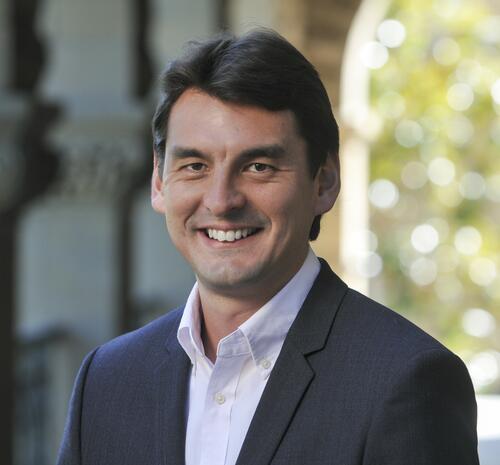
Portrait of Daiji Kawaguchi

Daiji Kawaguchi is Professor of Economics at the University of Tokyo. Dr. Kawaguchi graduated from Waseda University (B.A., 1994), Hitotsubashi University, (M.A., 1996) and Michigan State University (Ph.D., 2002). In addition to his position at U of Tokyo, Kawaguchi is a Research Associate of Tokyo Center for Economic Research. Before joining University of Tokyo faculty in 2016, Kawaguchi was Assistant Professor of Economics at Osaka University (2002-03) and University of Tsukuba (2003-05), and Associate and full Professor at Hitotsubashi University (2005-2016).

Daiji Kawaguchi, Professor of Economics, University of Tokyo
Seminars
-

The demographics of Japan’s aging society has galvanized a wide range of corporate efforts, supported both directly and indirectly by the government, to aggressively develop artificial intelligence-driven technologies and IT systems to perform work for which labor shortages are accelerating. We are beginning to see concrete corporate offerings to address shortages of specific types of skilled and unskilled labor, as well as numerous efforts underway to develop systems to cope with sparsely populated, elderly geographic regions and the logistics surrounding eldercare more generally.

In this talk, based on a forthcoming book chapter, Kushida examines specific corporate cases and government strategies suggesting how Japan’s population aging and shrinking has led to three primary interrelated drivers of significance to shaping technological trajectories: 1) Demographics as market opportunity of an entirely unprecedented scale to serve the needs of a rapidly aging society; 2) demographic change creating an acute labor shortage; and 3) favorable political and regulatory dynamics for pursuing the development and diffusion of new technological trajectories to solve social and economic challenges caused by demographic change. A critical implication is that if technologies developed or deployed within Japan to solve domestic demographic problems are applicable elsewhere, then Japan’s demographic challenge can be an opportunity to cultivate competitive products and services in global markets.

SPEAKER

Image
kushida profile 9 2015 cropped 2

Kenji E. Kushida is a Japan Program Research Scholar at the Walter H. Shorenstein Asia-Pacific Research Center and an affiliated researcher at the Berkeley Roundtable on the International Economy. Kushida’s research interests are in the fields of comparative politics, political economy, and information technology. He has four streams of academic research and publication: political economy issues surrounding information technology such as Cloud Computing; institutional and governance structures of Japan’s Fukushima nuclear disaster; political strategies of foreign multinational corporations in Japan; and Japan’s political economic transformation since the 1990s. Kushida has written two general audience books in Japanese, entitled Biculturalism and the Japanese: Beyond English Linguistic Capabilities (Chuko Shinsho, 2006) and International Schools, an Introduction (Fusosha, 2008). Kushida holds a PhD in political science from the University of California, Berkeley. He received his MA in East Asian studies and BAs in economics and East Asian studies, all from Stanford University.

PARKING

Please note there is significant construction taking place on campus, which is greatly affecting parking availability and traffic patterns at the university. Please plan accordingly. Nearest parking garage is Structure 7, below the Graduate School of Business Knight School of Management.

0
Former Research Scholar, Japan Program
kenji_kushida_2.jpg MA, PhD
Kenji E. Kushida was a research scholar with the Japan Program at the Walter H. Shorenstein Asia-Pacific Research Center from 2014 through January 2022. Prior to that at APARC, he was a Takahashi Research Associate in Japanese Studies (2011-14) and a Shorenstein Postdoctoral Fellow (2010-11).
 
Kushida’s research and projects are focused on the following streams: 1) how politics and regulations shape the development and diffusion of Information Technology such as AI; 2) institutional underpinnings of the Silicon Valley ecosystem, 2) Japan's transforming political economy, 3) Japan's startup ecosystem, 4) the role of foreign multinational firms in Japan, 4) Japan's Fukushima nuclear disaster. He spearheaded the Silicon Valley - New Japan project that brought together large Japanese firms and the Silicon Valley ecosystem.

He has published several books and numerous articles in each of these streams, including “The Politics of Commoditization in Global ICT Industries,” “Japan’s Startup Ecosystem,” "How Politics and Market Dynamics Trapped Innovations in Japan’s Domestic 'Galapagos' Telecommunications Sector," “Cloud Computing: From Scarcity to Abundance,” and others. His latest business book in Japanese is “The Algorithmic Revolution’s Disruption: a Silicon Valley Vantage on IoT, Fintech, Cloud, and AI” (Asahi Shimbun Shuppan 2016).

Kushida has appeared in media including The New York Times, Washington Post, Nihon Keizai Shimbun, Nikkei Business, Diamond Harvard Business Review, NHK, PBS NewsHour, and NPR. He is also a trustee of the Japan ICU Foundation, alumni of the Trilateral Commission David Rockefeller Fellows, and a member of the Mansfield Foundation Network for the Future. Kushida has written two general audience books in Japanese, entitled Biculturalism and the Japanese: Beyond English Linguistic Capabilities (Chuko Shinsho, 2006) and International Schools, an Introduction (Fusosha, 2008).

Kushida holds a PhD in political science from the University of California, Berkeley. He received his MA in East Asian Studies and BAs in economics and East Asian Studies with Honors, all from Stanford University.
Research Scholar, Shorenstein APARC Japan Program
Seminars
Authors
Thomas Holme
News Type
News
Date
Paragraphs

The world is “graying” at an unprecedented rate. According to the UN’s World Population Prospects 2019, the number of persons over the age of 65 is growing the fastest and expected to more than double by 2050, then triple in another 50 years’ time.

Some Asian countries in particular, plagued by population aging, declining fertility, and gender imbalance, are facing a grim outlook for a demographic crisis. In Japan, one in five people is now 70 or older, birthrate has dropped to a historic level, and the population declined by more than a quarter of a million last year. Meanwhile, South Korea is aging more quickly than any other developed country: with seniors on the verge of making up 14% of the population, the country is on the cusp of becoming an “aged society.” The potential impact of population aging on the labor market and the fiscal pressures on the public systems of healthcare, pensions, and social protection schemes for older adults are some of the many problems that these and other countries must tackle.

Against this background, Shorenstein APARC recently held the third annual gathering of the Stanford Asia-Pacific Innovation project, a Center-led initiative that produces academic and policy-relevant research to promote innovation and entrepreneurship in East Asia. Held in Chuncheon, South Korea and organized jointly with Hallym University’s Institute for Communication Arts and Technology, this year’s conference focused on the intersection of aging, technological development, and innovation in the region.

Gi-Wook Shin stans at a podium

(Gi-Wook Shin)

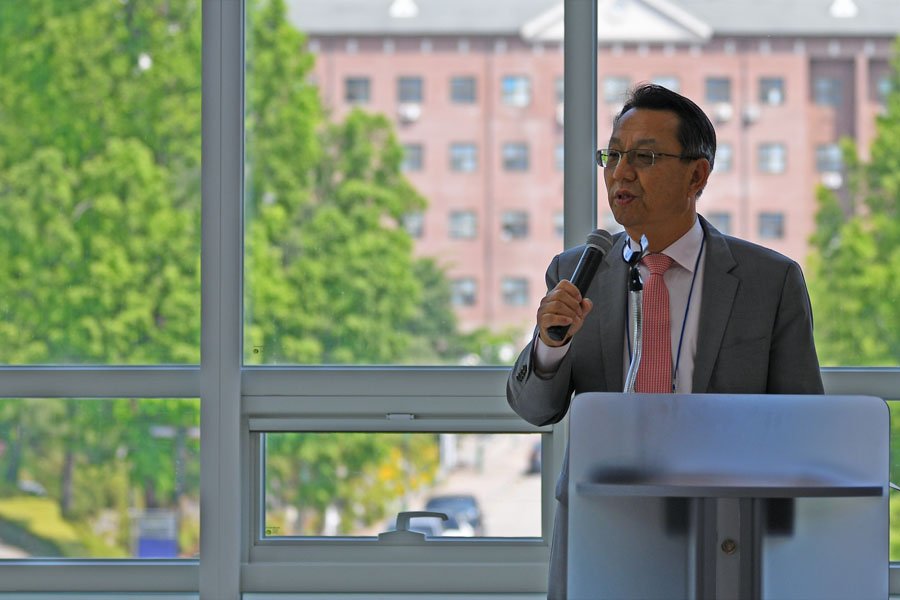
APARC Director Gi-Wook Shin opened the two-day session, introducing the conference’s themes. “What policies can promote innovation and entrepreneurship in aging populations?” Shin asked. “What opportunities do new technologies offer for addressing challenges posed by East Asia’s demographic shifts, and what are the threats involved in the adoption of these new technologies?”

Joon-Shik Park, vice president of the Office of Vision and Cooperation at Hallym University,  the conference host, noted that “East Asian countries are the most important testbeds on issues related to aging and innovation,” and that sharing meaningful research and implications from the region “will provide invaluable insights for all the societies around us.”

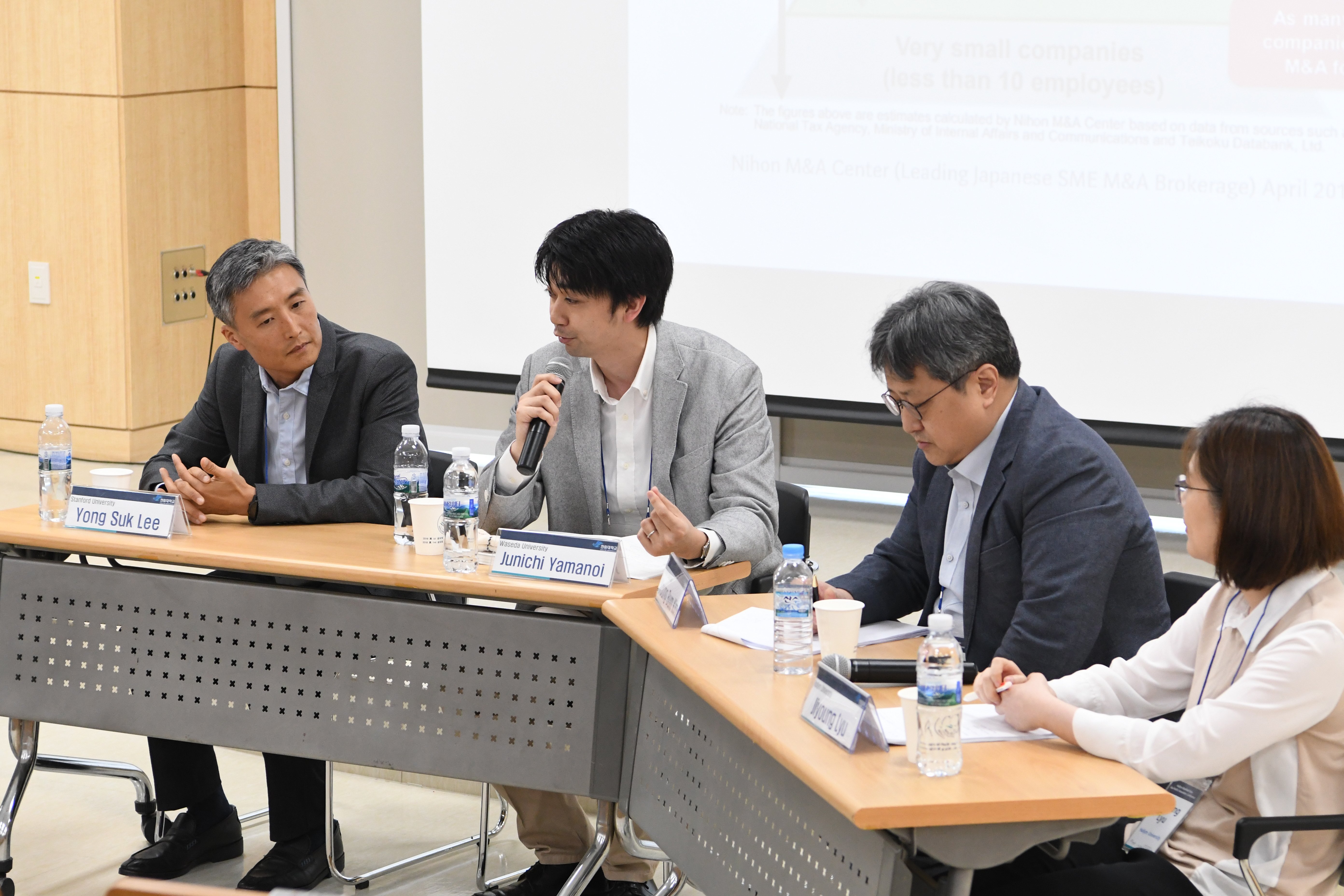
 Yong Suk Lee , Junichi Yamanoi , Young-Bum Kim, and Jiyoung Liu seated at a table

(From left to right, Yong Suk Lee , Junichi Yamanoi , Young-Bum Kim, and Jiyoung Liu)

Family Business Succession

Demographic forces and population aging at the macro level are altering family structures and assumptions at the micro level. For example, Junichi Yamanoi of Waseda University presented a study that examined how expectations around managerial succession at family firms had a significant impact on a firm’s long-term investments.

The study surveyed over 15,000 small and medium enterprises (SMEs) in the Tokyo metropolitan area. The participants were initially asked about their firm’s attributes, CEO demographics, and succession expectations. More than a year later (a time lag that eliminated reverse causality), a sampling of respondents was then asked about their current long-term investments (e.g., R&D, new product development, and internationalization activities).

Yamanoi and his coauthors found that, when a family business’ CEO was confident that a successor would follow, their firm was more likely to engage in long-term investment. Additionally, a CEO’s expectations that the successor would be someone other than their child resulted in an even greater likelihood of long-term investment.

As part of its policy propositions, the study recommends that government agencies and SME officers eager to increase investments by SMEs introduce external candidates to such firms. Moreover, family CEOs should be cautioned against investment decisions that are too short-term in orientation, as, due to inherent aversion to losses of socioemotional wealth for the family, they may unconsciously avoid long-term investments.

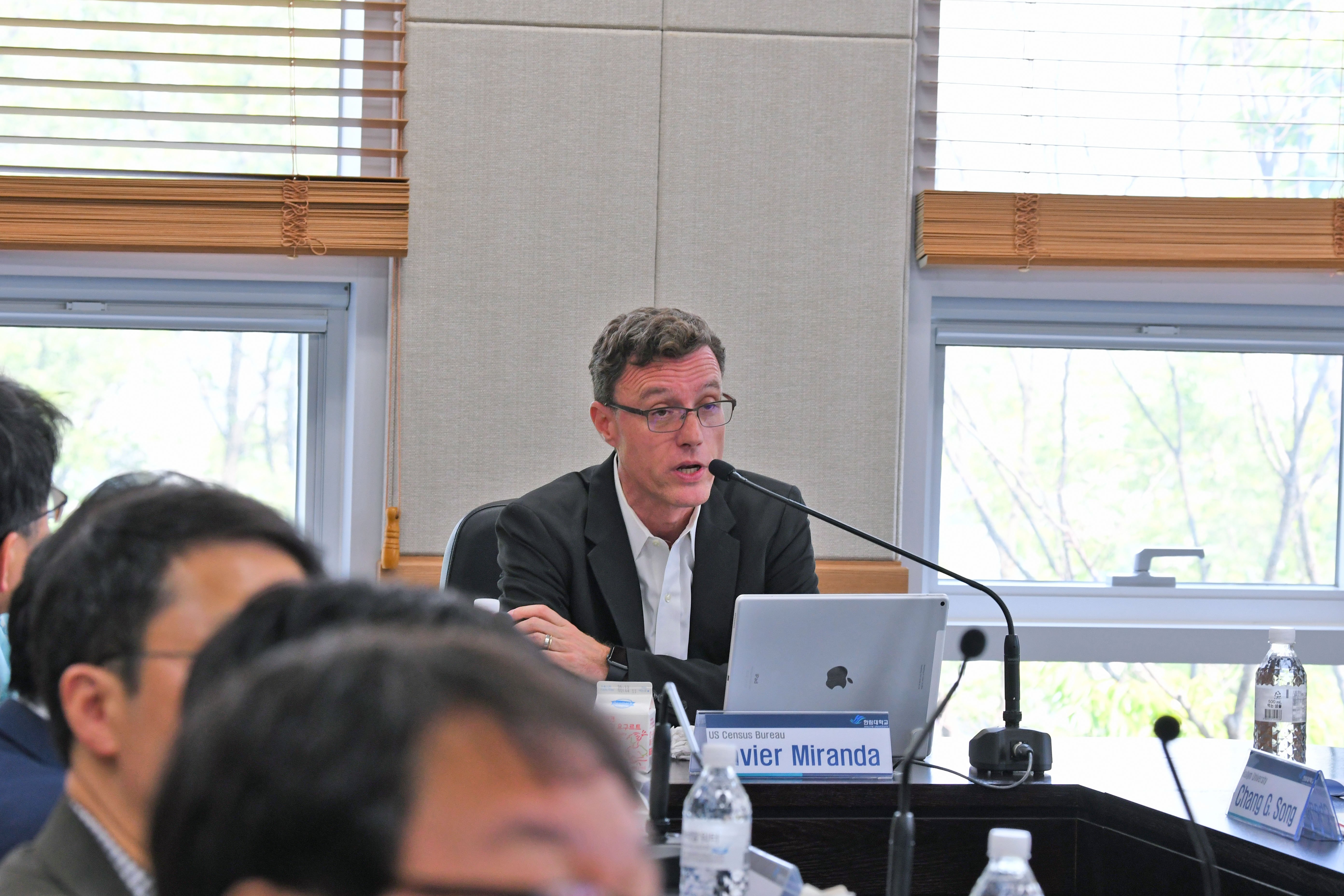
Javier Miranda presents at table

(Javier Miranda)

Rethinking Age and Entrepreneurship

At a luncheon keynote address, Javier Miranda, principal economist at the U.S. Census Bureau,  shared insights into the correlations between age and high-growth entrepreneurship, considering when in life people start firms and when they start the most successful firms.

Miranda acknowledged that youth is often perceived as being crucial to entrepreneurial success, referring to Mark Zuckerberg’s dictum, “Young people are just smarter.” Venture capitalist (VC) activity seems to support this notion, said Miranda, citing a sample of 35 VC-backed “unicorns” that resulted in a mean founder age of 31. He explained that VCs' high regard of young entrepreneurs may be attributed to a belief in young people's greater deductive reasoning, transformative thinking, and higher energy, optimism, and confidence.

But does the statistical evidence support such a view? It would seem not. Miranda’s data showed that the mean age for founders of any type of firm is 41.9. Furthermore, the mean age for founders of the most successful firms (those ready for Initial Public Offering market) was 45, and a founder at age 50 was approximately twice as likely to experience successful exit or high growth compared to a founder 20 years their junior.

In fact, dependent on the starting of a firm, the probability of a founder’s success peaked in the age range of 45-59. Pointing directly to entrepreneurs like Jobs and Bezos, Miranda conceded that even extremely talented people, who may be talented enough to succeed when young, peaked in middle age.

The results of Miranda’s study seem at odds with VC attraction to younger entrepreneurs. Experience, Miranda concluded, appeared to overwhelm any potential age advantage, but more research was needed to unpack the underlying predictors of entrepreneurial success over one’s life cycle.

Role of Technology in an Aging Populace

Day two of the conference focused on the promising role technology may play as populations age. APARC Research Scholar Kenji Kushida detailed both the current and impending problems Japan faces as its population both ages and shrinks in size, and the solutions possible through technological advancement like robotics, AI, and wearable devices.

For example, Japan’s demographic shift has had a double knock-on effect on agriculture, with the percentage of farm workers age 65 or older steadily rising over the last five years and the total cultivated agricultural land decreasing each passing year. Kushida described how ICT-enabled bulldozers allow farm owners to more precisely flatten the ground in rice paddies, resulting in both greater yields and cost savings as much as 40%.

Healthcare is another significant area of concern in Japan, as healthcare costs for people over 65 are four times that of younger people and medical costs as a proportion of GDP have been increasing sharply, especially in rural areas. Shortage of physicians and diagnostic technicians is another challenge. Kushida gave an example of a technology healthcare resource that enables clinics and hospitals to upload patient medical images which are then diagnosed by medical doctors affiliated with the tool's startup developer. This low-cost solution allows smaller, rural hospitals to tap into a larger network of physicians and specialists online.

While Japan’s technological trajectory has been driven primarily by the private sector, Kushida pointed out the important role played by government actors. Specifically, within the “Abenomics” reforms of Prime Minister Shinzo Abe, several key performance indicators include support for digitizing medical records, adoption of robotics in nursing care, and extending “healthy” life expectancy.

Edited volumes collecting the papers from the annual Stanford Asia-Pacific Innovation conferences are forthcoming. These will serve as valuable references for scholars and policymakers. The first conference was held at Stanford in 2017, and examined the industrial organization of businesses and innovation clusters and how such environments affect entrepreneurship. The second conference, held in September of 2018 in Beijing, analyzed the impact of public education and financial policies pursued by East Asian countries to promote entrepreneurship.

Presenters gathered on stage


Hero Image
Gi-Wook Shin standing at Podium at Innovation Conference
All News button
1
Authors
Noa Ronkin
News Type
News
Date
Paragraphs

People today can generally expect to live longer and, in some parts of the world, healthier lives. The substantial increases in life expectancy underlying these global demographic shifts represent a human triumph over disease, hunger, and deprivation, but also pose difficult challenges across multiple sectors. Population aging will have dramatic effects on labor supply, patterns of work and retirement, family and social structures, healthcare services, savings, and, of course, pension systems and other social support programs used by older adults. Individuals, communities, and nations around the world must adapt quickly to the demographic reality facing us and design new approaches to financing the many needs that come with longer lives.

This imperative is the focus of a newly published special issue of The Journal of the Economics of Ageing, entitled Financing Longevity: The Economics of Pensions, Health and Long-term Care. The special issue collects articles originally written for and discussed at a conference that was dedicated to the same topic and held at Stanford in April 2017 to mark the tenth anniversary of APARC’s Asia Health Policy Program (AHPP). The conference convened top experts in health economics and policy to examine empirical and theoretical research on a range of problems pertinent to the economics of aging from the perspective of sustainable financing for long lives. The economics of the demographic transition is one of the research areas that Karen Eggleston, APARC’s deputy director and AHPP director, studies. She co-edited the special issue with Anita Mukherjee, a Stanford graduate now assistant professor in the Department of Risk and Insurance at the Wisconsin School of Business, University of Wisconsin-Madison.

The Financing Longevity conference was organized by The Next World Program, a Consortium composed of partners from Harvard University, Fudan University, Stanford University, and the World Demographic and Aging Forum, and was cosponsored by AHPP, the Stanford Institute for Economic Policy Research, and the Stanford Center on the Demography and Economics of Aging.

The contributions that originated from the conference and are collected in the Journal’s special issue cover comparative research on more than 30 European countries and 17 Latin American countries, as well as studies on Australia, the United States, India, China, and Japan. They analyze a variety of questions pertinent to financing longevity, including how pension structures may exacerbate existing social inequalities; how formal and informal insurance interact in securing long-term care needs; the ways in which the elderly cope with caregiving and cognitive decline; and what new approaches might help extend old-age financial security to those working outside the formal sector, which is a major concern in low-income countries.

Another challenge of utmost importance is the global pension crisis, caused due to committed payments that far exceed the saved resources. It is a problem that Eggleston and Mukherjee highlight in their introduction to the special issue. By 2050, they note, the pension gap facing the world’s eight largest pension systems is expected to reach nearly US $400 trillion. The problem cannot be ignored, as “the financial security of people leading longer lives is in serious jeopardy.” Indeed four of the eight research papers in the special issue shed light on pensions and inequality in income support for older adults. The other four research papers focus on health and its interaction with labor force participation, savings, and long-term care.

The issue also features two special contributions. The first is an interview with Olivia S. Mitchell, a professor at the University of Pennsylvania’s Wharton School and worldwide expert on pensions and ageing. Mitchell explains the areas offering the most promise and excitement in her field; discusses ways to encourage delayed retirement and spur more saving; and suggests several priority areas for future research. The latter include applying behavioral insights to questions about retirement planning, improving financial literacy, and advancing innovations to help people imagine themselves at older ages and save more for their future selves.

The second unique contribution is a perspective on the challenges of financing longevity in Japan, based on the keynote address delivered at the 2017 Stanford conference by Mr. Hirotaka Unami, then senior Director for policy planning and research of the Minister’s secretariat of the Japan Ministry of Finance and currently deputy director general with the Ministry’s Budget Bureau.

In Japan, decades of improving life expectancy and falling birth rates have produced a rapidly aging and now shrinking population. Data released by Japan’s Statistics Bureau ahead of Children's Day on May 5, 2019 reveal that Japan’s child population (those younger than 15) ranks lowest among countries with a total population exceeding 40 million. In his piece, Unami focuses on the difficult tradeoffs Japan faces in responding to the increase in oldest-old population (people aged 75 and over) and the overall population decline. Japan aspires to do so through policies that are designed to restore financial sustainability for the country’s social security system, including the medical care and long-term care insurance systems.

Unami argues that Japan must simultaneously pursue a combination of increased tax revenues, reduced benefit growth, and accelerated economic growth. He notes that these three-pronged efforts require action in five areas: review Japan’s pension policies; reduce the scope of insurance coverage in low-risk areas; increase the effectiveness of health service providers; increase a beneficiary’s burden according to their means; and enhance policies for preventive health care for the elderly.

The aging of our world’s population is a defining issue of our time and there is pressing need for research to inform policies intended to improve the financial well-being of present and future generations. The articles collected in the Financing Longevity special issue and the ongoing work by APARC’s Asia Health Policy Program point to multiple areas ripe for such future research.

View the complete special issue >>

Learn more about Dr. Karen Eggleston’s work in the area of innovation for healthy aging >>


Hero Image
Medical doctor chats with local residents while making housecalls
SCHWEDT, GERMANY: Medical doctor Amin Ballouz chats with local residents while making housecalls on April 30, 2013 in the village of Gartz an der Oder near Schwedt, Germany. Ballouz was born in Lebanon and moved to Germany as a child, and has had a general practitioner's practice in the small, east German town of Schwedt since 2010. Many of his patients are elderly and live in small villages in the region around Schwedt and Ballouz travels daily in one of his five Trabant cars to pay housecalls. Eastern Germany faces a chronic shortage of country doctors to serve rural communities.
Getty Images — Theo Heimann / Stringer
All News button
1
Authors
News Type
News
Date
Paragraphs

Something as simple as, "Are you taking your medications?" could conceivably prolong a life.

And now, a Stanford study provides novel, concrete evidence on the power of exposure to health-related expertise – not only in improving mortality rates and lifelong health outcomes, but also in narrowing the vexing health gap between the rich and poor.

The study, detailed in a new working paper released this week by the National Bureau of Economic Research, was co-authored by Petra Persson, an assistant professor of economics; Maria Polyakova, an assistant professor of health economics at Stanford School of Medicine and core faculty at Stanford Health Policy; and Yiqun Chen, a doctoral student in health economics at Stanford School of Medicine. Persson and Polyakova are both faculty fellows at the Stanford Institute for Economic Policy Research (SIEPR).

Their study tackles the issue of health inequality and specifically examines the effects of having access to informal health expertise by having a doctor or nurse in the family. It finds that those with relatives in the health profession are 10 percent more likely to live beyond age 80. They are also significantly less likely to have chronic lifestyle-related conditions, such as heart attacks, heart failure and diabetes.

Younger relatives within the extended family also see gains: They are more likely to have been vaccinated, and they have fewer hospital admissions and a lower prevalence of drug or alcohol addiction.

In addition, the closer the relatives are to their familial medical source – either geographically or within the family tree – the more pronounced the impact of the health benefits, according to the findings.

The researchers used data from Sweden, where lotteries were used in the early 2000s to break ties among equally qualified applicants for admission into medical schools. The researchers then compared the health of the family members of lottery winners against lottery losers – a setup similar to a randomized control trial.

The strong findings of health benefits funneled from a familial sphere of medical knowledge suggest it would be worth ramping up access to health expertise in our health care system, the researchers say.

A doctor, for instance, could prescribe statins – a type of drug known to lower the risk of heart attacks – but whether the patient continues taking it from day to day is a decision made at home.

“Our work shows that there is a lot of value in trying to improve people’s decisions about their investment in their own health,” Persson says.

“If the government and health care system, including public and private insurers, could mimic what goes on inside families, then we could reduce health inequality by as much as 18 percent,” she says, referring to a main finding of the study.

Intra-family transmissions of health-related expertise might encompass frequent nagging to adhere to prescribed medications, get vaccinations or refrain from smoking during pregnancy, and “these behavioral changes are – from a society’s perspective – simple and cheap,” the study states.

Disparity despite access

The study also reveals limitations to the impact of equal access to medical care, underscoring the importance of other health efforts.

The researchers compared mortality data of Sweden – where there is universal access to health care – to the United States. They found the overall mortality was lower in Sweden but the level of health inequality largely mirrored that of the United States. In Sweden, despite its extensive social safety net, the rich also live longer and the poor die younger. Specifically, among people alive at age 55, more than 40 percent of individuals at the bottom of the income distribution in Sweden will have died by age 80 – as opposed to fewer than 25 percent for those at the top of the distribution.

“This health inequality appears to be extremely stubborn,” Persson says. “We can throw a universal health insurance system at it and yet substantial inequality persists. So, is there anything else that can help us close that health gap between rich and poor?”

According to their latest research, yes.

Health effects from having a medical professional in the family were substantial and occurred across the income spectrum, according to the study. And because the effects from the exposure to medical expertise was often even stronger for those at the lower half of the income distribution, the researchers estimated that information-driven behaviors could make a significant difference in getting rid of health disparities.

Closer ties, less churn

The study did not examine the complexity of family dynamics or specific actions that led to the positive health effects, but the researchers hypothesize that the mere presence of a medical professional in the family translates somehow to either a heightened health culture or, at least, having a coach of sorts to encourage healthy, good-patient behavior.

Although general public health campaigns (e.g., “Get Your Flu Shot Today!”) may not carry the same level of influence as intimate dinner-table discussions or persistent prodding among family members, there could be other ways society can improve its exposure to medical expertise to lead to healthier, longer lives, the researchers say.

Community health worker or nurse outreach programs can perhaps lead to more targeted, personalized communication efforts, they say. Digital nudges delivered through mobile phone apps could potentially make healthy dents.

Reminders of preventive care can also come by way of closer patient-doctor relationships and more consistent, longer-term ties to the same doctor.

“The idea of continuity of care and developing a true relationship with your doctor, who becomes someone who pays attention to you as an individual and sees you and your family over a long period of time, is well known,” Polyakova says. “Today, it’s what they might call old-fashioned primary care, where the whole family goes to the same doctor for many years. Many countries, the U.S. included, appear to be moving increasingly away from this model, and our results suggest that we might want to do the reverse.”

The finding of how a closer family connection or closer proximity leads to even stronger health outcomes helps substantiate the potential difference a closer bond between any doctor and patient could make – improvements that would be hard to glean from rushed and infrequent medical appointments, Persson and Polyakova say.

Communication-focused health initiatives don’t have to come with hefty price tags either, they say.

“We pour a lot of resources into getting even fancier machines inside hospitals, but the things that are making a difference here are not that expensive,” Persson says of their findings. “These are cheap, easily scalable preventative investments that are translating to gains in longevity, which is remarkable.”

Sweden’s medical school lotteries

Using large-scale data from Sweden, the researchers focused on quantifying the role of informal exposure to health expertise via a medical professional in the family while avoiding results that would be muddled with other differences between individuals with and without a doctor in the family.

The researchers used two different approaches. First, they took advantage of the fact that in some years, lotteries were used to break ties among equally qualified applicants to Sweden’s medical schools. This allowed the researchers to use medical school application records and track the health of family members of applicants who won and lost the lottery.

The researchers looked at more than 30 years of continuous health and tax records spanning four generations of family members, and examined health-related outcomes of the extended family members of newly trained doctors and nurses – including their siblings, parents, grandparents, children, aunts, uncles, cousins and in-laws.

Second, researchers sought to double-check whether higher income and higher social status associated with the medical profession had anything to do with the positive health benefits they found.

One of the ways they did this was to draw a comparison to lawyers, a similarly paid profession. The parents of doctors, they found, were 16 percent more likely to be alive than the parents of lawyers 20 years after their children matriculated. The parents of doctors also faced lower prospects of lifestyle-related chronic diseases.

In addition to the higher likelihood of their parents living past age 80 and the lower likelihood of heart diseases, the relatives of health professionals showed higher levels of preventive behaviors, including purchases of heart and blood-thinning medications, and vaccinations for HPV, or human papillomavirus. Younger family members also had fewer hospital admissions and addiction cases.

“People with health professionals in the family essentially make preventative investments that everyone should be doing,” Persson says.

 
Hero Image
getty images health advice Getty Images
All News button
1
Authors
Noa Ronkin
News Type
News
Date
Paragraphs

In Beijing’s bustling Chaoyang District stands a multi-story building known as the Gonghe Senior Apartments: a 400-bed nursing home for middle-income seniors who are disabled or suffer from dementia. Why is Gonghe unique and why is it worth considering? Because Gonghe is a public-private partnership (PPP), a collaborative organizational structure supported by the District Civil Affairs Bureau Welfare Division that donated the land and building and the nonprofit Yuecheng Senior Living that operates the facility. And because PPPs like Gonghe might just be the right model to address the challenges surrounding elderly care in China as well as in other nations that face a looming burden of population aging.

This was a core message shared by Alan Trager, founder and president of the PPP Initiative Ltd., who spoke at a special workshop organized by Shorenstein APARC’s Asia Health Policy Program (AHPP). Focused on PPPs in health and long-term care in China, the workshop was part of a two-day convening related to the Innovation for Healthy Aging project, a collaborative research project led by APARC Deputy Director and AHPP Director Karen Eggleston that identifies and analyzes productive public-private partnerships advancing healthy aging solutions in East Asia and other regions.

The Innovation for Healthy Aging project is driven by the imperative to respond to a world that is aging rapidly. This demographic transition, reminded Trager at the opening of his talk, is a defining issue of our time, as aging is a multisectoral issue that increases the demand for health care, long-term care, and a large number of other social services. The aging challenge is exacerbated by its convergence with the rising prevalence of non-communicable diseases (NCDs), also known as chronic diseases. For while NCDs affect all age groups, they account for the highest burden among the elderly.

China: Ground Zero for Global Aging

Alan Trager in Highly Immersive Classroom Alan Trager discusses health and long-term care in China in the GSB's Highly Immersive Classroom
Alan Trager discusses health and long-term care in China in the GSB's Highly Immersive Classroom (Photo: Noa Ronkin)


The need to advance healthy aging and NCD prevention is a matter of grave concern in China, whose older population is larger than in any other country. Moreover, the aging challenge in China is interwoven with unique social trends. In particular, filial piety—which, for thousands of years, has been a fundamental family value and a mainstay of health and elder care—is under pressure, as young people strive to balance the demands of careers, fewer children per family, and migrating to cities for school and work, without affordable housing or long-term care financing support for their parents and other elderly relatives, who often stay in rural areas.

China’s health system is yet to adapt to the shift in the disease burden and health care needs driven by the aging population. Its existing health insurance programs are insufficient for outpatient management and care of chronic conditions, and as Trager emphasized, there is a lack of investment in training geriatric medicine professionals and incorporating geriatric principles into clinical practice.

How can China meet the high demand for elder care, increase workforce capacity, and promote healthy aging?

The answer, claims Trager, lies in developing multisector, integrated solutions to the challenges posed by population aging. While system-level efforts, such as building the social protection system and sustaining universal health coverage, continue to be led by the government, PPPs can play a major role in capacity building to ensure the sustainability of such systems through the advancement of technology, human resources, and innovation. Trager shared PPP Initiative Ltd.’s recent efforts to develop PPP solutions for aging populations in China and elsewhere. The workshop was held on October 10 at the Stanford GSB’s Highly Immersive Classroom, which is equipped with advanced video conferencing technology that allows participants in Palo Alto and at the Stanford Center at Peking University to collaborate in real-time. Experts from Beijing joined the discussion and followed Trager’s presentation with comments on how to move from awareness to action.

Private Efforts, Public Value

Image
John Donahue, Karen Eggleston, and Richard Zeckhauser in conversation at the entrance to Encina Hall, Stanford.

From left to right: John Donahue, Karen Eggleston, Richard Zeckhauser. (Photo: Thom Holme)

Public-private collaborations—or rather collaborative governance–in China as well as in the United States is the subject of an upcoming volume co-authored by Eggleston with Harvard scholars Richard Zeckhauser and John Donahue. Both Zeckhauser and Donahue joined Eggleston the following day, October 11, at an AHPP-hosted seminar to discuss this upcoming publication, titled Private Roles for Public Goals in China and the United States: Contracting, Collaboration, and Delegation.

Eggleston, Donahue, and Zeckhauser define collaborative governance as private engagement in public tasks on terms of shared discretion, where each partner bears responsibilities for certain areas. Their upcoming book explores public-private collaborations in China and the United States, two countries where public needs require solutions that far outstrip the capacities of their governments alone. Beyond considering merely health and elderly care, the book features research into public and private roles in the governance of multiple other sectors, including education, transport infrastructure, affordable housing, social services, and civil society.

At the seminar, the three scholars reviewed different models of private efforts providing public value, outlined the justifications for collaborative governance, and explained some of the conditions that make such collaborative partnerships productive and valuable. They emphasized the need to account for the unique contexts in China and the United States and to steer clear of one-size-fits-all solutions.

Imperative for the Young Generation

One thing, they all agree, applies to both countries: government collaboration with private entities is inevitable if China and the United States are to achieve their articulated goals and meet rapidly increasing demand for high-end public services.

This sentiment echoed a claim Trager made the preceding day: a tidal wave of noncommunicable diseases in an aging world is approaching us quickly and governments cannot handle it alone. Young people must care about advancing creative solutions to this pressing problem because they will be the ones who will pay for the consequences if we get it wrong.

Hero Image
Four elderly Chinese people sitting outdoors.
Senior citizens relax on the Duolun Road in Shanghai, China.
China Photos/ Getty Images
All News button
1
Paragraphs

Using individual data collected in rural China and adopting Heckman’s two-step function, we examined the impact of childcare and eldercare on laborers’ off-farm activities. Our study finds that having school-aged children has a negative impact on rural laborers’ migration decisions and a positive impact on their decision to work in the local off-farm employment market. As grandparents can help to take care of young children, the impact of preschoolers is insignificant. Having elderly family to care for decreases the income earned by female members of the family. Although both men and women are actively engaged in off-farm employment today in rural China, this study shows that women are still the primary care providers for both children and the elderly. Therefore, reforming public school enrollment and high school/college entrance examination systems so that migrant children can stay with their parents, this will help rural laborers to migrate to cities. The present study also calls for more public services for preschoolers and the elderly in rural China.

All Publications button
1
Publication Type
Journal Articles
Publication Date
Journal Publisher
China & World Economy
Authors
Scott Rozelle
Number
2
Paragraphs

Background: Empty-nest elderly refers to those elderly with no children or whose children have already left home. Few studies have focused on healthcare service use among empty-nest seniors, and no studies have identified the prevalence and profiles of non-use of healthcare services among empty-nest elderly. The purpose of this study is to compare the prevalence of non-use of healthcare services between empty-nest and non-empty-nest elderly and identify risk factors for the non-use of healthcare services among empty-nest seniors.

Methods: Four thousand four hundred sixty nine seniors (60 years and above) were draw from a cross-sectional study conducted in three urban districts and three rural counties of Shandong Province in China. Non-visiting within the past 2 weeks and non-hospitalization in previous year are used to measure non-use of healthcare services. Chi-square test is used to compare the prevalence of non-use between empty-nesters and non-empty-nesters. Multivariate logistic regression analysis is employed to identify the risk factors of non-use among empty-nest seniors.

Results: Of 4469 respondents, 2667(59.7 %) are empty-nesters. Overall, 35.5 % of the participants had non-visiting and 34.5 % had non-hospitalization. Non-visiting rate among empty-nest elderly (37.7 %) is significantly higher than that among non-empty-nest ones (32.7 %) (P = 0.008). Non-hospitalization rate among empty-nesters (36.1 %) is slightly higher than that among non-empty-nesters (31.6 %) (P = 0.166). Financial difficulty is the leading cause for both non-visiting and non-hospitalization of the participants, and it exerts a larger negative effect on access to healthcare for empty-nest elderly than non-empty-nest ones. Both non-visiting and non-hospitalization among empty-nest seniors are independently associated with low-income households, health insurance status and non-communicable chronic diseases. The nonvisiting rate is also found to be higher among the empty-nesters with lower education and those from rural areas.

Conclusions: Our findings indicate that empty-nest seniors have higher non-use rate of healthcare services than non-empty-nest ones. Financial difficulty is the leading cause of non-use of health services. Healthcare policies should be developed or modified to make them more pro-poor and also pro-empty-nested.

All Publications button
1
Publication Type
Journal Articles
Publication Date
Journal Publisher
BMC Health Services Research
Authors
Alexis Medina
Scott Rozelle
-

The “Baby Boomer” generation (dankai no sedai) has begun to reach the age of retirement en mass.  10,000 people turn 65 every day in the United States. In Japan, one-fifth of the population is over the age of 65 and is on track to increase to one-third of the population by 2050. In addition, people are living longer. Japan boasts the highest life expectancy in the world with an average of 84 years. As a result, we currently have a growing group of accomplished professionals contemplating spending their next 20-30 years doing something other than traditional work. According to the International Longevity Center (ILC) there is a great interest among this population to engage in activities that contribute back to society, but very few actually make the leap to do so. Nonprofits in the United States have developed a variety creative strategies to engage older adults; creating dynamic partnerships that provide opportunity and meaning to seniors while furthering social purpose missions. Lago will provide an overview of how nonprofits are leveraging the skills and experience of senior professionals for the social good.

SPEAKER:

Ulea Lago, Director of Consulting Empower Success Corp

BIO:

Ulea Grace Lago directs ESC’s consulting practice of 150 senior professionals, overseeing approximately $2.5M in pro bono services annually. An attorney and independent consultant, Ulea has over 17 years of experience working with nonprofits, religious organizations, and community groups. A veteran community organizer, she is the former director of the Truth and Reconciliation Project in Nashville, Tennessee, and previously served as Associate Director of Community Partnership and Service Learning at Sarah Lawrence College and Chair of the Political Action Network at Vanderbilt University, where she organized educational panels, forums, and fundraisers. She has a BA from Sarah Lawrence College, and a M.Div. and J.D. from Vanderbilt University

AGENDA:

4:15pm: Doors open
4:30pm-5:30pm: Talk and Discussion
5:30pm-6:00pm: Networking

RSVP REQUIRED:

Register to attend at http://www.stanford-svnj.org/31218-public-forum

For more information about the Silicon Valley-New Japan Project please visit: http://www.stanford-svnj.org/
Ulea Lago, Director of Consulting, Empower Success Corp
Seminars
Subscribe to Aging