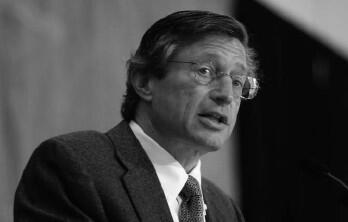
How to Keep the Bomb From Iran
Preventing the unthinkable ongoing crisis with Tehran is not the first time Washington has faced a hostile government attempting to develop nuclear weapons. Nor is it likely to be the last. Yet the reasoning of U.S. officials now struggling to deal with Iran’s nuclear ambitions is clouded by a kind of historical amnesia, which leads to both creeping fatalism about the United States’ ability to keep Iran from getting the bomb and excessive optimism about the United States’ ability to contain Iran if it does become a nuclear power.
A U.S. official in the executive branch anonymously told the New York Times in March 2006, “The reality is that most of us think the Iranians are probably going to get a weapon, or the technology to make one, sooner or later.” Military planners and intelligence officers have reportedly been tasked with developing strategies to deter Tehran if negotiations fail.
Both proliferation fatalism and deterrence optimism are wrong-headed, and they reinforce each other in a disturbing way. As nuclear proliferation comes to be seen as inevitable, wishful thinking can make its consequences seem less severe, and if faith in deterrence grows, incentives to combat proliferation diminish.
Deterrence optimism is based on mistaken nostalgia and a faulty analogy. Although deterrence did work with the Soviet Union and China, there were many close calls; maintaining nuclear peace during the Cold War was far more difficult and uncertain than U.S. officials and the American public seem to remember today. Furthermore, a nuclear Iran would look a lot less like the totalitarian Soviet Union and the People’s Republic of China and a lot more like Pakistan, Iran’s unstable neighbor—a far more frightening prospect.
Fatalism about nuclear proliferation is equally unwarranted. Although the United States did fail to prevent its major Cold War rivals from developing nuclear arsenals, many other countries—including Japan, West Germany, South Korea, and more recently Libya—curbed their own nuclear ambitions.
THE REASONS WHY
The way for Washington to move forward on Iran is to give Tehran good reason to relinquish its pursuit of nuclear weapons. That, in turn, requires understanding why Tehran wants them in the first place.
Iran’s nuclear energy program began in the 1960s under the shah, but even he wanted to create a breakout option to get the bomb quickly if necessary. One of his senior energy advisers recalled, “The shah told me that he does not want the bomb yet, but if anyone in the neighborhood has it, we must be ready to have it.” At first, Ayatollah Ruhollah Khomeini objected to nuclear weapons on religious grounds, but the mullahs abandoned such restraint after Saddam Hussein ordered chemical attacks on Iranian forces during the Iran-Iraq War.
The end of Saddam’s rule in 2003 significantly reduced the security threat to Tehran. But by then the United States had taken Iraq’s place. In his January 2002 State of the Union address, President Bush had denounced the governments of Iran, Iraq, and North Korea as members of an “axis of evil” with ties to international terrorism. After the fall of Baghdad, an unidentified senior U.S. official told a Los Angeles Times reporter that Tehran should “take a number,” hinting that it was next in line for regime change.
Increasingly, Bush administration spokespeople advocated “preemption” to counter proliferation. When asked, in April 2006, whether the Pentagon was considering a potential preventive nuclear strike against Iranian nuclear facilities, President Bush pointedly replied, “All options are on the table.”
AGREED FRAMEWORK IN FARSI
A source of inspiration for handling Iran is the 1994 Agreed Framework that the United States struck with North Korea. The Bush administration has severely criticized the deal, but it contained several elements that could prove useful in the Iranian nuclear crisis.
After the North Koreans were caught violating their NPT commitments in early 1993, they threatened to withdraw from the treaty. Declaring that “North Korea cannot be allowed to develop a nuclear bomb,” President Clinton threatened an air strike on the Yongbyon reactor site if the North Koreans took further steps to reprocess plutonium. In June 1994, as the Pentagon was reinforcing military units on the Korean Peninsula, Pyongyang froze its plutonium production, agreed to let IAEA inspectors monitor the reactor site, and entered into bilateral negotiations.
The talks produced the October 1994 Agreed Framework, under which North Korea agreed to eventually dismantle its reactors, remain in the NPT, and implement full IAEA safeguards. In exchange, the United States promised to provide it with limited oil supplies, construct two peaceful light-water reactors for energy production, “move toward full normalization of political and economic relations,” and extend “formal assurances to [North Korea] against the threat or use of nuclear weapons by the U.S.”
“The way for Washington to move forward on Iran is to give Tehran good reason to relinquish its pursuit of nuclear weapons.”By 2002, the Agreed Framework had broken down, not only because Pyongyang was suspected of cheating but also because it believed that the United States, by delaying construction of the light-water reactors and failing to start normalizing relations, had not honored its side of the bargain. When confronted with evidence of its secret uranium program, in November 2002, Pyongyang took advantage of the fact that the U.S. military was tied down in preparations for the invasion of Iraq and withdrew from the NPT, kicked out the inspectors, and started reprocessing plutonium.
President Bush famously promised, in his 2002 State of the Union address, that the United States “will not permit the world’s most dangerous regimes to threaten us with the world’s most destructive weapons.” Yet when North Korea kicked out the IAEA inspectors, Secretary of State Colin Powell proclaimed that the situation was “not a crisis.” Bush repeatedly declared that the United States had “no intention of invading North Korea.” The point was not lost on Tehran.
If Washington is to offer security assurances to Tehran, it should do so soon (making the assurances contingent on Tehran’s not developing nuclear weapons), rather than offering them too late, as it did with North Korea (and thus making them contingent on Tehran’s getting rid of any existing nuclear weapons). As with North Korea, any deal with Iran must be structured in a series of steps, each offering a package of economic benefits (light-water reactors, aircraft parts, or status at the World Trade Organization) in exchange for constraints placed on Iran’s future nuclear development.
Most important, however, would be a reduction in the security threat that the United States poses to Iran. Given the need for Washington to have a credible deterrent against, say, terrorist attacks sponsored by Iran, a blanket security guarantee would be ill advised. But more limited guarantees, such as a commitment not to use nuclear weapons, could be effective. They would reassure Tehran and pave the way toward the eventual normalization of U.S.–Iranian relations while signaling to other states that nuclear weapons are not the be all and end all of security.
Peaceful coexistence does not require friendly relations, but it does mean exercising mutual restraint. Relinquishing the threat of regime change by force is a necessary and acceptable price for the United States to pay to stop Tehran from getting the bomb.
'A world at risk': Freeman Spogli Institute's second annual International Conference and dinner
On November 16, 2006, FSI convened its annual international conference, A World at Risk, devoted to systemic and human risk confronting the global community. Remarks by Stanford Provost John Etchemendy, FSI Director Coit D. Blacker, former Secretary of State Warren Christopher, former Secretary of Defense William J. Perry, and former Secretary of State George Shultz set the stage for stimulating discussions. Interactive panel sessions encouraged in-depth exploration of major issues with Stanford faculty, outside experts, and policymakers.
Invoking Jane and Leland Stanford’s desire to educate students to become useful, contributing citizens, Etchemendy said, “We can best serve that mission today by producing graduates well-versed in the complex problems of a world at risk and willing to make the difficult choices that might lead to their solution.”
“It has been acutely apparent to us at FSI that we must actively engage a world at risk,” stated FSI director Coit D. “Chip” Blacker, “risk posed by the growing number of nuclear issues on the international agenda; the insurgency in Iraq; global poverty, hunger, and environmental degradation; the tensions of nationalism versus regionalism in Asia; infectious diseases; terrorism; and the geopolitical, financial, and ecological risks of the West’s current energy policies, especially its voracious appetite for oil.”
Introducing three Stanford luminaries, Blacker said, “One of the remarkable things about Stanford is the privilege of working with some of the outstanding intellects and statesmen of our time. Warren Christopher, William Perry, and George Shultz tower among them.”
“As Stanford University’s primary forum for the consideration of the major international issues of our time, we at FSI are dedicated to interdisciplinary research and teaching on some of the most pressing and complex problems facing the global community today.” – Coit D. “Chip” Blacker, Director, Freeman Spogli Institute“The Middle East has descended into hate, violence, and chaos,” said Warren Christopher, the nation’s 63rd secretary of state. “It really is a dangerous mess.” Discussing the Israeli incursion into Lebanon, the war in Iraq, and Iran’s regional and nuclear ambitions, he said the U.S. has aggravated these threats by “action and inaction.” Nonetheless, the U.S. remains the most influential foreign power in the region. “We must not give up on the Middle East,” he said. “We have to return to old-fashioned diplomacy with all its frustrations and delays.”
“We live in dangerous times,” stated William J. Perry, the nation’s 19th secretary of defense and an FSI senior fellow. “Last month about 1,000 of our service personnel in Iraq were killed, maimed, or wounded; the Taliban is resurging in Afghanistan; North Korea just tested a nuclear bomb; and Iran is not far behind. China’s power is rising and Russia’s democracy is falling.” As Elie Wiesel wrote, he said, “Peace is not God’s gift to its children. Peace is our gift to each other.” Comparing major security issues of 1994 to today, Perry assessed the nuclear arms race, North Korea, Iran, and Iraq. He noted that the Clinton administration had eliminated more than 10,000 nuclear weapons and urged that the work continue, because “the danger of terrorists getting a nuclear bomb is very real.”
Citing North Korea’s 2006 missile and nuclear tests, Perry said he was concerned that a robust North Korean nuclear program will stimulate a “dangerous arms race in the Pacific” and increase “the danger of a terrorist group getting a nuclear bomb.” “Iran is moving inexorably toward becoming a nuclear power,” Perry said. “We are facing new dangers,” he concluded, “and we must adjust our thinking accordingly.”
“The world has never been at a more promising moment than it is today,” said George Shultz, the nation’s 60th secretary of state. “All across the world, economic expansion is taking place. The U.S. is giving fantastic leadership to the global economy.” For Shultz, the imperative is to prevent the security challenges “from aborting all these fantastic opportunities.”
“The Middle East has descended into hate, violence, and chaos. The U.S. remains the most influential foreign power in the region. We have to return to old-fashioned diplomacy with all its frustrations and delays.” – Former Secretary of State Warren ChristopherU.S. leadership should inspire the world, Shultz said, advocating four initiatives. We should aspire to have a world with no nuclear weapons. We should take a different approach to global warning, based on the Montreal Protocols. “This is a gigantic problem we need to do something about and can do something about,” he said. We should build greater understanding of the world of Islam. We must combat rising protectionism. The postwar system reduced tariffs and quotas, promoting trade and growth. “The best defense is a good offense,” Shultz stated. “We need a lot of leadership in that arena.”
Plenary I, chaired by Chip Blacker, examined systemic risk. Elisabeth Paté-Cornell, Burton and Deedee McMurtry Professor and Chair of Management Science and Engineering, discussed how scientists measure risk, asking what can happen, what are the chances it will, and what are the consequences? “The good news is that the worst is not always the most certain,” she noted. Citing challenges of intelligence analysis, she said, “Certainty is rare; signals are imperfect; there is a tendency to focus on one possibility (groupthink) and underestimate others; and it is difficult to assess and communicate uncertainties.” “Success is not guessing in the face of uncertainties,” she said. “It is describing accurately what is known, what is unknown, and what has changed.”
Scott D. Sagan, professor of political science and director of CISAC, examined “Iran and the Collapse of the Global Non-proliferation Regime?” The crux of the issue, Sagan noted, is the emergence of two dangerous beliefs, “deterrence optimism” and “proliferation fatalism.” In Sagan’s view, too little attention has been given to why Iran seeks a nuclear weapon. Arguing that U.N. sanctions are unlikely to work and military options are problematic, Sagan said a negotiated settlement is still possible if the U.S. offers security guarantees to Iran, contingent on Tehran’s agreement to constraints on future nuclear development. As Sagan concluded, “Instead of accepting what appears inevitable, we should work to prevent the unacceptable.”
Siegfried S. Hecker, CISAC co-director, tackled the challenge of “Keeping Fissile Materials out of Terrorist Hands.” Although nuclear terrorism is an old problem, today there is easier access to nuclear materials, greater technological sophistication, and a greater proclivity toward violence. The greatest risk, he said, “is an improvised nuclear device built from stolen or diverted fissile materials.” “Given a few tens of kilograms of fissile material, essentially a grapefruit-sized chunk of plutonium,” he stated, “terrorists will be able to build and detonate an inefficient, but devastating Hiroshima- or Nagasaki-like bomb.” The most likely threat is a so-called “dirty bomb,” he said, which would be a “weapon of mass disruption, not destruction,” but still able to cause panic, contamination, and economic disruption, making risk analysis imperative to mitigate its consequences.
“We are facing new dangers and we must adjust our thinking accordingly. As President Lincoln said, ‘The occasion is piled high with difficulty, and we must rise with the occasion. As our case is new, so we must think anew, and act anew.’” – Former Secretary of Defense William J. PerryTurning to human risk, Michael Osterholm, director of the University of Minnesota’s Center for Infectious Disease Research and Policy, addressed “Pandemic Influenza: Harbinger of Things to Come?” “The risk is one that a pandemic is going to happen,” he told a riveted audience. Comparing the great influenza of 1918 with the pandemics of 1957 and 1968, he noted that pandemics have differed in season of onset, mortality rates, and number of cases. Avian influenza has a 65 percent mortality rate and could affect 30–60 percent of the world’s 6.5 billion people, producing 1.6 billion deaths worldwide and 1.9 million deaths in the U.S. Inevitably, mutation will reduce its lethality.
“It is not a matter of if, just when and where” the pandemic will strike, said Osterholm. Noting that vaccines will not be available in numbers needed, he argued for measures to safeguard families, communities, and essential infrastructure, such as police, firefighters, and health-care workers. Just-in-time inventory practices, he said, have increased vulnerability to disruptions in food supply, transportation, equipment, and communications, making it vital to plan in earnest, now.
Plenary II, chaired by FSI deputy director Michael A. McFaul, assessed risks to humans from “Natural, National, and International Disasters.” Stephen E. Flynn, Jeane J. Kirkpatrick Senior Fellow at the Council on Foreign Relations and a trade and transportation security expert, decried the “artificial firewalls between homeland and national security.” The Hart-Rudman Commission of 1998 warned of a catastrophic attack on U.S. soil, yet we did not rethink national security even after 9/11. We must approach security as a transnational issue, with no clear “domestic” and “international” lines, he urged. More than 65 percent of critical infrastructure is privately owned and has been given inadequate attention by federal authorities. Hurricane Katrina exposed the vulnerabilities. “We face more threats from acts of God than acts of man,” Flynn stated. We need to move from a concept of “security” to one of “resiliency,” he said, greatly improving our ability to withstand a man-made or natural disaster.
David G. Victor, FSI senior fellow and professor of law, addressed three faces of energy security: oil, natural gas, and climate change. Oil prices are volatile, future fields are in places difficult to do business, and the global supply infrastructure is vulnerable, posing the risk of a one- to six-month supply disruption. For Victor, who directs FSI’s Program on Energy and Sustainable Development, the big threat is less supply than a potential demand-side shock, driven by the U.S. and China. Europe relies on an unreliable Russia for 25–30 percent of its natural gas needs, making it imperative to switch to cheaper, more reliable LNG from North Africa and the Middle East. Oil and gas price volatility has driven further dependence on coal-fired plants, with dire consequences for carbon emissions. New coal plant lifetime emissions, Victor said, are equal to all historic coal emissions, making it critical to invest in advanced technology to protect the environment.
“The world has never been at a more promising moment than it is today. All across the world economic expansion is taking place. Poverty is being reduced dramatically as China and India expand, along with Brazil.” – Former Secretary of State George ShultzPeter Bergen, CNN terrorism analyst and producer of Osama bin Laden’s first television interview, offered the dinner keynote, “Successes and Failures of the War on Terrorism Since 9/11.” Assessing negatives, Bergen noted that al Qaeda continues to carry on attacks from its base in Pakistan; Afghanistan is beset by instability; more than 20 million Muslims in Europe remain dangerously un-integrated; bin Laden has not been apprehended and continues to inspire followers through terrorist attacks; Iraq is an unstable breeding ground for jihad; and anti-Americanism is on the rise. Enumerating positives, there has been no follow-on attack on the U.S.; the government has made the country safer; many Muslims have rejected jihad; plots have been foiled and suspects apprehended across the globe. Weighing whether fighting the terrorists abroad has made the U.S. safer here, Bergen was equivocal: The U.S. can identify and eliminate only so many people and cannot stay in Bagdad forever. A network of educated, dedicated terrorists remains, he warned, capable of bringing down commercial aircraft or deploying a radiological bomb.
Into Asia: Shorenstein Asia-Pacific Research Center Delegation Interacts With Chinese Scholars, Policymakers, and Business Leaders
Walking down a side street in Shanghai’s French Concession, a partially preserved corner of that city’s gloried and turbulent past, visitors come upon an ivy-covered house that served as the headquarters for the Shanghai branch of the Communist Party in the 1940s. Here the spartan quarters of Mao’s second in command, Zhou Enlai, are carefully preserved, the narrow beds and wooden desks evoking a simpler, revolutionary China.
A short ride away, across the murky waters of the Huangpu River, monuments to the new China are being erected in what was farmland less than two decades ago. The Pudong New Area, with its clusters of highrise office towers and multi-story shopping malls, is emblematic of the rush to wealth and economic power that now drives China.
These were among the images from a visit to China by a delegation of scholars from the Walter H. Shorenstein Asia-Pacific Research Center from April 8–14, 2007. Though time was short, the group managed to visit Shanghai, Hangzhou, and Beijing.
Fulfilling Shorenstein APARC’s mission to carry its work “into Asia,” the delegation met senior officials from government and business and held wide-ranging exchanges with Chinese scholars and policymakers at leading universities and research institutions. The conversation ranged from China’s development strategy to the current state of relations between China and its longtime rival and neighbor, Japan.
The trip started in Shanghai, a dynamic center of finance and industry that has drawn in many Stanford graduates. State-owned enterprises such as Baosteel, one of the world’s largest steel producers, are in the midst of becoming players in the global marketplace. From Baosteel’s sprawling complex of docks, blast furnaces, and rolling mills along an estuary of the Yangtze River, products are now being dispatched around the world. In a meeting, the leadership of the Baosteel Group expressed an eagerness to tap into the educational and training opportunities offered at Stanford University.
Shanghai is not only the business capital but also a political center, rivaling Beijing. The Shanghai Institute for International Studies is an unofficial foreign relations arm of the Shanghai government. Shanghai Institute scholars are also players in national policy debate on many key issues facing China, such as relations with Taiwan, with Japan, and even with the Korean peninsula.
The scholars presented their views on a wide range of issues, from the preparations for the 17th Congress of the Communist Party this coming fall to emerging structures of regional integration in East Asia. Professor Xu Mingqi, who is also a senior leader of the Shanghai Academy of Social Sciences, explained that China’s development strategy is shifting toward a more balanced approach. Whereas local government officials previously were pressed to meet targets for GDP growth, foreign investment, and export volume, now they must also raise employment levels, close the growing income gap, and provide social security.
Hangzhou, considered one of the most beautiful cities in China, is a two-hour drive south of Shanghai. The modern roadway passed a tableau of the suburbanization of this part of China’s countryside, with multi-story brick homes mushrooming amidst the fields. The delegation arrived at Zhejiang University, considered among the best of China’s provincial higher educational institutions and growing rapidly in size and scope.
The Shorenstein APARC delegation met with faculty members from Zhejiang’s social science departments, who briefed the delegation on their research work in areas such as distance education, international relations, Chinese history, even a school of Korean studies. Zhejiang is also the site of a new research institution, the Zhejiang Institute for Innovation (ZII), founded by Stanford engineering graduate Min Zhu, a Silicon Valley entrepreneur who is determined to bring the lessons of Stanford and the valley to his home province and his undergraduate alma mater. ZII aims to foster applied research that can tie the university to the vibrant entrepreneurial culture of Zhejiang province. Shorenstein APARC researchers may soon be carrying out fieldwork in this laboratory of change, based at ZII.
Beijing, however, is still the place that matters most in China, not only in the realm of government but also when it comes to academic scholarship. The delegation met with two of Shorenstein APARC’s longtime corporate affiliates in China—PetroChina, the state-owned oil and gas giant, and the People’s Bank of China. Shorenstein APARC dined with a lively group of Chinese journalists, organized by former Stanford Knight fellow Hu Shuli, the editor of Caijing Magazine, considered China’s leading independent business publication.
The substantive task was to forge new ties with key research institutions. The current state of China’s development strategy was again on the agenda when the delegation met with senior officials from the National Development and Reform Commission (NDRC), formerly China’s State Planning Commission. Alongside the NDRC, the delegation met as well with the leadership of an offshoot of China’s State Council, the China Development Research Foundation, which is doing important work in promoting good governance in areas such as poverty alleviation, nutrition, and budgeting. Those conversations were echoed later in our meetings with scholars from Peking University’s School of Government.
Shorenstein APARC’s own China program, as Oi explained, is focused on understanding the tensions that arise as China grapples with the consequences of its rapid economic development. Out of the meetings in Beijing, an ongoing dialogue has begun, to be advanced this summer with a visit from a NDRC delegation and in the fall with an international conference at Stanford on China’s Growing Pains.
The delegation also engaged in frank and useful exchanges on a variety of international relations issues. We had an extended meeting with scholars and leaders of the China Reform Forum (CRF), a think-tank associated with the Communist Party’s Central Party School, the premier institution for training party leaders and officials. The CRF is credited with authoring important concepts such as the foreign policy doctrine of China’s “Peaceful Rise.” These discussions were followed by a visit and exchange with scholars from Peking University’s widely respected School of International Studies.
The scholars shared analysis of the current state of the North Korean nuclear negotiations, as well as evaluating the outcome of Chinese Premier Wen Jibao’s visit that week to Japan. Over dinner with CRF Vice Chairman Ding Kuisong, the conversation turned to the American presidential politics and the future direction of U.S. foreign policy.
Professors Blacker, Shin, and Oi also met with senior officials of Peking University, as part of an ongoing dialogue about cooperation between these two premier institutions of higher education.
The myth of the authoritarian model: How Putin's crackdown holds Russia back
(Excerpted from Foreign Affairs, January/February 2008) The conventional explanation for Vladimir Putin’s popularity is straightforward. In the 1990s, under post-Soviet Russia’s first president, Boris Yeltsin, the state did not govern, the economy shrank, and the population suffered. Since 2000, under Putin, order has returned, the economy has flourished, and the average Russian is living better than ever before. As political freedom has decreased, economic growth has increased. Putin may have rolled back democratic gains, the story goes, but these were necessary sacrifices on the altar of stability and growth.
This conventional narrative is wrong, based almost entirely on a spurious correlation between autocracy and growth. The emergence of Russian democracy in the 1990s did indeed coincide with state breakdown and economic decline, but it did not cause either. The reemergence of Russian autocracy under Putin, conversely, has coincided with economic growth but not caused it (high oil prices and recovery from the transition away from communism deserve most of the credit). There is also very little evidence to suggest that Putin’s autocratic turn over the last several years has led to more effective governance than the fractious democracy of the 1990s. In fact, the reverse is much closer to the truth: To the extent that Putin’s centralization of power has had an influence on governance and economic growth at all, the effects have been negative. Whatever the apparent gains of Russia under Putin, the gains would have been greater if democracy had survived.
Bigger is not Better
The myth of Putinism is that Russians are safer, more secure, and generally living better than in the 1990s—and that Putin himself deserves the credit. The Russian state under Putin is certainly bigger than it was before. In some spheres, such as paying pensions and government salaries on time, road building, or educational spending, the state is performing better now than during the 1990s. Yet given the growth in its size and resources, what is striking is how poorly the Russian state still performs. In terms of public safety, health, corruption, and the security of property rights, Russians are actually worse off today than they were a decade ago.
Security, the most basic public good a state can provide for its population, is a central element in the myth of Putinism. In fact, the frequency of terrorist attacks in Russia has increased under Putin. The murder rate has also increased, and public health has not improved. Despite all the money in the Kremlin’s coffers, health spending averaged 6 percent of GDP from 2000 to 2005, compared with 6.4 percent from 1996 to 1999. Russia’s population has been shrinking since 1990, thanks to decreasing fertility and increasing mortality rates, but the decline has worsened since 1998. Noncommunicable diseases have become the leading cause of death (cardiovascular disease accounts for 52 percent of deaths, three times the figure for the United States), and alcoholism now accounts for 18 percent of deaths for men between the ages of 25 and 54.
In short, the data simply do not support the popular notion that by erecting autocracy Putin has built an orderly and highly capable state that is addressing and overcoming Russia’s rather formidable development problems.
A Eurasian Tiger?
The second supposed justification for Putin’s autocratic ways is that they have paved the way for Russia’s spectacular economic growth. As Putin has consolidated his authority, growth has averaged 6.7 percent. The last eight years have also seen budget surpluses, the eradication of foreign debt and the accumulation of massive hardcurrency reserves, and modest inflation so far. The stock market is booming, and foreign direct investment, although still low compared to other emerging markets, is growing rapidly. Since 2000, real disposable income has increased by more than 10 percent a year, consumer spending has skyrocketed, unemployment has fallen from 12 percent in 1999 to 6 percent in 2006, and poverty has declined from 41 percent in 1999 to 14 percent in 2006. Russians are richer today than ever before.
The correlations between democracy and economic decline in the 1990s and autocracy and economic growth in this decade provide a seemingly powerful excuse for shutting down independent television stations, canceling gubernatorial elections, and eliminating pesky human rights groups. These correlations, however, are mostly spurious.
Economic decline after the end of communism was hardly confined to Russia. It followed communism’s decline in every country throughout the region. Given the dreadful economic conditions, every postcommunist government was compelled to pursue some degree of price and trade liberalization, macroeconomic stabilization, and, eventually, privatization. During this transition, the entire region experienced economic recession and then began to recover several years after the adoption of reforms. Russia’s economy followed this same general trajectory—and would have done so under dictatorship or democracy.
Putin’s real stroke of luck came in the form of rising world oil prices. Growing autocracy inside Russia obviously did not cause the rise in oil and gas prices. If anything, the causality runs in the opposite direction: increased energy revenues allowed for the return to autocracy. With so much money from oil windfalls in the Kremlin’s coffers, Putin could crack down on or co-opt independent sources of political power; the Kremlin had fewer reasons to fear the negative economic consequences of seizing a company like Yukos and had ample resources to buy off or repress opponents in the media and civil society.
If there is any causal relationship between authoritarianism and economic growth in Russia, it is negative. Russia’s more autocratic system in the last several years has produced more corruption and less secure property rights. Asset transfers have transformed a thriving private energy sector into one that is effectively state-dominated and less efficient. Renationalization has caused declines in the performance of formerly private companies, destroyed value in Russia’s most profitable companies, and slowed investment, both foreign and domestic.
Perhaps the most telling evidence that Putin’s autocracy has hurt rather than helped Russia’s economy is provided by regional comparisons. Between 1999 and 2006, Russia ranked ninth out of the 15 post-Soviet countries in terms of average growth. Similarly, investment in Russia, at 18 percent of GDP, although stronger today than ever before, is well below the average for democracies in the region.
One can only wonder how fast Russia would have grown with a more democratic system. The strengthening of institutions of accountability—a real opposition party, genuinely independent media, a court system not beholden to Kremlin control—would have helped tame corruption and secure property rights and would thereby have encouraged more investment and growth. The Russian economy is doing well today, but it is doing well in spite of, not because of, autocracy.
'Power and prosperity: new dynamics, new dilemmas': Freeman Spogli Institute's third annual International Conference and dinner
On November 15, 2007, FSI held its third annual international conference, Power and Prosperity: New Dynamics, New Dilemmas, examining seismic shifts in power, wealth, security, and risk in the global system. Acting FSI Director Michael A. McFaul, former Secretary of State Warren Christopher, and former Secretary of Defense William J. Perry offered stagesetting remarks before a capacity crowd of business and civic leaders, diplomats, policymakers, faculty, and students. Interactive panel sessions encouraged exploration of contemporary issues with Stanford faculty and outside experts.
Christopher and former Secretary of State Jim Baker are heading a new National War Powers Commission to study and resolve these issues. Planning to do something of a prospective nature, they will focus their recommendations on the 2009 Congress, seeking to bring to bear the collective judgment of both the president and a Congress traditionally reluctant to exercise the power it has under the Constitution.
“I spent most of my adult life under the dark cloud of a nuclear holocaust, a war that threatened no less than the annihilation of humanity,” said former Secretary of Defense William Perry. Now the Cold War is over, but its end did not bring about the end of history. “History is being written every day in the streets of Bagdad, in the deserts of Darfur, in the nuclear test range of North Korea, and in the nuclear laboratories of Iran.”
A complementary route is to work to reduce and then eliminate nuclear weapons. Getting to the political will to take those steps was a major objective of a January 4, 2007, Wall Street Journal op-ed, “A World Free of Nuclear Weapons,” published by Perry, George Shultz, Henry Kissinger, and Sam Nunn, and conferences at Stanford. “This conference can teach us what to do,” Perry said, “what is needed is the political will to do it.”
Gi-Wook Shin, director of FSI’s Walter H. Shorenstein Asia-Pacific Research Center, chaired Plenary I, “Asia’s Triple Rise: How China, India, and Japan Will Shape our Future.” “While our policymakers are preoccupied with the Middle East, Asia is going to have much more impact on our future,” Shin said. Asia is experiencing a unique moment in Asian and world history. Can three great nations rise simultaneously, creating a regional architecture for stability and security? What role can the United States play?
“There are two defining characteristics of today’s world,” said J. Stapleton Roy, former U.S. ambassador to China, “America’s role as the sole superpower and China’s precipitous rise to power and influence.” Roy traced China’s resource demands, military development, and global economic impact and evaluated China’s influence on U.S. foreign policy. “While we see a more powerful and prosperous China as a security threat,” he stated, “the case could be made for a more optimistic scenario in which growth creates a sizable middle class, greater global dependence, and a more open society as the fifth generation of Chinese leaders takes over, the first to mature in a period of openness to the world and the power of modern democracies.”
“The only democracy in the world with which the United States had endemically bad relations during the Cold War was India. Happily that has changed,” said Robert Blackwill, former U.S. ambassador to India. He addressed our many areas of common interest: the fight against global terrorism, energy security, a healthy global economy, and shared democratic values. Analyzing the pending civil nuclear cooperation deal, he placed India’s need for 15–20 new nuclear reactors in the context of domestic growth. Some 450 million people make less than $1.50 per day; India will not tolerate outside direction to slow growth. “The United States and India are natural allies,” he concluded.
“The India entering its seventh decade as an independent country is one that is open to the contention of ideas and interests within it and outside … wedded to the democratic pluralism that is its greatest strength and determined to fulfill the creative energies of its people. Such an India truly enjoys soft power in today’s world.” former under secretary-general of the united nations shashi tharoor“Japan has resumed a solid growth track,” said Michael H. Armacost, Shorenstein Distinguished Fellow and former U.S. ambassador to Japan. The country seeks respect and wants a permanent seat on the U.N. Security Council, which it deserves. Japan’s economy is four times the size of China’s; Japan’s military budget is just 1 percent of GDP, yet it is the third largest in the world and the most sophisticated in Asia. Japan has the resources of a great power—huge financial reserves, modern science and technology, and enormous aid and investment flows. As Japan assumes a more robust international role, we should expect the Japanese to “hedge their bets,” he said, balancing strong U.S. ties with other nations and competing with China in pan-Asian community building efforts. Japan-U.S. relations should not be forgotten, he advised, as we focus on China and India.
Shashi Tharoor, diplomat, historian, and former U.N. under secretary-general, mused about “India’s Future as a Great Power.” Asking what makes a country a world leader, he acknowledged that India has the world’s second largest population, fourth largest military, status as a nuclear power, and the fifth largest economy. Yet a nation that cannot feed, educate, or employ its people cannot be termed a “great power,” Tharoor noted. He suggested that India’s greatest asset is its “soft power”— its liberal democracy, social and cultural diversity, and enormously popular culture. All hold important lessons. “The India entering its seventh decade as an independent country,” he said, “is open to the contentions of ideas and interests within it and outside … wedded to the democratic pluralism that is its greatest strength and determined to liberate and fulfill the creative energies of its people. Such an India truly enjoys soft power in today’s world.”
Lynn Eden, associate director for research at CISAC, chaired Plenary II, “Critical Connections: Faces of Security in the 21st Century,” examining security risks posed by Iraq, nuclear weapons, and food security and the environment—issues, she noted, “that are also central themes of the Stanford International Initiative: improving governance, pursuing security, and advancing human well-being.”
“There are now multiple indications that conditions on the ground in Iraq have improved quite substantially,” said Hoover Institution denior fellow and CDDRL faculty member Larry Diamond. Violence is down and there is a return to something approaching normalcy, as a result of the 30,000 “surge” in U.S. troops and a more effective counterinsurgency strategy adopted by General David Petraeus. The new military-sized force and strategy come at a propitious moment, when the Sunni Arab heartland has turned against Al Qaeda. As Al Qaeda has been weakened, fear, fatal bombings, and Iraqi and U.S. fatalities have declined significantly. The problem is that strategic military gains have not been matched with requisite political progress: enacting an oil revenue sharing bill, reversing de-Baathification, and scheduling provincial elections. “The harsh fact is that military progress on the ground is not sustainable,” warned Diamond, “without political progress toward reconciliation in Bagdad and the provinces.”
“As Americans, we have not thought systematically about what it means when we use the phrase ‘Islamic fundamentalism.’ We tend to treat it holistically. If we are going to understand this threat, we have to disaggregate that big thing called ‘the Muslim world’—we have to know the difference between Islamic fundamentalist, Islamist, and liberal Muslims.” acting fsi director and political science professor michael a. mcfaulAssessing nuclear proliferation, CISAC Co-Director Scott D. Sagan said, “In 1963, John F. Kennedy famously relayed his nuclear nightmare that by the 1970s there might be 15–20 nuclear weapons states. Was Kennedy’s fear inaccurate or only premature?” Today there are nine nuclear states, but the Non-Proliferation Treaty (NPT) is cracked and challenges abound. The A.Q. Khan network in Pakistan exported nuclear technology to Libya, North Korea, and Iran. North Korea withdrew from the NPT and conducted a 2006 test, before agreeing to dismantle its nuclear program. Iran has rejected international demands to suspend uranium enrichment. The United States has not lived up to its NPT commitment to work toward eventual elimination of nuclear weapons. For Sagan, keys to nonproliferation include a successful U.N. 2010 NPT Review Conference, peaceful resolution of the North Korean and Iranian crises, developing control of the international fuel cycle, and American ratification of the Comprehensive Test Ban Treaty.
Turning to human security, Rosamond L. Naylor, the Julie Wrigley Senior Fellow at FSI and the Woods Institute for the Environment, reported that 1 billion people face acute risks every day from hunger, infectious disease, resource depletion, climate change, and civil conflict. Incredibly, 15 percent of the world’s population lives on less than $1 per day and 50 percent live on less than $2 a day. Three billion people are vulnerable to disruptions in food prices because of competing biofuels and climate change. While terrorism kills 3,000 people each year and battle deaths claim 20,000, more than 6–8 million people die every year from hunger and malnutrition. “What can be done?” asked Naylor. We urgently need to conserve our genetic crop resources and invest in rural development, agriculture, and education.
Gilles Kepel, professor and chair, Middle East and Mediterranean Studies, at Sciences Po, delivered the dinner keynote, “Islamic Fundamentalism: On the Rise or the Decline?” “As Americans we have not thought systematically about what it means when we use the phrase ‘Islamic fundamentalism,’” said Acting FSI Director Michael McFaul. “If we are going to understand this threat, we have to disaggregate that big thing called ‘the Muslim world’—we have to know the difference between Islamic fundamentalist, Islamist, and liberal Muslims.” Gilles Kepel, a leading author and scholar of the Middle East, who has “invested tremendously in the study of Islam,” was invited to fill that void. “When it comes to understanding Islamic fundamentalism, Paris is the 21st century,” said McFaul. “I see it as a real challenge to all of us to learn from our French colleagues, and tonight I promise you, you will learn from one of our French colleagues.”
In a December 2001 manifesto, Knights Under the Prophet’s Banner, Ayman al-Zawahiri, Osama bin Laden’s mentor and Al Qaeda ideologue, admitted Islamic jihadists had failed to mobilize the masses to overthrow their corrupt rulers, “the nearby enemy,” and establish Islamic states, Kepel began. By inflicting a massive blow on 9/11 on “the far enemy,” the United States, they would demonstrate that America was weak, Islamic militants were strong, and the masses could revolt against their leaders without fear. The Muslim world and then the whole world would become ruled by Shariah under Islamist aegis. Kepel then asked, “Have they succeeded in what they set out to do?”
“After 9/11, we had a clash of two grand narratives: ‘jihad and martyrdom’ where the apostate regimes of the West and the Middle East were about to fall and ‘the War on Terror’ in which the roots of terrorism would be eradicated and autocratic regimes would tumble, bringing about democracy and a transformation of the Middle East.” professor gilles kepel, institute of political studies, parisKepel’s answer was no. Since 9/11, he said, “There have been two grand narratives: the narrative of jihad and martyrdom preached by Zawahiri and bin Laden, arguing that the rotten regimes of the West and the Middle East would fall, as jihadists waged copy-cat bombings in Africa, Europe, and the Middle East, suicide operations, and so forth” and “the narrative of the American-led War on Terror,” hammering that the roots of terrorism would be eradicated and autocratic regimes would tumble, bringing about democracy and the transformation of the Middle East.
The 2003 invasion of Iraq opened a new area for radical Islamic mobilization. But the two clashing narratives gave ground to something unexpected: the rise of Iranian influence in the region and “a golden opportunity not for Sunni Islamic fundamentalists but for the radical Shia in Iran,” who after the 2005 election of President Ahmadinejad found they could engage in nuclear blackmail with the world and threaten the United States with the activation of Shiite militias in Iraq, where American forces would be at a disadvantage fighting two enemies at the same time.
While Zawahiri continues to paint the “triumphal march of Sunni fundamentalism,” Kepel stated, “the discrepancy between his world view and reality is growing bigger and bigger.” To date, the bigger winner from 9/11 is not Al Qaeda but the Islamic Republic of Iran. Iran and Hezbollah have become the heroes and champions of the Muslim world. This fragmentation in the Muslim world, pitting Shia against Sunni, has weakened the Sunni radical movements’ ability to mobilize. How the confrontation plays out, he concluded, will determine the future of the Middle East.
POWER AND PROSPERITY: NEW DYNAMICS, NEW DILEMAS
INTERACTIVE PANEL DISCUSSIONS ON CRITICAL ISSUES
In an FSI conference highlight, participants engaged in spirited debate on leading issues with Stanford faculty and outside experts. Audio recordings of the plenary and panel discussions are available below.
IS DEMOCRACY GOOD FOR HEALTH?
Alan M. Garber, Grant Miller, Douglas K. Owens, and Paul H. Wise
NUCLEAR POWER WITHOUT NUCLEAR PROLIFERATION?
Scott D. Sagan, David G. Victor, Robert Rosner, and Siegfried S. Hecker
A CHANGING CONTINENT? OPPERTUNITIES AND CHALLENGES FOR EUROPEAN UNION EXPANSION
Katherine Jolluck, Mark Leonard, Monica Macovei, and Wolfgang Münchau
GROWING PAINS - GROWTH AND TENISIONS IN CHINA
Andrew G. Walder, Jean C. Oi, Scott Rozelle, and Xueguang Zhou
AUTOCRATIC HEGEMONS AND THE NATIONAL INTEREST: DEALING WITH CHINA, IRAN, AND RUSSIA
Kathryn Stoner, Larry Diamond, Michael A. McFaul, and Abbas Milani
FOOD SECURITY, CLIMATE CHANGE, AND CIVIL CONFLICTf
Rosamond L. Naylor, David Lobell, and Edward A. Miguel
FACES OF ENGERY SECURITY
David G. Victor, Bryan J. Hannegan, and Chris Mottershead
OVERCOMING BARRIERS TO CONFLICT RESOLUTION: THE MIDDLE EAST
Allen S. Weiner, Byron Bland, Bruce Jones, and Lee D. Ross

Summer Fellows Program brings civic activists, policymakers to Stanford
This year’s 27 Stanford Summer Fellows on Democracy and Development—outstanding civic, political, and economic leaders from developing democracies—were selected from more than 500 applicants to take part in the program, which FSI’s Center on Democracy, Development, and the Rule of Law (CDDRL) hosted July 30–August 17, 2007. They traveled to Stanford from 22 countries in transition, including Iraq, Afghanistan, Iran, Pakistan, China, Russia, Egypt, Nigeria, Kenya, and the Democratic Republic of the Congo. And like their academic curriculum during the three-week program, which examines linkages among democracy, economic development, and the rule of law, their professional experiences and fields of study center on these three areas, assuring that each fellow brings a seasoned perspective to the program’s discussions.
“Should the United States promote democracy? Can the United States promote democracy?” The curriculum for the first week focused on defining the concepts of “democracy,” “development,” and the “rule of law” and identifying institutions that support democratic and market development. Using selected articles and book chapters as starting points for discussion, CDDRL Director Michael A. McFaul and Marc Plattner, National Endowment for Democracy vice-president for research and studies, began the weeklong module with an examination of what democracy is and what definition or definitions might apply to distinguish electoral democracy, liberal democracy, and competitive authoritarianism. Another question discussed was whether there was such a thing as Islamic democracy, Asian democracy, Russian democracy, or American democracy.
Faculty including Diamond, CDDRL associate director for research Kathryn Stoner, Stanford president emeritus and constitutional law scholar Gerhard Casper, Stanford Law School lecturer Erik Jensen, and economists Avner Greif and Seema Jayachandran “team-taught” individual sessions as the week progressed. Fellows and faculty discussed how to define and measure development, the role and rule of law in societies, how legal systems affect democratic development, constitutionalism, electoral systems, parliamentary versus presidential systems, horizontal accountability, and market development. Fellows worked in groups to discuss and present their conclusions about an issue to their colleagues, comparing experiences and sharing insights into how well political parties and parliaments constrained executive power and how civil society organizations contributed to democratic consolidation.
This component grounded the classroom discussions in a practical context. “It was important for our visiting fellows to interact with American practitioners, both to learn about innovative techniques for improving democracy practices but also to hear about frustrations and failures that Americans also face in working to make democracy and democracy promotion work more effectively,” explained McFaul. “We Americans do not have all the answers and have much to learn from interaction with those in the trenches working to improve governance in their countries.”
As the program’s curriculum shifted to democratic and economic transitions for week two, McFaul and Stoner-Weiss balanced the structure of the classroom with guest lecturers, a documentary film premiere, and field trips to Google headquarters and San Francisco media organizations to put into practical context the components discussed theoretically in the classroom. The field trip to San Francisco included a session with KQED Forum executive producer Raul Ramirez, a briefing with the editorial board at the San Francisco Chronicle, and a discussion of links between violence against women and children and poverty, health, and security at the Family Violence Prevention Fund.
“We are building an extraordinary community of democratic activists and officials who have a deeper understanding of the types of institutions that secure freedom, control corruption, and foster sustainable development.” The third week’s curriculum looked at international and domestic efforts to promote democracy, development, and the rule of law. This integrative module drew on the teaching caliber of Stephen D. Krasner (FSI senior fellow), Peter B. Henry (Graduate School of Business), Allen S. Weiner and Helen Stacy (Stanford Law School), and Nicholas Hope (Stanford Center for International Development) as well as Casper, Jensen, McFaul, and Stoner-Weiss. Through case studies and, in particular, comparison of successes and failures in the fellows’ own experiences, faculty and fellows explored and assessed international strategies for promoting rule of law, reconciliation of past human rights abuses, democracy, and good governance. The discussions, occasionally contentious, circled in on a set of central questions: Should the United States promote democracy? Can the United States promote democracy? What are the links between democracy and increasing the rule of law, controlling corruption, rebuilding societies shattered by massive human rights violations, and promoting good governance?
Despite the intellectual rigor of the coursework and discussion, and the exploration of practical applicability with guest speakers and field trips, the Stanford Summer Fellows on Democracy and Development Program was designed as much to stimulate connections among field practitioners and to provide a forum in which to exchange ideas. “Through the summer fellows program, we are building an extraordinary community of democratic activists and officials who have a deeper understanding of the types of institutions that secure freedom, control corruption, and foster sustainable development, and who are keeping in touch with us and with one another,” said Diamond. “When I meet our ‘alumni’ fellows in subsequent years, they speak movingly of the bonds they formed and the insights they gained in these three fast-paced weeks.”
To ensure they fulfill their goal of building a small but robust global network of civic activist and policymakers in developing countries, CDDRL launched a Summer Fellows Program Alumni Newsletter. The newsletter is based on an interactive website that will allow the center to strengthen its network of leaders and civic activists and facilitate more groundbreaking policy analysis across academic fields and geographic regions, the results of which will be promptly fed back to its activist alumni in a virtual loop of scholarship and policymaking. “We envision the creation of an international network of emerging political and civic leaders in countries in transition,” said Stoner-Weiss, “who can share experiences and solutions to the very similar problems they and their countries face.”
SSFDD ALUMNI FOCUS: VIOLET GONDA
A producer and pre s ent er
for SW Radio Africa (London), Violet Gonda was a Stanford Summer Fellow
on Democracy and Development in 2006, the same year her station was
named the International Station of the Year by the Association of
International Broadcasters. "CDDRL brings together a cross-section of
people from different backgrounds, different careers," Gonda said.
"Politicians, lawyers, activists ... all in the same room. It is an
amazing group of people."
Banned from returning to her home country because of her journalism work at the radio station-"we are welcome in Zimbabwe but only in the prisons"-Gonda "literally eat[s], breathe[s], and dream[s] Zimbabwe." The summer fellows program, she said, gave her a broad perspective on what's going on in other countries; "it is so intensive ... you can really compare and contrast democracy on every continent." One thing Gonda found is that "when you look at these leaders, you'd think they all were born of the same mother ... and the ways people respond to these crises are the same."
Gonda had such a positive experience at Stanford that she decided to apply for, and was accepted to, the prestigious John S. Knight Fellowships for journalists for the academic year 2007-08. "It's always been Zimbabwe, Zimbabwe, Zimbabwe," she said. "Now I finally have time to sit down and read a book, write an article, go to seminars, sharpen my skills." She is not exactly sitting still however. In December she gave a presentation on Zimbabwe's political situation for the Center on African Studies, and will also be discussing Zimbabwe at the Palo Alto Rotary Club and the Bechtel International Center. "Media in America does not have a lot of international news, particularly on Africa," Gonda said. "So it's a good opportunity to talk about Zimbabwe, and I will take advantage of it."
She is also working on developing new content for SW Radio Africa and plans to interview FSI scholars she met through the summer fellows program so "We are building an extraordinary community of democratic activists and officials who have a deeper understanding of the types of institutions that secure freedom, control corruption, and foster sustainable development." that Zimbabweans can understand what is going on in different countries. Close contact with program alumni means that she has friends and colleagues in other parts of that world who can be called on for their perspective on situations. While SW Radio Africa's mission is "to record and to expose" developments in Zimbabwe, Gonda explained, "it's good to compare, to show people we are not alone, that this is happening elsewhere."
Gates Foundation gives $3.8 Million to Stanford University for biofuels, food security research
The Bill & Melinda Gates Foundation’s Agricultural Development Program has awarded Stanford University’s Program on Food Security and the Environment (FSE) and a team of collaborators $3.8 million over three years to conduct a quantitative assessment of the effect of biofuels expansion on food security in the developing world. This work will determine how different scenarios of expanded biofuels production in rich and poor countries will affect global and regional food prices, farmer incomes, and food consumption of the poor. In three case-study countries (India, Mozambique, Senegal), it will make a more detailed assessment of the opportunities and pitfalls associated with an array of possible biofuels development scenarios (e.g., using different crops for biofuels production, using marginal land versus highly productive land, etc.). We expect the work will represent the first systematic, detailed effort to address the effects of biofuels expansion on welfare in poor countries and the first available analytic tool for assessing possible biofuels investments in individual developing countries. Project collaborators include FSE, the International Food Policy Research Institute, the Center on Chinese Agricultural Policy, and the University of Nebraska.
Through this grant, the Bill & Melinda Gates Foundation aims to assess how biofuels may affect smallholder farmers in the developing world. This includes assessing both the risks, such as increasing food prices, and the potential opportunities for smallholder farmers to leverage biofuels to boost their productivity, increase their incomes, and build better lives for themselves and their families. The foundation and Stanford University will disseminate the findings widely to inform a broad audience, including policymakers.
FSE is also very pleased to announce a private gift from Lawrence Kemp for further work in the biofuels area. The Kemp gift will be devoted to building a team of faculty and students on campus who will analyze the transmission of global price effects to local markets, provide policy advice and communication on biofuels, and expand the field-level coverage of Stanford’s biofuels work.
In the November 2007 issue of Environment, project collaborators Rosamond L. Naylor (FSE), Adam Liska, Marshall Burke (FSE), Walter P. Falcon (FSE), Joanne Gaskell, Scott Rozelle (FSE), and Kenneth Cassman demonstrate how high energy prices and biofuelspromoting agricultural policy result in higher food prices generally and then examine in detail the potential global effects of biofuels expansion in four countries for four crops—corn in the United States, cassava in China, sugarcane and soy in Brazil, and palm oil in Indonesia. They argue that in each case, the threats to global food security from biofuels expansion likely outweigh the benefits, especially in the short run. This is because in many poor countries these crops play an important role in the diets of the poor and because the poorest in the world typically spend more money on food than they earn in income through farming. They also note that “second generation” technologies such as cellulosic biofuels will likely not play a significant role in biofuels production over the next decade or longer—and thus in the near-term are very unlikely to be the win-win that their proponents suggest. “The ripple effect: biofuels, food security, and the environment” excerpted from Environment, November 2007
The integration of the agricultural and energy sectors caused by rapid growth in the biofuels market signals a new era in food policy and sustainable development. For the first time in decades, agricultural commodity markets could experience a sustained increase in prices, breaking the long-term price decline that has benefited food consumers worldwide. Whether this transition occurs—and how it will affect global hunger and poverty—remain to be seen. Will food markets begin to track the volatile energy market in terms of price and availability? Will changes in agricultural commodity markets benefit net food producers and raise farm income in poor countries? How will biofuels-induced changes in agricultural commodity markets affect net consumers of food? At risk are more than 800 million food-insecure people—mostly in rural areas and dependent to some extent on agriculture for incomes— who live on less than $1 per day and spend the majority of their incomes on food. An additional 2–2.5 billion people living on $1 to $2 per day are also at risk, as rising commodity prices could pull them swiftly into a food-insecure state.
The potential impact of a large global expansion of biofuels production capacity on net food producers and consumers in low-income countries presents challenges for food policy planners and raises the question of whether sustainable development targets at a more general level can be reached. Achieving the 2015 Millennium Development Goals adopted by the United Nations General Assembly in 2000, which include halving the world’s undernourished and impoverished, lies at the core of global initiatives to improve human well-being and equity, yet today virtually no progress has been made toward achieving the dual goals of alleviating global hunger and poverty. The record varies on a regional basis: Gains have been made in many Asia-Pacific and Latin American-Caribbean countries, but progress has been mixed in South Asia and setbacks have occurred in numerous sub-Saharan African countries. Whether the biofuels boom will move extremely poor countries closer to or further from the Millennium Development Goals remains uncertain.
Biofuels growth also will influence efforts to meet two sets of longer-run development targets. The first encompasses the goals of a “sustainability transition,” articulated by the Board on Sustainable Development of the U.S. National Academy of Sciences, which seeks to provide energy, materials, and information to meet the needs of a global population of 8–10 billion by 2050, while reducing hunger and poverty and preserving the planet’s environmental life-support systems. The second is the Great Transition of the Global Scenario Group, convened by the Stockholm Environment Institute, which focuses specifically on reductions in hunger and greenhouse gas (GHG) emissions beyond 2050. As additional demands are placed on the agricultural resource base for fuel production, will ecosystem services (such as hydrologic balances, biodiversity, and soil quality) that support agricultural activities be eroded? Will biofuels development require a large expansion of crop area, which would involve conversion of marginal land, rainforest, and wetlands to arable land? And what will be the net effect of biofuels expansion on global climate change?
Although the questions outnumber the answers at this stage, two trends seem clear: Total energy use will continue to escalate as incomes rise in both industrial and developing countries, and biofuels will remain a critical energy development target in many parts of the world if petroleum prices exceed $55–$60 per barrel. Even if petroleum prices dip, policy support for biofuels as a means of boosting rural incomes in several key countries will likely generate continued expansion of biofuels production capacity. These trends will have widespread ripple effects on food security—defined here as the ability of all people at all times to have access to affordable food and nutrition for a healthy lifestyle—and on the environment at local, regional, and global scales. The ripple effects will be either positive or negative depending on the country in question and the policies in play.
In London, Toledo leads geopolitical debate on future of Latin America
Latin America today is split between those who share former President of Peru Alejandro Toledo's positive outlook and those who think that the '21st century socialism' of Venezuela's Hugo Chavez offers the way forward for the region, despite the fact that Chavez's solutions are heavily dependant on the revenues generated by high oil prices. On May 28 Dr Alejandro Toledo discussed the current state of affairs in Latin America with members of the London-based Henry Jackson Society.
The society is dedicated to researching and debating the principles of democratic geopolitics. Dr Toledo debated with members how the Latin America as a region can take real strides in reducing poverty, improving development and strengthening democracy, as well as develop its role as an essential part of the global economy.
Fuel, food at odds in global food crisis, say FSE directors Naylor and Falcon
Crude oil prices hit $120 a barrel this month, translating into gas pump prices above $4 a gallon in parts of the United States. As a result, the rallying cry of energy self-sufficiency is gaining strength, reinforcing the U.S. policy of promoting renewable fuels, particularly corn-based ethanol, to reduce dependence on imported oil.
But a different rallying cry—food self-sufficiency—is becoming louder in many developing countries where rice, wheat and other staples are in such short supply that food riots have erupted. China, India, Argentina and several other countries have raised export restrictions on key crops to ensure food supplies for their consumers. That move has further increased world prices.
It is important to remember two key lessons from similar chaos in world food markets in 1973-74. First, attempts to gain domestic price stability create global price instability. And second, once policies are established to protect food markets, they are not easily dismantled. It took two decades for rice trade to expand in Asia, and even then, it remained limited.
The United States must take a lead in confronting the world food crisis. But to do so will require a genuine commitment to improving the well-being of people around the world—and recognizing that energy self-sufficiency at home can mean widespread starvation abroad.
In its starkest form, the global food crisis is about rising agricultural commodity prices that place hundreds of millions of poor people at greater risk of malnutrition. Most of the 800 million people globally who survive on a dollar a day or less live in rural areas and work on farms.
The two- to fourfold jump in prices during the past 18 months for internationally traded commodities, such as rice, wheat, corn, soy and vegetable oils, has resulted in fewer and smaller meals for the poor. The rise in the number of malnourished people globally is only beginning to be tallied.
High food prices have been associated with high petroleum prices. The cost of crop production is up, the value of the dollar is down, and biofuels are an attractive alternative to fossil fuels for transportation. Diverting one-fifth of the U.S. corn crop to corn-ethanol production and setting a renewable fuels mandate of 20 percent of U.S. motor fuel consumption by 2022— a fourfold increase in 15 years—has driven up prices for corn and substitute crops, especially soybeans.
Demand for corn, soy and other livestock feeds already had been rising due to increased meat consumption by China and other emerging economies. Add some major weather, pest and disease shocks, and the market for staple agricultural commodities tightened dramatically in 2006 and 2007.
Moreover, a surge in speculative activity has exacerbated market volatility.
How should the three presidential candidates, in particular, address this crisis?
For starters, the United States should retreat from its heavy promotion of corn-based ethanol and allow the markets to settle. Although the 2008 U.S. Farm Bill, passed by the House and Senate last week, includes a reduction in the ethanol blending credit from 51 cents to 45 cents per gallon, the subsidy remains high and is offset by other biofuels production incentives.
President Bush plans to veto the bill, but both the House and the Senate passed it with more than the two-thirds majority needed to overturn a veto. The presidential candidates, Sens. John McCain, Barack Obama and Hillary Rodham Clinton, were all absent for the vote.
The bill increases the Food Stamp Program by $10 billion to help poor Americans buy food at higher prices, but there are no measures that will assure developing countries and international markets that global food supplies will be adequate and that prices will come down. Congress needs to endorse the World Food Program's new strategy of providing food aid in the form of cash instead of surplus grain shipments, a strategy that would allow food-deficit countries to purchase their calories regionally and thereby promote agriculture closer to home.
It also would be wise for the U.S. Agency for International Development to expand, not abolish, investments in agricultural research for low-income countries.
The world can produce plenty of crops at reasonable prices for food and feed, if appropriate agricultural investments are made. But it cannot produce enough crops for food, feed and fuel at prices affordable to half of the world's population.