Health Outcomes

Encina Commons, Room 190
615 Crothers Way
Stanford, CA 94305


650-497-1191
0
ben_priestley_head-2023.jpg MPH

Ben Priestley provides leadership and oversight for financial operations, strategic planning, human resources, grant and contract administration, academic affairs, and facilities/space planning. Ben has expertise in interventional clinical research operations and management, specifically in cancer trials. His interest and career in public health began in the field of Parkinson’s Disease research. He received his MPH from Johns Hopkins Bloomberg School of Public Health and his BS in Cognitive Science from University of California San Diego.  

Director of Finance & Administration
-

Does Diversity Matter for Health? Experimental Evidence from Oakland

Abstract:

We study the effect of diversity in the physician workforce on the demand for preventive care among African-American men. Black men have the lowest life expectancy of any major demographic group in the U.S., and much of the disadvantage is due to chronic diseases which are amenable to primary and secondary prevention. In a field experiment in Oakland, California, we randomize black men to black or non-black male medical doctors and to incentives for one of the five offered preventives - the flu vaccine. We use a two-stage design, measuring decisions about cardiovascular screening and the flu vaccine before (ex ante) and after (ex post) meeting their assigned doctor. Black men select a similar number of preventives in the ex-ante stage but are much more likely to select every preventive service, particularly invasive services, once meeting with a doctor who is of the same race. The effects are most pronounced for men who mistrust the medical system and for those who experienced greater hassle costs associated with their visit. Subjects are more likely to talk with a black doctor about their health problems and black doctors are more likely to write additional notes about the subjects. The results are more consistent with better patient-doctor communication during the encounter rather than the differential quality of doctors or discrimination. our finding suggests black doctors could help reduce cardiovascular mortality by 16 deaths per 100,000 per year - leading to a 19% reduction in the black-white male gap in cardiovascular mortality.


Marcella Alsan, MD, MPH, PhD

Associate Professor of Medicine and Core Faculty Member at the Center for Health Policy and Primary Care and Outcomes Research, Stanford University

Marcella Alsan, MD, MPH, PhD, is an Associate Professor of Medicine at the Stanford School of Medicine and a Core Faculty Member at the Center for Health Policy / Primary Care and Outcomes Research. Alsan received a BA from Harvard University, a master’s in international public health from Harvard School of Public Health, a MD from Loyola University, and a PhD in Economics from Harvard University. Alsan trained at Brigham and Women’s Hospital - in the Hiatt Global Health Equity Residency Fellowship - then combined the PhD with an Infectious Disease Fellowship at Massachusetts General Hospital. Alsan attends in infectious disease at the Veterans Affairs Hospital.

William J. Perry Conference Room

2nd Floor, Encina Hall

616 Serra Mall (Address changed due to construction)

Stanford, CA 94305

Seminars
Authors
Beth Duff-Brown
News Type
News
Date
Paragraphs

African-American doctors could help reduce cardiovascular mortality among black men by 19 percent — if there was more racial diversity among physicians, according to a new study led by Stanford Health Policy’s Marcella Alsan.

After conducting a randomized clinical trial among 1,300 black men in Oakland, the researchers found that the men sought more preventive services after they were randomly seen by black doctors for a free health-care screening compared to non-black doctors.

“We found that, once African-American men were at the clinic, even though all services were free, those assigned to a black doctor took up more services,” such as flu shots and diabetes and cholesterol screenings, said Alsan, an economist and infectious disease physician who focuses on  health and socioeconomic disparities here at home and around the world.

“It was surprising to see the results,” said Alsan, an associate professor of medicine at Stanford Medicine, a faculty fellow at the Stanford Institute for Economic Policy Research, and an investigator at the VA Palo Alto Health Care System. “Prior to doing the study, we really were not sure if there would be any effect, much less the magnitude. The signal in our data ended up being quite strong.”

Those signals include the men were 29 percent more likely to talk with black doctors about other health problems and seeking more invasive screenings that likely required more trust in the person providing the service. They found subjects assigned to black doctors increased their uptake of diabetes and cholesterol screenings by 47 percent and 72 percent, respectively.

The researchers calculated that black doctors could reduce cardiovascular mortality by 16 deaths per 100,000 per year, accounting for 19 percent of the black-white gap in cardiovascular-related deaths. They believe that the results would be even larger if extrapolated to other leading causes of death that are amenable to prevention, such as cancer and HIV/AIDS. 

“I was definitely surprised,” said Owen Garrick, president and COO of Bridge Clinical Research, an Oakland-based organization that helps clinical researchers find patients from targeted ethnic groups. “If you ask most people, they feel that there is some impact of black men seeing black doctors — but it has never been quantified using an experimental design.”

Alsan and Garrick, along with U.C. Berkeley graduate student Grant Graziani, published their findings in this working paper for the National Bureau of Economic Research.

Garrick, himself an African-American physician, said black doctors tend to present themselves in a manner that puts a black patient at ease, making him more willing to open up and agree to certain care. “The black doctor might explain the medical services in a way that the black patient more clearly understands.”

Garrick called the findings “astounding,” but he warned that increasing the number of black doctors and getting black men to routinely see them are no small tasks.

There is a yawning gap between white physicians and those of color. While African-Americans comprise about 13 percent of the population, only 4 percent of physicians and less than 6 percent of medical school graduates are black, according to the study.

This is compounded by African-American men having the lowest life-expectancy in the country, due to lack of health insurance, lower socioeconomic status and structural racism. 

And there remains a distrust of the U.S. healthcare system at least partially attributed to the infamous Tuskegee study that began in 1932, when the U.S. Public Health Service began following about 600 African-American men in Tuskegee, Alabama. Some two-thirds of the men had syphilis, and USPHS declined to inform those afflicted by the disease. Even after penicillin became the standard of care for syphilis treatment in the mid-1940s, the USPHS continued to withhold treatment. The study was finally halted when a whistleblower went to the press in 1972.

Alsan— with her colleague Marianne Wanamaker at the University of Tennessee — published a study in The Quarterly Journal of Economics in February that found the 1972 Tuskegee study revelation was correlated with a reduction in health-seeking behavior and increases in medical mistrust and mortality among African-American men.

Image

The men who participated in the recent study were recruited from barbershops and flea markets in Oakland, a city known for its diversity, yet plagued by a 20 percent rate of poverty.

Field officers —including minority and low-income pre-med students from around the Bay Area — approached men to enroll in the study. After obtaining written consent, the men were given a short survey about socio-demographics, health care and mistrust. For completing the survey, the men received a voucher with up to $25 for their haircut or, in the flea market, a cash incentive.

The men were also given a coupon to receive a free health-care screening for blood pressure, BMI, cholesterol and diabetes at the clinic where the Stanford team operated on Saturdays in the fall and winter of 2017-2018. The patients who did not have transport to the clinic were given free rides courtesy of Uber. Attendance at the clinic was encouraged with another $50 incentive.

Subjects and the 14 participating doctors were told that they were taking part in a Stanford study designed to improve preventive health-care for African-American men.

On top of the significant increases in patients who agreed to diabetes or cholesterol screenings if suggested by a black doctor, the researchers found that the men were 56 percent more likely to get a flu vaccine if randomized to one of the African-American doctors.

The results suggested the more invasive the test, the greater the advantage of being assigned a black doctor. And the findings were even stronger among subjects who had a high mistrust of the medical system as well as those who had limited prior experience with routine medical care.

“In curative care, the patient feels ill and then may seek out medical care to fix the problem,” Alsan said. “But in preventive care, the patient may feel just fine — but must trust the doctor when he is told that certain measures must be taken to safeguard health.” 

The policy implications would suggest that medical schools need to open the pipeline to students from diverse backgrounds who are training for health-care professionals. 

Garrick recommends exposing more young people of color to the field of medicine and helping them to become more competitive applicants through tutoring and interview prep.

“And you need advocates,” he said. “Since much of the medical school selection process is subjective, you need to get people on the selection committees who will relate and see the potential of black applicants as much as people relate to other applicants.”

Some links to other media outlets that have written about this research: 

The New York Times

Harvard Business Review

The Daily Mail

ColorLines


Hero Image
gettyimages black doctor Getty Images
All News button
1
News Type
News
Date
Paragraphs

The rising level of carbon dioxide in the atmosphere means that crops are becoming less nutritious, and that change could lead to higher rates of malnutrition that predispose people to various diseases.

That conclusion comes from an analysis published Tuesday in the journal PLOS Medicine, which also examined how the risk could be alleviated. In the end, cutting emissions, and not public health initiatives, may be the best response, according to the paper's authors.

Research has already shown that crops like wheat and rice produce lower levels of essential nutrients when exposed to higher levels of carbon dioxide, thanks to experiments that artificially increased CO2 concentrations in agricultural fields. While plants grew bigger, they also had lower concentrations of minerals like iron and zinc.

Read the entire story at NPR

Hero Image
shutterstock 577538629
All News button
1
Paragraphs

Poor air quality is thought to be an important mortality risk factor globally1,2,3, but there is little direct evidence from the developing world on how mortality risk varies with changing exposure to ambient particulate matter. Current global estimates apply exposure–response relationships that have been derived mostly from wealthy, mid-latitude countries to spatial population data4, and these estimates remain unvalidated across large portions of the globe. Here we combine household survey-based information on the location and timing of nearly 1 million births across sub-Saharan Africa with satellite-based estimates5 of exposure to ambient respirable particulate matter with an aerodynamic diameter less than 2.5 μm (PM2.5) to estimate the impact of air quality on mortality rates among infants in Africa. We find that a 10 μg m−3 increase in PM2.5 concentration is associated with a 9% (95% confidence interval, 4–14%) rise in infant mortality across the dataset. This effect has not declined over the last 15 years and does not diminish with higher levels of household wealth. Our estimates suggest that PM2.5 concentrations above minimum exposure levels were responsible for 22% (95% confidence interval, 9–35%) of infant deaths in our 30 study countries and led to 449,000 (95% confidence interval, 194,000–709,000) additional deaths of infants in 2015, an estimate that is more than three times higher than existing estimates that attribute death of infants to poor air quality for these countries2,6. Upward revision of disease-burden estimates in the studied countries in Africa alone would result in a doubling of current estimates of global deaths of infants that are associated with air pollution, and modest reductions in African PM2.5 exposures are predicted to have health benefits to infants that are larger than most known health interventions.

All Publications button
1
Publication Type
Journal Articles
Publication Date
Journal Publisher
Nature
Authors
Sam Heft-Neal
Eran Bendavid
Authors
News Type
News
Date
Paragraphs
Recent mortality trends in the United States are disturbing. Life expectancy for the total population decreased in 2015 for the first time since 1993, with larger decreases for some groups than others. Inequality in life expectancy has stopped falling and along some dimensions — such as between low-income and high-income Americans — it is increasing.
 
Analyses of mortality data from 1950 to 2015 help put recent trends in perspective, show that life expectancy and inequality in life expectancy are usually negatively correlated, and suggest changes in health policy that could reduce inequality in life expectancy and help people live longer, write Stanford Health Policy experts Victor R. Fuchs and Karen Eggleston in their new policy brief for the Stanford Institute for Economic Policy Research. Both are also senior fellows at the Freeman Spogli Institute for International Studies.

Current efforts to improve survival, and much of the research funded by the National Institutes of Health, are heavily weighted toward fighting heart disease and cancer, the leading causes of mortality and afflictions suffered most often by older Americans. By devoting more resources to preventing the killers of our younger population — such as suicide, gunshots, and accidents, especially motor vehicle traffic accidents — policymakers can take a significant step toward increasing U.S. life expectancy to a rate equal to that of most other developed countries.

Read the Policy Brief


Hero Image
getty life expectancy Getty Images
All News button
1
Authors
Beth Duff-Brown
News Type
News
Date
Paragraphs

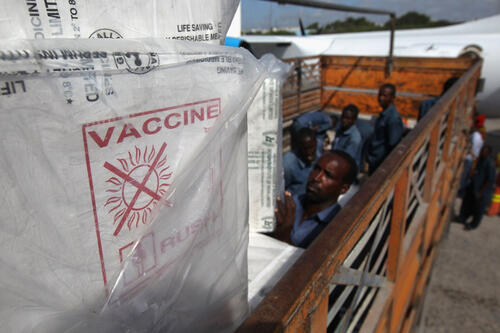
As global health assistance for developing countries dwindles, a Stanford student working on her PhD in health policy has developed a novel formula to help donors make more informed decisions about where their dollars should go.

Donors have typically relied predominately on gross national income (GNI) per capita to determine aid allocations. But using GNI is problematic because it effectively penalizes economic growth. It also fails to capture contextual nuances important to channeling aid effectively and efficiently.

So Tara Templin, a first-year Stanford PhD student specializing in health economics, and her Harvard colleague Annie Haakenstad, have developed a framework that estimates funding based on needed resources, expected spending and potential spending into 2030. They believe the more flexible model makes it adaptable for use by governments, donors and policymakers.

“We've observed development assistance for health growth attenuate over the last seven years,” said Templin, who was a research fellow at the Institute for Health Metrics and Evaluation before coming to Stanford. “There are difficult trade-offs, and this entails honing in on the specific challenges and countries most in need.”

Their research published in the journal Health Policy and Planning outlines how their “financing gaps framework” can be adapted to short- or long-run time frames, between or within countries.

“Depending on donor preferences, the framework can be deployed to incentivize local investments in health, ensuring the long-term sustainability of health systems in low- and middle-income countries, while also furnishing international support for progress toward global health goals,” write the authors, who also are Stephen Lim of the University of Washington, Jesse B. Bump of Harvard and Joseph Dieleman, also at the University of Washington.

The authors developed a case study of child health to test out their framework. It shows that priorities vary substantially when using their results as compared to focusing mainly on GNI per capita or child mortality.

The case study uses data from the Global Burden of Disease 2013 Study, Financing Global Health 2015, the WHO Global Health Observatory and National Health Accounts. Funding flows are anchored to progress toward the U.N. Sustainable Development Goals’ target for reductions in the death rates of children under 5. More than six million children die each year before their fifth birthday, so the United Nations set a goal to reduce under-5 mortality to at least 25 per 1,000 live births.

To build their child health case study, the authors relied on a 2015 study that estimated the average cost per child-life saved is $4,205 in low-income countries, $6,496 in lower-middle income countries and $10,016 in upper-middle countries.

The framework considers three concepts. First, expected government spending is constructed from national health accounts, which are standardized financial reports from countries around the world. Second, ability to pay is estimated by looking at countries with similar levels of economic development and looking at associations with country investment in the health sector. Lastly, needed investment considers a health target, the country’s current health burden, and average costs to save children’s lives in each country.

“Our focus is on the gap between the resources needed to reach critical health targets and domestic health spending,” the authors wrote. “We highlight two facets of domestic health resources—expected spending and potential spending—as critical. While donor preferences may vary, basing aid allocation on expected or existing spending levels incentivizes countries to spend less on health. We therefore propose the use of potential spending, which is a measure of a country’s ability to pay, as the domestic resource benchmark.”

Image
vaccines loaded truck

Instead of the gap between expected spending and need, their framework focuses on the gap between potential spending and the health resources needed to meet global health targets. In the framework, policymakers can choose which gap they want to target, since this decision can involve many factors.

“By focusing on that gap, donors can catalyze sustained domestic spending while also addressing the resource needs critical to reaching international health goals,” they wrote.

They then looked at 10 countries with the most need for additional child health resources. The gap between expected spending and potential spending was highest in Afghanistan, at 79 percent, and lowest in Cameroon, where expected spending exceeded potential spending.

“Fifty years ago, GNI was the best proxy for countries’ ability to finance their own development and health,” the authors wrote.

But today, more empirical data and technology are available, allowing donors to incorporate a broader set of health financing measures into their decision-making process.

“The flexible but targeted nature of our framework is critical in the current era of global health financing,” said Haakenstad, the lead author. “Our framework helps to ensure the poor and disadvantaged, the majority of which now reside in middle-income countries, are reached by development assistance and other public financing. This funding is critical to reducing death and disability and reaching global targets in health.”


The authors’ research was supported by the Welcome Trust (099114/Z/12/Z).

Hero Image
getty child vaccine Oli Scarff/Getty Images
All News button
1
Authors
Beth Duff-Brown
News Type
Q&As
Date
Paragraphs


The federal Centers for Medicare & Medicaid Services (CMS) sent a letter to state Medicaid directors on January 11 announcing a policy change that allows states to experiment with how they deliver the public health insurance for low-income residents of their states. The provision that prompted headlines was its suggestion that state officials seek a waiver to Medicaid regulations allowing them to attach work requirements, or what CMS calls “community engagement,” for eligibility among able-bodied adults.

CMS Administrator Seema Verma said the work requirement among eligible adults would “make a positive and lasting difference in the health and wellness of our beneficiaries.”

In a speech to Medicaid officials in November, Verma criticized the Obama administration for focusing on expanding Medicaid enrollment under the Affordable Care Act, rather than helping the poor move out of poverty and into jobs that provide health insurance.

“Believing that community engagement does not support or promote the objectives of Medicaid is a tragic example of the soft bigotry of low expectations consistently espoused by the prior administration,” she said. “Those days are over.”

So far, the states that have applied for the Medicaid waiver that would allow them to impose the work requirement are Arizona, Arkansas, Indiana, Kansas, Kentucky, Maine, New Hampshire, North Carolina, Utah and Wisconsin. The Kentucky waiver application said it would require most nondisabled Medicaid beneficiaries age 19 to 64 to work at least 20 hours a week.

Medicaid was created in 1965 for families on public assistance and low-income seniors. It is now the nation’s largest health-insurance program and covers 70 million people, or about one in five Americans, and includes pregnant women and newborns, the elderly in nursing homes and people with disabilities.

Opponents of the work requirement say it demonizes the poor and that low-income people will fall through the cracks and could be denied coverage because of technicalities or errors in their paperwork.

We asked FSI senior fellow and Stanford Health Policy faculty member Jay Bhattacharya — a professor of medicine and health economist who is an expert on government policies designed to benefit vulnerable populations — a few questions about the new policy.

*****


Stanford Health Policy: A study by the Kaiser Family Foundation found that among nonelderly adults with Medicaid coverage — the group of enrollees most likely to be in the workforce — nearly 8 in 10 live in a working family and a majority are working themselves. They also found most Medicaid enrollees who work are working full time but their annual incomes are still low enough to qualify for Medicaid. So who are the Medicaid recipients that the Trump administration is targeting — and to what end?

Bhattacharya: The CMS decision permits states to experiment with work requirements for able-bodied Medicaid enrollees. That is, it does not permit state experiments with work requirements for Medicaid enrollees who qualify because of a disability, or qualify because they are pregnant, or otherwise qualify because of physical or medical incapacity to work. At least as a first cut, the CMS decision permits states to impose work requirements for Medicaid enrollees who qualify through the expansion in Medicaid induced by the Affordable Care Act and does not permit work requirements on traditional Medicaid population who qualified in ways permitted before the ACA. States can also require alternatives to work, including volunteering, caregiving, education, job training and even treatment for a substance abuse problem.

The end goal as stated in the CMS letter is to improve the health and well-being of the able-bodied poor. The logic is that (1) for able-bodied individuals, regular work is an important component of overall health, and (2) all income-linked welfare programs (Medicaid included) induce incentives not to work, or to work less. There is a literature in economics that documents this incentive (see this paper by Aaron Yelowitz.) The mid-1990s welfare reform law required this sort of linking of work and welfare, and CMS argues this decision permits states to align Medicaid with other income-linked welfare programs. If the KFF study is right, the decision will have an effect on a minority (perhaps a substantial minority) of able-bodied Medicaid recipients, since the majority are already working.

Stanford Health Policy: Under current law, can states impose a work requirement as a condition of Medicaid eligibility?

Bhattacharya: For a state to impose a work requirement, they must request a waiver from the Social Security Act to conduct a demonstration project. These waivers are permitted under current law, but are provided at the discretion of the appropriate executive agencies, in this case, CMS. A different administration might decide not to permit these waivers, and I think in general the Obama administration was more reluctant to permit this kind of state experimentation. The main substance of the CMS decision is to broadly signal to states that they will now be willing to provide such waivers.

Stanford Health Policy: Do critics of the work-requirement waiver have valid fears that low-income elderly or disabled people will fall through the cracks on technicalities or challenging paperwork?

Bhattacharya: Paperwork mistakes and problems caused by bureaucratic indifference are always possible when it comes to a program like Medicaid, which has such a complicated variety of paths to qualify. It is an empirical question whether such considerations would be more salient were a state to impose work requirements for a subset of Medicaid enrollees on top of the existing requirements.  Every state has experience with similar work requirements for qualification for other welfare programs, such as temporary assistance for needy families (TANF). Given that, it seems unlikely to me that — because of technicalities or paperwork — additional work requirements would be incorrectly applied to many elderly or disabled people applying for Medicaid.

Stanford Health Policy: Some states have proposed tying Medicaid eligibility to work requirements using waiver authority that may be approved by the Trump administration. What could this mean for Medicaid recipients in those states? In Kentucky, which expanded Medicaid, some state officials have said work requirements could lessen the program’s impact on the state budget.

Bhattacharya: I suppose it could have some effect on state budgets by reducing the number of people who qualify for Medicaid. I anticipate only a small effect on state budgets, though, because through the ACA, the Feds pay 100 percent of Medicaid costs for people who qualify via the ACA’s income provision, although that gradually phases down to 90 percent in 2020 and remains at that level.

Stanford Health Policy: How will the states that do not apply for the waiver, such as the large-population states of California and New York, be impacted by this change in Medicaid policy?

Bhattacharya: States that do not apply for a waiver will maintain their existing requirement for Medicaid qualification, including no work requirements for able-bodied Medicaid enrollees who qualify through the ACA’s Medicaid provisions.


Hero Image
Medicaid Patient
Dr. Martha Perez examines Maria Lebron in a room at the Community Health of South Florida, Doris Ison Health Center on February 21, 2013 in Miami, Florida.
Getty Images
All News button
1
Authors
Beth Duff-Brown
News Type
News
Date
Paragraphs


Paul Wise watched as children ran around a playground attached to a health clinic at a displaced persons camp on the outskirts of Mosul — the northern city in Iraq once controlled by the Islamic State but now back in the hands of the Iraqi government.

The children had survived the Battle of Mosul, which had fallen to ISIS in 2014 but was retaken by the government forces and allied militias during a nine-month military campaign that ended in July. Many of the children suffer from physical and mental wounds and Wise wondered how they would recover with so little medical infrastructure.

Wise was part of a small delegation of physician-academics asked to evaluate a World Health Organization-led system to treat civilians injured in the Mosul fighting. Wise and his colleagues recently slipped into Mosul to visit field hospitals, review health care on the ground and determine whether there is a better way to distribute medical aid during armed conflict.

The visit left the Stanford Medicine professor of pediatrics and senior fellow at the Freeman Spogli Institute for International Studies with questions about health care, humanitarian ethics, and conduct of war: Are there better ways to deliver emergency medical care during the height of battle? How do relief workers maintain neutrality when embedded with government security forces? Has the system of financing humanitarian interventions — one that was essentially created during the Cold War — become dangerously outdated?

Answering these questions is the mission of a new health-and-security initiative at Stanford led by Wise, a core faculty member at Stanford Health Policy who has spent 40 years working to improve the health of children impacted by conflict. Much of his work has been in Guatemala through his Children in Crisis project, the first university-based program to address the needs of children in areas of unstable governance and civil war.

“In talking with the groups that are running these humanitarian efforts in Mosul, there was this uneasiness, this kind of disorientation with the way things are now,” said Wise. “It was a kind of recognition that humanitarian norms are changing, the health personnel and facilities are at greater risk; the financial gap between humanitarian need and humanitarian capability is growing; and the old way of financing humanitarian intervention is inadequate, archaic.”


An Interdisciplinary Approach

Wise believes academics are well suited to help resolve these humanitarian conundrums.

“So we are going to move ahead and try to bring all the players together to reconsider this global challenge. Here at Stanford, we have the capacity to draw upon remarkable resources,” he said.

The new biosecurity initiative led by Stanford Medicine physician and FSI senior fellow, David Relman, together with world-renowned political scientists, security specialists, computer scientists and health policy experts will “attempt to craft new strategies for the provision of critical services to populations affected by conflict and political stability.”

The initiative will collaborate with other institutions such as Johns Hopkins, UCSF, Harvard, and the American Academy of Arts and Sciences. It will also seek the engagement of partners committed to providing humanitarian services, including WHO, the U.N. High Commissioner for Refugees, Doctors Without Borders and the International Committee of the Red Cross.

“The voice of communities impacted by war should also be an essential element in this ambitious effort,” Wise said. “To break new ground, we’re going to have to do things differently; the health strategies need to take into consideration fundamental understanding of the political dynamics. But we have a special opportunity here at Stanford because we take an interdisciplinary approach.”

Children of War

Most of the children Wise saw will never be the same, he said, nor the humanitarian workers who risked their lives to treat them, their families, and fighters from all sides of the battle to oust the Islamic extremists from the city on the Tigris River.

“I look at these little kids with horrendous emotional trauma and PTSD, and I think to myself, it’s the collision of all these questions playing out within a 50-square-meter little playground,” he said. “It’s these broader, strategic and ethical questions that are really profound. And as a pediatrician who is dedicating the last phase of my career to these questions of security and the political dimensions — I have to engage on all of these levels. That’s not easy.”

Wise traveled with WHO officials, as well as Paul Spiegel, a physician who leads the Center for Humanitarian Health at Johns Hopkins Bloomberg School of Public Health; Adam Kushner, a trauma surgeon affiliated with Johns Hopkins; and Kent Garber, a surgical resident at UCLA and research associate at Johns Hopkins.


Image
mosul bike


Spiegel also believes academics are uniquely positioned to help assess the current system of responding to medical crises during conflict.

“I believe that we can bring objectivity and rigor to analyzing and evaluating important and innovative responses, such as the trauma response by WHO and others in Mosul,” Spiegel said. “Humanitarian organizations are often busy responding quickly to rapidly changing situations; they don’t always have the luxury of time to do what academic humanitarians can do.”

Making the two-hour drive from Erbil to Mosul in armored, bulletproof SUVs provided by the United Nations, they slipped into field hospitals to meet with Iraqi physicians and medical teams with the humanitarian agencies.

Wise, who was able to take a few photos and video on his smartphone, described the devastation on the ground, noting that not since the siege of Leningrad has a city of this size experienced such street-by-street fighting. In large parts of the city, virtually every building was bombed or bulleted. It will take years to clear the rubble and rebuild.

“It’s just a remarkable story of tragedy and resilience,” he said.

Image

Since the city was not long ago controlled by ISIS, the field hospitals are still surrounded by massive concrete barricades and tactical trucks stationed outside with mounted machine guns.

The team found that at the height of the battle for Mosul, there was tremendous pressure to treat injured civilians and discharge patients very quickly, due to the lack of medical infrastructure and personnel and the continuous wave of new injuries coming in.

“The charge for us was to evaluate the system and how well it worked, what ways could it be improved, how many lives that it saved,” Wise said. “One of the concerns, for example, was that in order to put in medical people that close to the frontline, you have to give them some kind of security. This raised issues among the humanitarians about their need for independence and neutrality, since you’re essentially embedding them with Iraqi security forces.”

Epidemiology and Ethics


“We are looking at the technical issues and the epidemiologic issues, but also dealing with the ethical issues and their implications,” he said.

They intend to write an internal report and then publish their findings in a major medical journal, to get the word out about the issue and gain support for ongoing collaborative work. They’re looking to partners like the American Academy of Arts and Sciences, which recently devoted an entire issue of its journal, Daedalus, to the factors and influences of contemporary civil war. One of the essays in that issue by Wise and his Stanford colleague, Dr. Michele Barry, who directs the Center for Innovation in Global Health, talks about the threat of a global pandemic as a potential byproduct of the 30 ongoing civil wars around the world.

“We’re trying to get the report completed quickly because the model of trauma care for civilians in Mosul is a new model and could be implemented in other combat areas, like the fighting in Syria and other places in Iraq,” Wise said.

Wise worries some see Stanford University as an insulated Silicon Valley institution in a beautiful setting and not always engaged in the real world.

“Well, this is about as engaged in the real world as you can get — this is Stanford moving and doing things out there, not just sitting around in seminar rooms. Sometimes you need to get close to the front lines to save lives,” he said.

When asked what surprised him during this trip to Mosul, Wise smiled.

“I’m sort of old and I’ve seen a lot of the world and not a lot surprises me anymore,” he said. “But it was a reminder of how desperate are the lives of millions of people — that we could do so much more. It’s a reminder of just how fragile physical security really is in this world."


Image
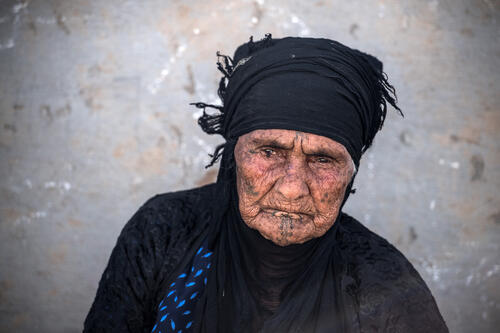
mosul old woman


Hero Image
mosul health
ERBIL, IRAQ — A Red Cross nurse from Sweden applies a dressing to a 3-year-old boy who was injured after an improvised explosive device (IED) detonated near him in Mosul on April 17, 2017.
Carl Court/Getty Images
All News button
1
Authors
Beth Duff-Brown
News Type
News
Date
Paragraphs

Maya Rossin-Slater uses her PhD in economics to analyze large-scale data on population health and socioeconomic outcomes to help inform policies targeting families with children, especially those who are disadvantaged or poor.

Rossin-Slater, an assistant professor at the Department of Health Research and Policy at Stanford Medicine, is the newest core faculty member at Stanford Health Policy. Prior to coming to Stanford this summer, she was an assistant professor of economics at the University of California, Santa Barbara for four years after receiving her PhD at Columbia University. Her research centers on public policies and their impacts on the health and well-being of families.She asks complex questions, often finding the answers in large administrative databases. Specializing in using “natural experiment” methods, Rossin-Slater tries to separate causation from correlation.

How do child-support mandates impact the relationship between parents and children? Does high-quality preschool compensate for early life health disadvantages? What are the long-term impacts of early childhood exposure to air pollution once they become adults?

“To me, it’s important to do this kind of research that can inform real-world policies, particularly for less advantaged families,” said Rossin-Slater, who is also a faculty fellow at the Stanford Institute for Economic and Policy Research (SIEPR) and a faculty research fellow at the National Bureau of Economic Research.

“We live in a world with limited resources and we need to understand how to best allocate them,” she said. “So I think there is value in providing rigorous causal evidence on the effectiveness of various tools and policies that impact the less advantaged so that we can get the highest return on public spending as well as the highest potential for improving the outcomes of those at the very bottom.”

In a paper published in the Journal of Public Economics, Rossin-Slater talks about the growing body of evidence that suggests in-utero conditions and health at birth make a difference in later-life well-being. She found that the Special Supplemental Nutrition Program for Women, Infants and Children (WIC) is one of the most cost-effective and successful programs to improve health at birth for children of disadvantaged mothers.

“The estimated effects are the strongest for mothers with a high school education or less, who are most likely eligible for WIC services,” she wrote in the paper, which was cited by the White House blog under President Barack Obama.

Paid Family Leave

When Mark Zuckerberg announced he would take a two-month paternity leave when his daughter was born in 2015, the Facebook co-founder was taking advantage of his own company’s policy, which grants employees up to four months leave for all new parents.

“Studies show that when working parents take time to be with their newborns, outcomes are better for the children and families,” Zuckerberg wrote on his Facebook page.

This prompted many media outlets to turn to a co-authored study with Rossin-Slater, which found that 46 percent more men have taken time off to help take care of their newborns since California made paid family leave (PFL) law in 2004.

“The increase in paternal leave-taking may also have important implications for addressing the gender wage gap,” the authors wrote. “Our results suggest that a gender-neutral PFL policy can increase the amount of time fathers of newborns spend at home—including the time they spend at home while the mothers work—and may therefore be seen as one way to promote gender equality.”

Image
zuckerberg horizontal

Here at Stanford, Rossin-Slater is using databases in the United States, Denmark and Sweden to continue her research on public policies (including paid family leave), as well as looking at how prenatal and early childhood factors impact lifelong outcomes. Does inequality and the stress of poverty in pregnancy, for example, get transmitted across generations?

In a forthcoming paper in the American Economic Review Rossin-Slater and her co-author, Stanford economist Petra Persson, found that prenatal exposure to maternal stress due to deaths in the family could have lasting consequences for the mental health of the children.

They examined nearly 300,000 births in Sweden between 1973 and 2011, in which a relative of the mother died either before her due date or in her child’s first year of life. They found that children who were in the womb when a relative died were 25 percent more likely to take medication for ADHD than those who were infants when the relative died. And those children were 13 percent more likely to take prescription drugs for anxiety once they became adults.

Take those results and one can imagine that the stress of living in poverty during pregnancy might be compounded over generations in that same disadvantaged family.

“This would imply that policies aiming to alleviate stress associated with economic disadvantage may help break the cycle of poverty,” Rossin-Slater and Persson told The Washington Post for a story on their research.

In new projects, Rossin-Slater is now studying the effects of reforms in the WIC program in California on maternal and child health, as well as the impacts of paternity leave on maternal mental health and child outcomes in Sweden. She continues using research designs that pay careful attention to establishing causality and working with large administrative databases.

“I believe in and enjoy working with data because it provides an opportunity to learn about how real-world policies actually work,” she said. “I have the privilege of being able to set my own research questions and to use my economic training and newly available data to try to find at least some answers. My hope is that these answers can be useful for creating better and more effective policies.”


Hero Image
family leave getty Getty Images Heroin
All News button
1
Subscribe to Health Outcomes