
State Department Backs Stanford AI Effort Against Forced Labor in Brazil
State Department Backs Stanford AI Effort Against Forced Labor in Brazil
Stanford researchers will build BRIDGE AI, an open-source platform to help Brazilian agencies share information on trafficking cases and connect survivors directly with services.

The Stanford Human Trafficking Data Lab has secured a $2 million award from the U.S. Department of State’s Office to Monitor and Combat Trafficking in Persons (TIP Office) to build an open-source toolkit to counter human trafficking and forced labor in Brazil: BRIDGE AI. The project aims to both improve multi-agency coordination in trafficking case management protocols and offer more direct informational support to survivors.
Health Policy Professor Grant Miller, PhD will lead this project in direct partnership with Luis Assis, PhD of Brazil’s Federal Labor Prosecution Office (FLPO) – also a research affiliate of Stanford’s Center for Human Rights and International Justice. Together, the team will build on years of work by the lab to combat trafficking in South America’s largest country, where an estimated 1 million people experience modern slavery at any given time.
Miller, a health and development economist, and his lab colleagues are building the open-source toolkit to speed referrals across multiple agencies, enhance data sharing, and increase reporting among the Brazilian agencies and civil society organizations that handle trafficking cases. The AI-driven, inter-agency platform will also feature a survivor portal that aims to connect survivors directly with social workers so they can access critical, last-mile social services.
“Many of our lab's projects to date have focused on addressing specific challenges articulated to us by our partners in the Brazilian government: automating the identification of work sites at high risk for human trafficking, bringing new efficiencies to the processing and prioritizing of trafficking-related tips for follow-up investigation, and building a digital victim case management system for frontline social assistance workers,” said Miller, also a senior fellow at the Freeman Spogli Institute for International Studies and the Stanford Institute for Economic Policy Research.
“With this new grant, we have an exciting opportunity to connect these various initiatives in an effort to modernize interagency coordination and civil society collaboration for more effective prevention, protection, and prosecution related to human trafficking in Brazil,” he said.
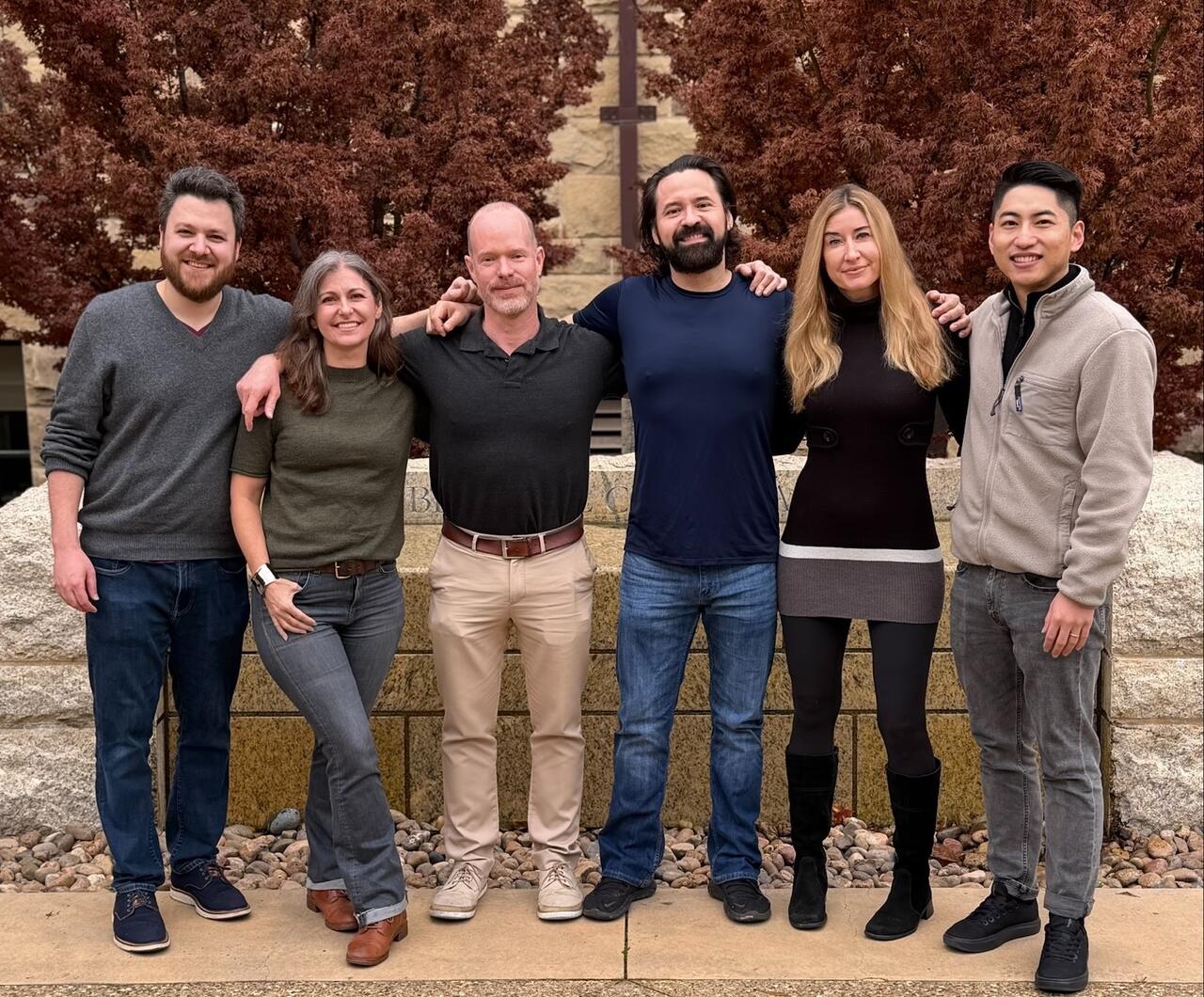
Other core members of the lab include Assis, chief research and data officer for the FLPO; Kimberly Babiarz, PhD, a senior research scholar at Stanford Health Policy and research director of the lab; Jessie Brunner, MA, director of human trafficking research at the human rights center, Vicki Ward, Clinical Associate Professor of Pediatrics, and Stanford Health Policy research scholars Lydia Aletraris, PhD, and Haojie Wang, PhD.
With previous support from the TIP Office and others, the lab has already built and deployed two tools to improve trafficking investigations and survivor support in Brazil: a remote detection tool for pinpointing charcoal kilns where deforestation and labor exploitation intersect and an AI-driven decision support tool for labor prosecutors.
“Despite these projects’ success, our team encountered persistent challenges in achieving timely assistance to survivors of trafficking,” said Babiarz.
“Many survivors struggle to meaningfully access existing support systems,” Aletraris added. “Communication among the many agencies involved in rescue and assistance can be slow, and survivors lacked the information to advocate for themselves.”
AI Support to Build a Bridge
The lab now intends to build a set of technological bridges connecting victims more directly and effectively to Brazil’s robust ecosystem of existing services while seamlessly connecting multiple counter-trafficking agencies to one another for enhanced enforcement and service provision. This new framework is intended to streamline communication between survivors, law enforcement, and service providers within the national anti-trafficking policy framework, from the initial report through planning, interdiction, and post-trafficking assistance. Moreover, it is designed with broad scalability in mind from the start, aiming to meet the needs of many countries with robust counter-trafficking policies, but lacking the capacity and cost-effective tools to orchestrate operations.
“Notably, it will also feature Brazil’s first survivor advocacy portal, connecting survivors directly with social workers and providing critical last-mile assistance for social services,” Ward said.
BRIDGE AI has three primary objectives, each designed to address a critical problem identified by Brazilian partners:
- Scale Brazil’s existing digital victim case management system into a cloud-based platform for interagency coordination, data sharing, and survivor care—initiated at the point of rescue.
- In response to a Lab finding that fewer than half of workers found to be trafficked in FLPO investigations are ever registered for social assistance, build a survivor-facing portal that enables survivors to find information and request services directly, rather than waiting months for a social worker to locate them.
- Build a voice-to-text tool that enables trafficking victims to connect with Brazil’s existing hotlines for slave labor victims through preferred platforms. The AI-driven tool will support the collection of crucial, actionable details that most current tips lack, before accurately classifying the report and submitting it to the appropriate hotline on the worker’s behalf.


